
While Riyadh has been a growing settlement for centuries by now, the Saudi capital transformed so rapidly in the last few decades that today it must seem like a completely different town to some of its older residents. No longer just a humble desert settlement, today Riyadh has a modern skyline, an excellent metro system, all the modern amenities one can ask for, and more. In this article, we will take a look at a more modern side of Riyadh altogether.
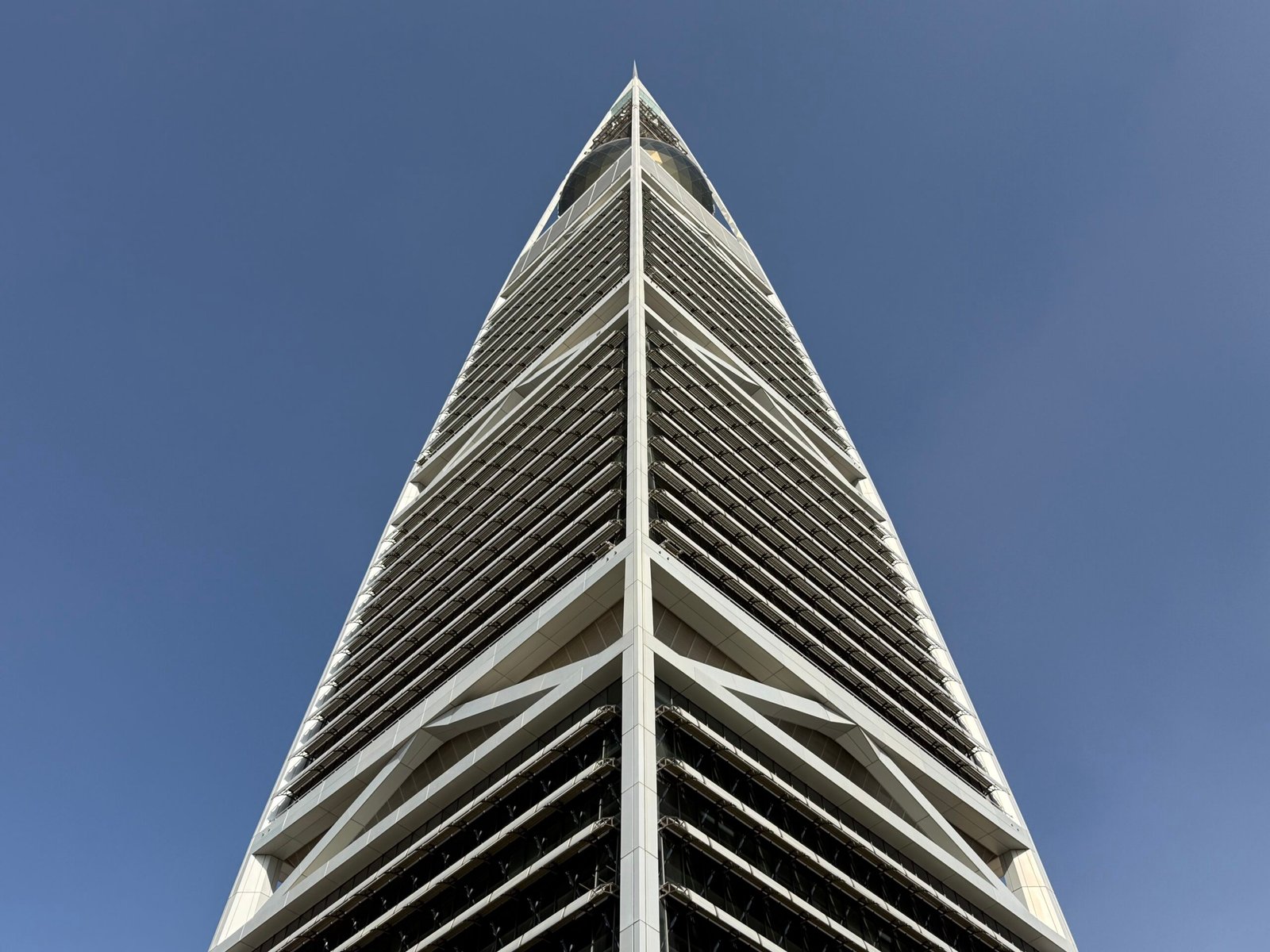
Oil was discovered in Saudi Arabia in 1938 and things never looked the same for the Kingdom since then. For many decades, Saudi state did not only have the largest amount of proven petroleum reserves in the world, but it also dominated the market as the biggest producer of this liquid gold. This helped the Kingdom to build its infrastructure rather luxuriously, culminating in projects like the Al Faisaliah Tower, completed in 2000. Such imposing skyscrapers are a common sight in the capital, especially along the bustling King Fahd road.
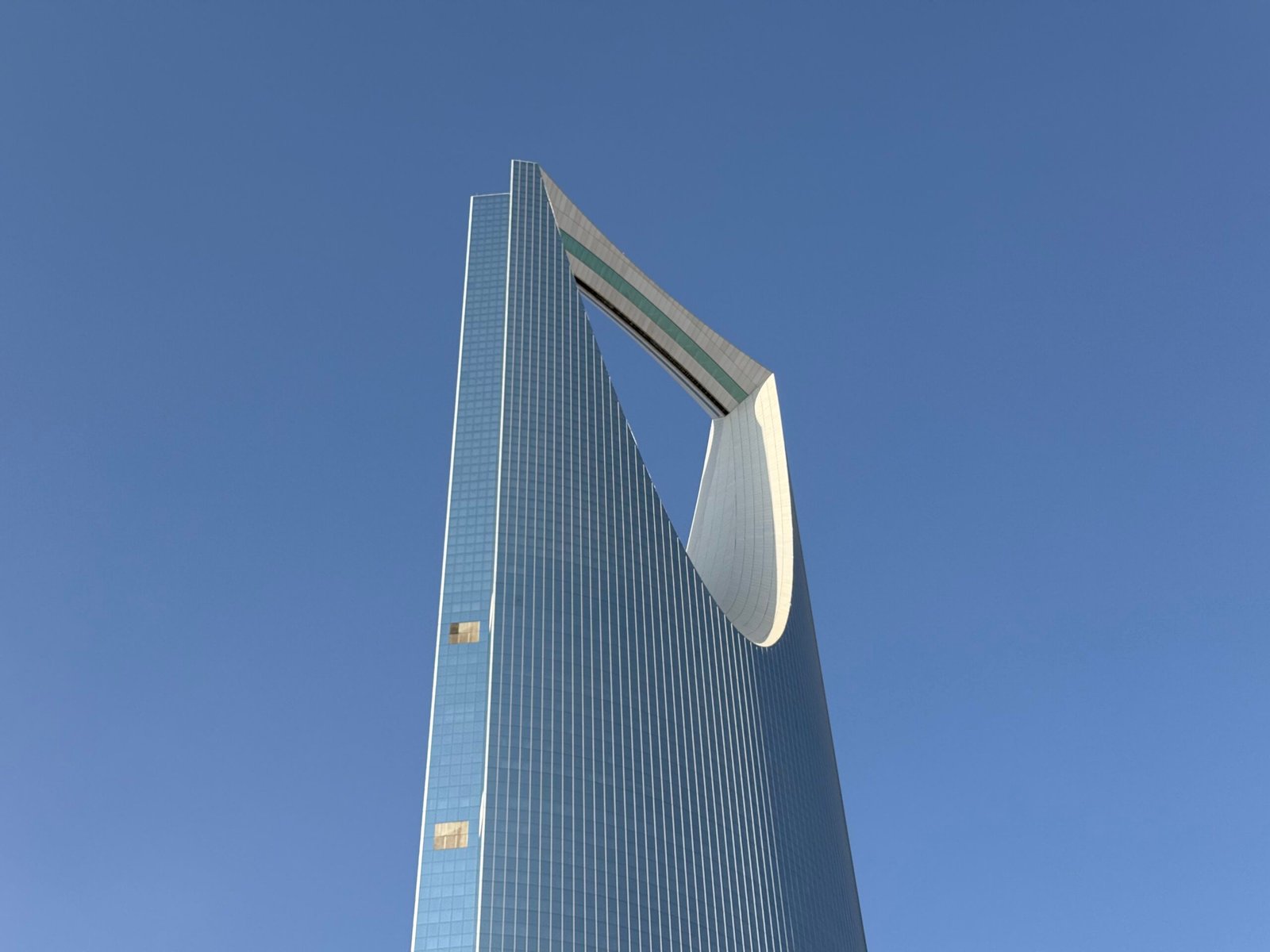
Among those skyscrapers, it is likely the Kingdom Center, built in 2002, that became a symbol for Riyadh as a whole. However, it is crucial to note that these tall structures are a bit more than just an eye candy. Most of them are home to not only workspaces, but also shopping malls, entertainment venues, hotels, and at times, residential units. That is why, you can visit a good number of these yourself, and see what they look like on the inside with ease.
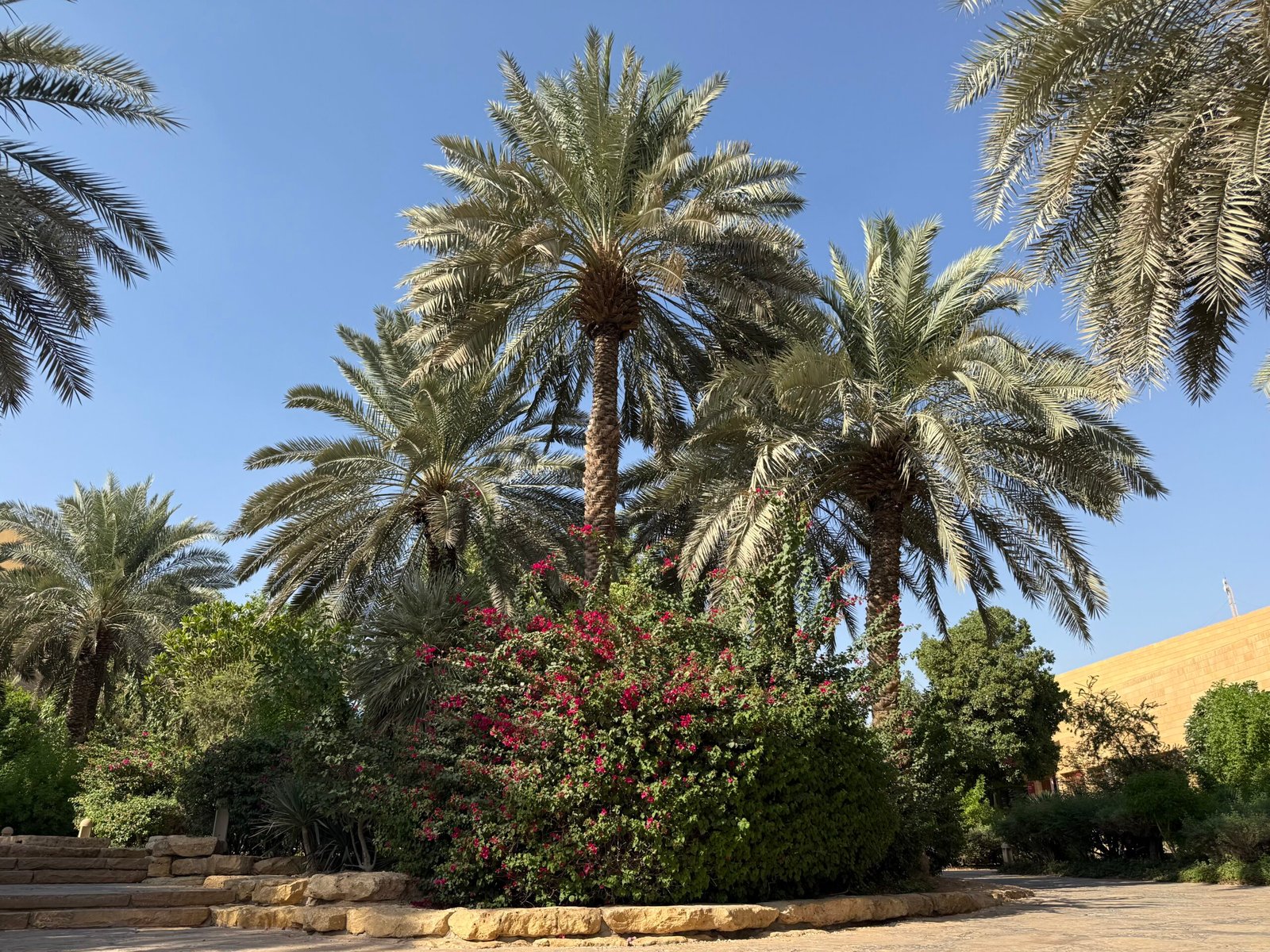
When a state has money and its leadership has the political will to make things work at all costs, they can do a number of things to help make their cities more liveable, even when said cities are found in the middle of an inhospitable desert. In case of Riyadh, these efforts most notably took the shape of a widespread network of parks across the city, among other amenities. No matter where I was walking around, I could often find a park to rest in, usually only after fifteen minutes of walking at most. Not all such parks are massive, and not all are as pretty as the one next to the National Museum, which is what you can see above, but they all offer some shade from the sun, often come with public toilets, playgrounds, and better yet, a chai vendor or two!
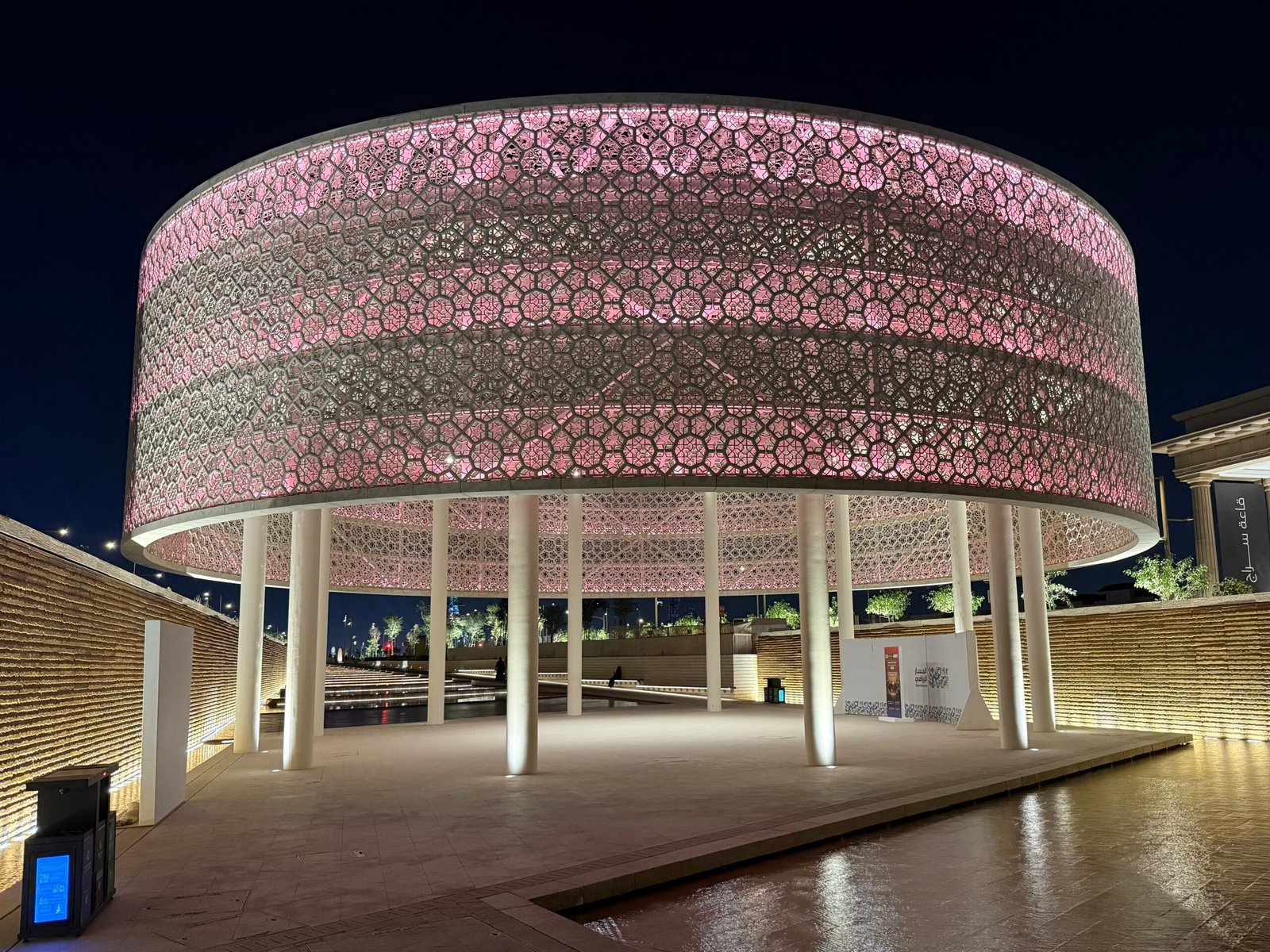
There are also some amenities for those who enjoy late night walks in Riyadh. The city authorities are reportedly trying to get locals to do more exercise and live a healthier life, and that effort is arguably already showing some results. I had to wait around ten minutes to take a photograph of this part of the city’s newly opened Sports Boulevard without bothering any of the fellow night walkers, since there were so many of them who inadvertently blocked the view. This long boulevard included a ton of eateries, cafes, toilets, solar phone charging stations and more for those who want to enjoy taking in some fresh air, and I for one really appreciated that. While Riyadh remains a very car-oriented city, it would be unfair to claim that this is all there is to it.
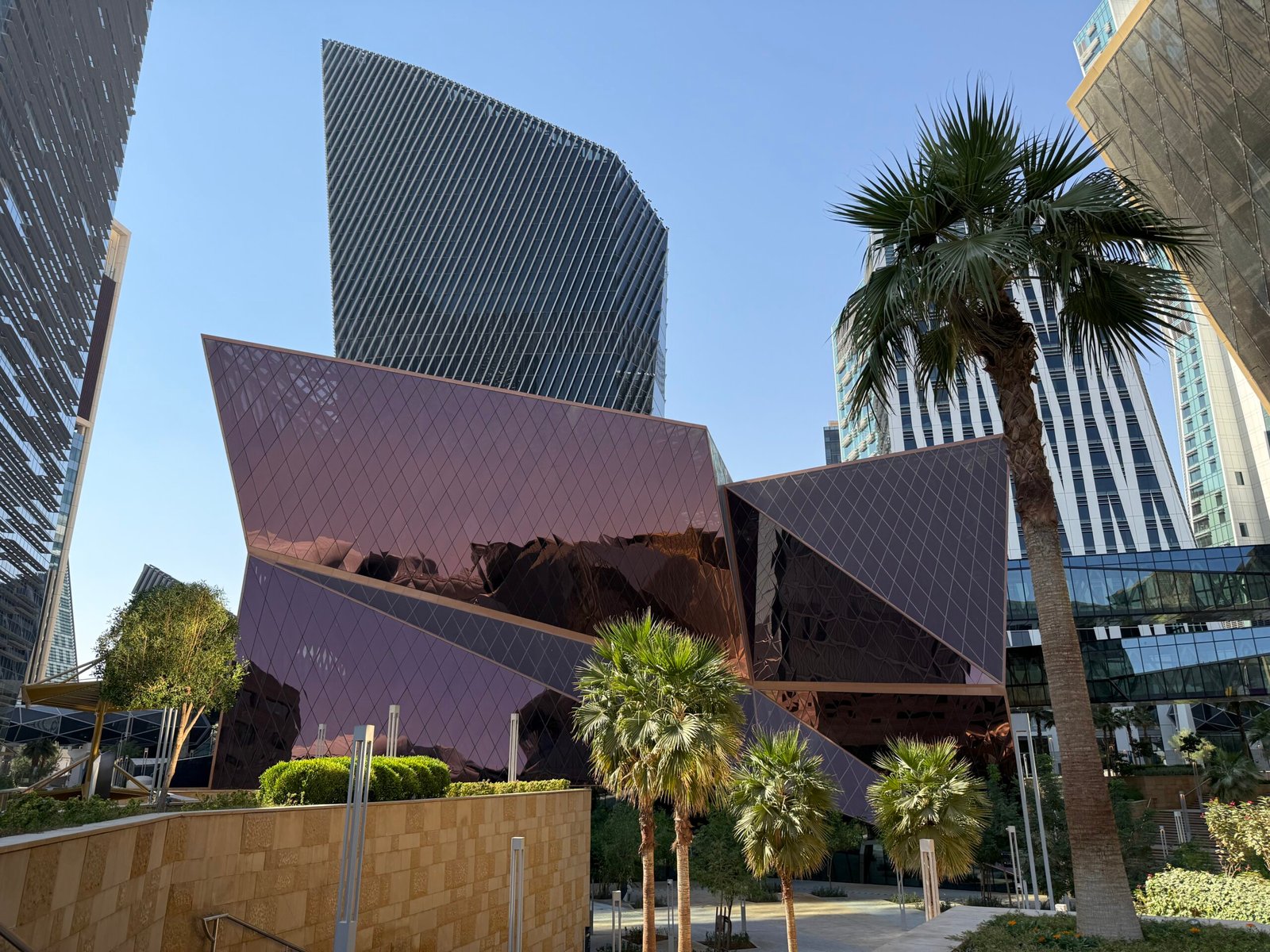
In fact, any prejudice towards a city, especially one that is changing this rapidly, is bound to be mistaken. As a few local friends told me, the Riyadh they knew, the one that they grew up in, is no more in more ways than just architectural. The city changes its shape and size regularly, that much is true, but its people and their ways of life change over time as well. For example, while petroleum does play a big role in the Saudi economy today, Kingdom’s leaders realize that this will not be the case forever. One can now see investments made in many other fields, such as finance, so that the Kingdom may diversify its economy over time.
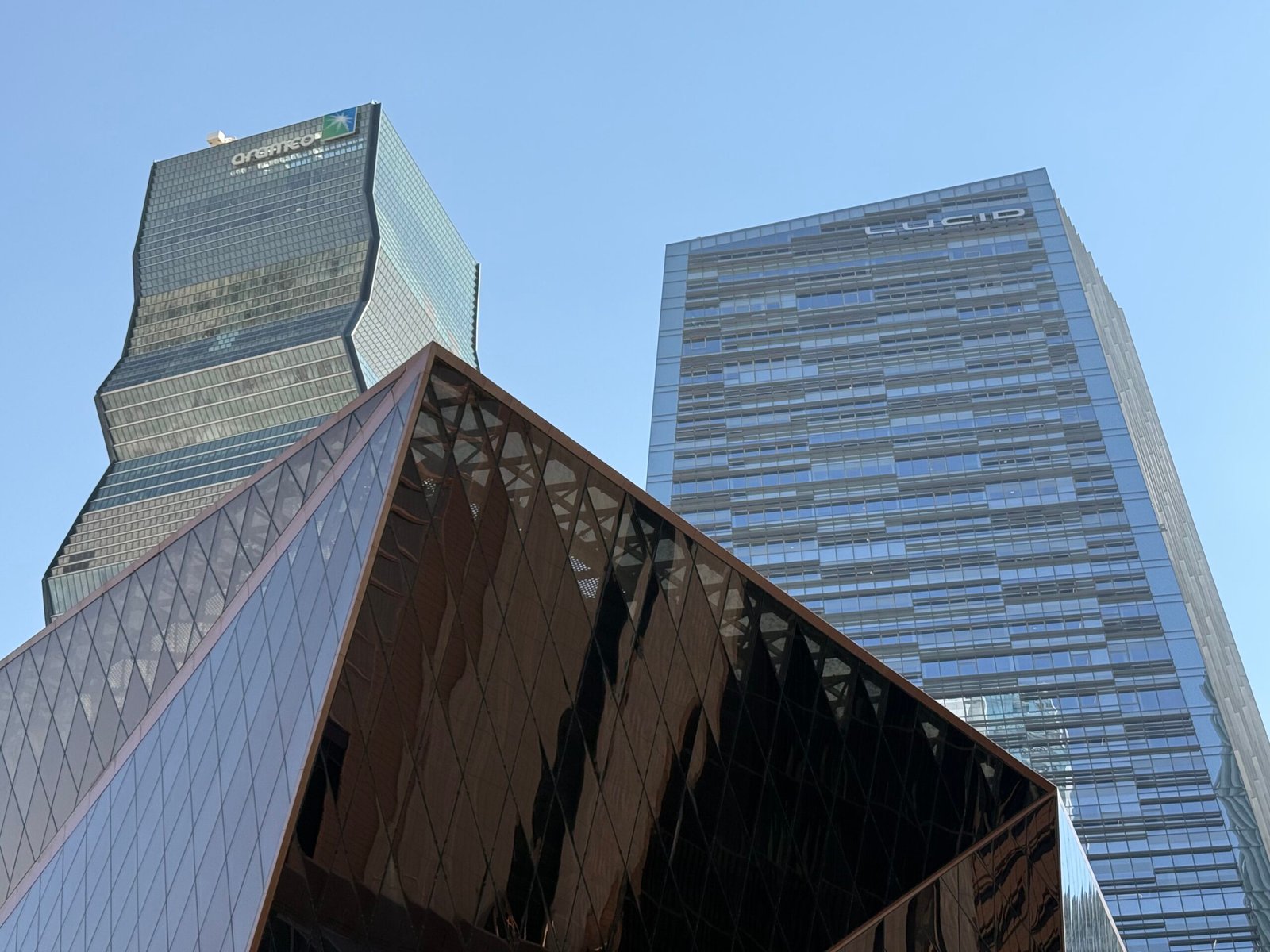
This is where projects like King Abdullah Financial District, or KAFD for short, comes in. You may already be aware that Saudi investment funds keep buying valuable sports teams, entertainment brands, gaming companies, and so on, but that is not all there is to it when it comes to their long-term economic planning. It seems like there is no better business than finance and tech startups as far as countries like Saudi Arabia are concerned. You do not need natural resources (for the most part) for such industries to be developed, you only really need the dedicated spaces, a supportive legal infrastructure, and the human capital to develop them from scratch if necessary. Projects like KAFD, which was still being expanded when I visited it near the end of 2025, aims to help build that necessary infrastructure.
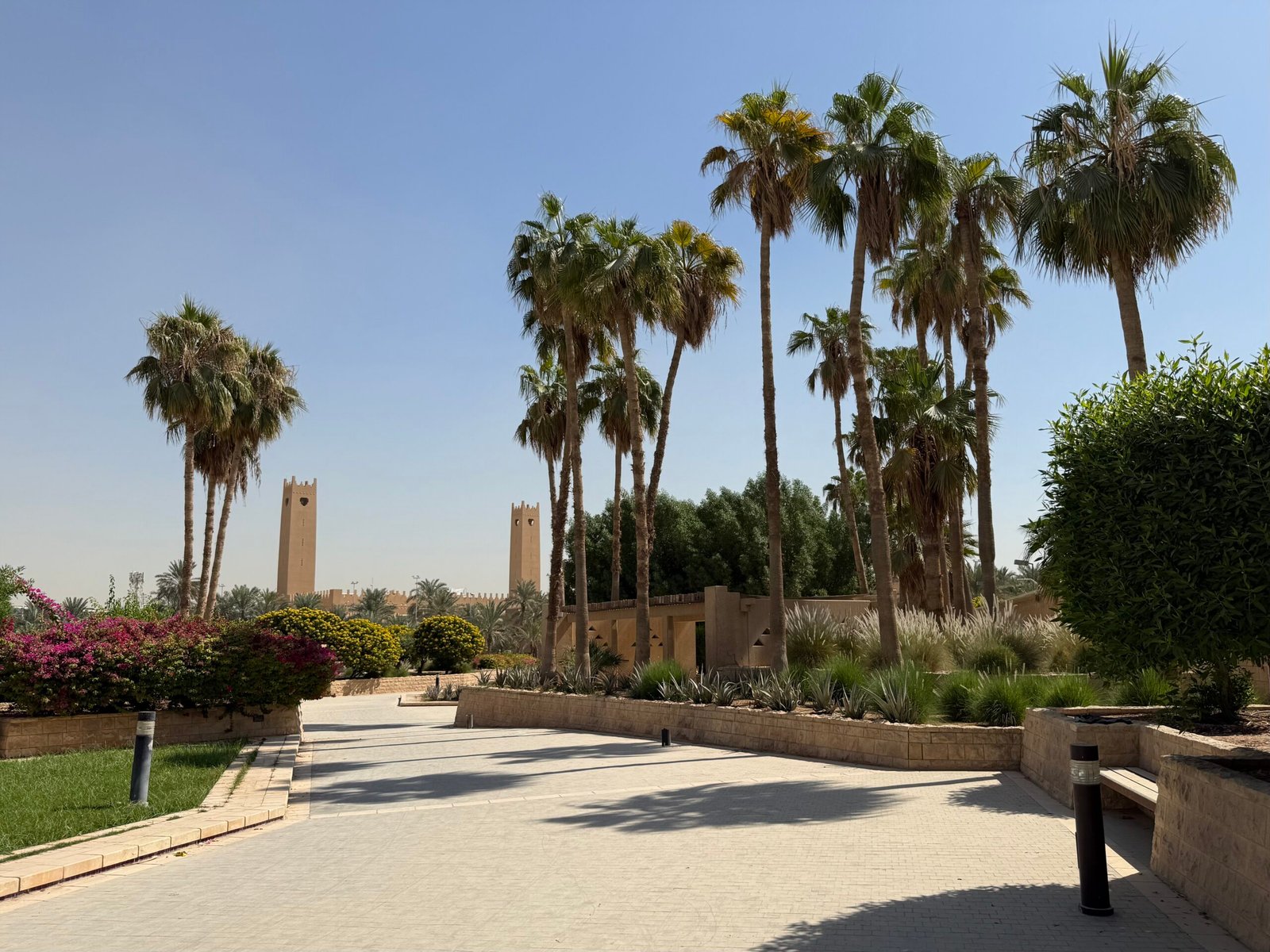
Well, as I aforementioned, change is not limited to the sphere of economics in the Kingdom. The society itself is changing, and it is changing quite quickly in recent years. Cinemas are once again working in the Kingdom after a decades long ban, and women can now drive alone all around the town as they see fit in their own cars. As far as I could tell from my interactions with locals, while there are those that are cautious of some of these changes, some others cannot get enough of them. As a historian who often reads up on such societal transformations, actually witnessing one with my own eyes sure is a special experience. I personally prefer the term “societal change” over the more problematic notions of “modernization” or “westernization” when it comes to these issues, but you are free to visit Riyadh and make up your own mind about what is going on in the Kingdom today. However, I do know that none of these developments are actually alien to the Saudi society when one knows a thing or two about their recent past, which is arguably crucial to understand the present. If you take a quick look at Saudi state of the early 20th century, you will find a country that is significantly different than the one you see today. Therefore, some of these so-called new developments are not results of ideas imported from elsewhere, since their precursors were found within the Saudi society itself in a not so distant past. To me, it seems like the Saudis have their own social dynamics, one that seems to swing from a more conservative society to a more laidback one depending on certain circumstances, and it does not do this complex reality any justice when one dumbs it all down to yet another “westernization” or “modernization” narrative, which are, for the most part, nothing but ideologically motivated and often times racism-fueled stories.
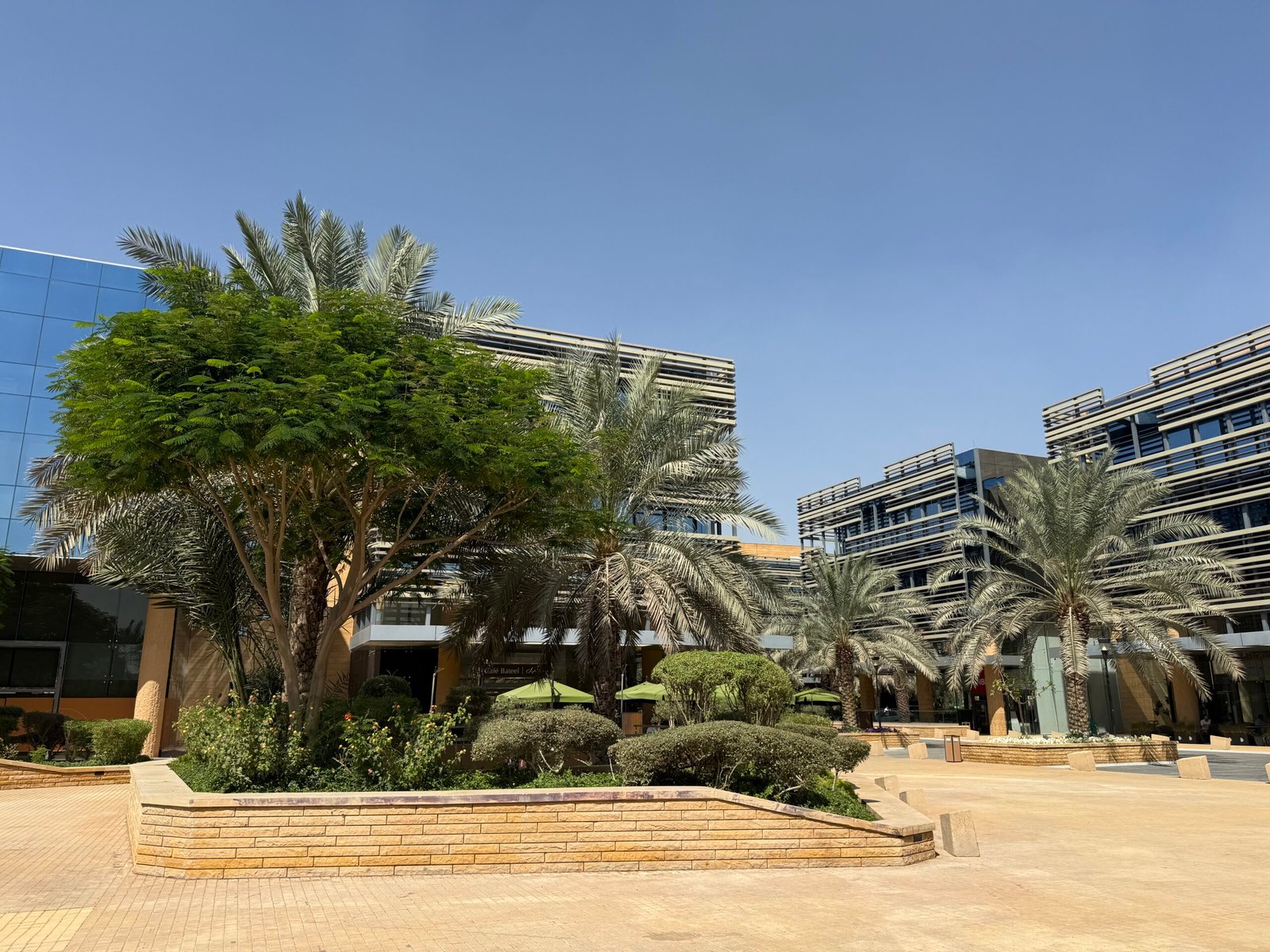
It goes without saying that, some particular parts of the Saudi capital are more easygoing than the rest of the city. For example, the Diplomatic Quarter is a must visit for all who make their way to Riyadh. You cross a military checkpoint of sorts to go into this somewhat contained yet expansive area, where social norms differ from the rest of the town, or so I am told. In fact, you can see men and women alike who wear more revealing clothes here. More crucially, you can apparently even find the country’s only liquor store operating here, though I did not go snooping around to find it myself.
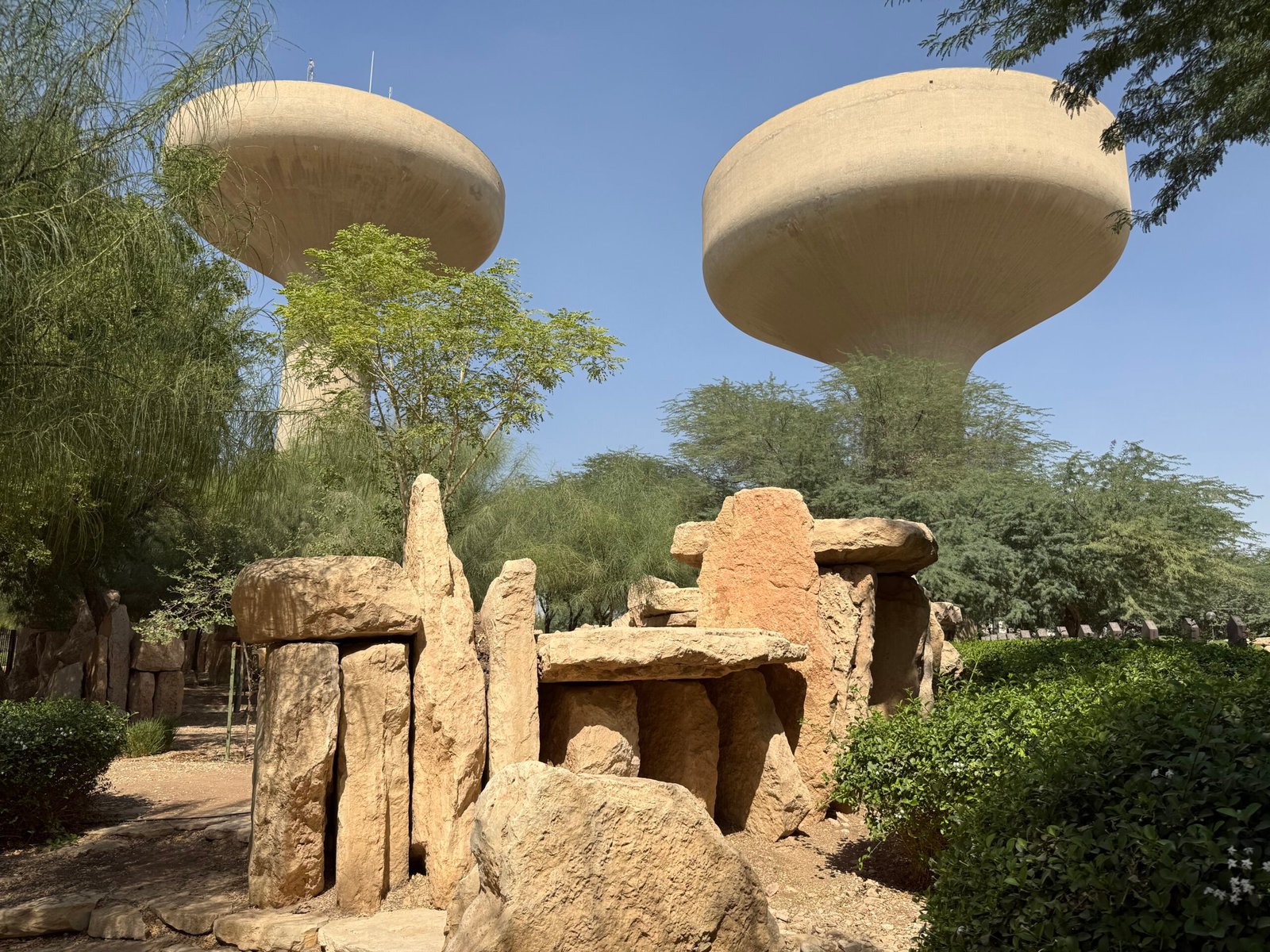
Thankfully, within the Diplomatic Quarter, you will come across a lot of relaxing spots to wander around in as you wonder about some convoluted issues, such as “societal change.” I believe that we often forget how each member of our species could have different opinions on any number of issues. To be clear, this is a rather simple fact that we should not forget so readily. All the political or social transformations that you read about from your own country’s history had their own set of supporters and opposers, the so-called reactionaries, “sore losers” that are often painted as undesirable elements, if they are not outright erased, in national histories. It is best to be chary of commenting on such developments at length and especially by using one’s very own personal preferences in my humble opinion. You never know which one of us may end up becoming a reactionary in someone else’s history.
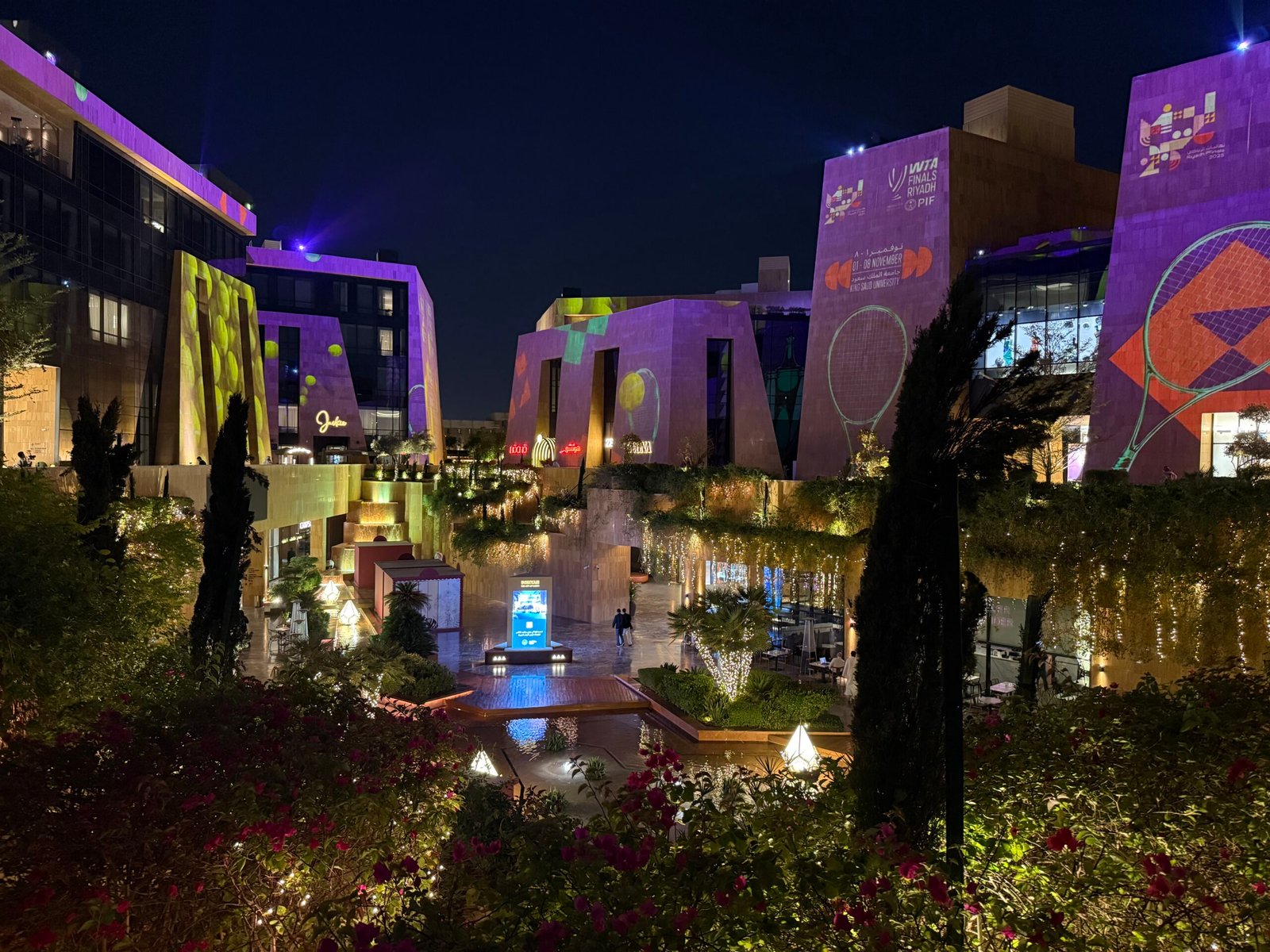
This is more than enough food for thought for one day. Allow me to finish this article on a much lighter note. Many Saudis today are quite well off. Well, once you have some spare change and time, it only makes sense to spend them in a way that makes you happy. That is likely why the more up and coming parts of the town are full of expansive (and at times expensive) shopping and entertainment centres like Via Riyadh, often with some eye-catching architecture. While these modern spaces are full of life around the clock, they outright buzz with activity after sunset, when most Saudis come out of their homes or workplaces to enjoy the remainder of their days.
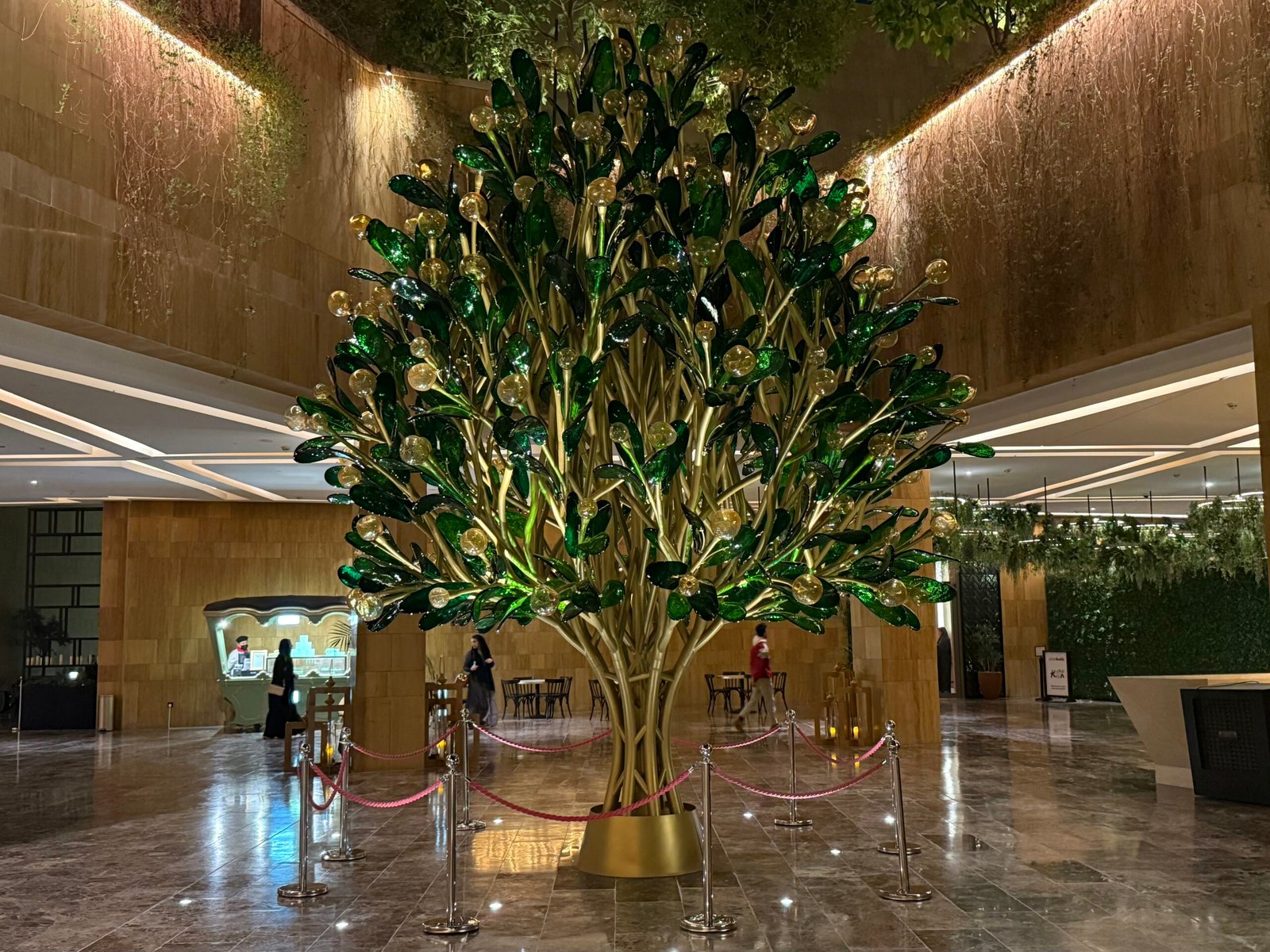
Everyday life in Riyadh is certainly a bit different than what many of us may be accustomed to. The time truly seems to flow a bit differently here. Most notably, people sleep later on than usual, mostly because they want to make the best out of their time after sunset, when the weather is more manageable and walking around is more of a joy. Over time, Saudis mastered the environment they lived in, harmonized their everyday lives with the limitations that come with living in a desert, and made sure to leave enough room for religion in their daily routines, which in turn also helped shape the Saudi way of life today.
Once again, that is why, one should not boil down the ongoing changes in the Saudi society to a deceptively simple case of modernization or westernization. Saudi society is its own thing, and Saudis have their own paths to follow. This is something that I appreciate quite a lot as an avid traveller who yearns for any sign of authenticity during his voyages. Therefore, while you can find modern malls, amenities, technologies, and a tad too many American fast food chains across the Kingdom, and while the Saudi Vision 2030 continues to transform the country into a destination with a mass market appeal, at the end of the day, the Kingdom of Saudi Arabia is home to a decidedly unique Saudi society, and a highly hospitable one at that as well. In fact, regardless of whether you enjoy the historicity of the forts of old Riyadh or would like to do a bit of shopping in the malls of new Riyadh, I cannot help but think that it is these friendly and inquisitive locals that will be the highlight of your trip to the Kingdom. Your mileage may vary, of course. After all, I am a solo male traveller, which is something I make abundantly clear in my “about” page. Nevertheless, it did not seem like any one of the travellers I came across in Riyadh were having a bad time, and as such, I can certainly recommend a visit to the Saudi capital if you would like to experience something a bit different, without letting go off modern amenities and comforts.
Pingback: An Incomplete Guide to the Kingdom of Saudi Arabia - Wondering Voyager