
While I enjoyed every single moment of my weeklong trip to Riyadh, nothing even came close to the day that I explored the nearby town of Diriyah. This historic settlement is home to a UNESCO heritage site today, which is best known as the At-Turaif District. This site was the heart of the first Saudi state, until it was left in ruins by the Ottoman army following a siege during the Ottoman-Wahhabi War (1811-1818). Thankfully, Diriyah is once again full of life today, and it even became an attractive destination for travellers that are interested in the history and culture of the Kingdom.
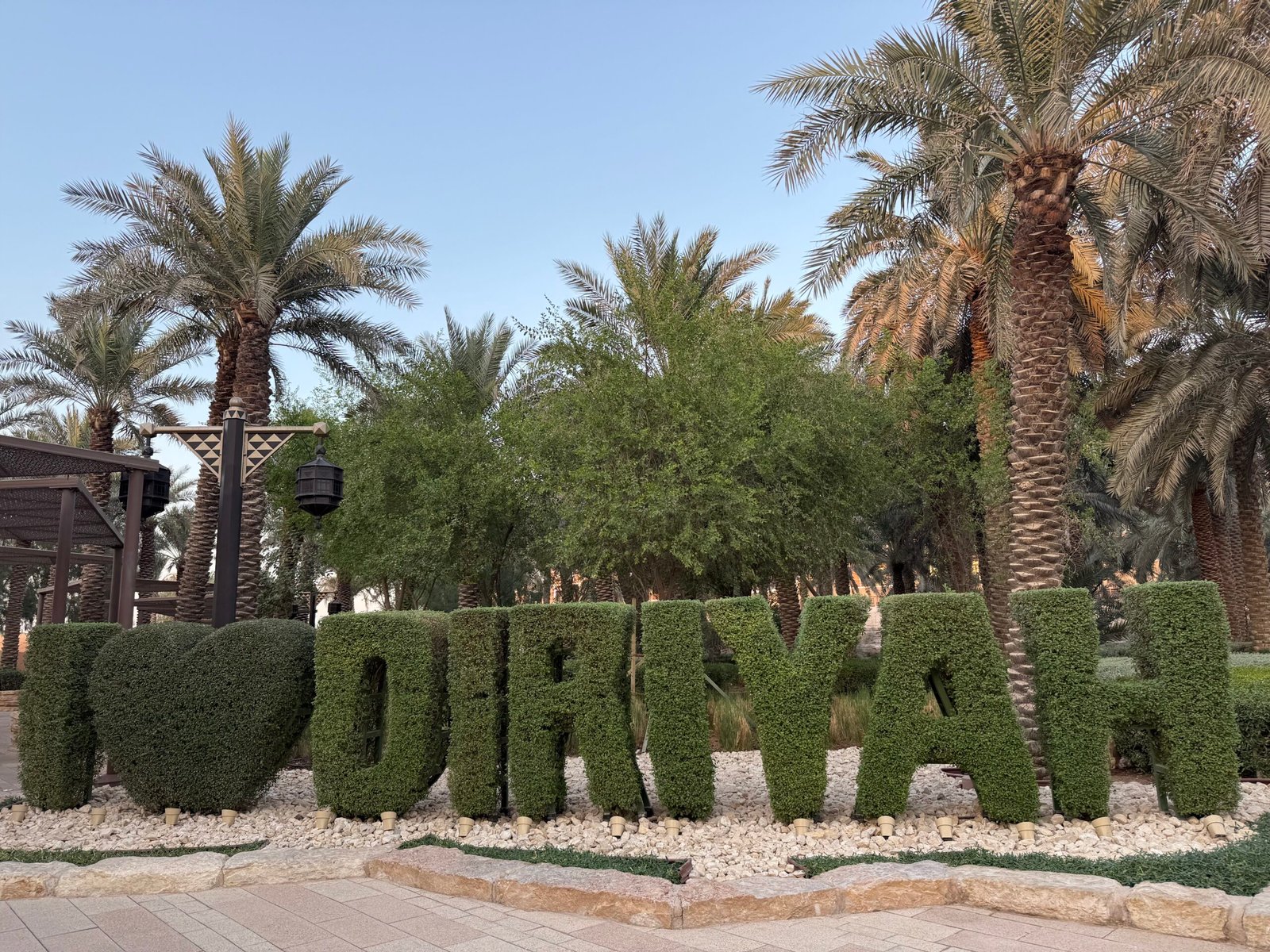
Diriyah is not very far away from Riyadh. In fact, it took me only twenty minutes or so to reach it by taxi from the King Abdullah Financial District. I did see a few bus stops that were under construction on the way, so I am quite certain that by the time this article is published, it will be possible to visit Diriyah without ever leaving Riyadh’s public transportation network. Given how fast Riyadh is expanding, one can even say that soon enough Diriyah will become an integral part of its much bigger neighbour, which is the current seat of the Saudi power.
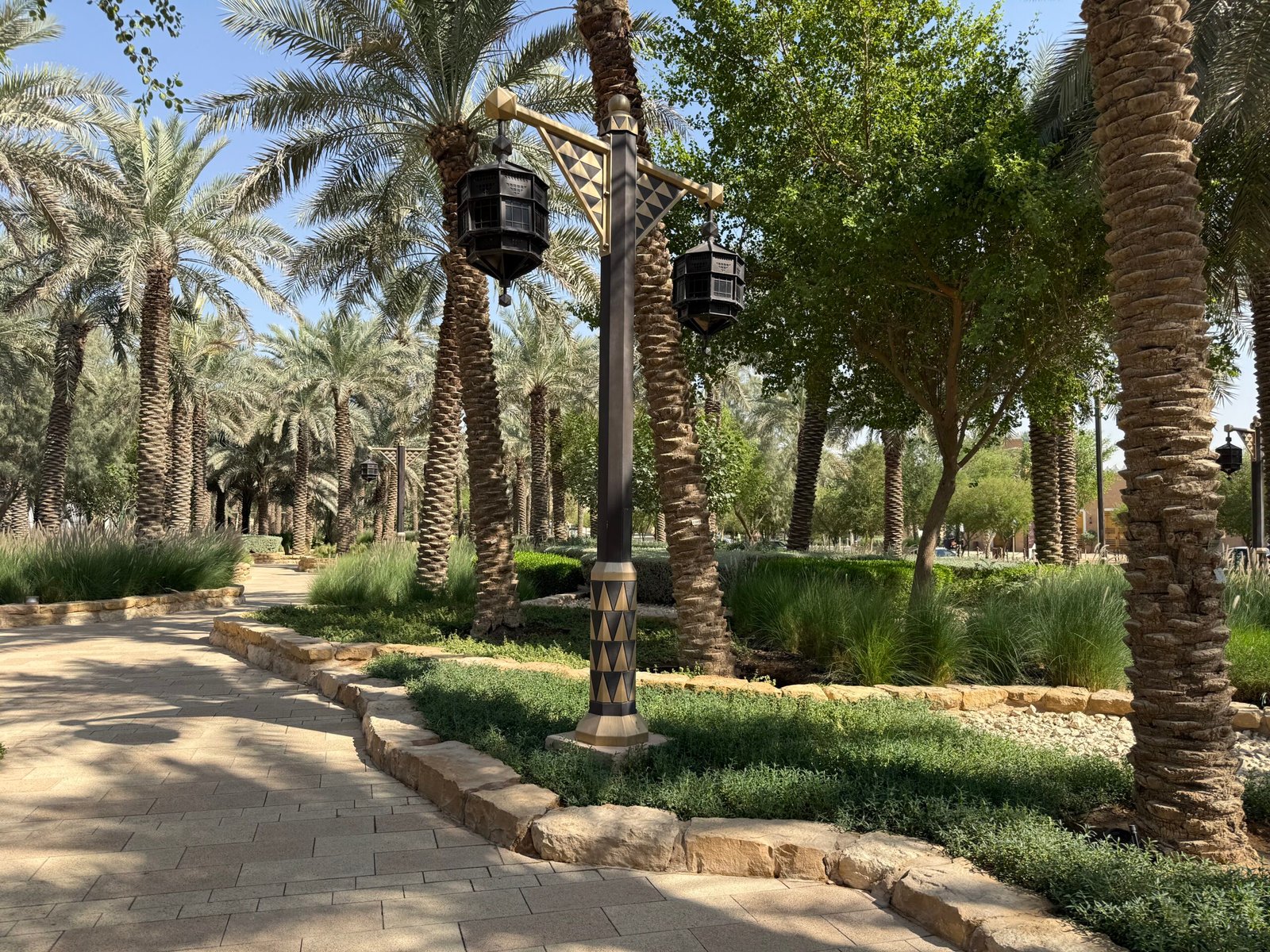
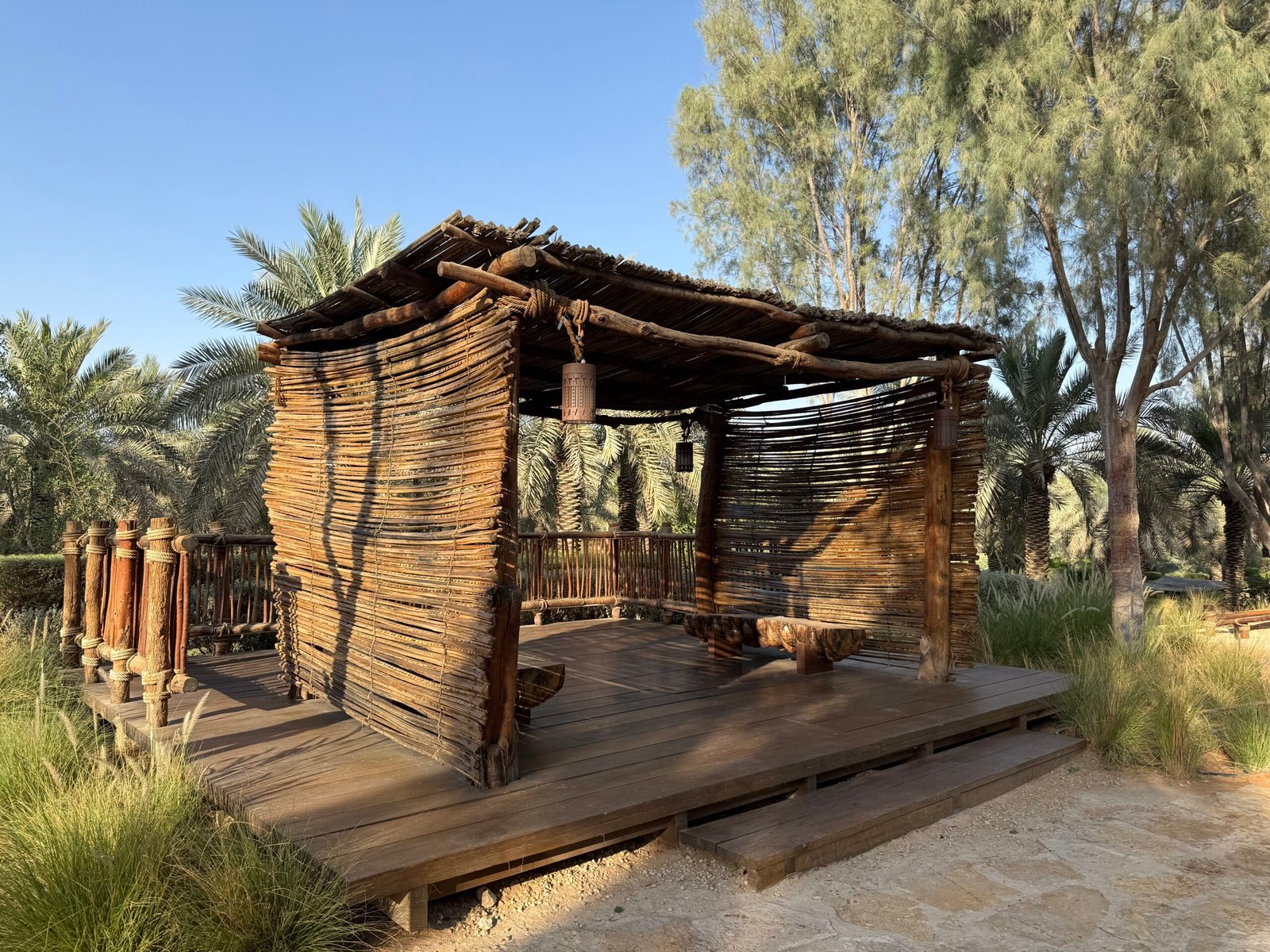
While At-Turaif District is the main attraction in Diriyah, it is not the only offering on the menu. This area is full of parks and recreation sites like this one, some oases, high-end shopping and dining complexes, trendy cafes, and even the city’s finest art museum, Diriyah Art Futures. There is something to do for everyone in this corner of the Kingdom, and this is by design. Wherever I went in the Kingdom as an almost 30-year-old man, I could find something that interested me. This applied to the couples, the elderly, and the children that I run into as well. I must say, I do enjoy this mentality. Offer something for everyone so that while some can rest or play, others can do a bit of sightseeing or enjoy a proper dinner as they see fit.
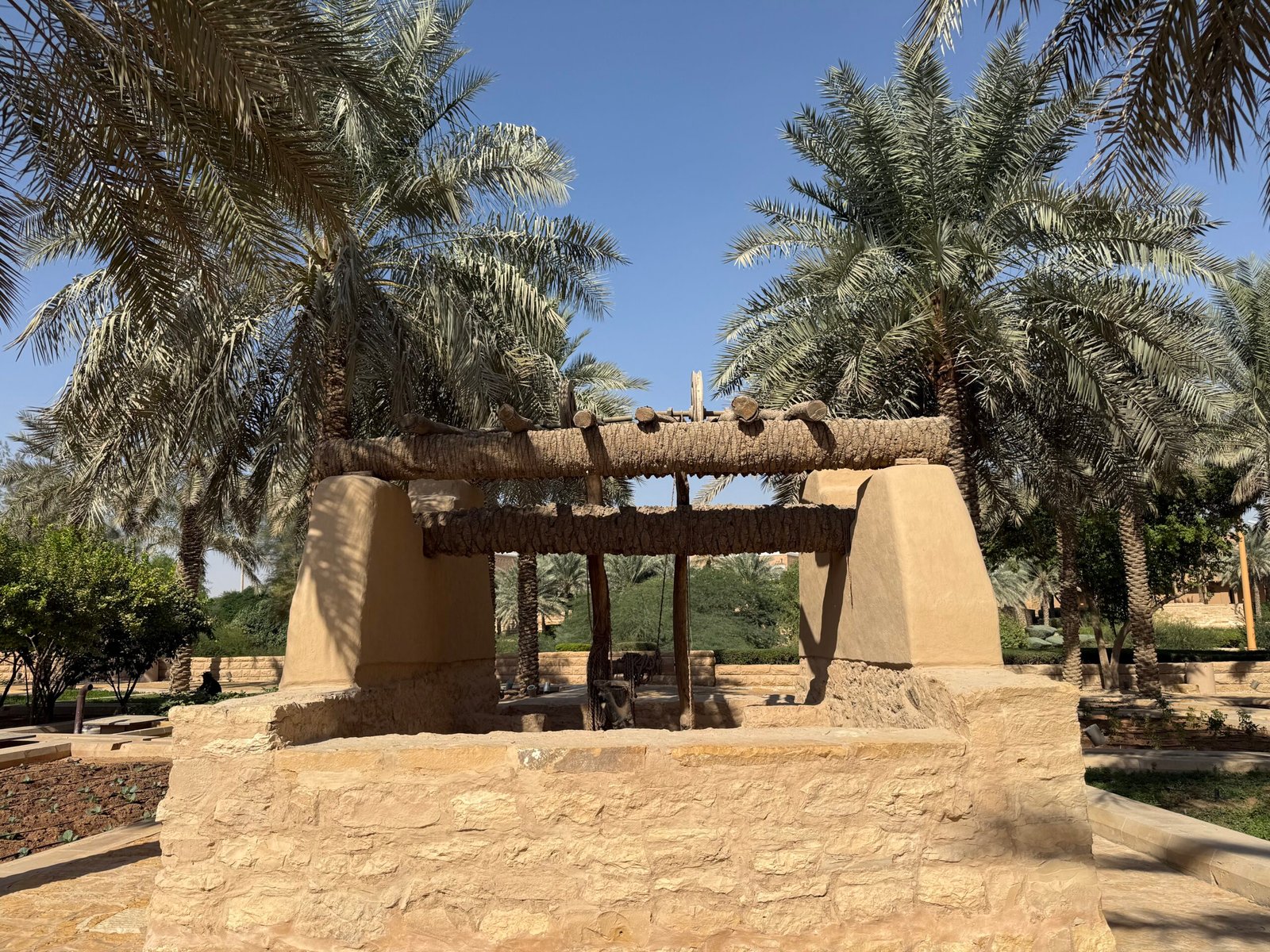
Of course, the main attraction here is, nevertheless, the At-Turaif District. Entry to this heritage site is a bit complicated, at least if you go by the rules that you find online. I suggest you simply download Webook app and see if you can reserve your entry ticket through it or not. While some people suggest that the entrance is paid, and some others write that it is paid only after certain hours, my experience was a bit different. The app never showed me any fees for any time period that I wanted to reserve at that time. I just received a reservation QR code for free, and that worked wonderfully at the entrance. I was then directed towards an area with a few old wells and a building with introductory information and some much welcome refreshments in it.
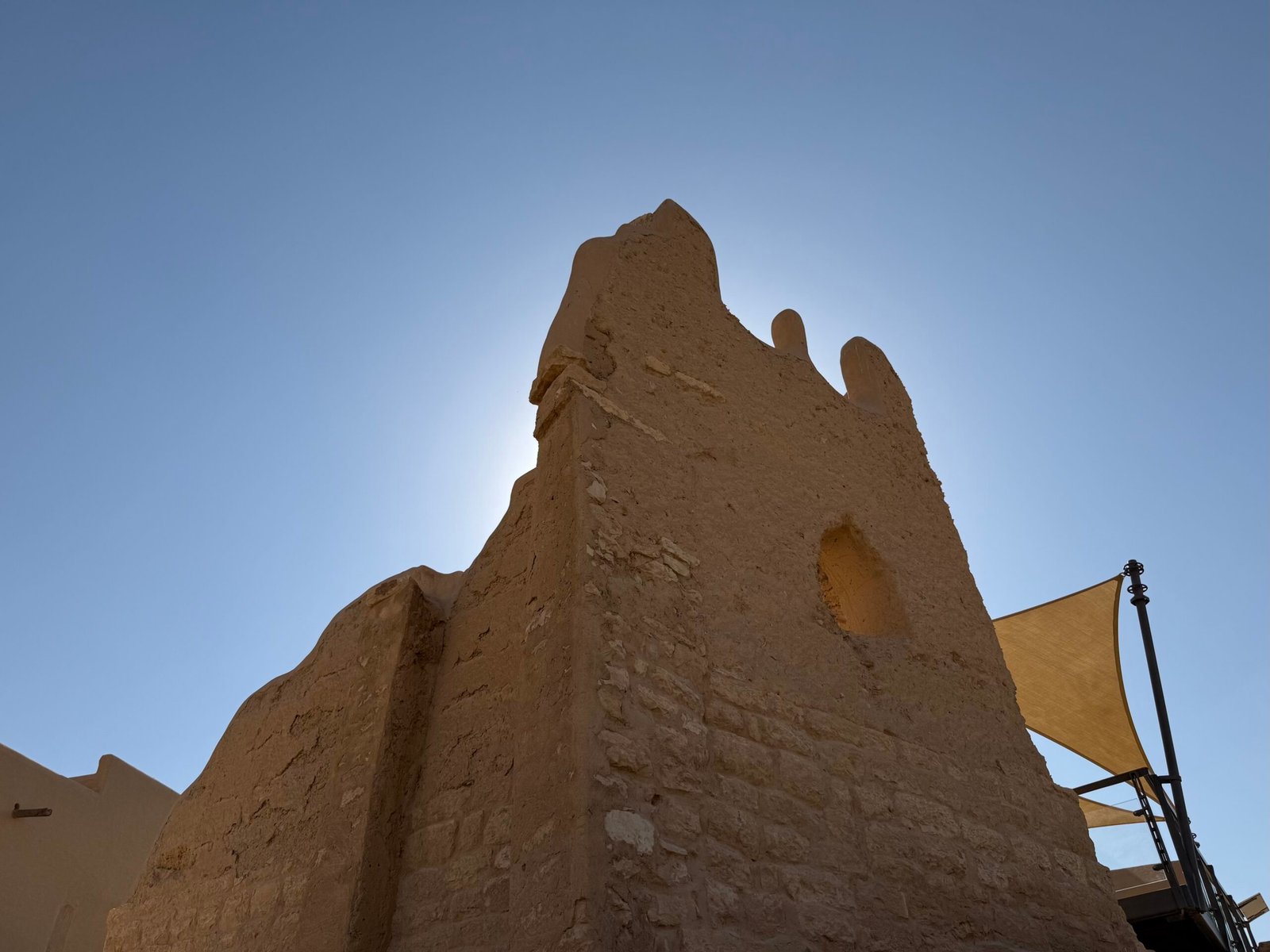
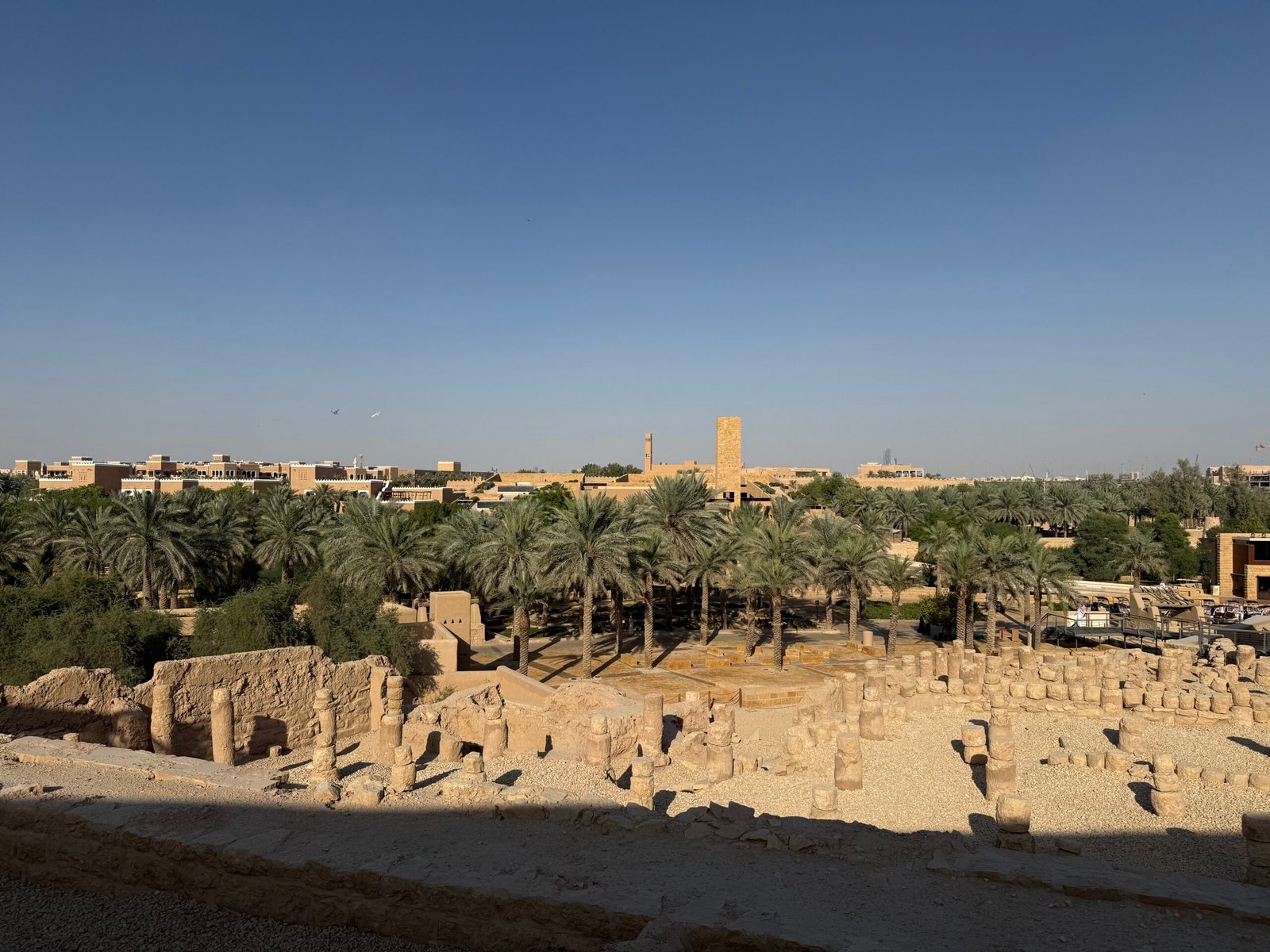
The initial parts of the heritage site focused on the renovation work itself, and how it was not meant to harm the historicity of the site. The idea was not to restore buildings to how they once looked, but to help them age more gracefully. This is why, some illustrious parts of these ruins, such as this tower, were kept in the shape that they were found. They are protected from the elements and are made stronger through certain methods that I am not familiar with as a simple historian, but they were not altered themselves significantly.
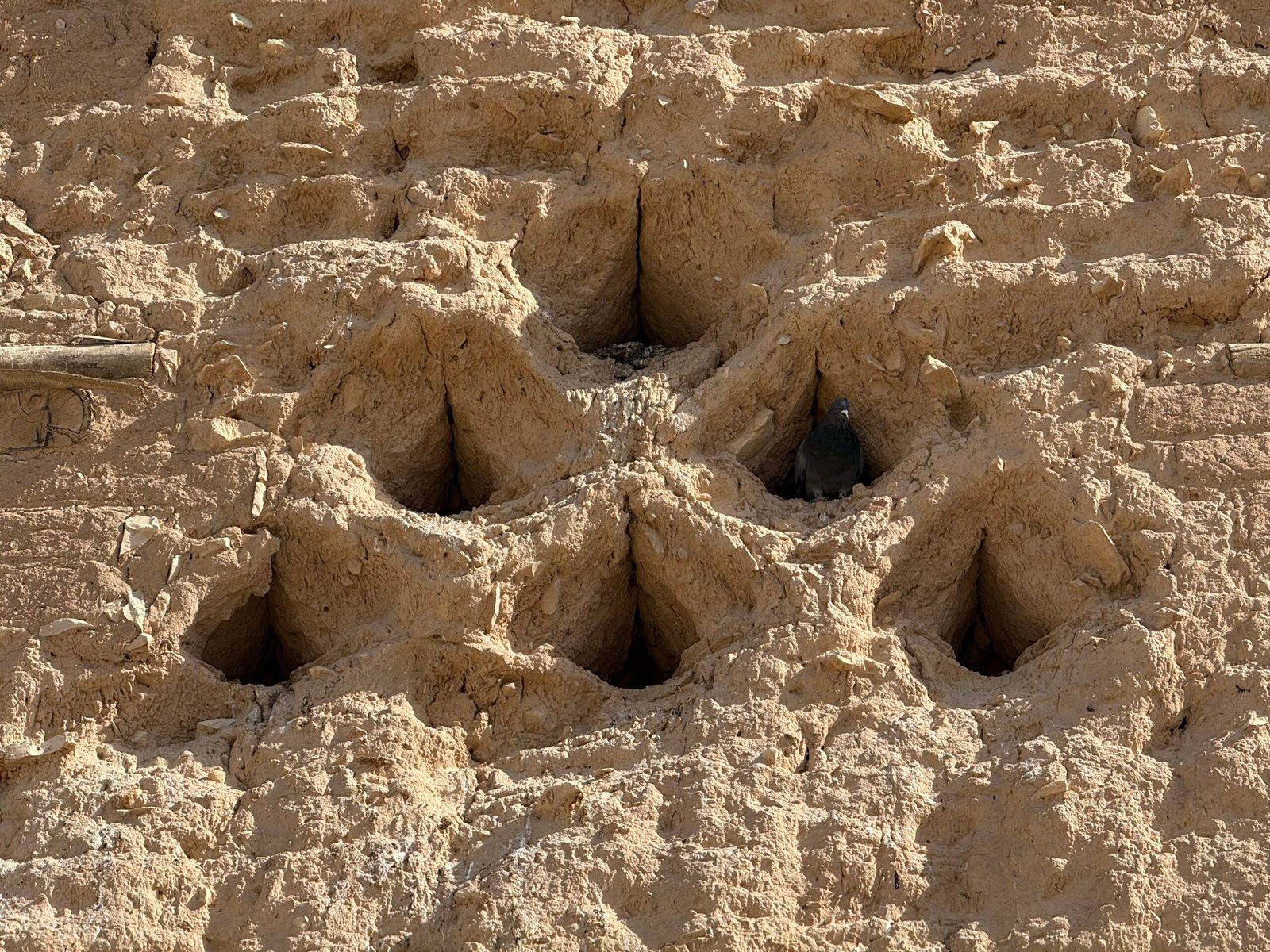
I think that this is for the best. You can still clearly make out some of the most ancient parts of the city, structures that are standing here for the last three centuries. These walls and more witnessed and survived Ottoman cannons, countless skirmishes, fires, and so on, and yet they are still around. I certainly enjoyed seeing some of them in their original states, whenever that was possible. I bet this bird that considers these walls its home thinks the same.
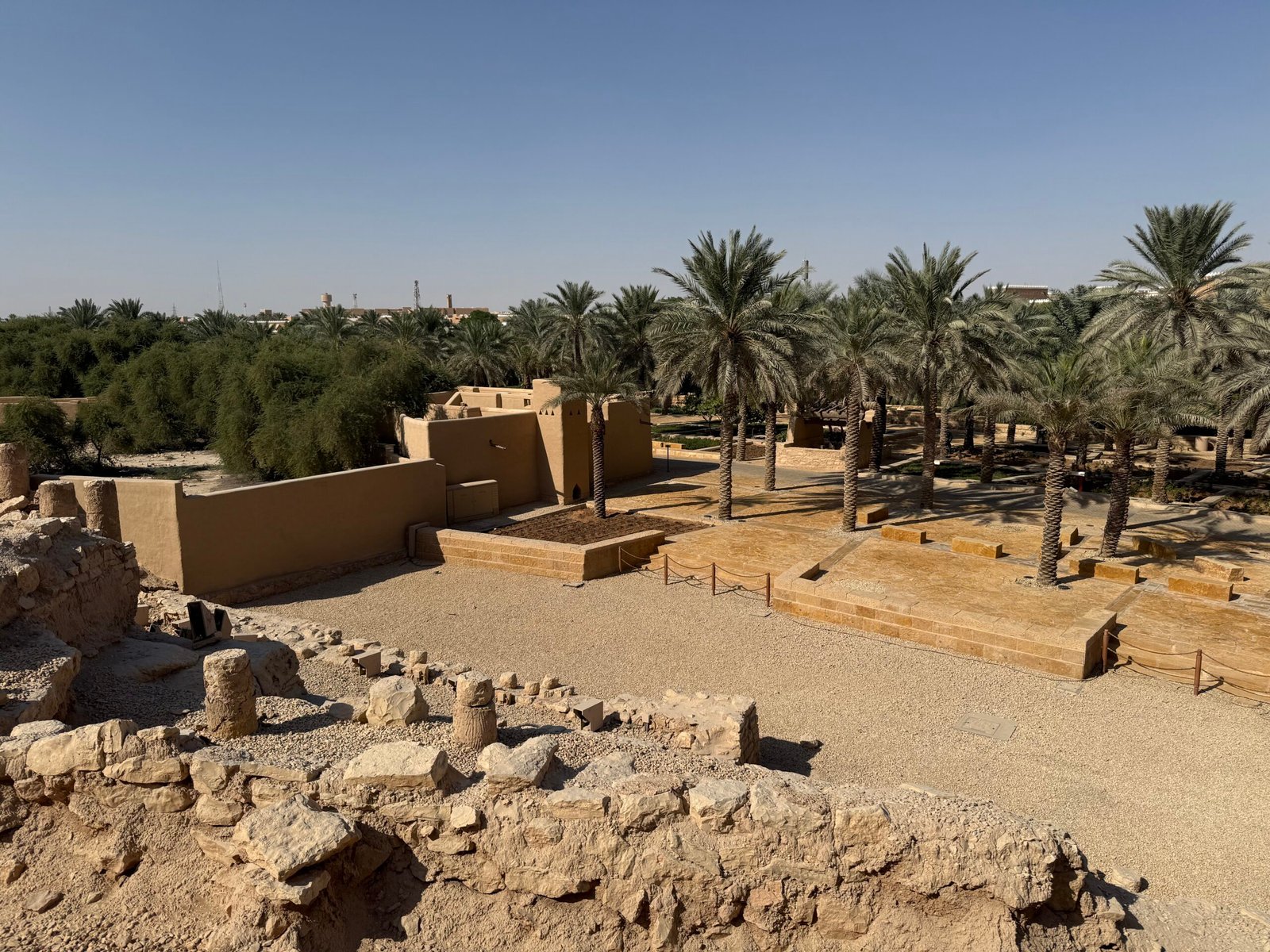
As is common in most older towns found in this part of the world, Diriyah can be described as an oasis town. More specifically, instead of an actual oasis, it is found alongside Wadi Hanifah, a valley with seasonal streams that made agriculture possible. This is why, this part of the town today is greener than the rest, at least in a more natural sense. Riyadh is home to a ton of decent parks that are kept in that state through continuous maintenance, and while Diriyah’s parks are also certainly maintained to keep their green appearance, they do look lusher and livelier, at least to my untrained eyes.
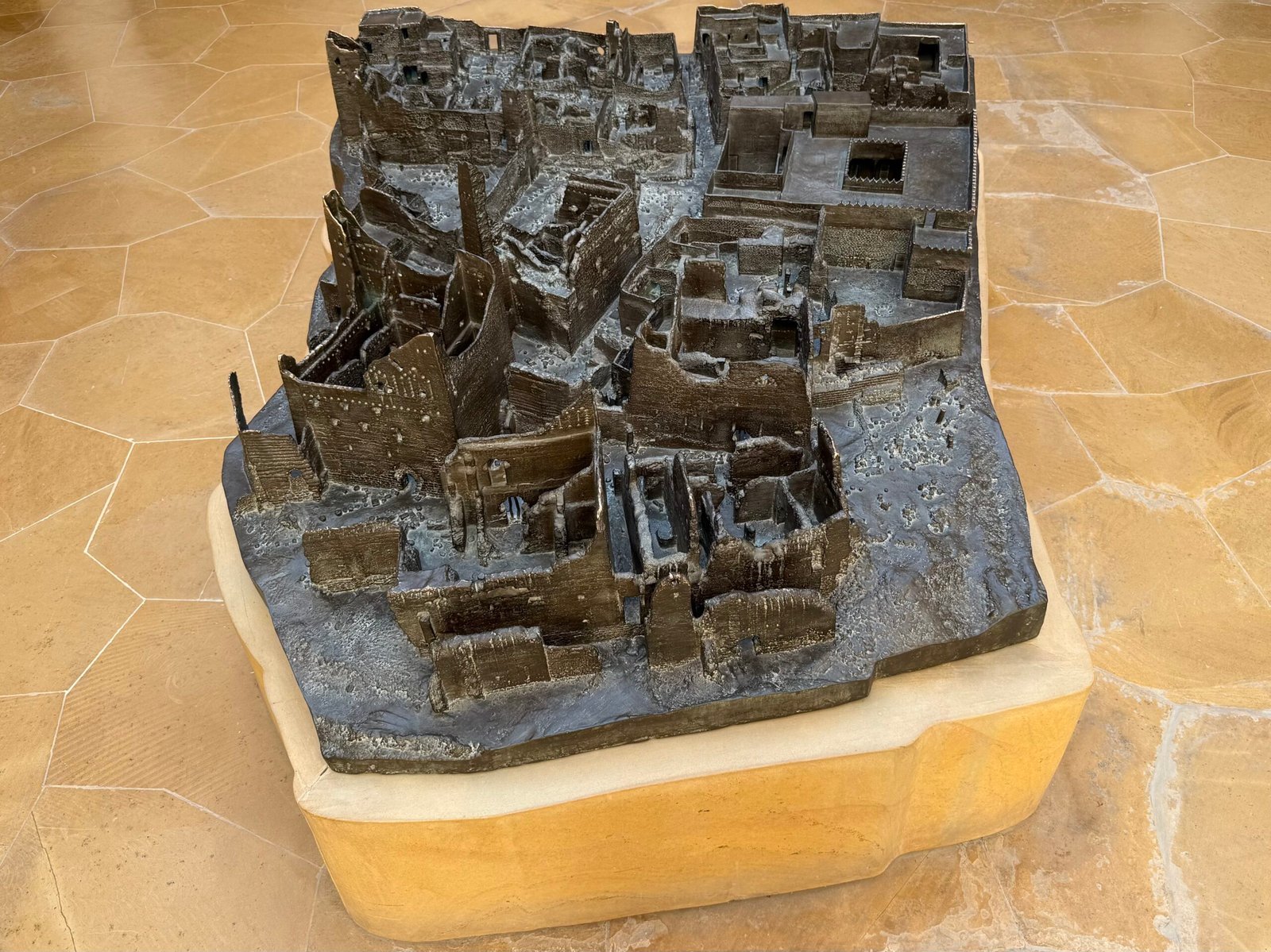
As you venture into the heritage site, you will be greeted by a ton of friendly staff members and volunteers, who will direct you to the nearest museum on your path. While this entire district is a joy to walk around in, those museums are there to help you make sense of that enjoyable walk in the best way possible. The first one you come across gives you a quick history of Wadi Hanifah and Diriyah and it includes a sculpture of the town as well as a video of a Saudi historian talking about the siege of Diriyah back in 1818, when the Ottoman forces practically razed this town.
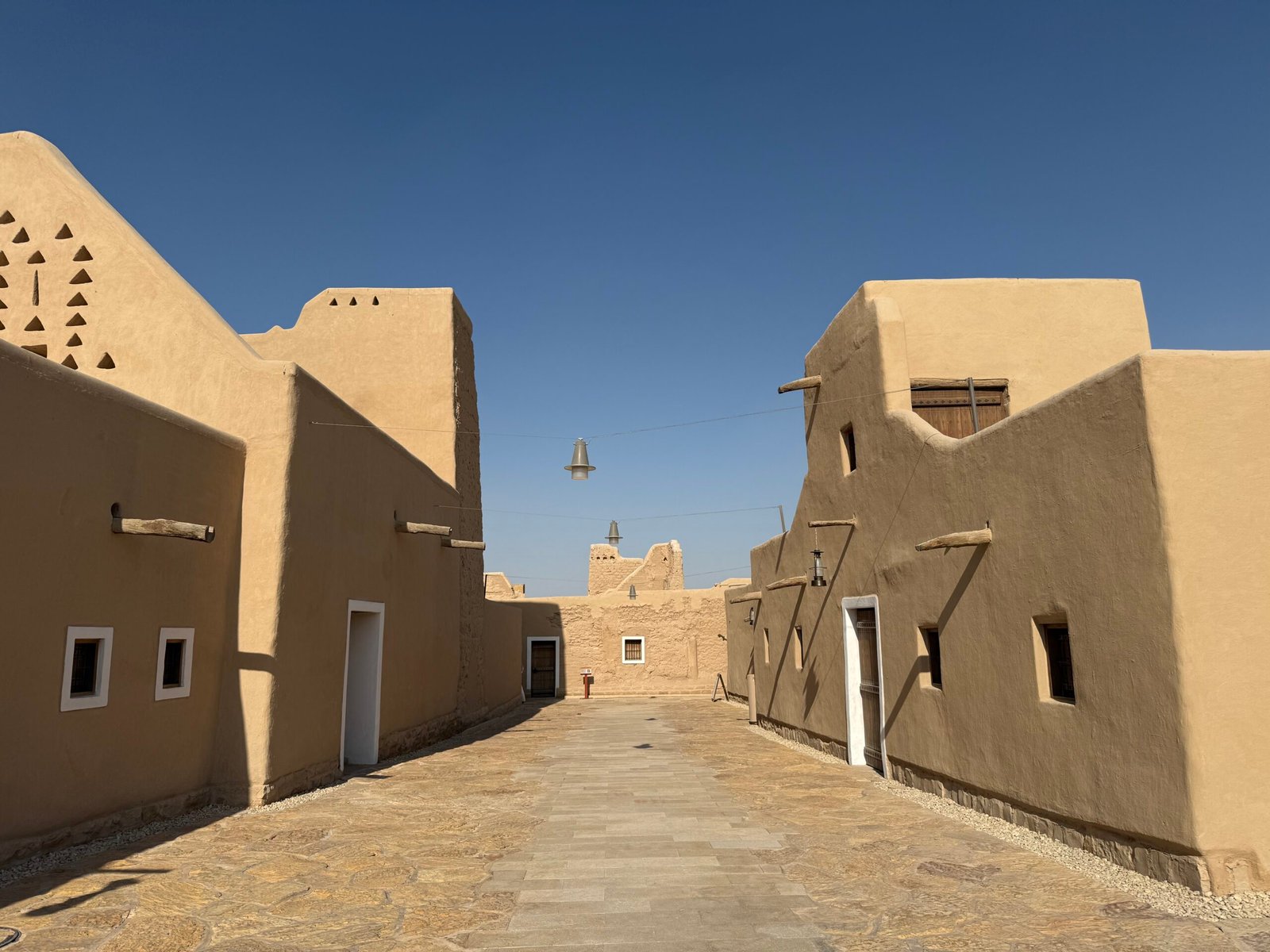
Thankfully, today, Diriyah is full of life once again. Archaeologists continuously uncover more relics from the past and renovators help keep what was excavated in top shape. There are, of course, some modern additions to this heritage site as well. There are toilets and cafes, and a few other basic infrastructure to help you enjoy the site as comfortably as possible. It is also purposefully made more accessible so that anyone can visit it with ease.
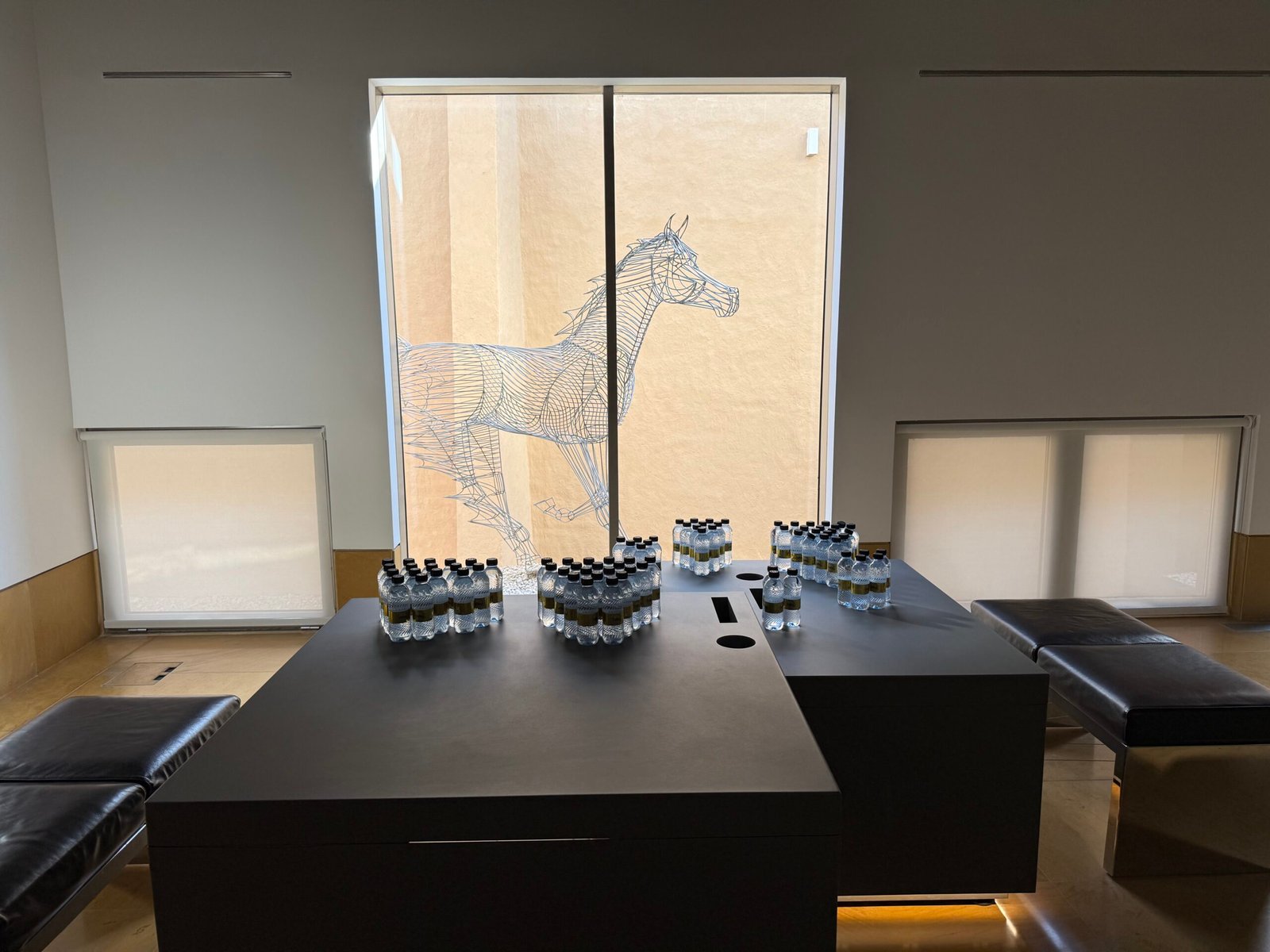
Apparently, not only can one visit this heritage site for free, but also the Saudis offer their guests a ton of water to keep them hydrated in their journey. As someone who is accustomed to pay for museums and then pay an often absurd amount for the most basic drinks in them in most countries that I visited so far, this was a level of hospitality that I will not forget anytime soon. I did end up drinking an entire bottle of water in each museum I stopped in, it was an extremely hot day after all.
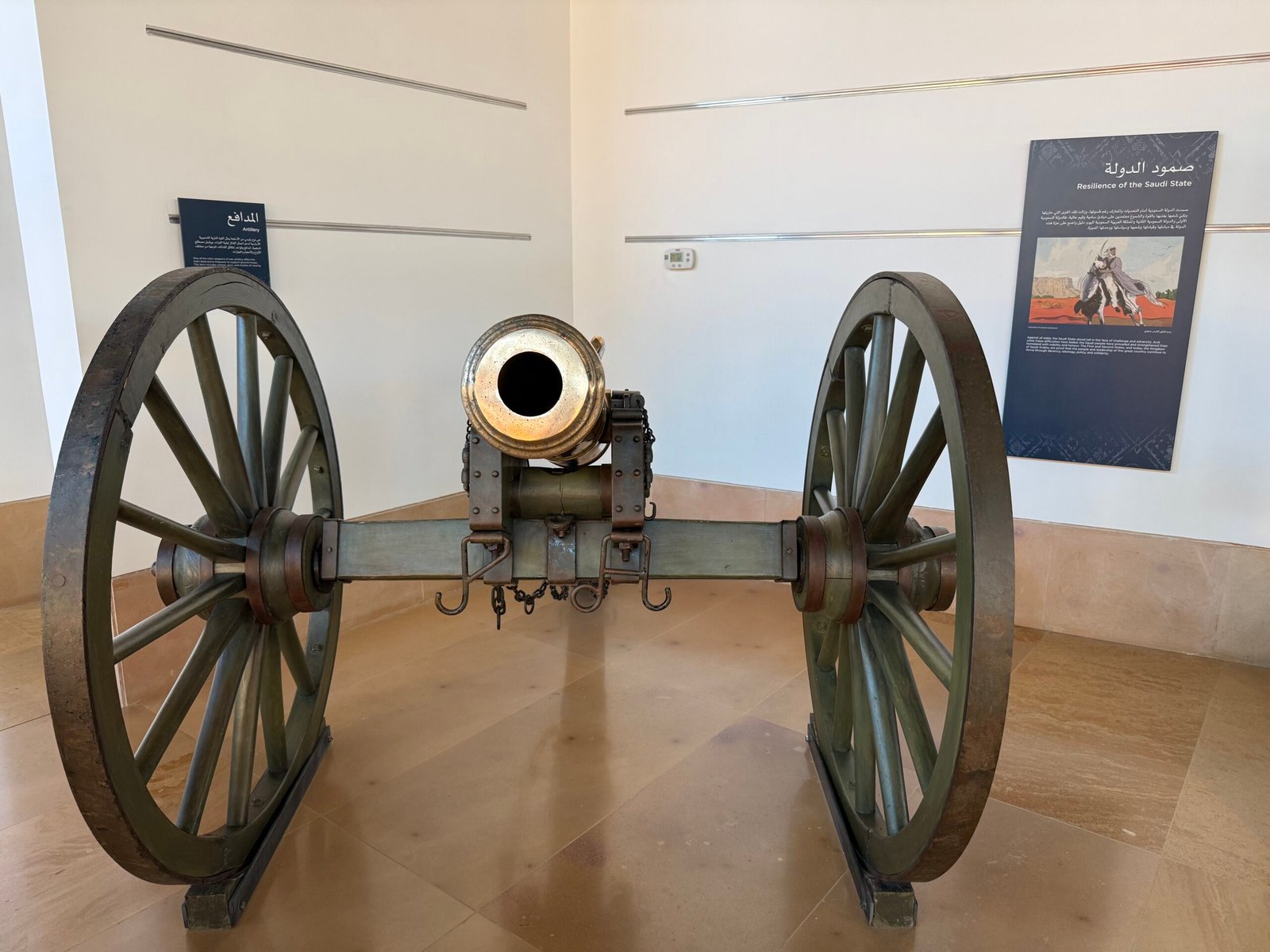
While the second museum I ran into was about Arabian horses, and did not necessarily pique my interest, I was completely hooked when I came across the local military museum. This small exhibition actually highlighted many details regarding the Ottoman campaign in Arabia, while showcasing authentic items that were used back then by both warring parties.
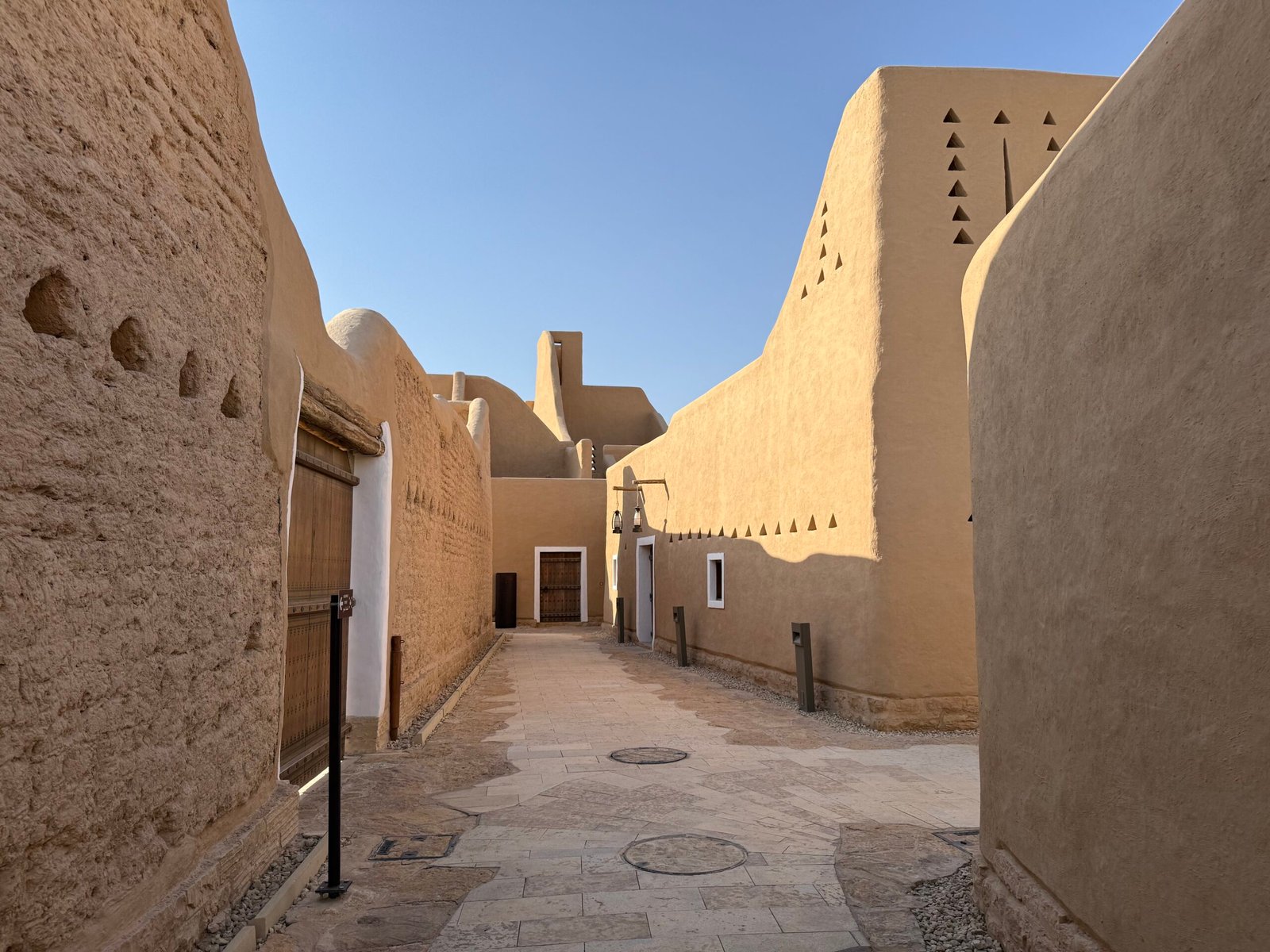
After thoroughly enjoying that museum but then realizing that the sun was about to set, I decided to rush in the remainder of my visit. You see, a so-called Sports Boulevard connects Diriyah to some of the most exciting zones of Riyadh Season, and I wanted to enjoy that pedestrian boulevard fully and even visit the Boulevard City on my way to wrap up my day. To do so, I had to leave Diriyah by 5 pm, but I was nevertheless dedicated to see all that it had to offer by that time.
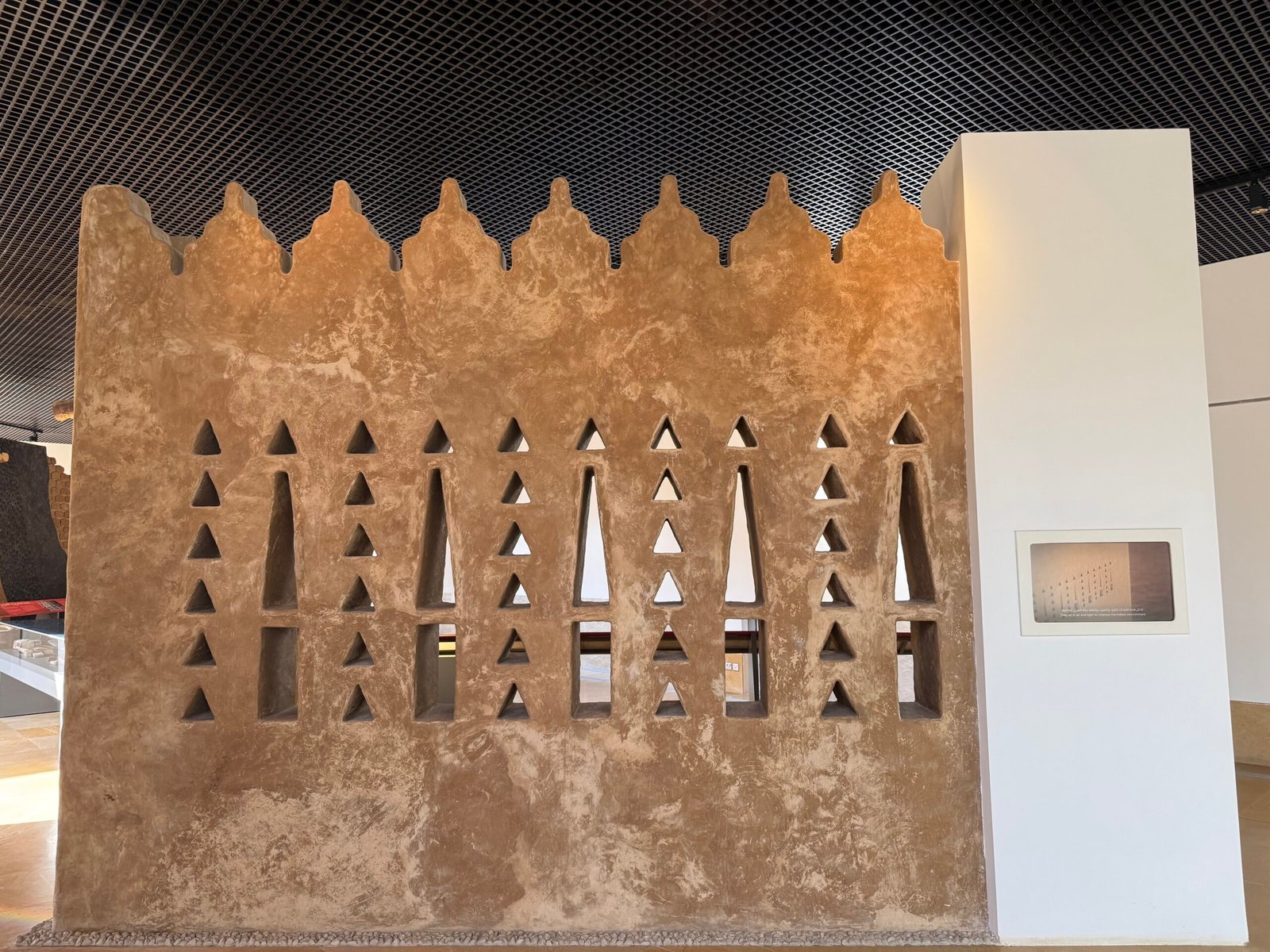
Thankfully, I was running out of museums to visit at this point as well. The one on everyday life in old Diriyah was, unfortunately, closed at the time, likely due to some ongoing renovations. The museum on local architecture, however, was certainly open. It informed me on how air ventilation and climate control worked in these old Saudi houses, and there was even a section on different building materials and their roles in classical Arab architecture.
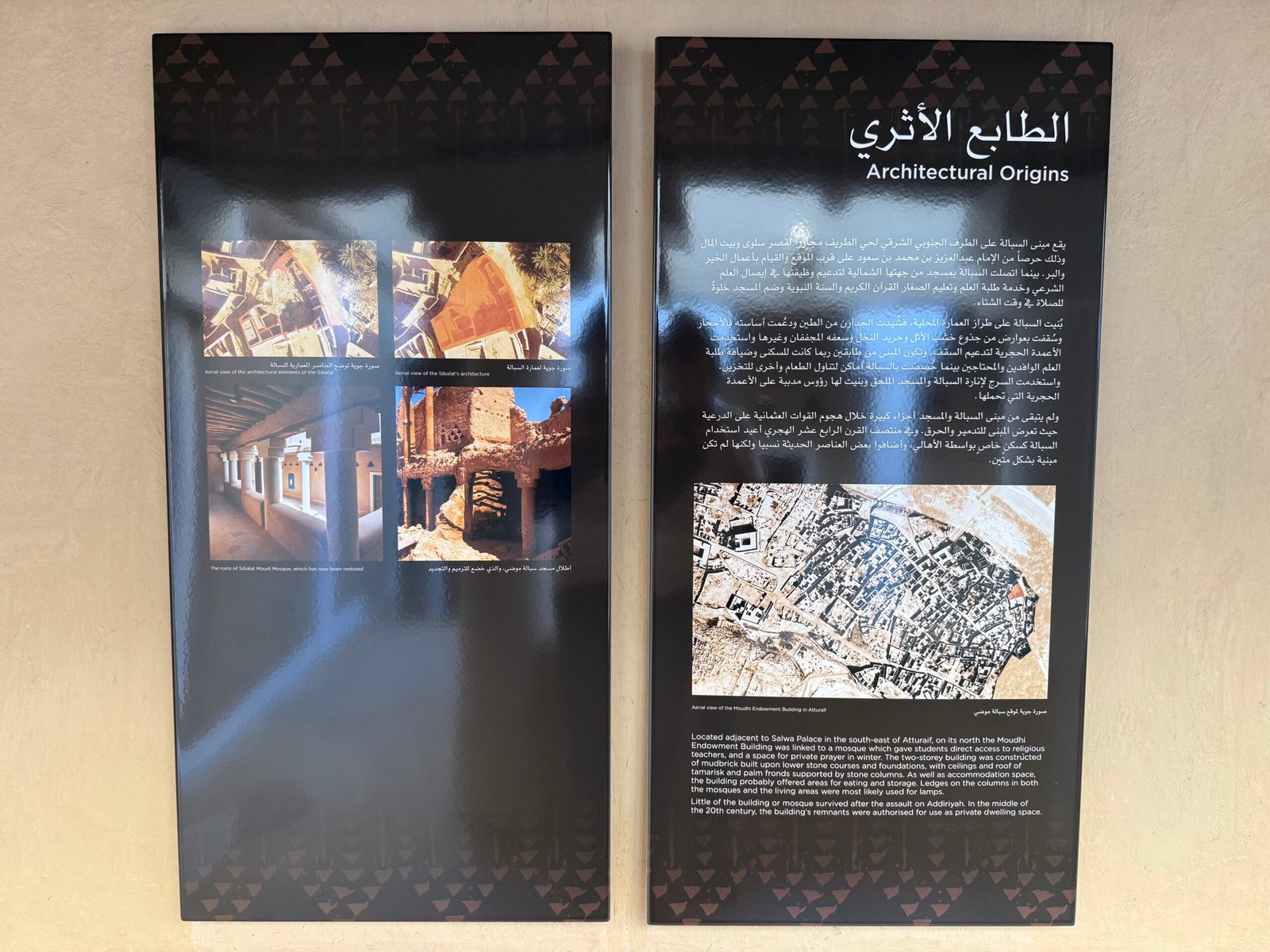
I should also note that practically any piece of writing you can find in this heritage site is fully and properly translated to English. It really is a joy to visit this place, with the freely provided water, frequent museum stops that shelter you from the sun, and well written and translated information provided to all for free. It is simply a properly executed project.
Plenty of staff members told me that if I liked At-Turaif District now, I would love it at nighttime. I understood where they were coming from. The entire place was clearly organized with long night walks in mind, and people were flooding into the site just as I was trying to leave it. I suppose, if you want to make the most of your visit to At-Turaif District, and turn your visit into something even more magical, you should go there at night. You may even run into some shows and concerts and enjoy dining in one of the many fancy eateries in this part of the town. For aforementioned reasons, I had to take my leave before the sun set down.
I will not forget my trip to Diriyah any time soon. This place oozes with historicity, and the hospitality of the Saudi locals, while already superb across the Kingdom, reached its apex in their oldest capital city. I should also add that many construction sites were buzzing with activity across this part of the town even after sunset, as I walked by them on my way back to Riyadh proper. This is to say, while I already enjoyed my visit to At-Turaif District, it seems like this historic district will become just one (crucial) part of a massive entertainment complex that could please people with different interests even better in the near future. I sure hope that I can be back to see the final product in all its glory someday soon.