
At some point during my travels, I decided to stop spending all that much time (and money) to check out what local museums has to offer in every single city that I visit. Statistically speaking, vast majority of these institutions did not deliver on their promises, as many are mere cash grabs that offer little to no value when it comes to cultural enrichment and many others even fail at being somewhat entertaining. Nevertheless, I still make an exception for free (or cheap) museums that are already on my way, and Medina happened to have enough of these to write an article such as this. Without further ado, let us start with the best one!
Alamoudi Museum
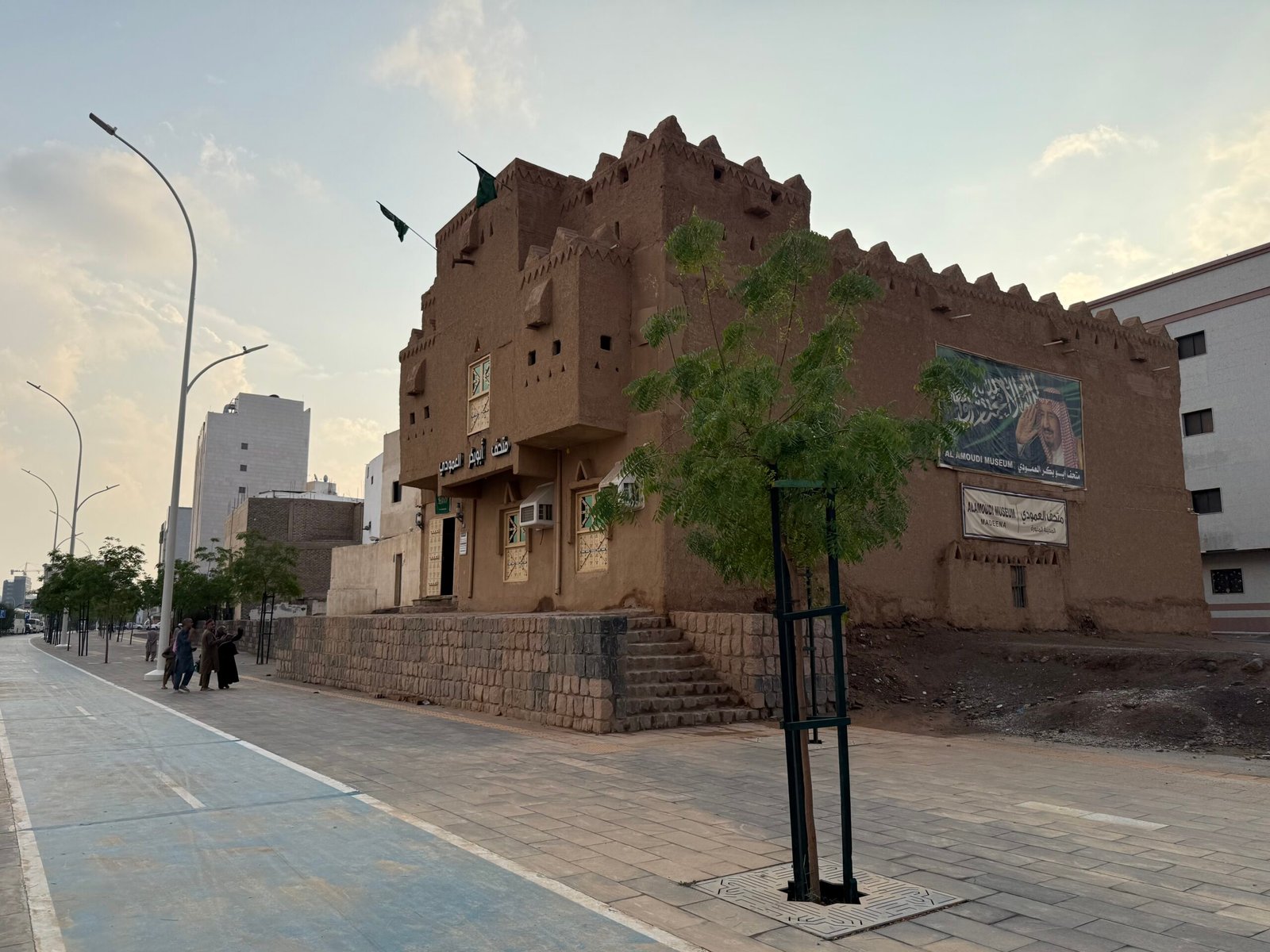
If you are ever in Medina, make sure to visit Alamoudi Museum. For only 3 SAR, you will be taken on a guided tour that is unlike anything I have experienced so far.
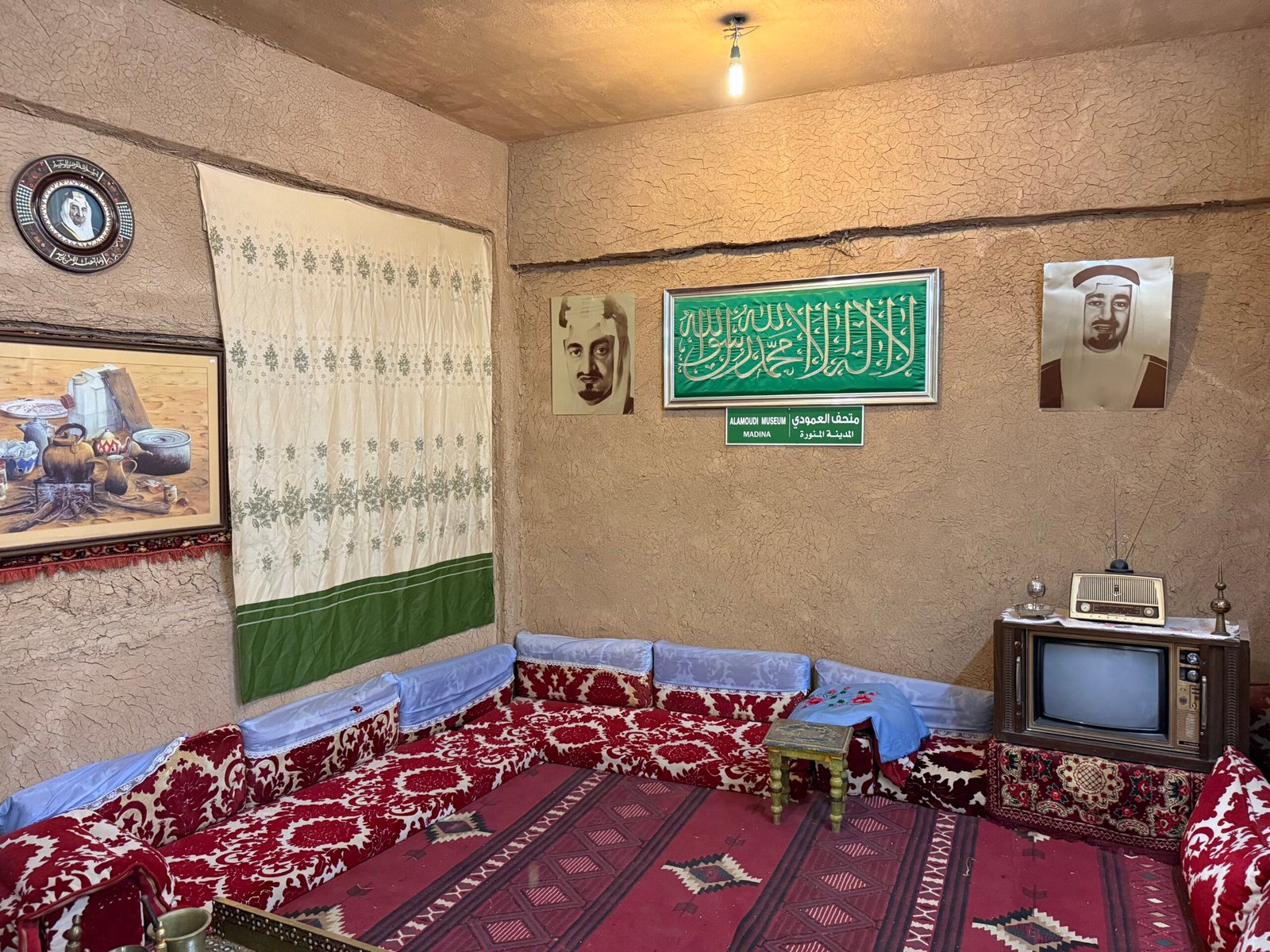
On the surface, Alamoudi Museum is nothing special. It is meant to be a local history museum with a focus on how Saudis lived in 20th century, before the riches from the oil industry changed the local way of life forever.
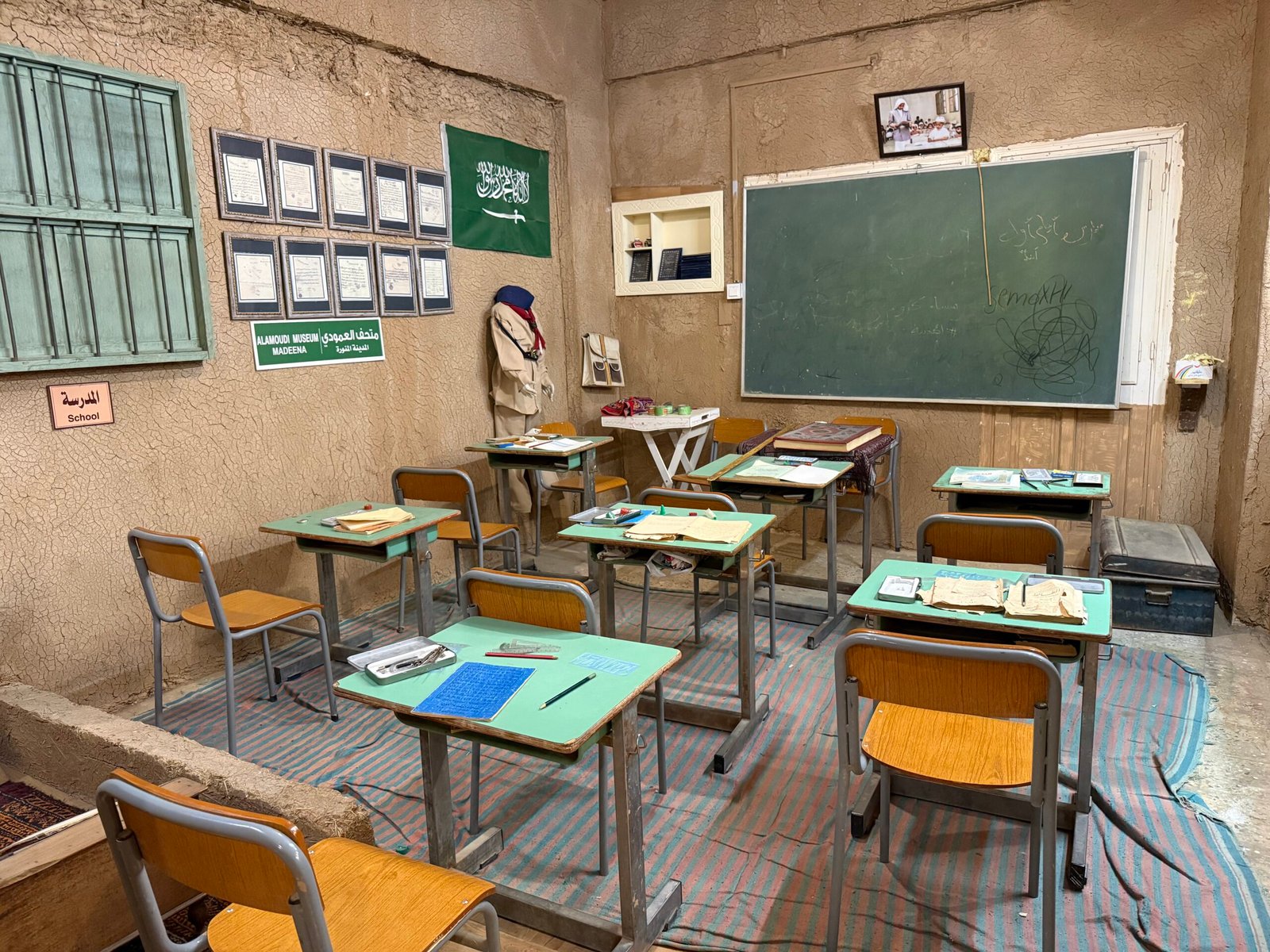
The museum has three floors, each is filled to the brim with memorabilia from different periods and parts of the Kingdom, with each scene you see being described in detail by an overly enthusiastic guide.
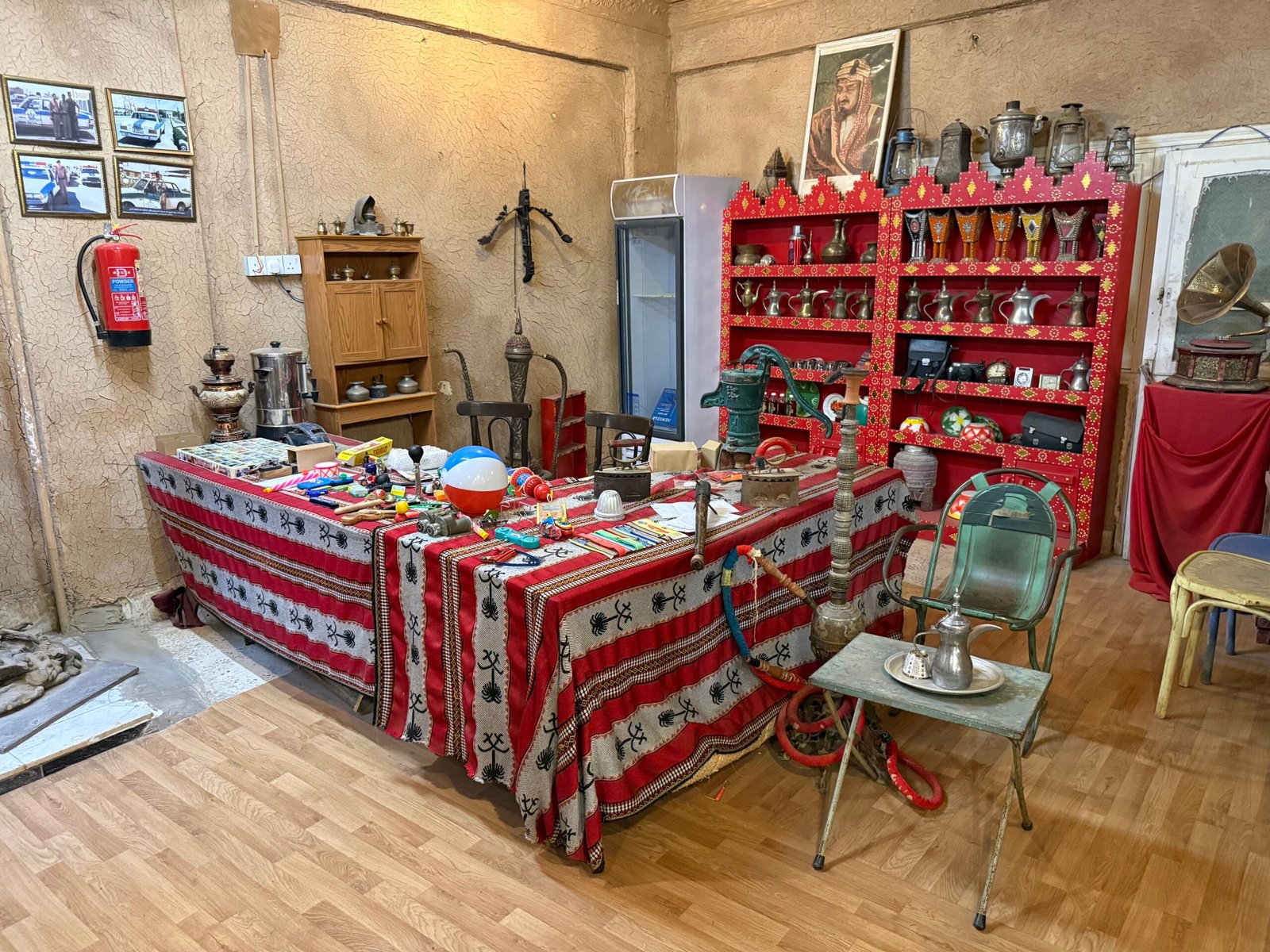
And while the exhibitions themselves are all quite interesting on their own rights, it is that guide that makes a visit to this museum something truly special. This gentleman does not only act as a guide, but also as your personal photographer throughout this journey. He painstakingly dons you in classical Saudi clothing, gives you props like swords and guns, and takes multiple photographs of you, until you like one. This was no special treatment either, as the guide at the time treated all the different visitors that I saw in the same manner. In short, I visited this fine museum just to be able to see how Saudis lived a few decades ago, and I left it with a ton of interesting photographs of myself after experiencing the best of Saudi hospitality.
Prophet’s Mosque Building Exhibition
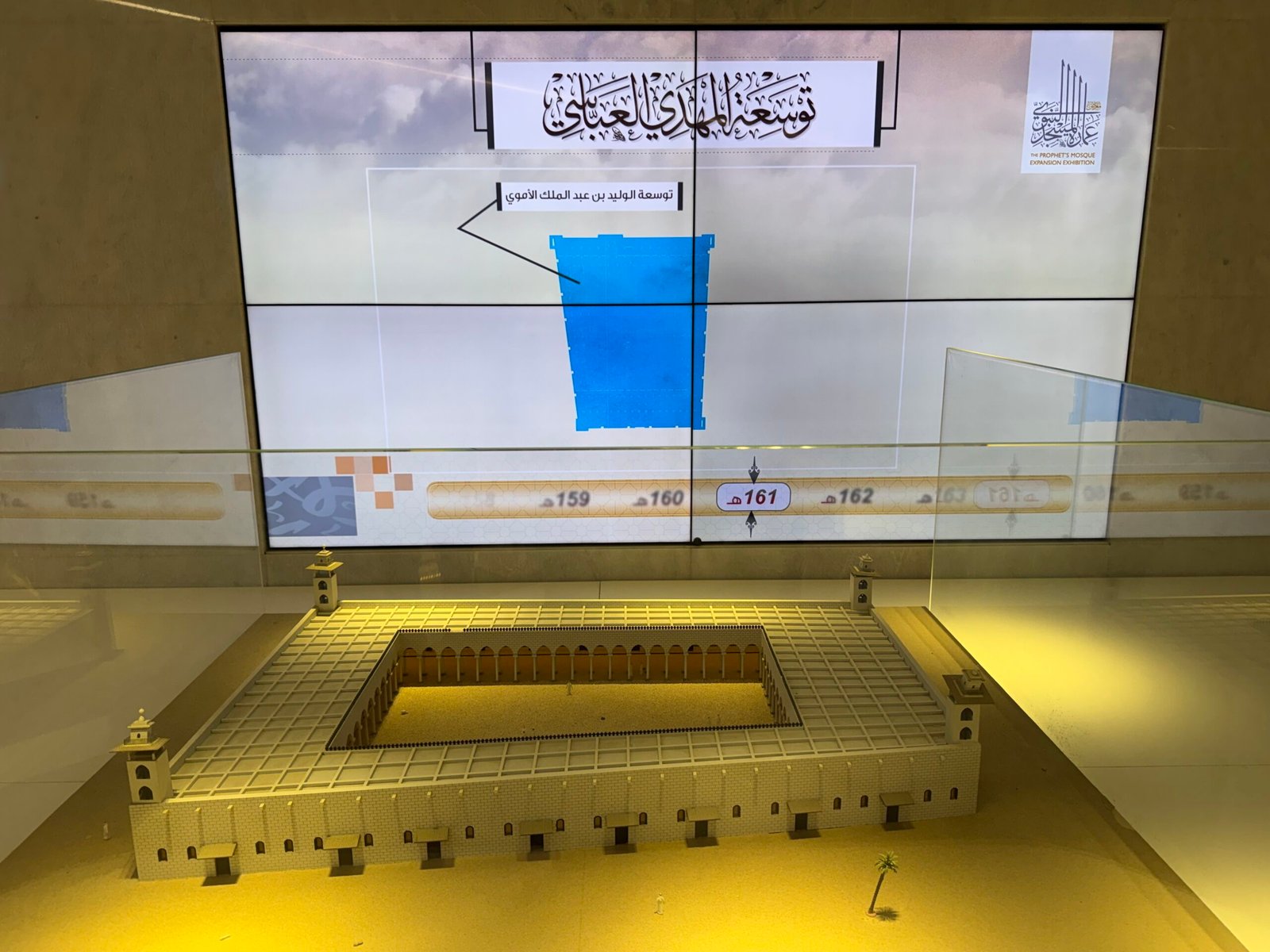
Unfortunately, not all museums in Medina are as unforgettable as Alamoudi Museum. But that is only natural as that is too high of a standard. Rest of Medina’s museums are freebies that do exactly what they are meant to do, which is often communicated clearly with their descriptive names.
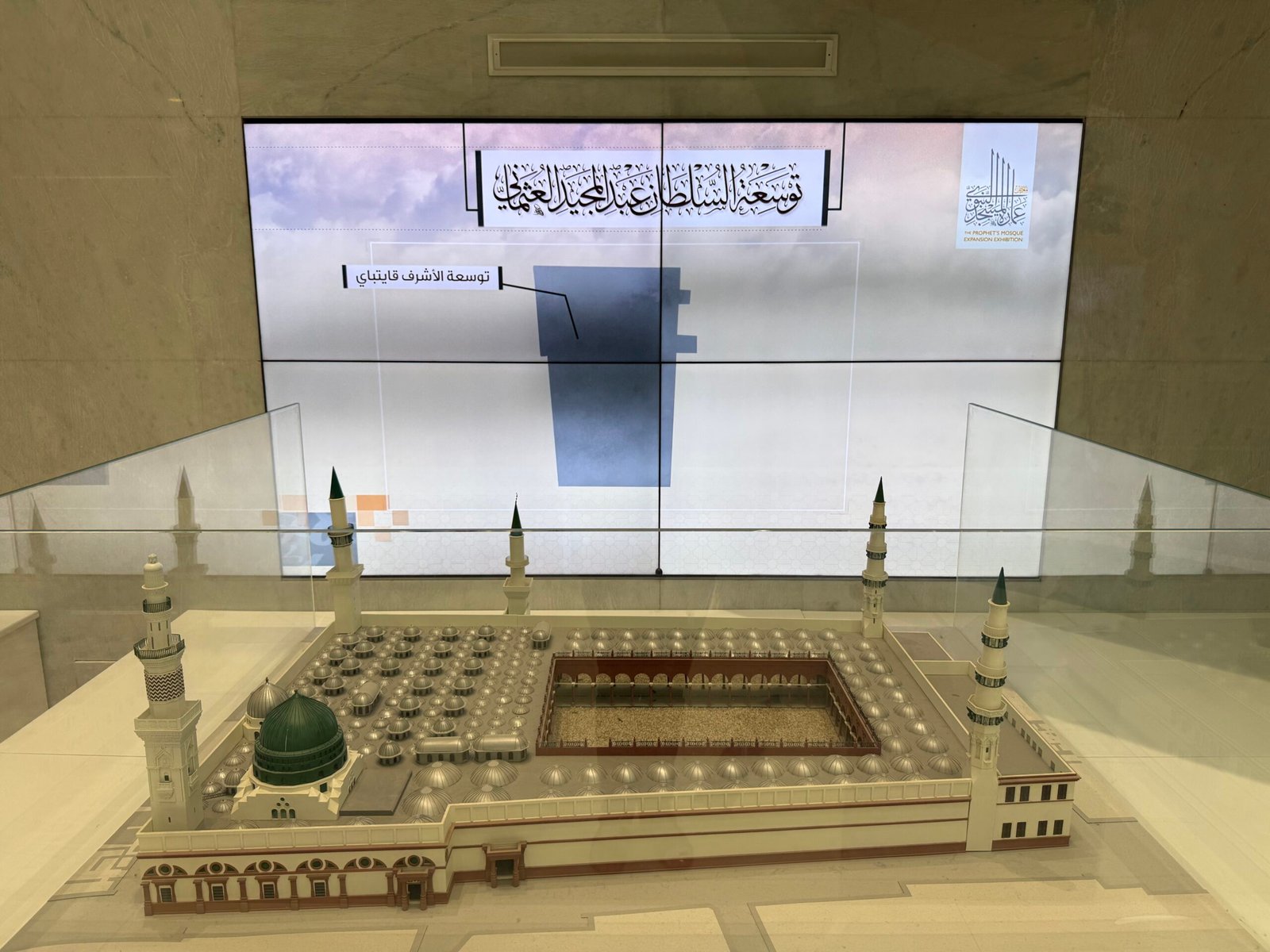
For example, Prophet’s Mosque Building Exhibition is an exhibition on the evolution of the Prophet’s Mosque over centuries. Shocker, I know. Here, you can learn the history of the development of the second biggest mosque in the world, which also happens to house the burial chamber of Prophet Muhammad.
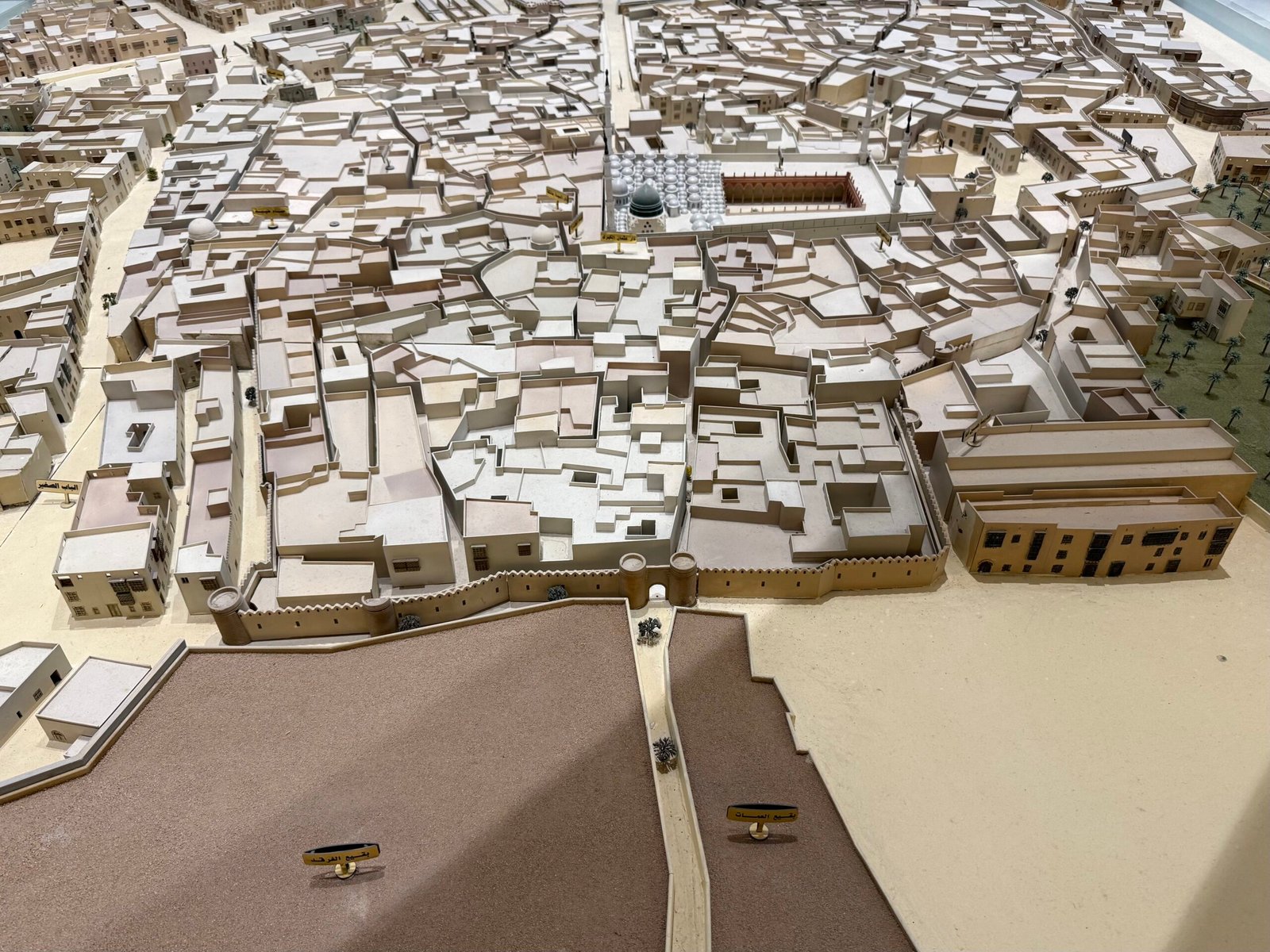
Most of this mosque’s development phases are described in great detail in videos, but you can also see them exhibited with rather detailed models such as this one. If you enjoy miniatures like these, such lovely exhibits alone may be reason enough for you to give this museum a go. It should be on your path as you wander around Medina anyways.
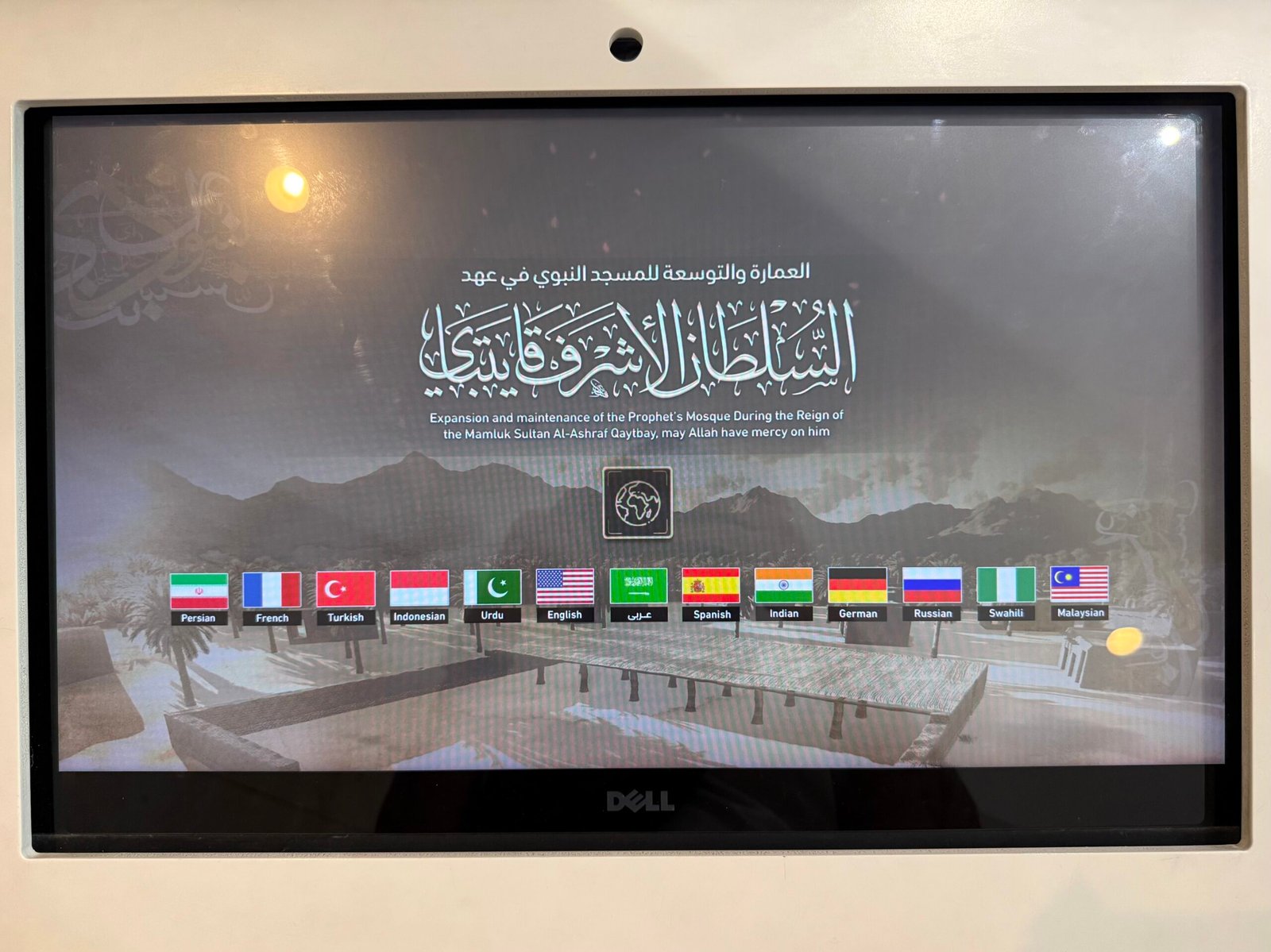
I should also note that in most of these museums, at least the ones that are geared towards pilgrims, one can find explanations in many languages, much more than the usual two or three tongues that one can find in an ordinary museum elsewhere. This is simply because Muslims from hundreds of different countries flock to Medina quite frequently, and as such, there is enough demand to translate as much material as possible for the often older foreign visitors who cannot speak any other languages beyond their mother tongue.
Rare Manuscripts Museum
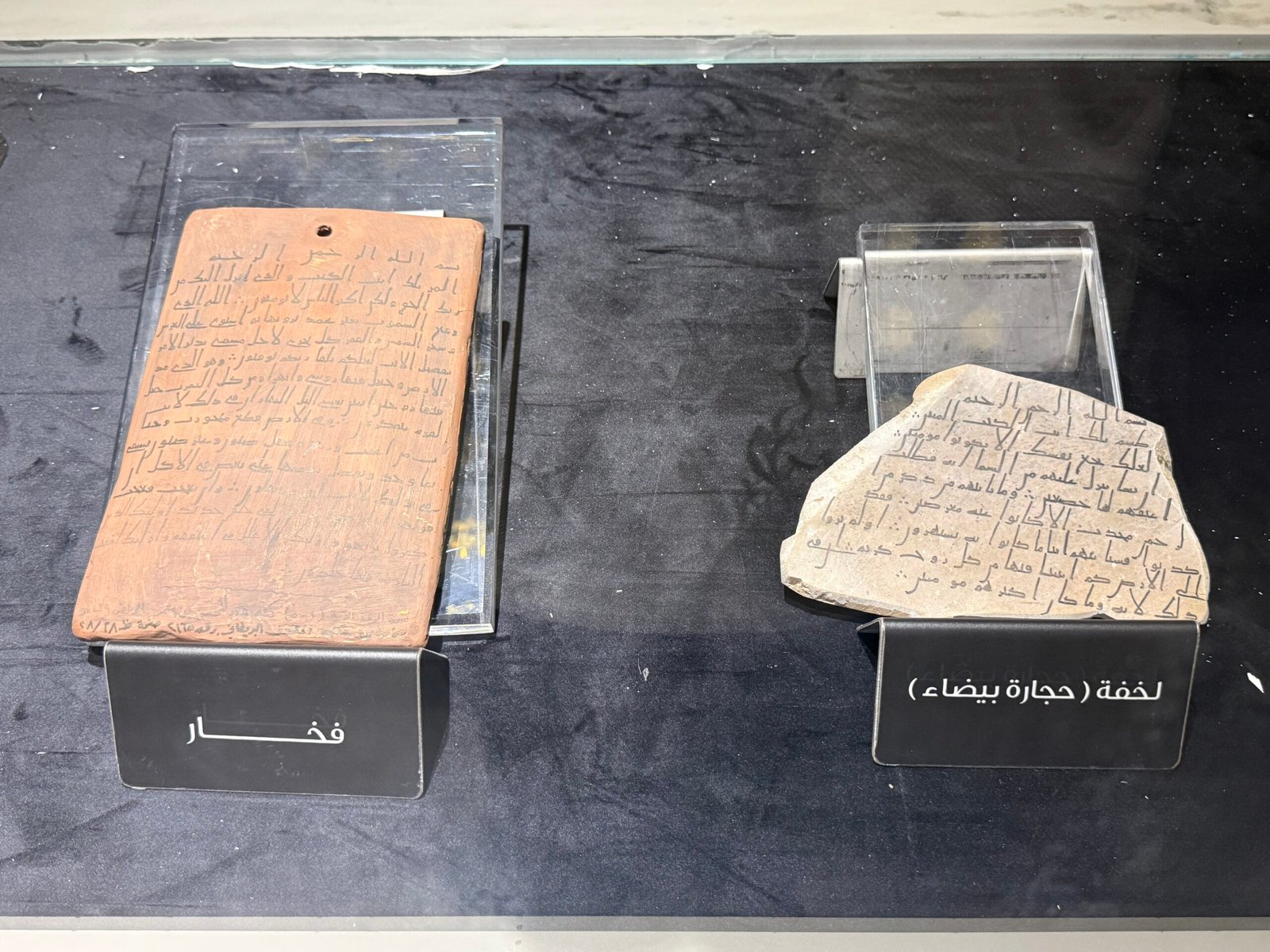
Once again, this is a very honest museum that does what it is supposed to do, and that is showcasing rare manuscripts of Quran to its not so many visitors. This particular exhibition is found in a sub-level that you can access via an elevator from the courtyard of the Prophet’s Mosque in Medina, and while it is not difficult to find per se, I did not see many others attempting to see it when I was there, leading me to believe that just because it is away from the eyes, it is seldom found in itineraries.
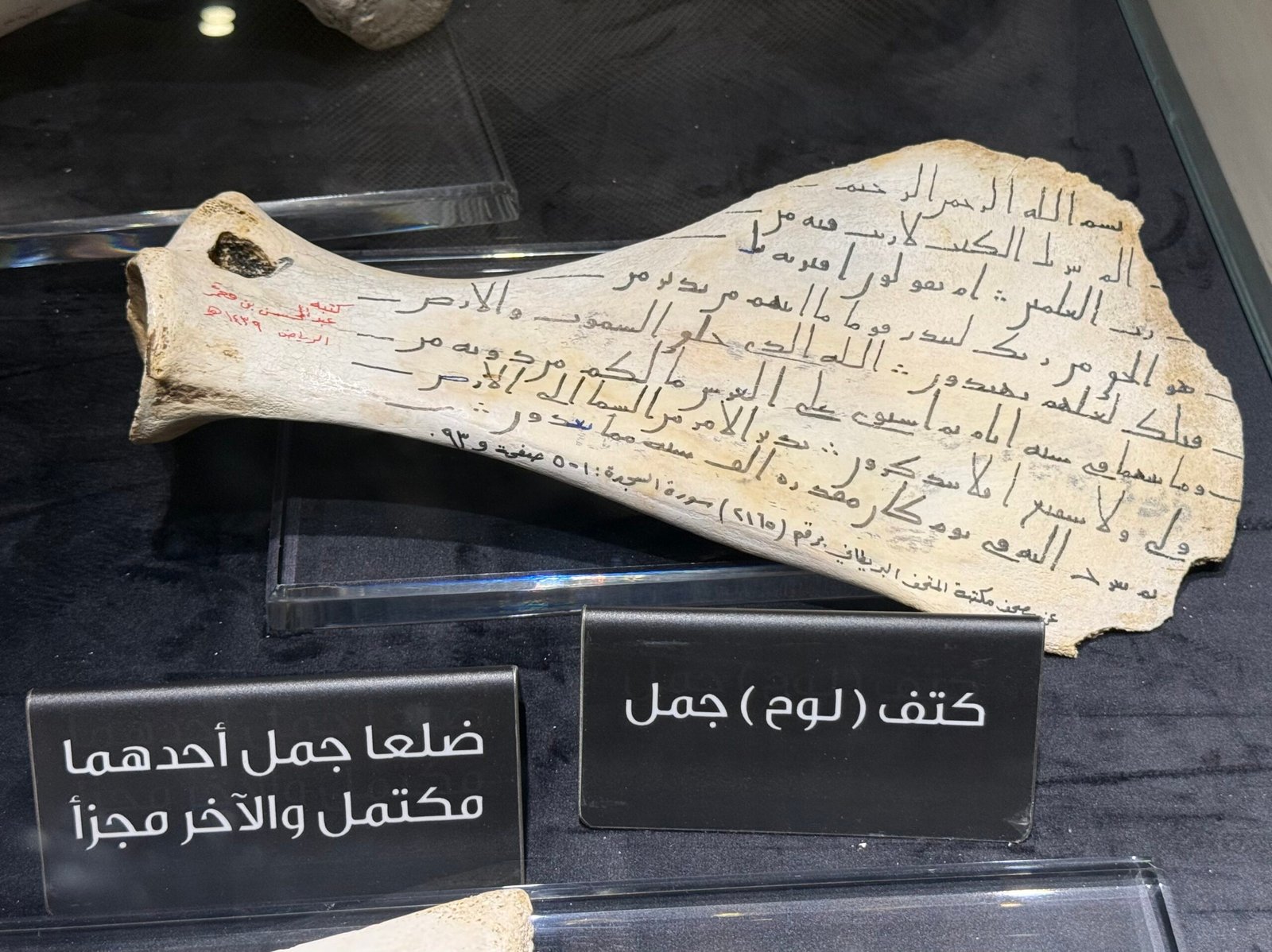
However, it should be on your itineraries. This is an exceptional museum as far as free museums without much English translations go in Saudi Arabia. You can see all sorts of unique mediums on which parts of the Quran were written during the earlier periods of Islam. Seeing entire sections of it inscribed on unique mediums such as these bones or rocks sure was a novel experience.
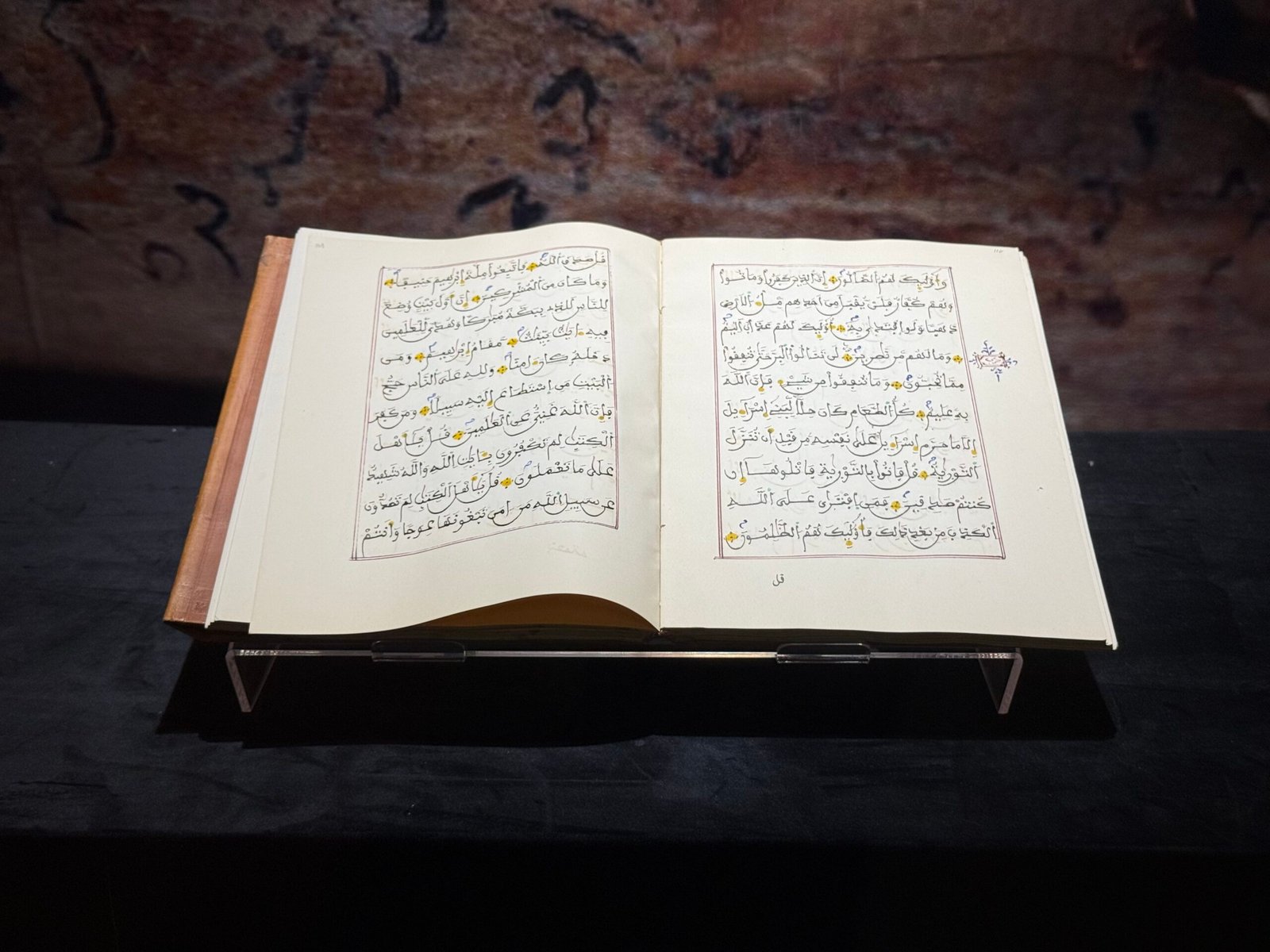
Of course, not all manuscripts here were as exciting as the ones etched on bones, but that is to be expected. In these two small rooms, you can also find a number of deceivingly straight forward Qurans, though most of these have certain elements that make them quite unique as well. Unfortunately, the multilingual support common in some of the bigger exhibitions is yet to make its way down to the Rare Manuscripts Museum, so I cannot tell you what makes each of these manuscripts special. However, in due time, I am sure this exhibition will see some much-deserved love as well.
Hejaz Railway Museum
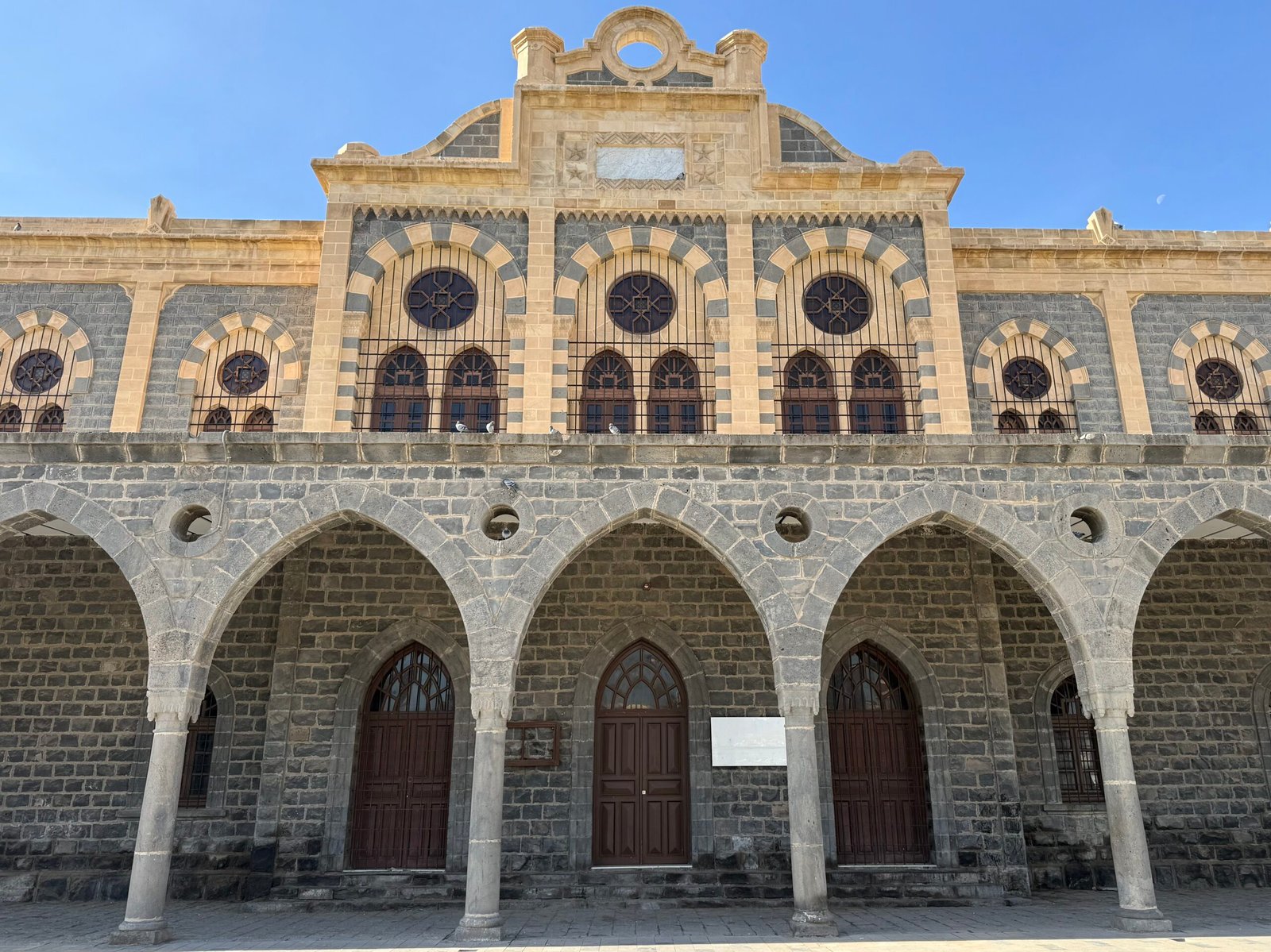
After all, the local authorities are already hard at work making sure that Medina has more to offer to its visitors, especially when it comes to its cultural establishments. For example, during my visit to the city, one of Medina’s most important museums, Hejaz Railway Museum, which acted as the city’s history museum as far as I know, was undergoing renovations. This used to be the terminus of an Ottoman railway that was originally intended to go all the way to Mecca, alas, the WWI and the consequent collapse of the Empire had other ideas about that. You can see the building itself in this photograph, but its interior and rather huge backyard were both inaccessible at the time, as it is getting ready to become an even worthier museum for Medina.
Medina Arts Center
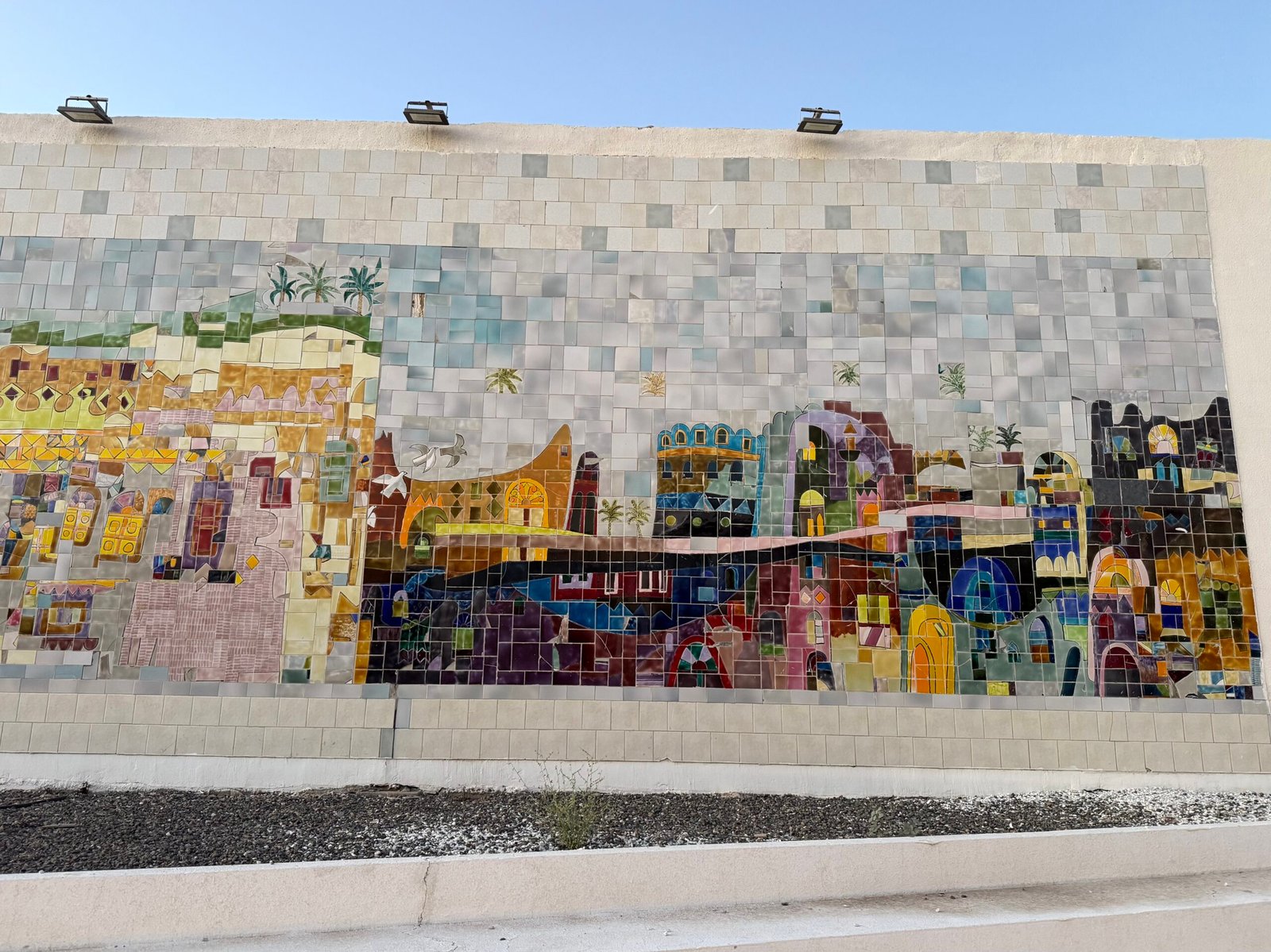
Last but not least, I should share a rather crucial piece of information that could be useful when it comes to visiting just about anywhere in the Kingdom of Saudi Arabia. Please try and plan your visits to Saudi museums carefully, most crucially by arriving at hours that are far away from prayer times. If you forget this basic fact as I did in my last day in Medina, you may go all the way to Medina Arts Center just to see its doors closed. Some fine gentlemen on the courtyard told me that people were now off for the evening prayer, and that they will be back “at some point.” That “some point” could come in just a few minutes, though it could have been a bit longer than that as well. If you are short on time, these minutes may feel like an eternity, so much so that you may have to abort your mission and skip seeing a museum on your itinerary. As far as I could see, there was an interesting exhibition on local photography in Medina Arts Center at the time, but I had to leave the premises after taking a photograph of a nearby art installation instead. This provided me with an opportunity to warn you about this simple fact of life in Saudi Arabia, alas, I wish I could have timed my visit better and wrote about that exhibition here instead.