
Mecca would not be Mecca without Kaaba, the holiest site of Islam, and Kaaba would not have had the infrastructure to support the millions of pilgrims that visit it annually without the Masjid al Haram that encloses it. Masjid al Haram is, unsurprisingly, the biggest mosque in the world, though its massive size is only one part of the story. In this week’s article, we will check out just how Masjid al Haram looks like from within, and how it helps facilitate Umrah.
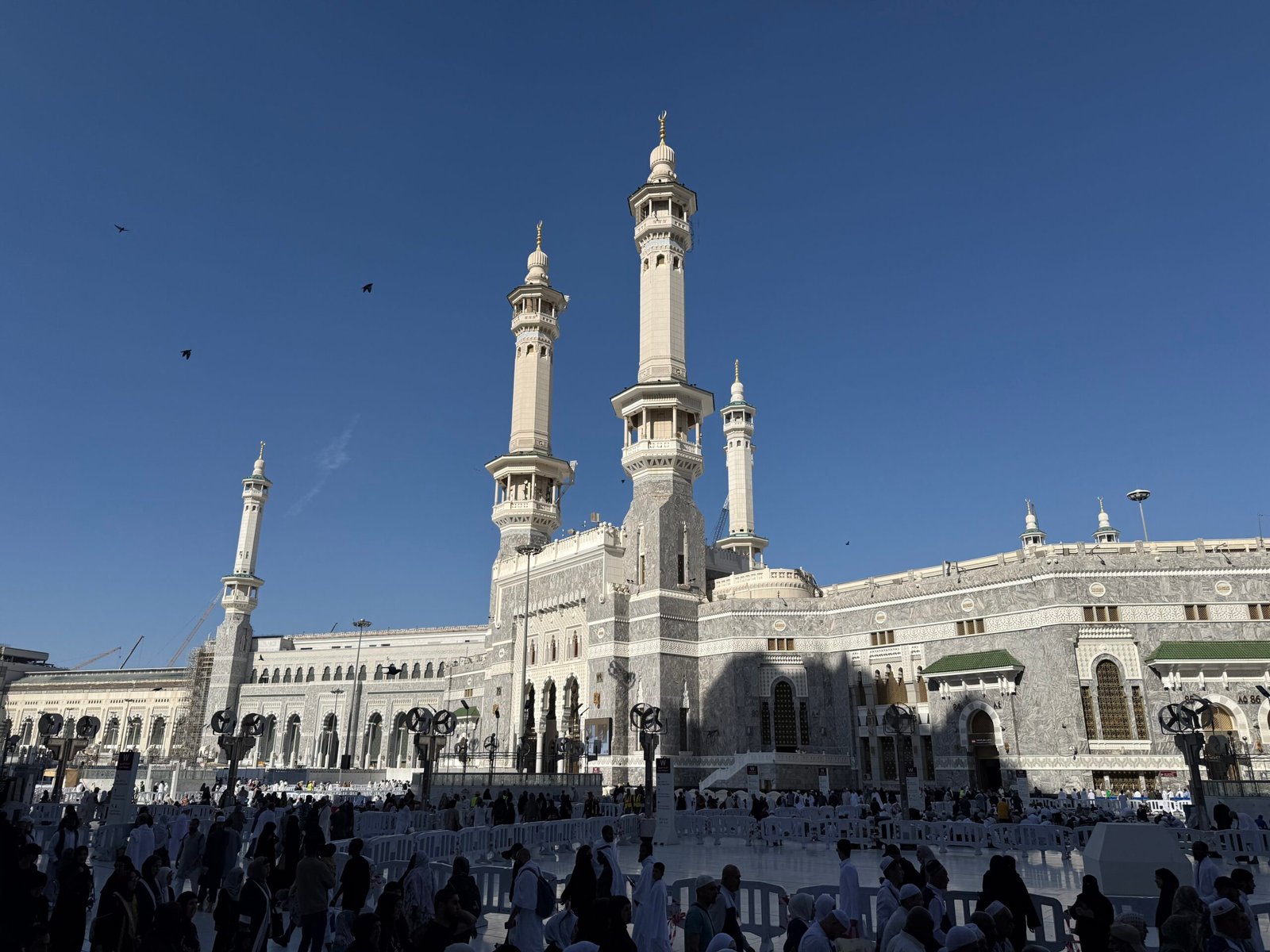
Masjid al Haram has well over two hundred gates, in fact, near three hundred in total as I am told. This simple fact on its own boggled my mind as I did my research on Kaaba and Umrah.
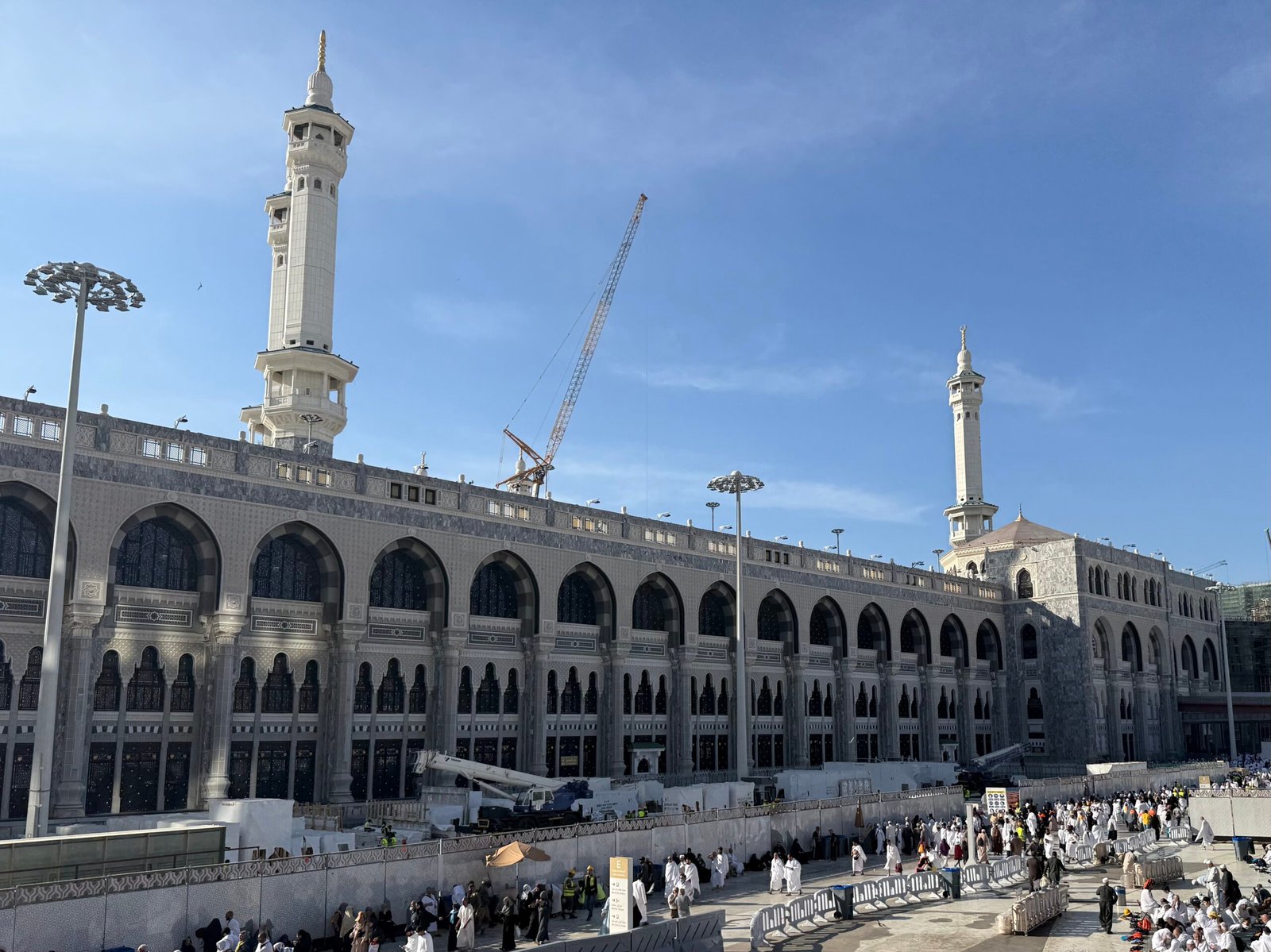
Understandably, the sheer size of the Masjid al Haram causes some confusion for first timers, since at first it is not even clear whether an entrance goes towards the Kaaba, to one of the many large prayer areas, or perhaps to the roof. However, it is actually quite impossible to get lost there, since all the gates have a few Saudi officials who gladly help you get where you want to go. So please do not be like me, as in, do not think that you can just find your way around on your own for all your needs.
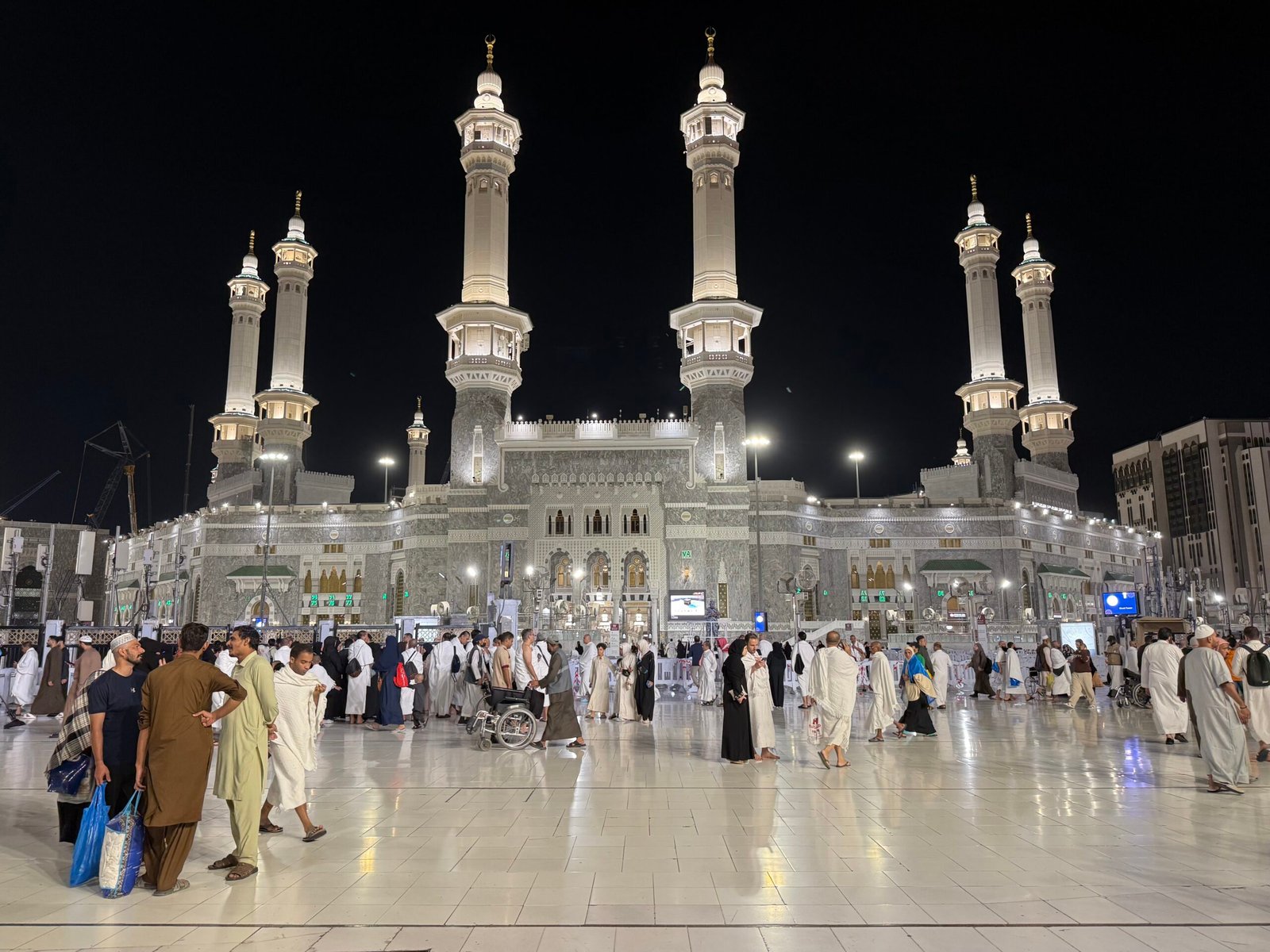
While I did find my way around the mosque eventually, it would have been significantly easier to just ask the people around me. This mosque can apparently hold up to four million prayers in it at any time, and many more can be seen praying even hundreds of meters away from the doors of the Masjid, which makes me think that the authorities would rather not have folks running around like headless chickens as I did, creating more traffic than necessary.
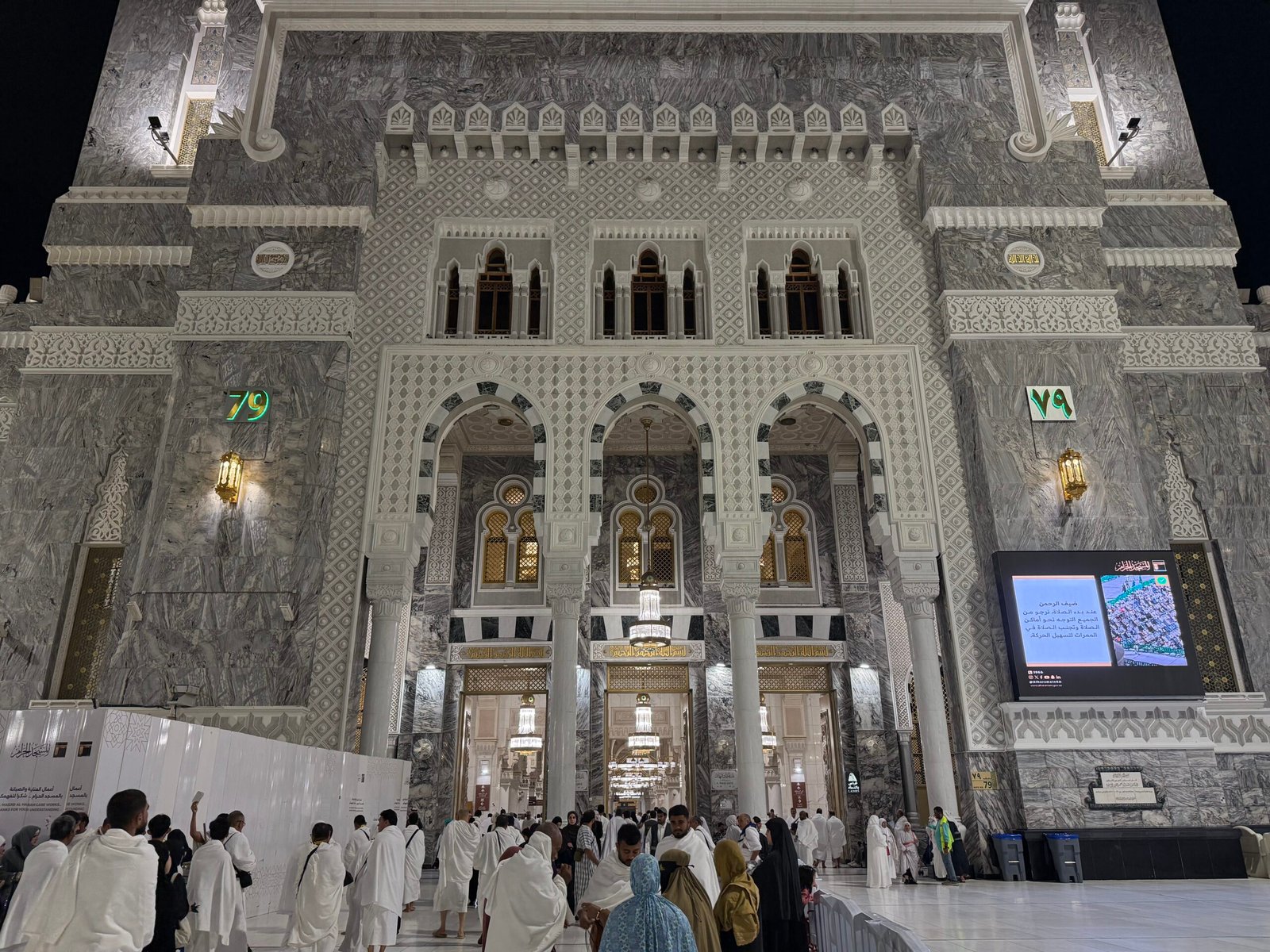
Once you figure out which gates lead to where, simply go through the one you prefer to start your journey into the center of Masjid al Haram. In our case, we were told to use the 79th door, as it was the closest to our hotel, and we did that the first time we visited the Masjid. This was only after all the prayers were complete, quite late at night, around 1 am to be precise. Any earlier, and you risk finding this place even more crowded.
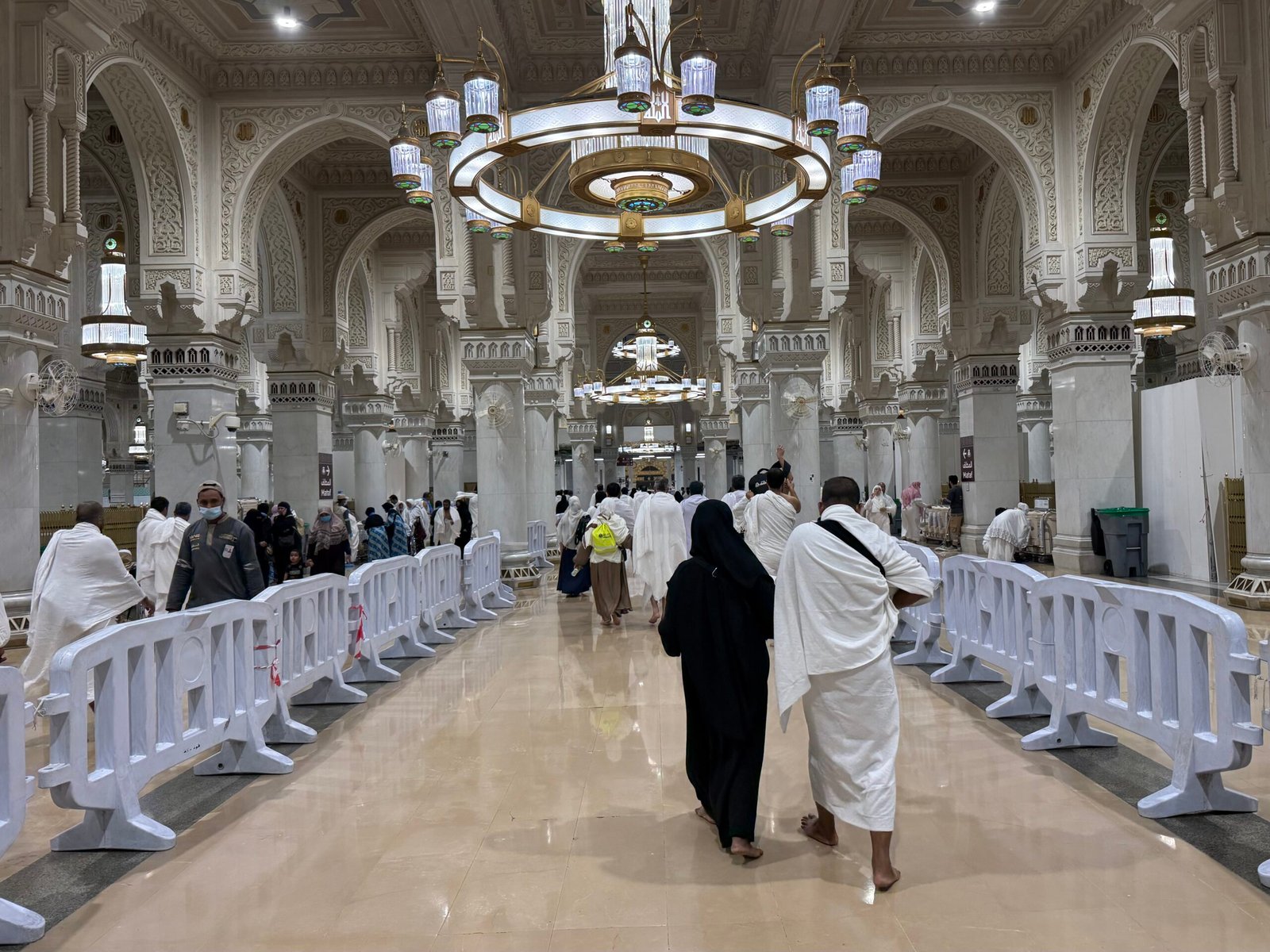
Once you go through a few sets of doors, a few guards will check whether your attire is fitting or not. Some doors, like this one, leads almost directly to the Kaaba. Due to limited space, the area around the Kaaba, known as Mataf, is reserved only for people in Ihram. You can check out the meaning of all these terms at your own leisure, after all, I am no Islamic scholar. However, to put it very simply, to be in Ihram, men need these two large pieces of clothes wrapped around their bodies, and women simply need to be in any Islamic attire they see fit, as long as it sufficiently veils the vast majority of the body.
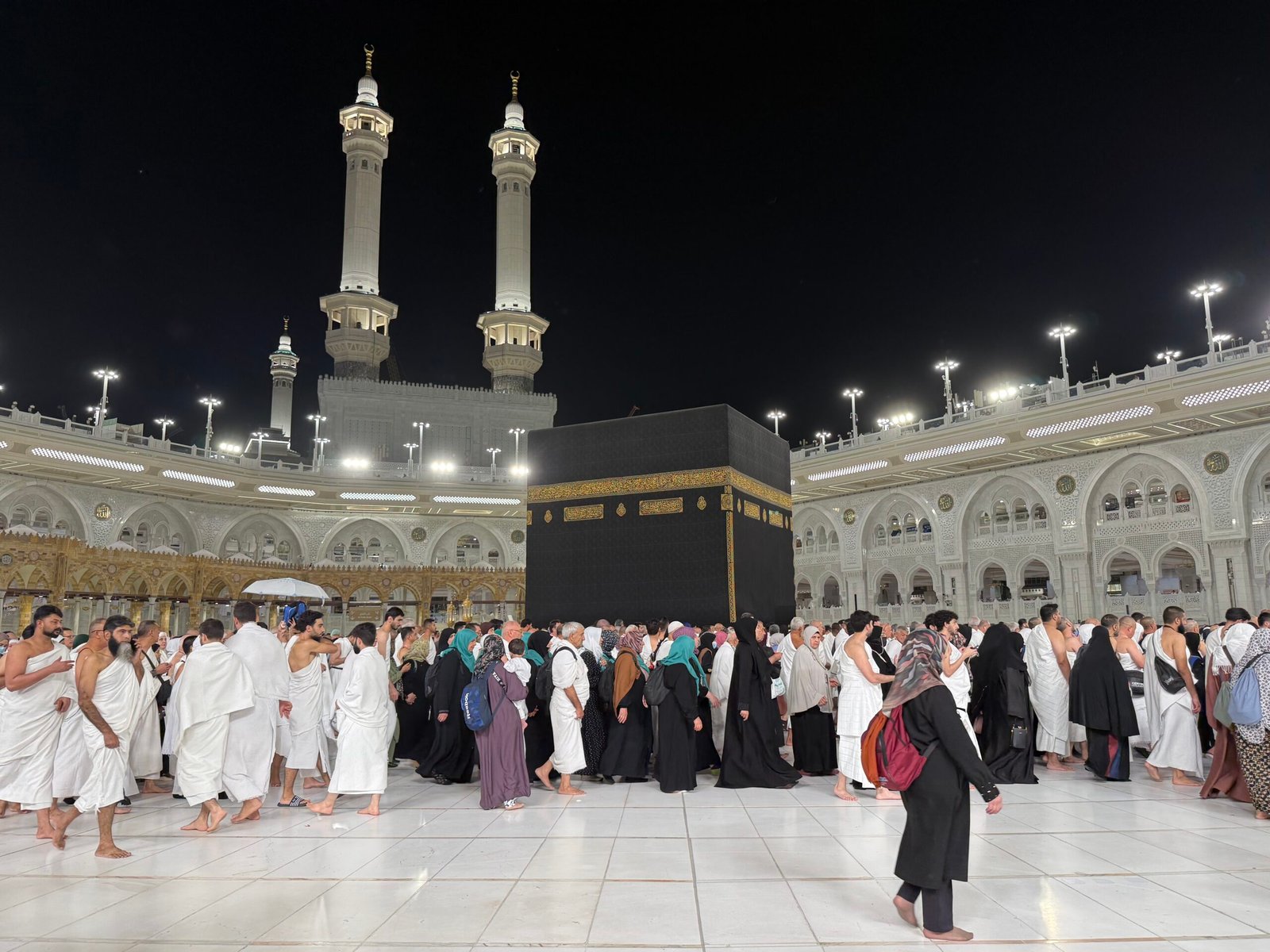
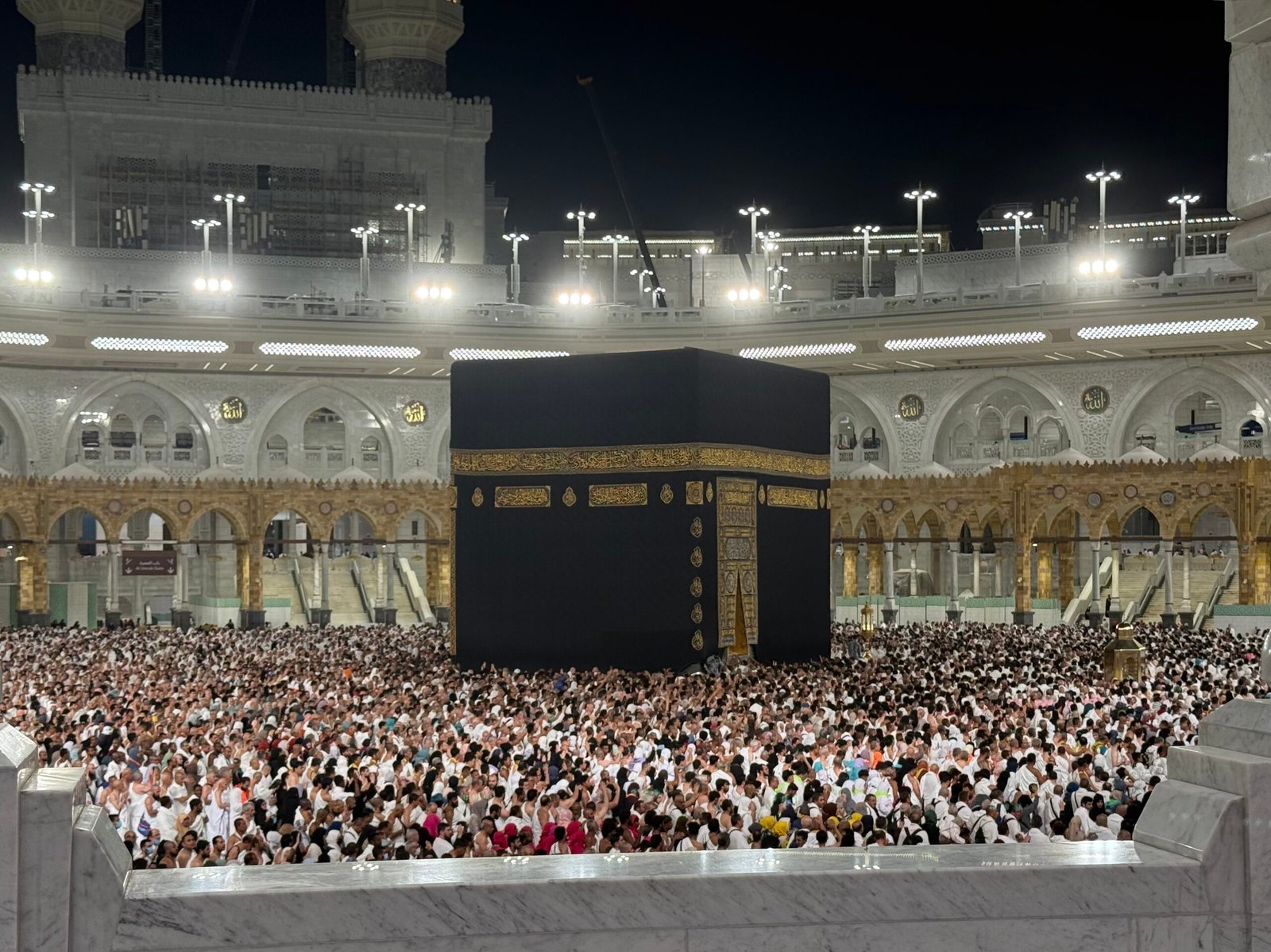
After only about two short minutes of walking within the Masjid al Haram, you will arrive at Mataf. This is where you will see the Kaaba, an ancient temple that actually predates Islam. However, it practically became the center of the Islamic world after 624, when all Muslims started to orient themselves towards the Kaaba during prayers, regardless of where they may be on the planet. As part of Umrah, as well as Hajj, one is required to walk around the Kaaba seven times in a circle, often while reciting prayers, which is known as doing tawaf.
Parts of the Mataf are sometimes reserved for prayers only and are not open for those doing tawaf. This means that the actual usable area for tawaf is often quite miniscule, at least compared to the number of people who wish to do Umrah at the same time. That is why, unless you want to bother a ton of people and risk toppling the elderly, you cannot really go near the Kaaba easily. Kudos to those who can do it without harming others, but from my perspective, it is nigh impossible to do that without getting in the way of others in some manner, which does not feel right seeing how you are always surrounded by people from all across the globe, and you just know that some of them saved money to be here for decades. It is best to give everyone some breathing space in my humble opinion.
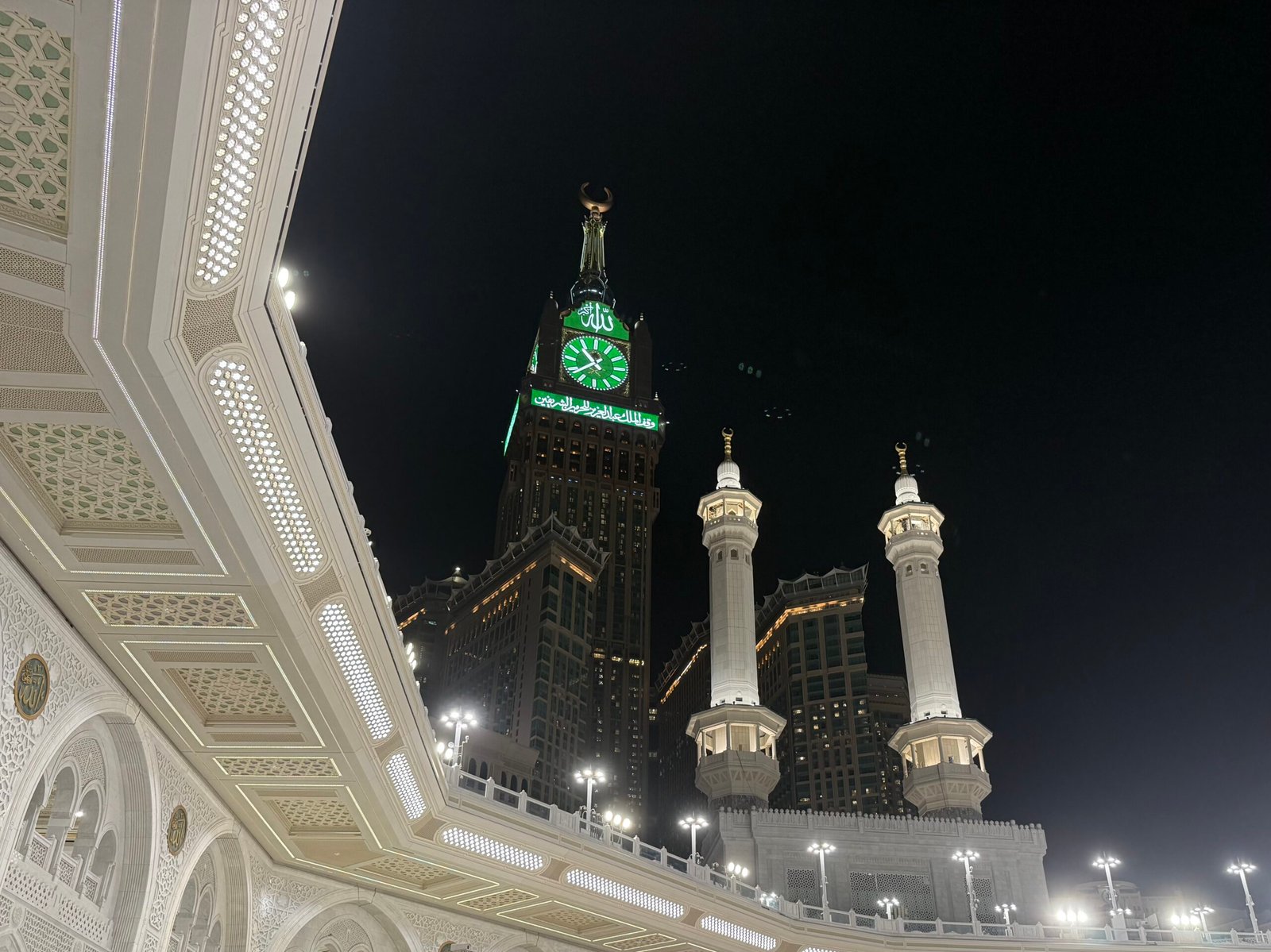
As you circle around the Kaaba, you always see the time thanks to the Mecca Clock Tower. Like many others, I had my reservations about this giant structure before I visited Mecca, but truth be told, now I do not know just how else one can cater to the needs of all these pilgrims. Most visitors of Kaaba are old folks, or young folks with children. In both cases, you have people who cannot travel far from the mosque for their basic needs. Having a few massive structures like this is the only way to cater to their needs on the spot, with the only other option being building a massive subterranean network of shops, restaurants, and toilets, which would become an incredibly difficult labyrinth to traverse for most.
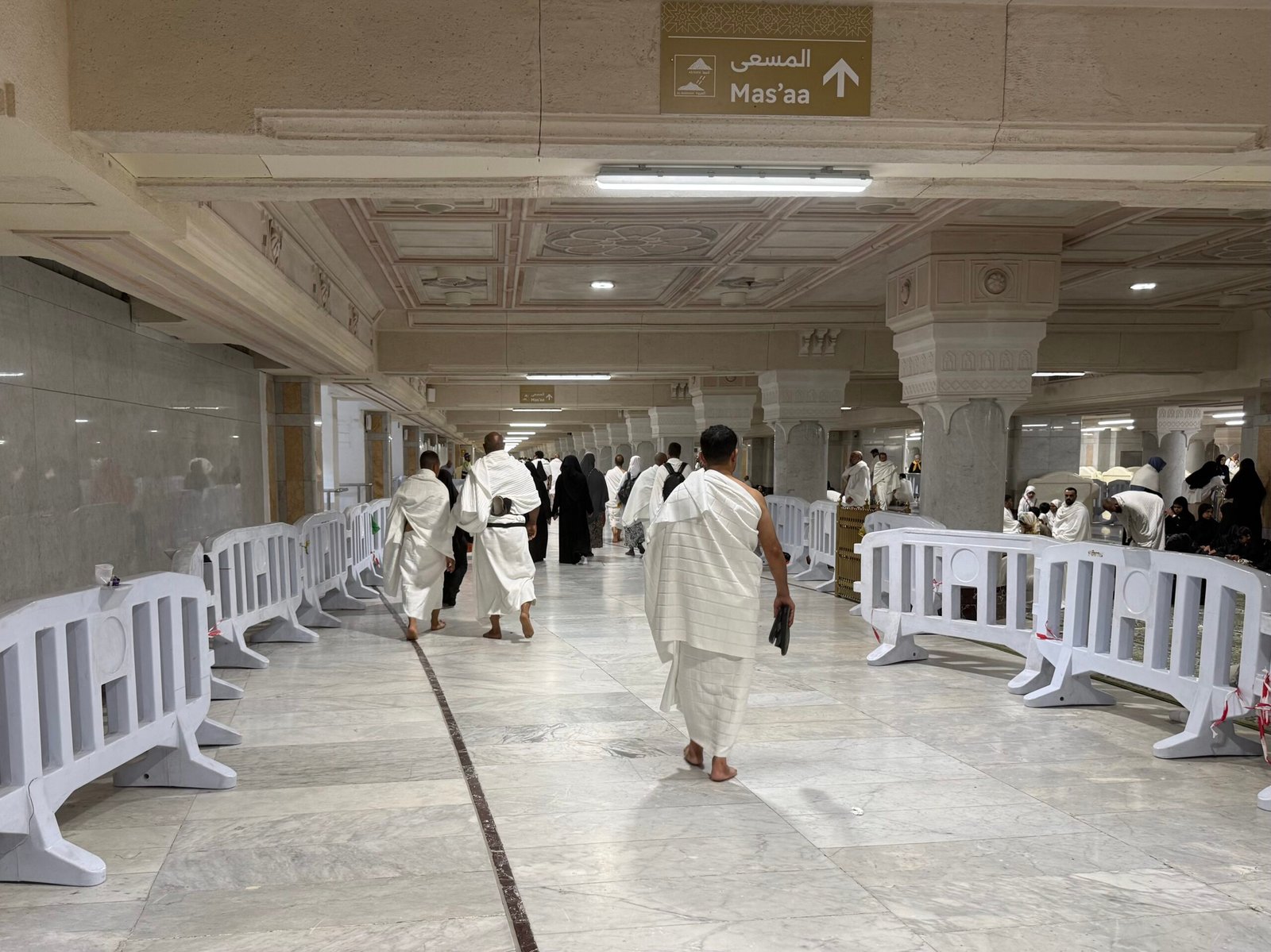
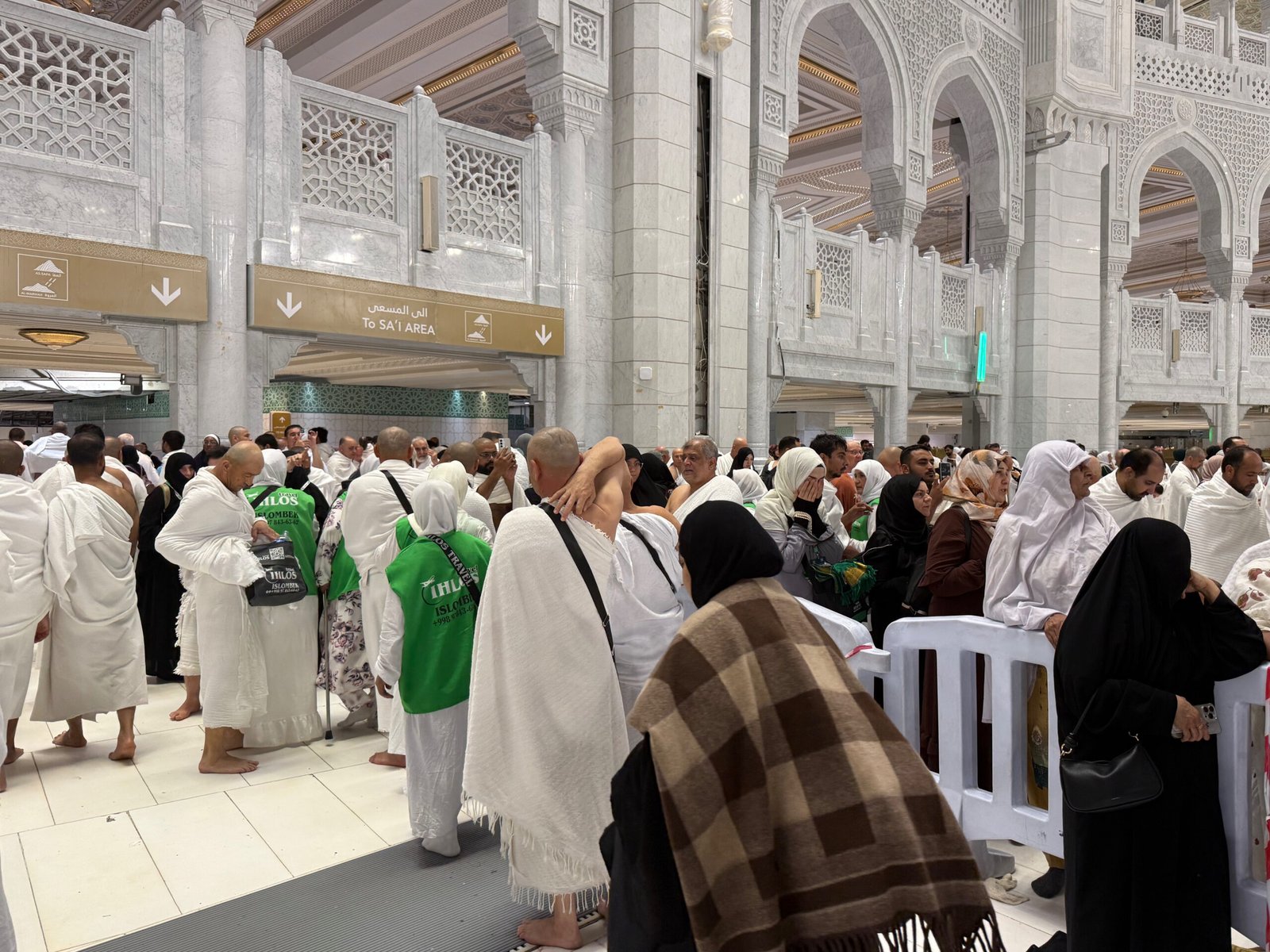
Moving on, once you are done with tawaf, you should find the directions that guide you to the Sai area. There are multiple ways to reach this space, all of which work the same in the sense that you just follow where the masses are going and eventually you will arrive at where you need to be.
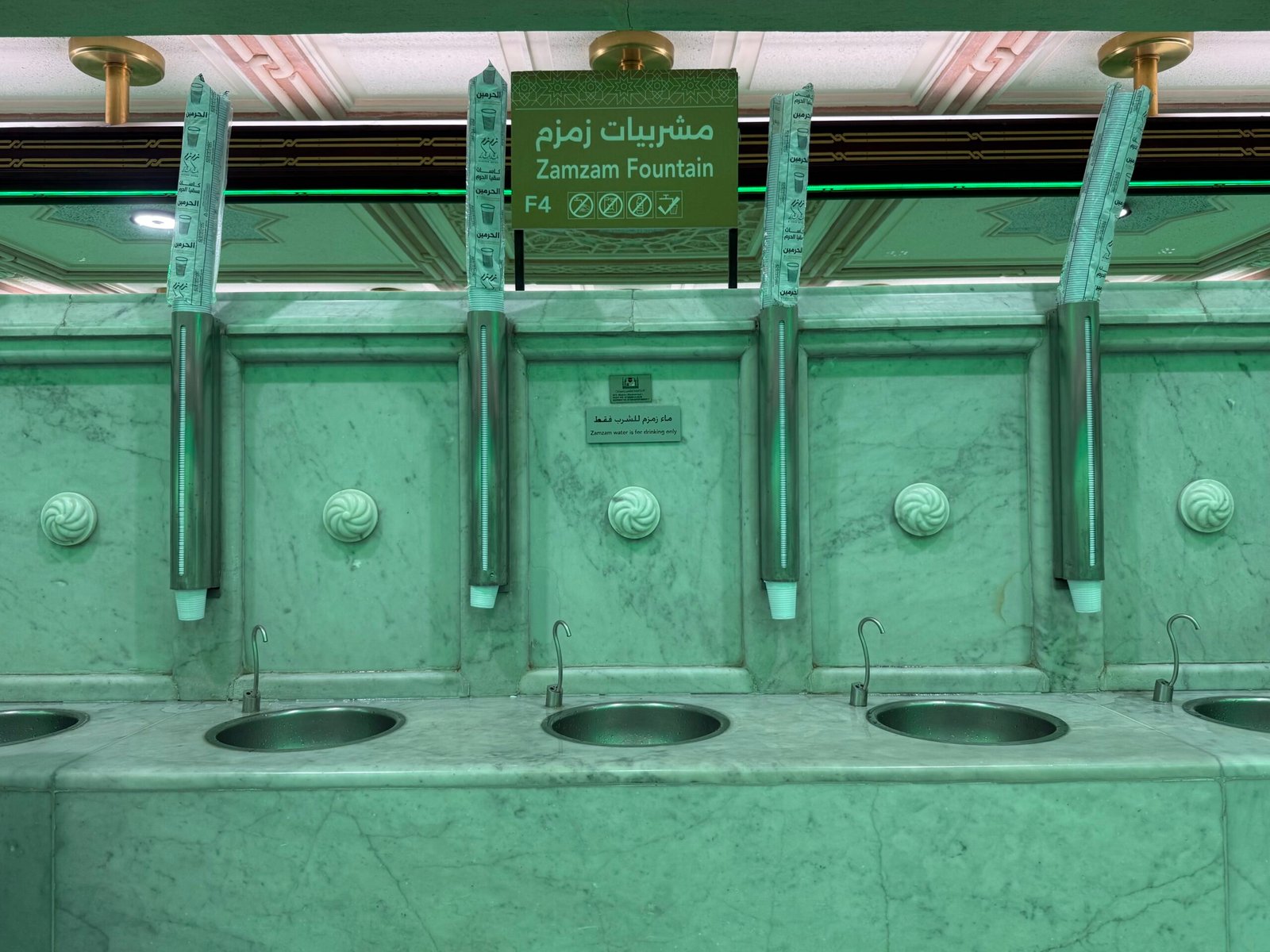
On your way, you will come across some Zamzam fountains. By this point, you may be thirsty, in fact, you should be. Despite being so late at night, it actually felt extremely hot within the Mataf area. After all, all those people squishing together and creating one meaty disk is not necessarily great for ventilation. I recommend you drink as much Zamzam water here as you can, as there will be some more walking quite soon.
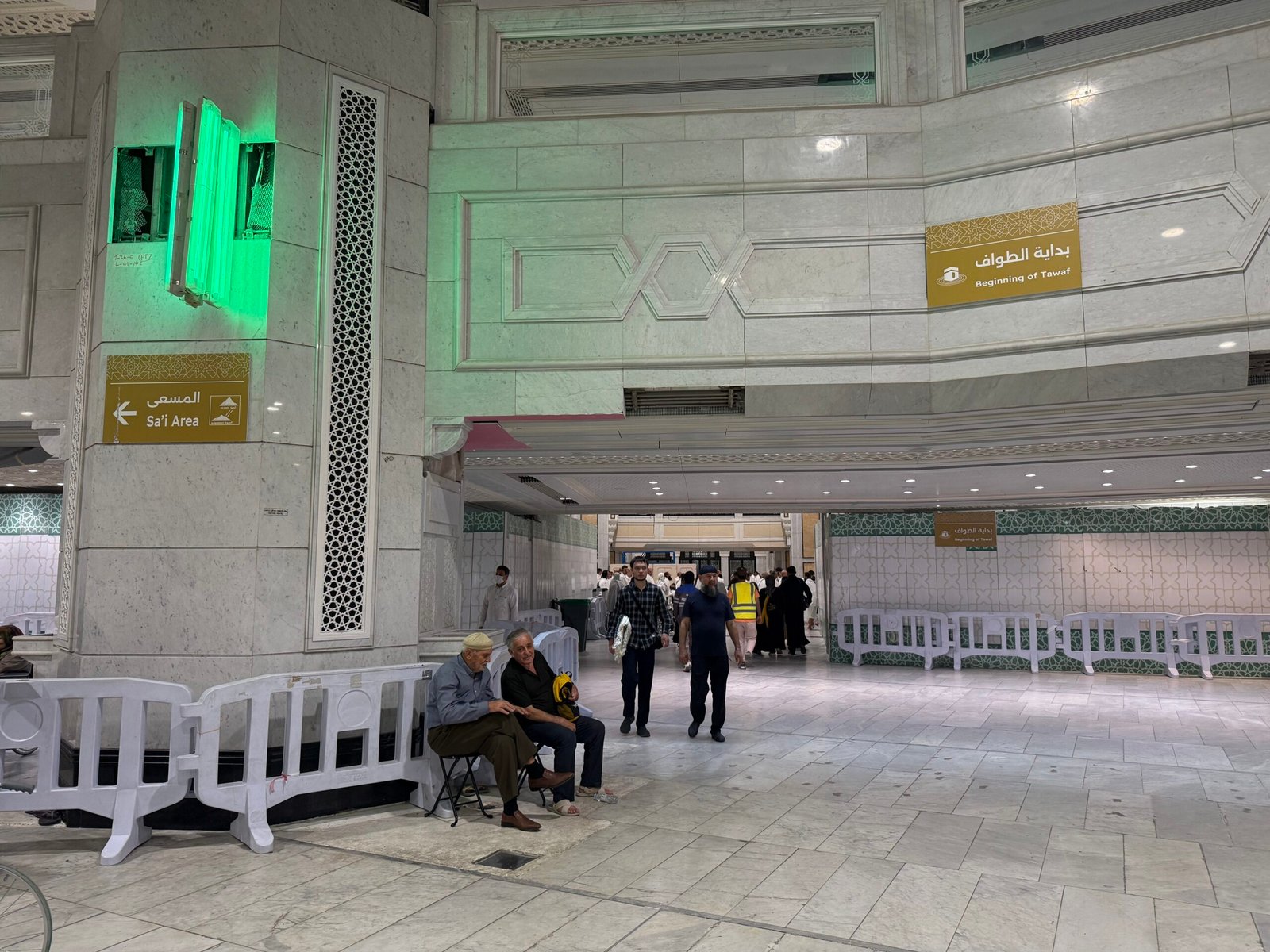
Whenever you come across larger areas with numerous exits like this one, I recommend you ask someone for directions. You see, much like the rest of Mecca, Masjid al Haram is seemingly always under construction. It is continually improved to welcome more pilgrims, and to make their pilgrimage easier if possible. That is why, sometimes, some parts of the mosque just might be off limits. Moreover, some other times, we were told to use alternative routes to get to a place we already knew how to get to, in order to control the flow of masses better. This is all about logistics. For best results, just ask the authorities and follow their guidance.
You may be wondering why I seem to recommend the exact opposite of what I normally do and write about on Wondering Voyager, but you must understand that a trip to Mecca is no ordinary trip, and Mecca is no ordinary city. For example, it is fine to follow your own instinct and do as you see fit in Tskaltubo, a semi-abandoned Soviet spa town in Georgia. You can move more or less as you see fit in Astana as well, where it is difficult to run into anyone else unless you are in the exact center of the town. However, this is Mecca, by far the single most crowded city that I have seen to date.
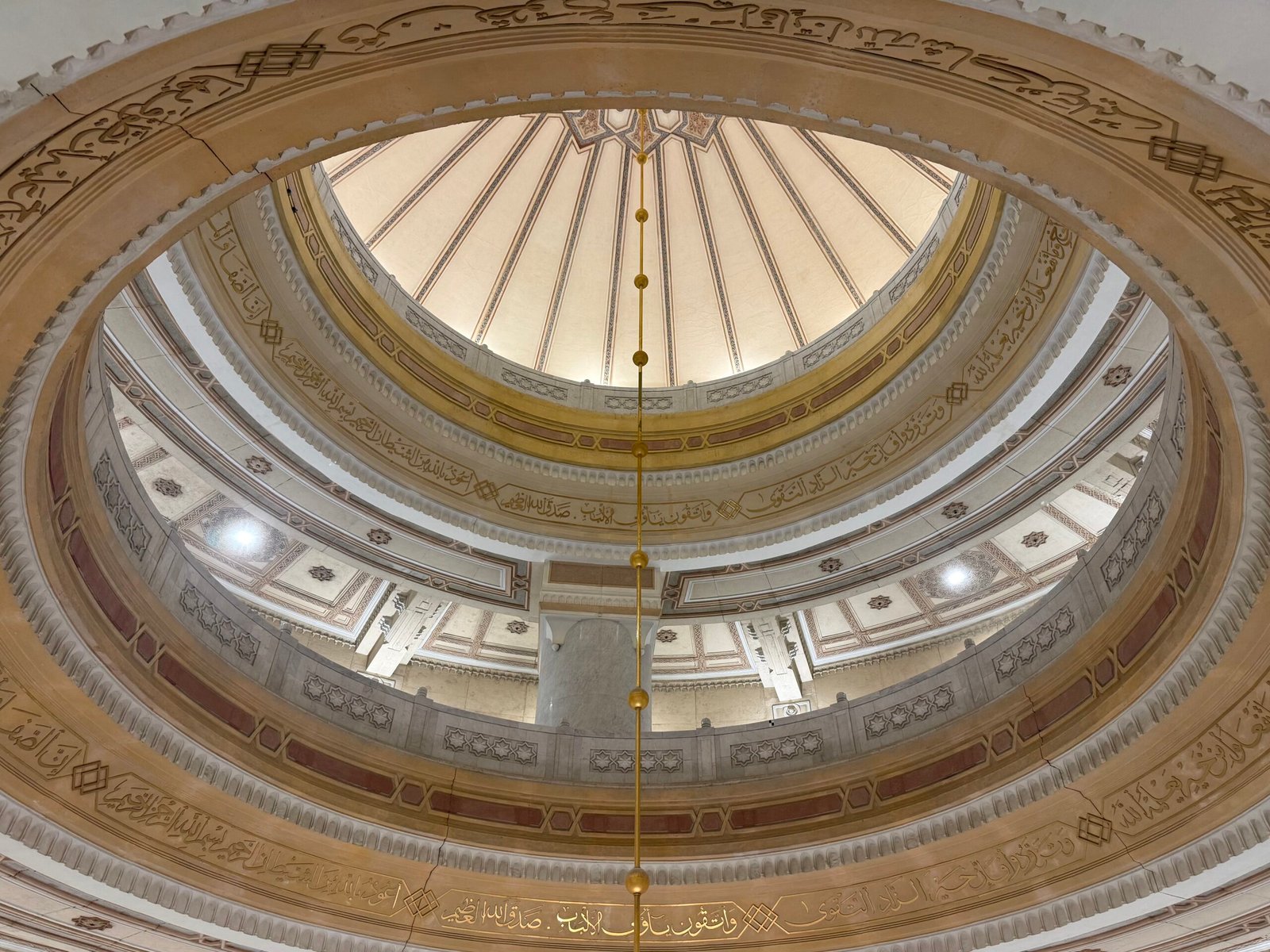
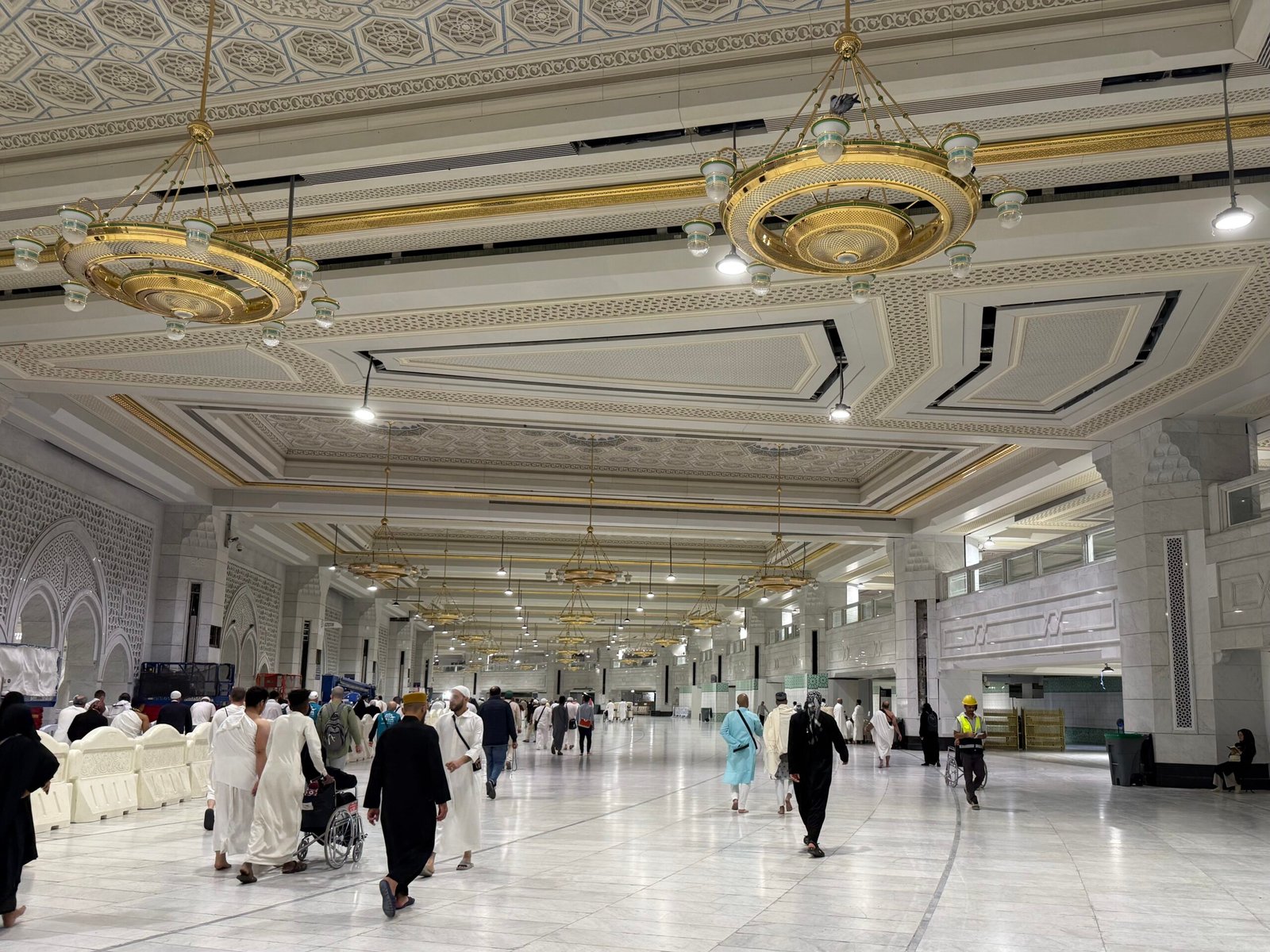
I took all these photographs when Masjid al Haram was at its quietest, and even then, almost all them include tons of people in them, unless they are photographs of domes or ceilings like this one. This is most unusual for the Wondering Voyager, as I genuinely try my best to capture photographs with as few people in them as possible. This is, however, nigh impossible in Mecca. All of this is to say that rules are different in Mecca. When there are too many folks around, your best bet is to be respectful of each other, and hope that the logistics support the masses. To that end, it does help to work with the authorities as much as you can.
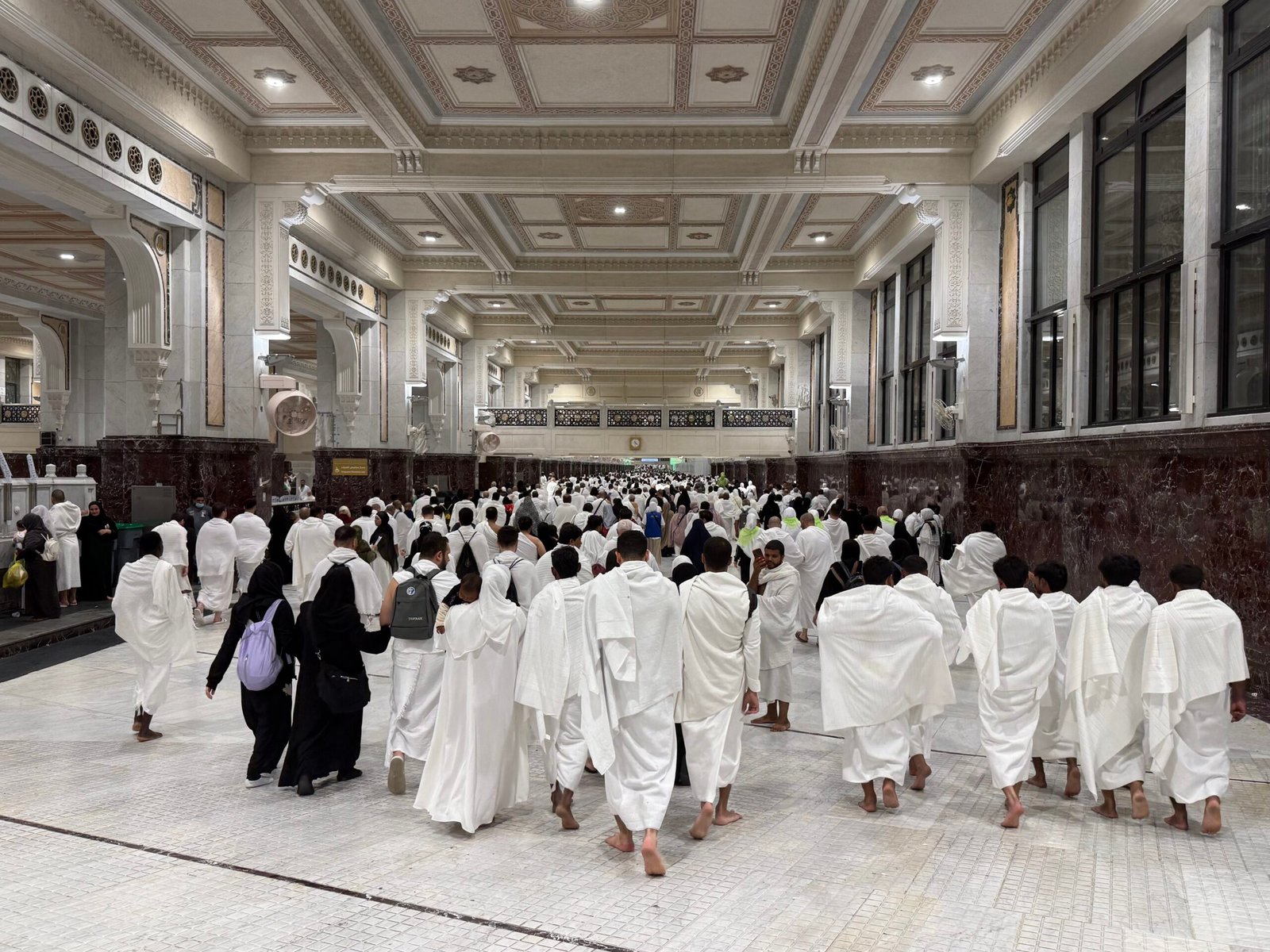
Now that I made that clear, we can go back to following orders around Masjid al Haram, this time in the aforementioned Sai area. Umrah comes to an end after this part, where you need to walk in between two hills seven times. The interesting part is that these two hills are now fully enclosed by certain manmade structures within the Masjid al Haram.
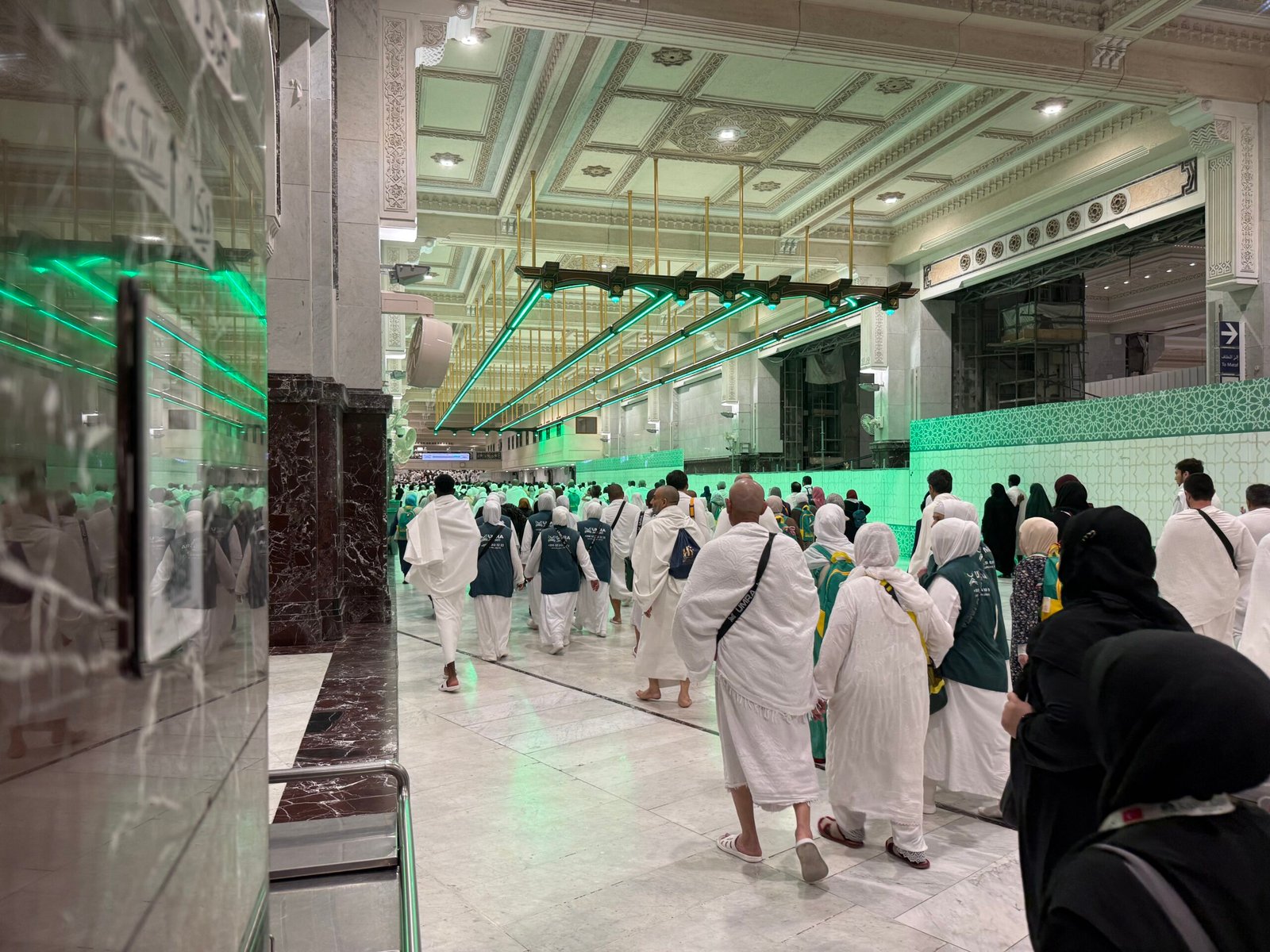
In fact, even the road in between these two hills is not just any normal road as one may imagine. Since millions do this trek regularly, Saudi authorities ended up building multiple floors along this route. As far as I could see there were at least four such floors, but there could be more. In other words, the crowd you see here is nothing compared to the total number of folks who are doing the same walk above and below you at the same time.
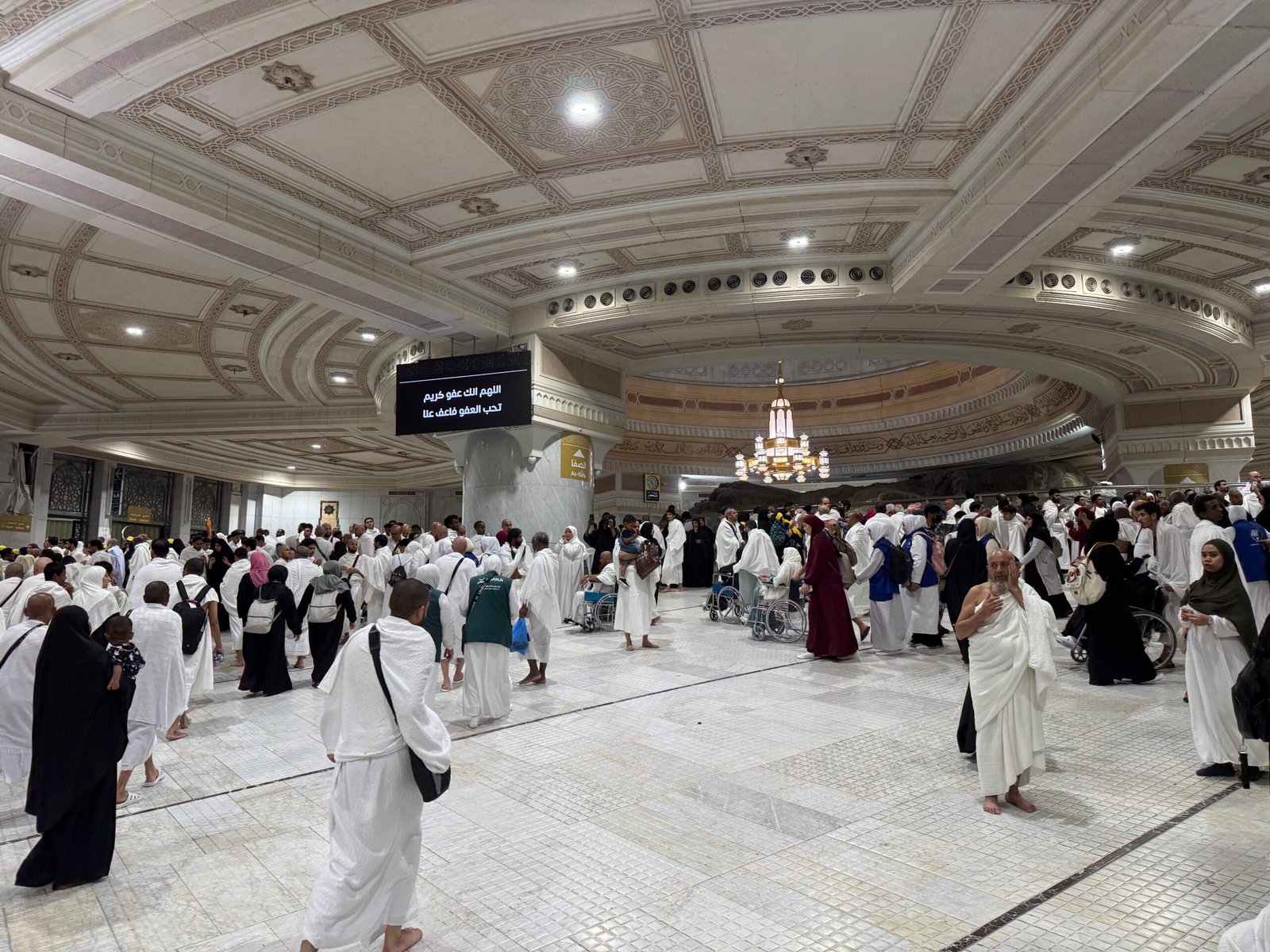
I am not entirely sure which floor did we do the Sai on, but it might be the best one. Unlike the underground or roof options, here, you can at least see bits of the two hills you are walking in between.
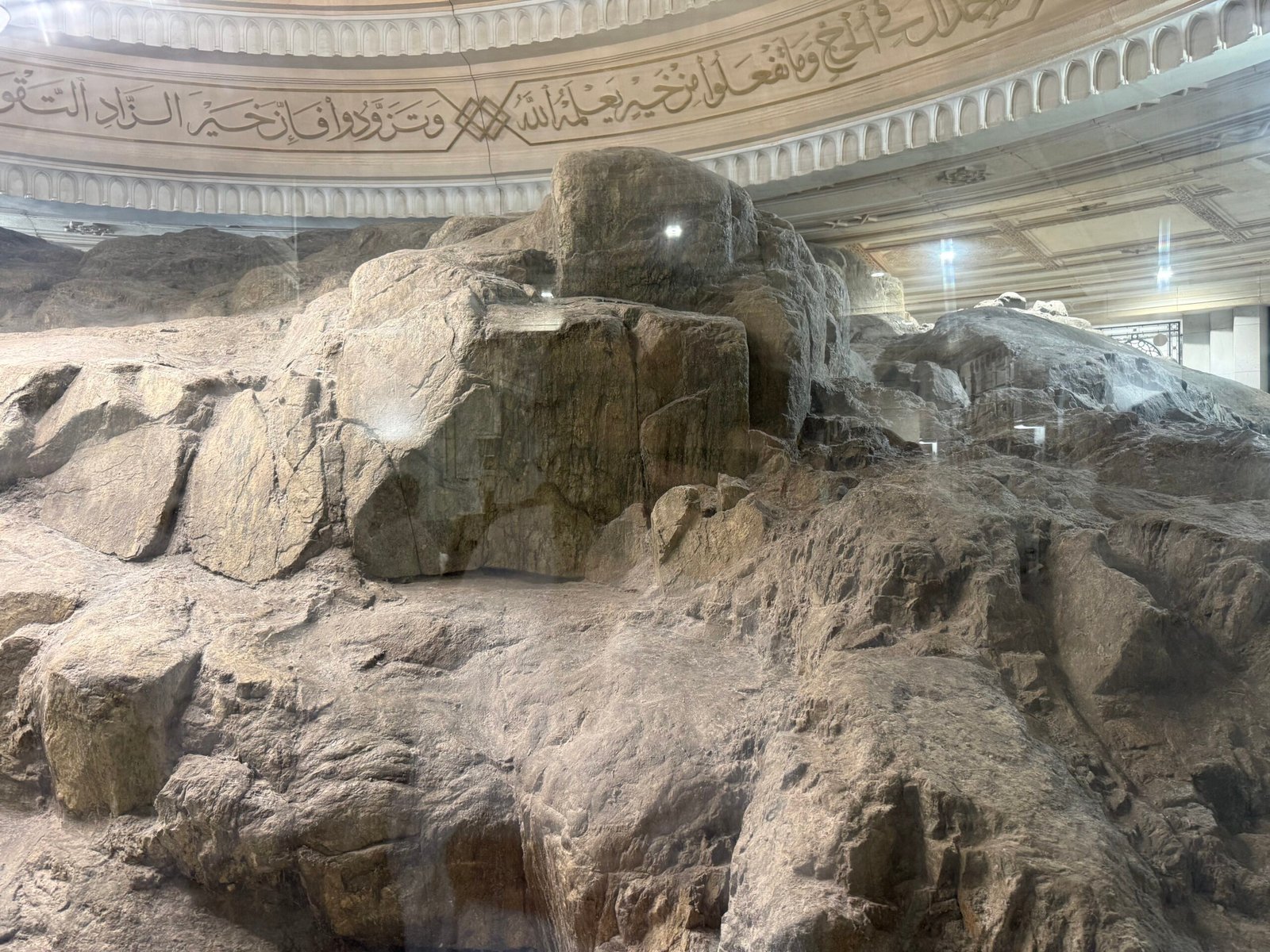
As aforementioned, these hills are now enclosed with glass panes. Also, once again, I recommend you ask an actual religious scholar to find out what Sai is, and why it is done. As an ‘academic’ type, it does not feel right to type half-baked comments on issues that I have not studied properly.
As I conclude this article, I must admit that what little I shared here cannot really do justice to the Masjid al Haram in the slightest. This is one of the biggest temples in the world, and it is home to one of the world’s most crowded pilgrimages. The sheer scale and history of this particular site is simply outstanding. Furthermore, unfortunately, there are certain things that are difficult to convey in writing. Like most parts of the globe, Mecca and its denizens deny being simplified into some letters and symbols.
The ambience of Masjid al Haram, for example, refuses to be put into text with ease. Occasionally, you can come across some Gulf Arabs who do the Umrah every month here, and a few minutes later, you meet an older gentleman from Mozambique, who spent the last thirty years saving money and preparing for this spiritual journey. In one corner you witness a few seemingly neglected or perhaps orphaned children playing games, at times being hushed by the nearby pilgrims, in another corner, you hear people from your own country praying to have children of their own. Some pilgrims walk around with Prada slippers, while others walk barefoot even after they leave the Masjid al Haram. This is just another reason why this particular mosque is so unique. It so effortlessly showcases the rich tapestry that is humanity today, one pilgrim at a time. With that being said, next Sunday, we will take a look at Mount Hira, which is possibly the second most popular religious site to visit in all of Mecca.