
Mecca regularly ranks among the top ten visited cities in the world, and yet, billions of people may never even have a chance to see what this city has to offer since it is off limits for non-Muslims. The city is home to Kaaba, the holiest site in Islam, and one that Muslims must visit at least once in their life in order to perform the Hajj, the Muslim pilgrimage that takes place once a year. Most of the city infrastructure serves this purpose, and helps facilitate Umrah, which is a voluntary pilgrimage that does not include many of Hajj’s more numerous steps. In other words, Mecca is not just a holy city, it is a community that grew to this size to welcome the millions of pilgrims that visit it annually. In an effort to be sensitive to the privacy of said pilgrims and the sensibilities of the Saudi government and yet hoping to show what Mecca looks like today to everyone as best as I can, I will keep this article somewhat short and to the point. Let us begin without further ado!
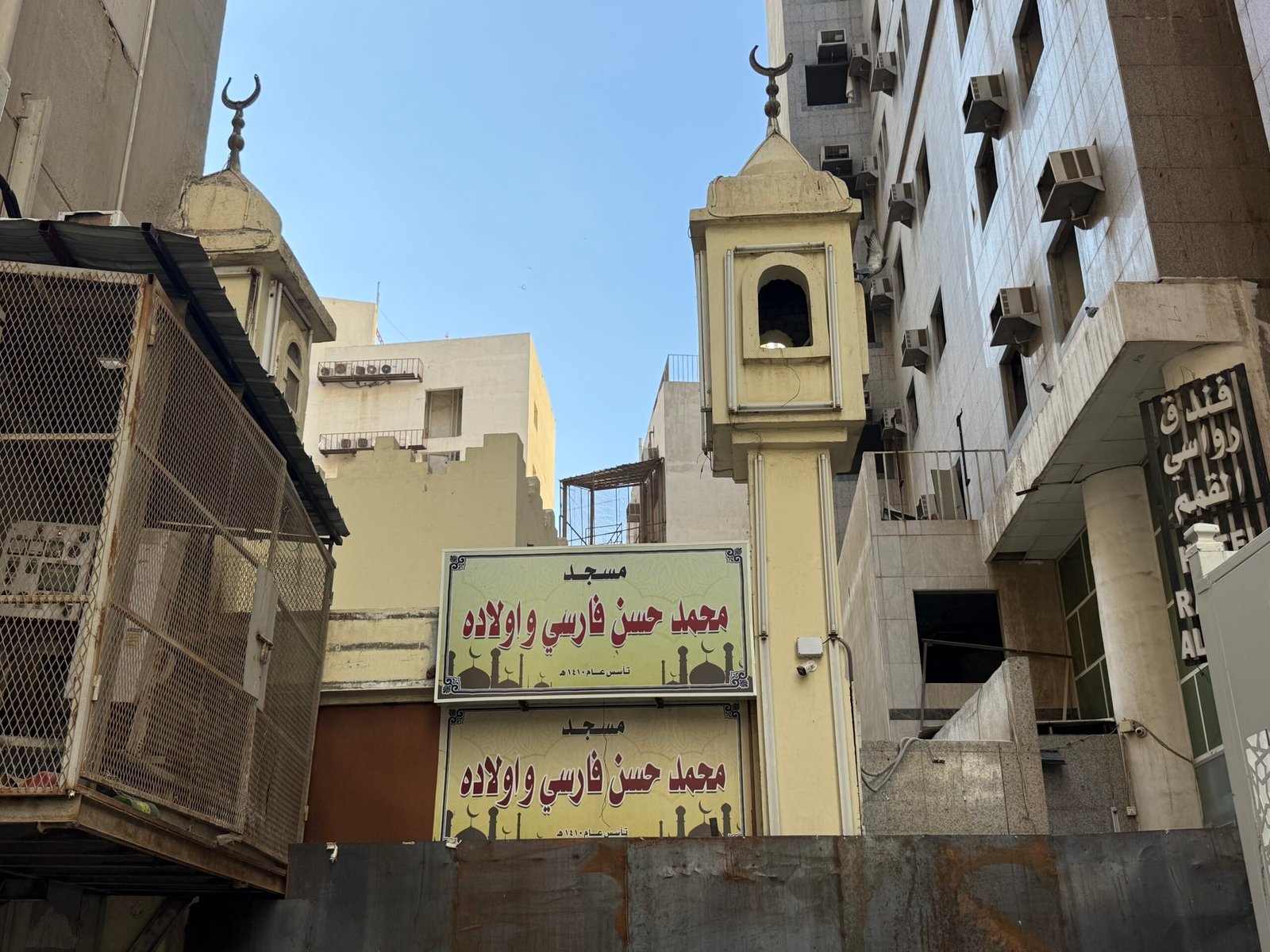
In many ways, Mecca is a city of extremes. Now, I am not entirely sure if this is the smallest minaret that one can find across the globe, but at times, it felt like some of the tiniest (and most creatively placed) minarets that I have ever seen were found in Mecca. This is quite natural given how almost every Meccan street has a small mosque attached to it to help pilgrims and locals alike to find a place to pray wherever they may be.
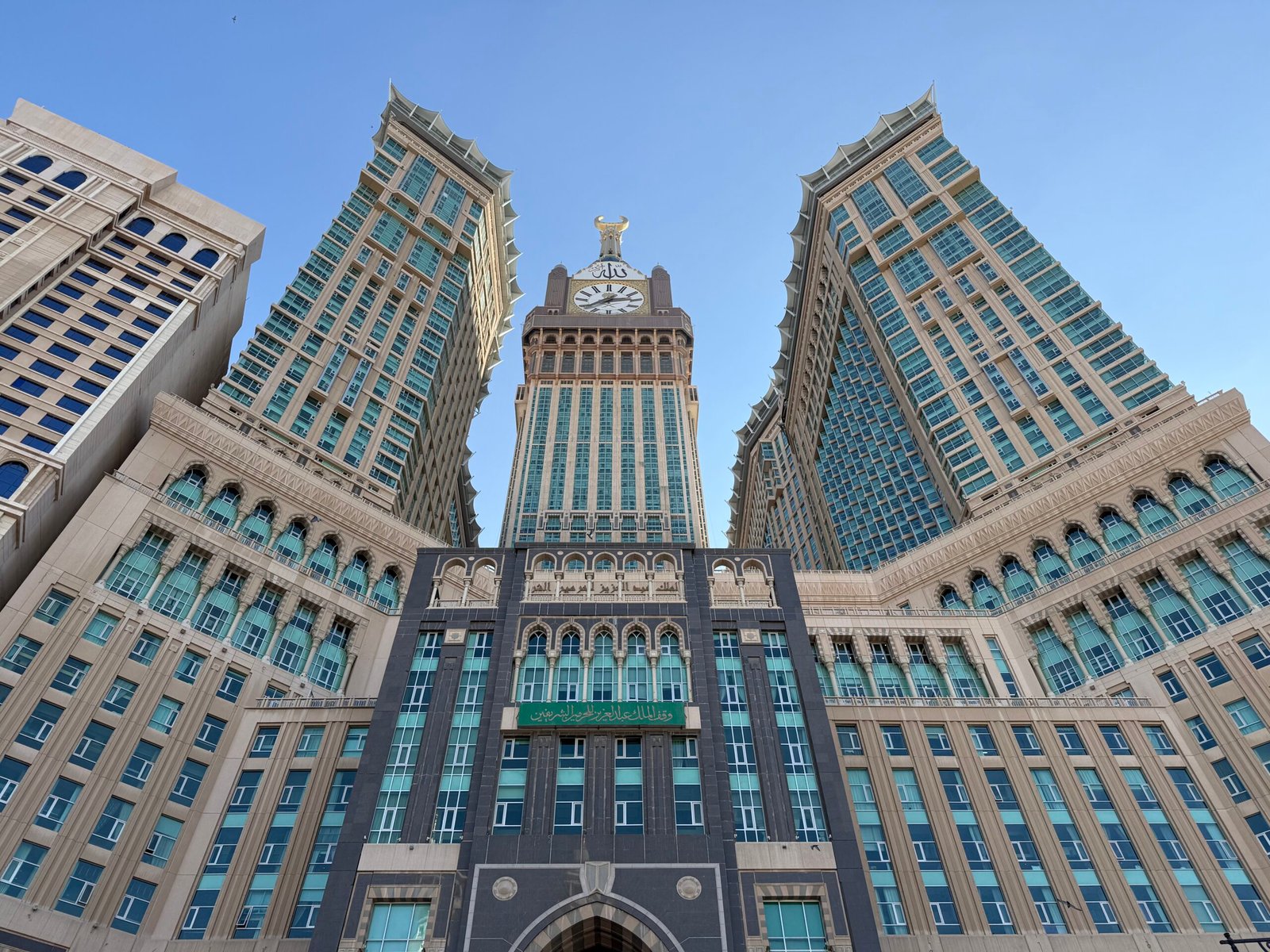
What I know for sure is that Mecca also has the tallest clock tower in the world. Coming in at a whopping 601 meters, the Mecca Royal Clock Tower is truly something else. You can see the clock tower long before you arrive at the city center, even if the city is surrounded by numerous high hills on all sides.
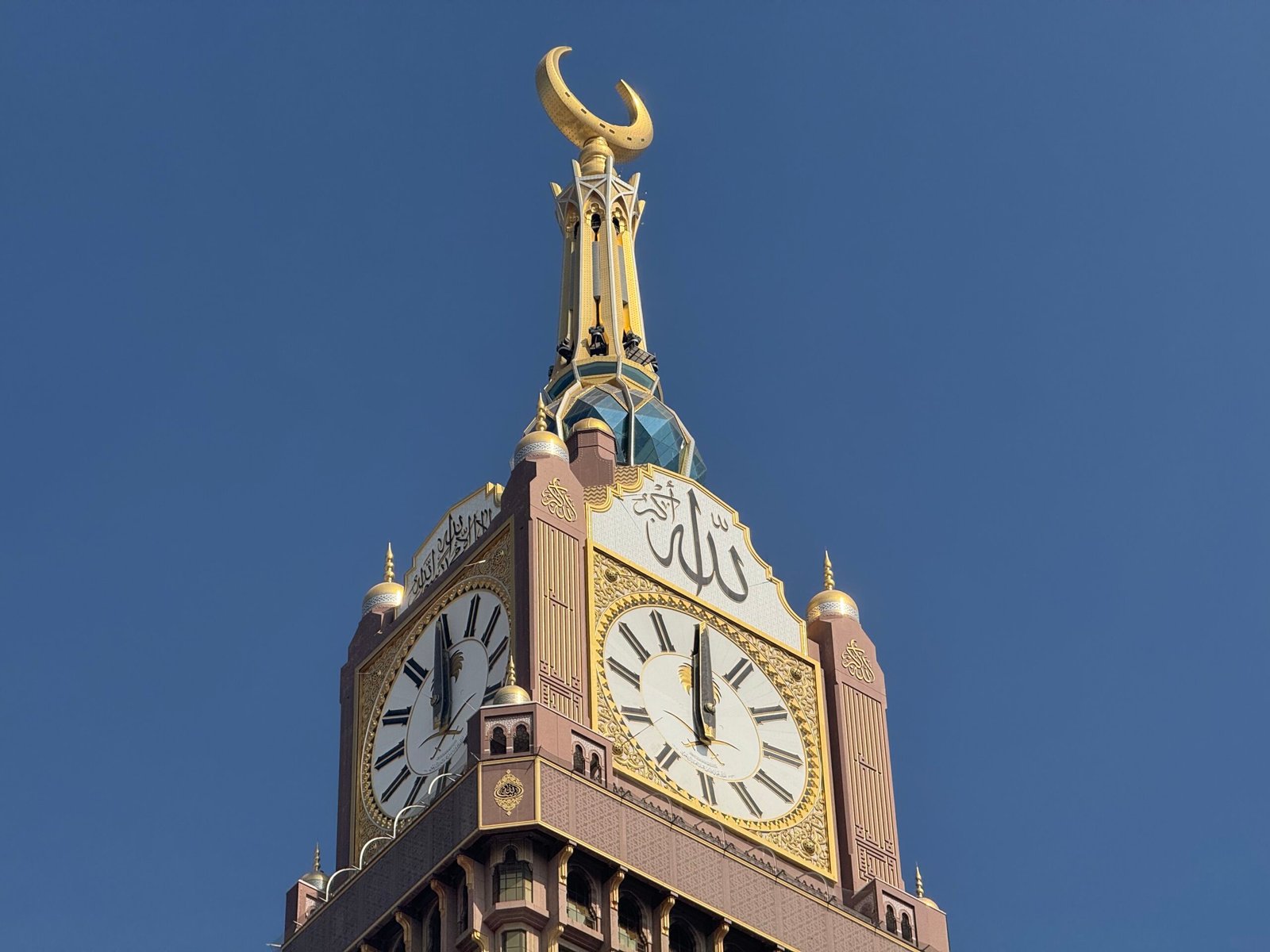
Clock towers of all shapes and sizes seem quite popular in all Arab towns that I got to visit thus far, as they offer a convenient way for Muslims to keep up with the time, and know when the next prayer is. Nowadays, their actual usefulness may be questionable since almost everyone has a phone or at least a quartz watch, but they add to the character of the towns as a blast from the past in my humble opinion. Mecca being Mecca, the holiest of cities in Islam, it only makes sense that it has the tallest clock tower ever.
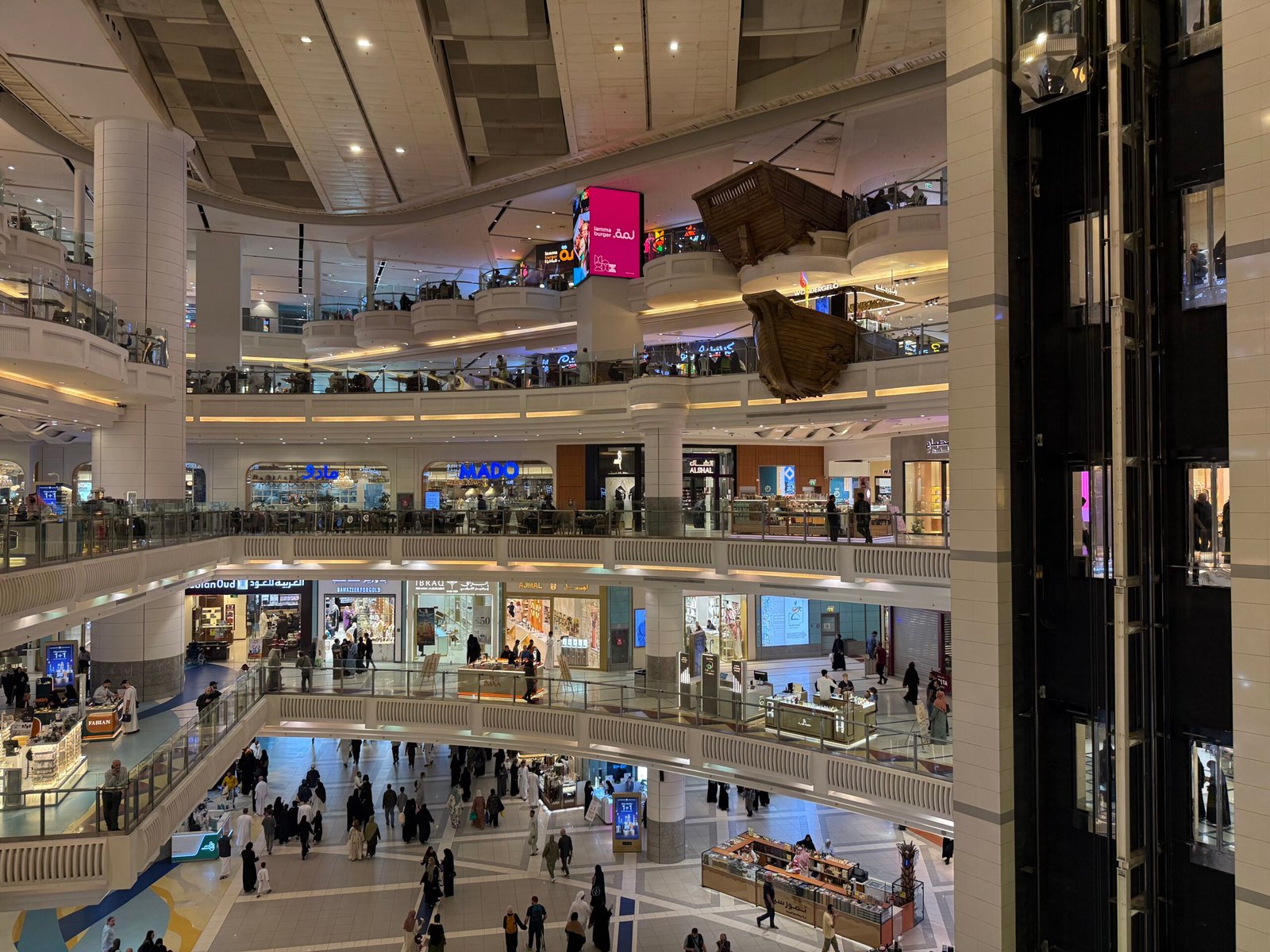
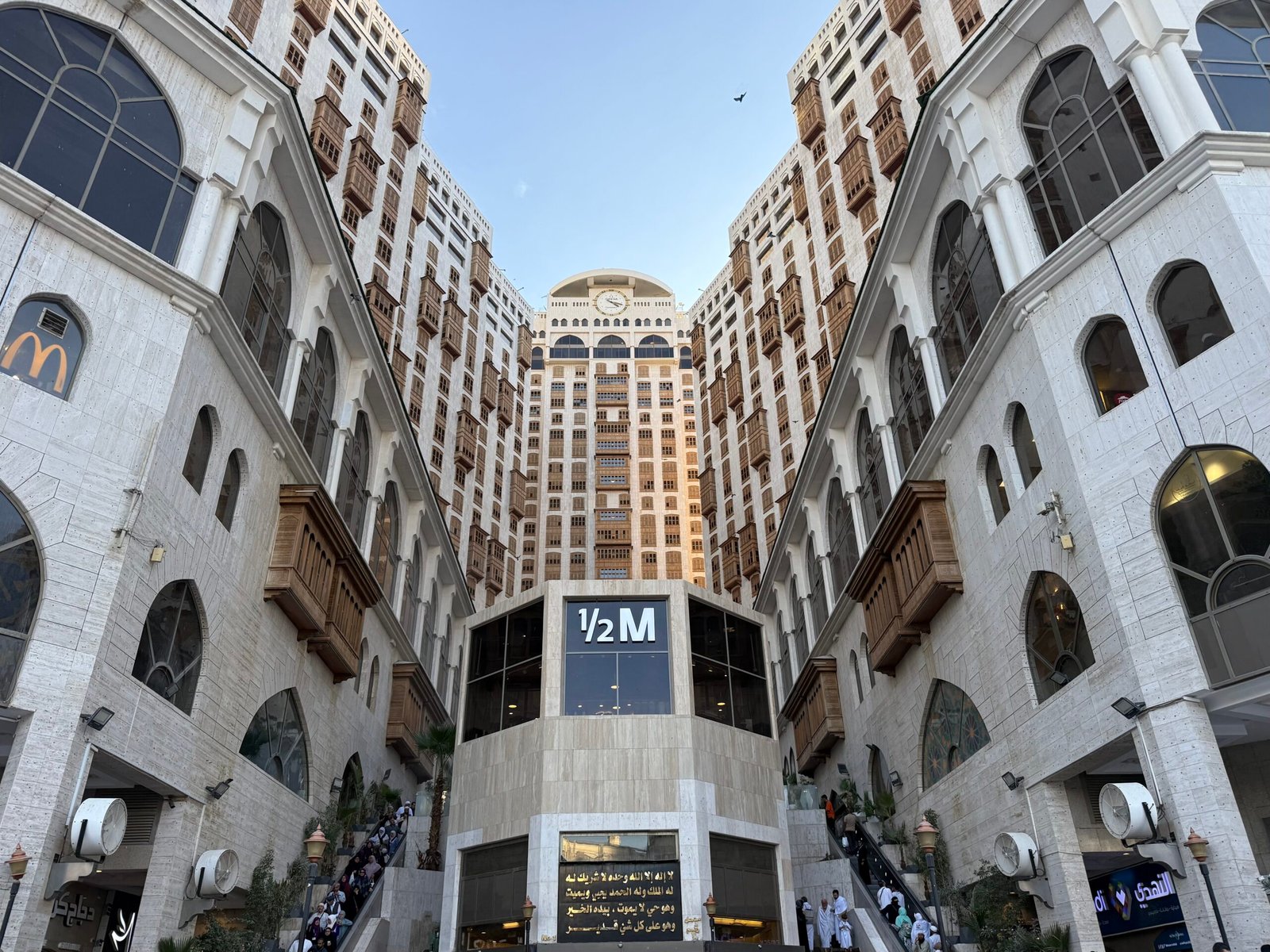
More importantly, Mecca’s Clock Tower is not just an oversized landmark but a multifunctional structure, as it is home to multiple shopping centres, hotels, apartments, and more. This is the reason why this entire building is extremely difficult to fit in just one frame. While I explored and dined in all of these shopping centres, the best one by far is the one in the middle, just below the actual clock tower. While all three are always busy, the one in the middle had the highest ceilings as far as I could tell, making it airier than the other two. It does help that it has two entire floors worth of dining options as well. One can enjoy cuisines from all around the world for weeks and still find something new to try the next day. Well, with the biggest mosque in the world right next to them, these malls just have to have a ton of eateries to accommodate all the hungry pilgrims after a prayer.
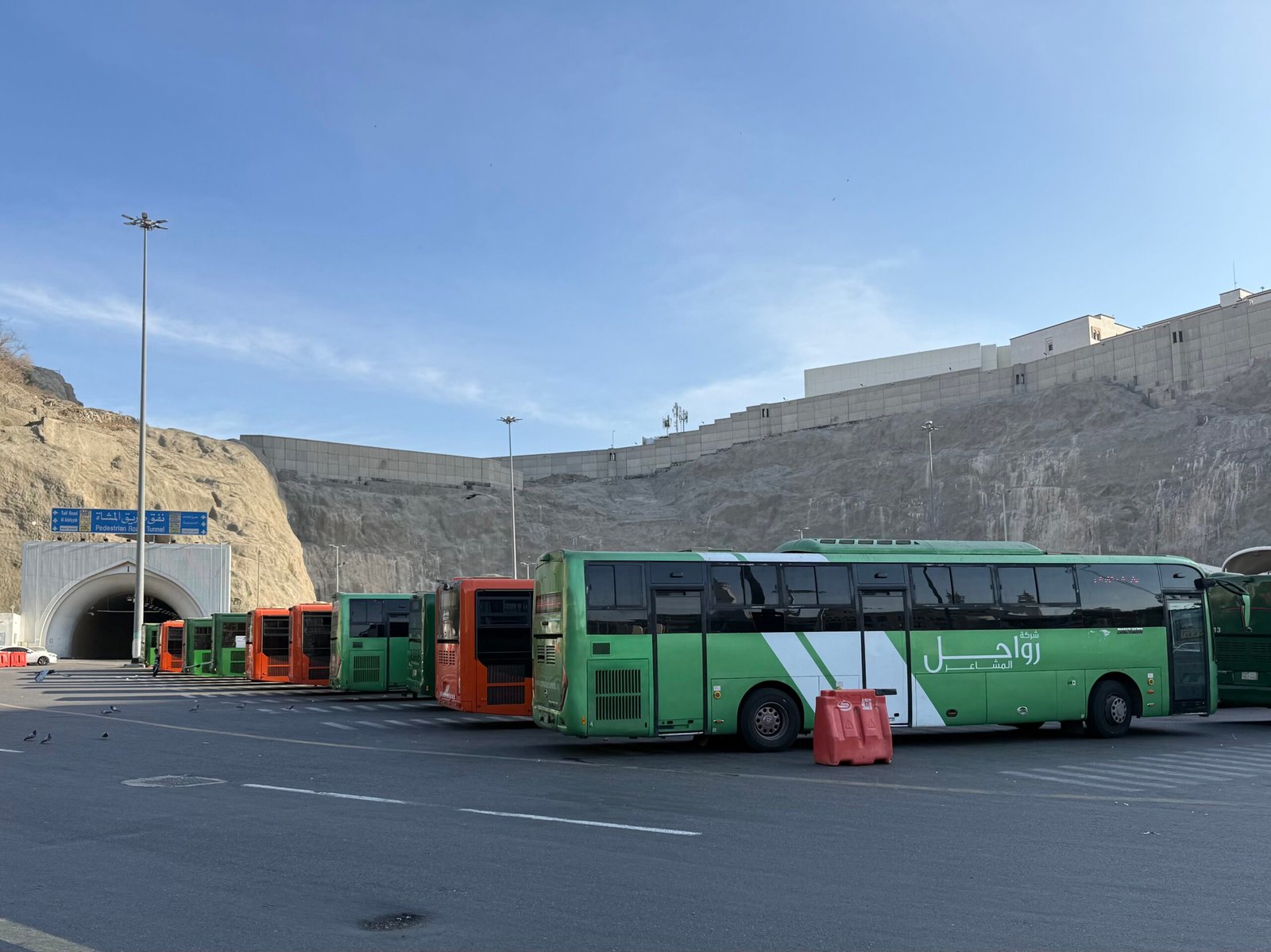
Speaking of pilgrims, they do not necessarily all stay near the Kaaba. Most of them take buses (often included with their hotel stays) to access the holy center of Mecca. Given the numbers involved, this is easier said than done. The logistics behind moving all these masses become even more complex when one considers the fact that unlike most other Arab towns (that I visited), Mecca is not found along a shore, in a valley, or on an oasis, all being somewhat plain and thus easy to build on. Mecca is actually extremely hilly, which makes traversing it difficult for pedestrians and cars alike. The Saudi government continues to open more bridges and tunnels to make sure that the traffic and people can move from one place to another, but with just how many more pilgrims seem to want to visit the city every year, their work is difficult to say the least. You can find some sizable bus stops like these in some strategic areas across Mecca, and their entire purpose is to ferry in and out pilgrims that often live just across the hills that you can see in the photograph above.
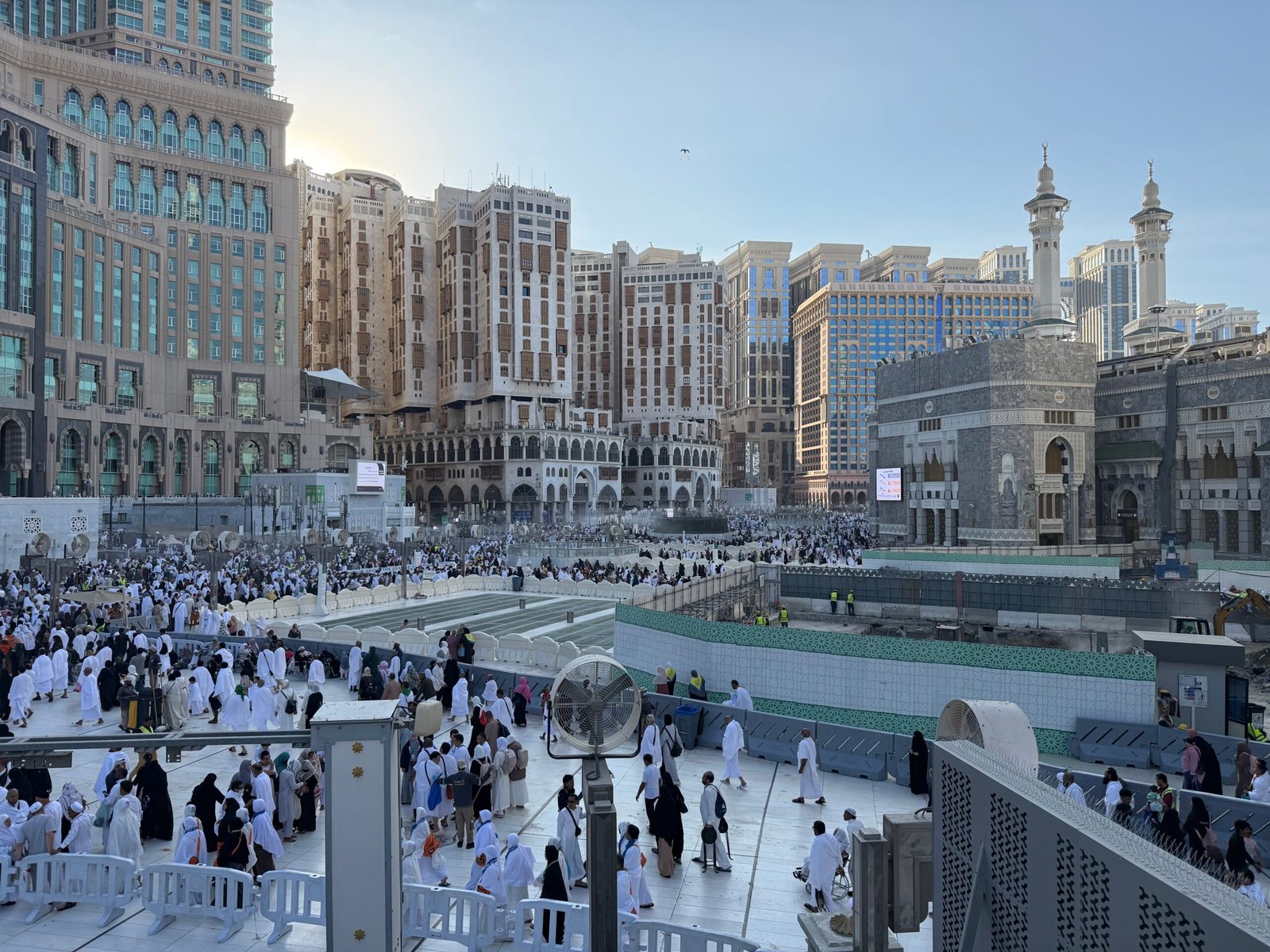
In fact, the scale of everything in Mecca is bound to be quite surprising for first timers. Despite coming from Istanbul, a city that is certainly not known for being sleepy, I was shocked at just how lively (and crowded) Mecca was. This city is truly alive all the time, with there being little to no signs of slowing down throughout the day and night. Since the daytime temperatures are a bit too much for most pilgrims, the city is even livelier during the night, when many come out of their hotels to perform their Umrah, or pray in peace.
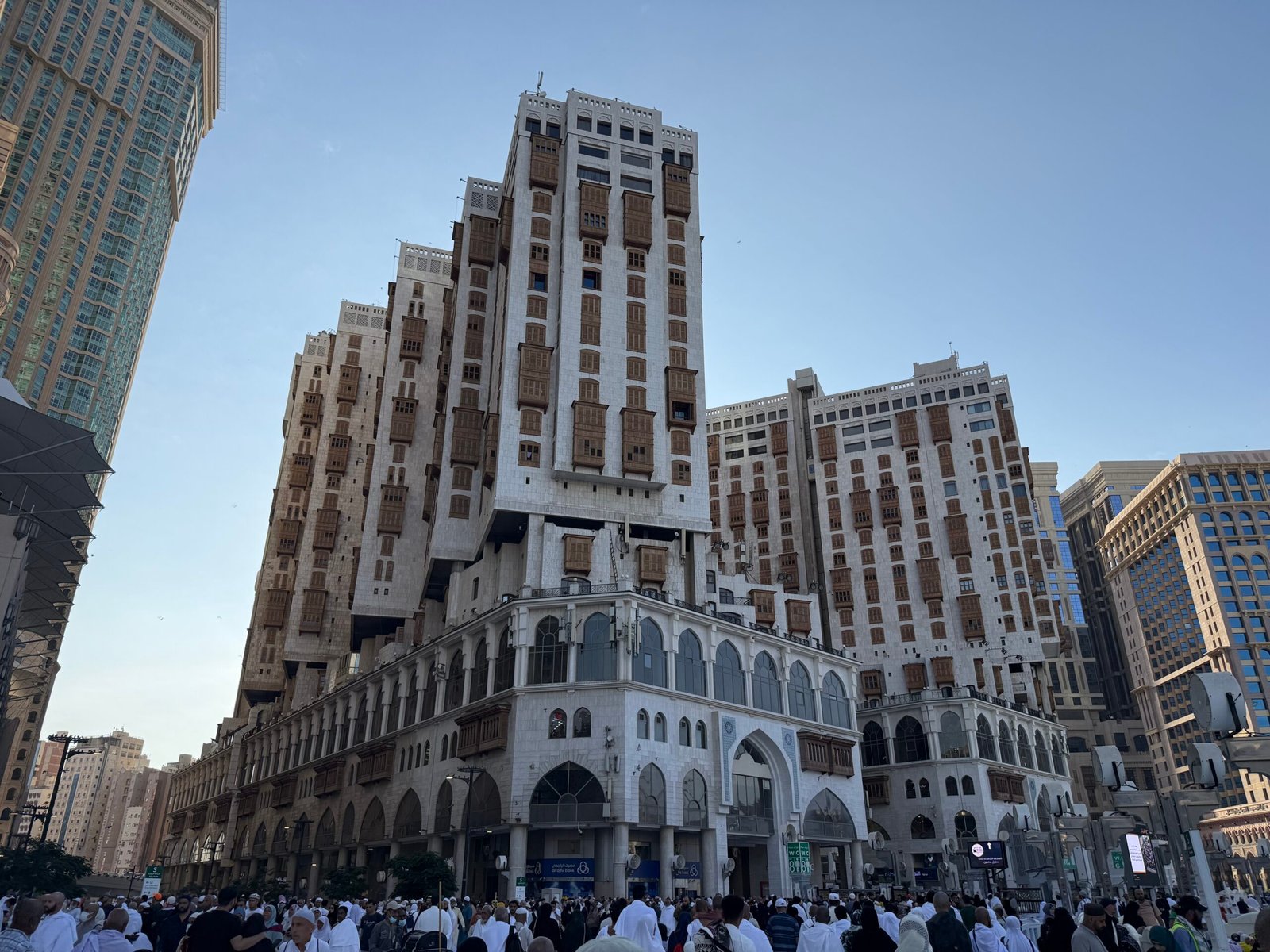
With that being said, as you can see for yourself, it is not as if the city (or at least the area around Kaaba) is ever truly sleepy. Even during the supposedly unpopular daytime, you can find people flooding the mosques, streets, malls, and restaurants, in what seems to be a never-ending torrent. This is why you see all these extremely large buildings all around Mecca, but especially near its very center. All these people obviously need a place to stay, so at times it feels like half (maybe even more) of the buildings you come across in town are actually hotels of varying shapes and sizes, serving people from all over the world.
We most certainly did not stay in one of these more central and luxurious looking hotels. This entire Saudi trip of mine was mostly bankrolled by my uncle, whose money I did not want to waste in the slightest. We had little appetite for spending any time in our hotels, and as such paying more for a room did not make the most sense to us at the time. This turned out to be a rather good decision. Since our hotel was around a kilometre away from Kaaba, it was still possible to reach it by a short walk, and yet this more distant location provided us with a slightly less crowded neighbourhood that nevertheless also had plenty of amenities like markets and restaurants.
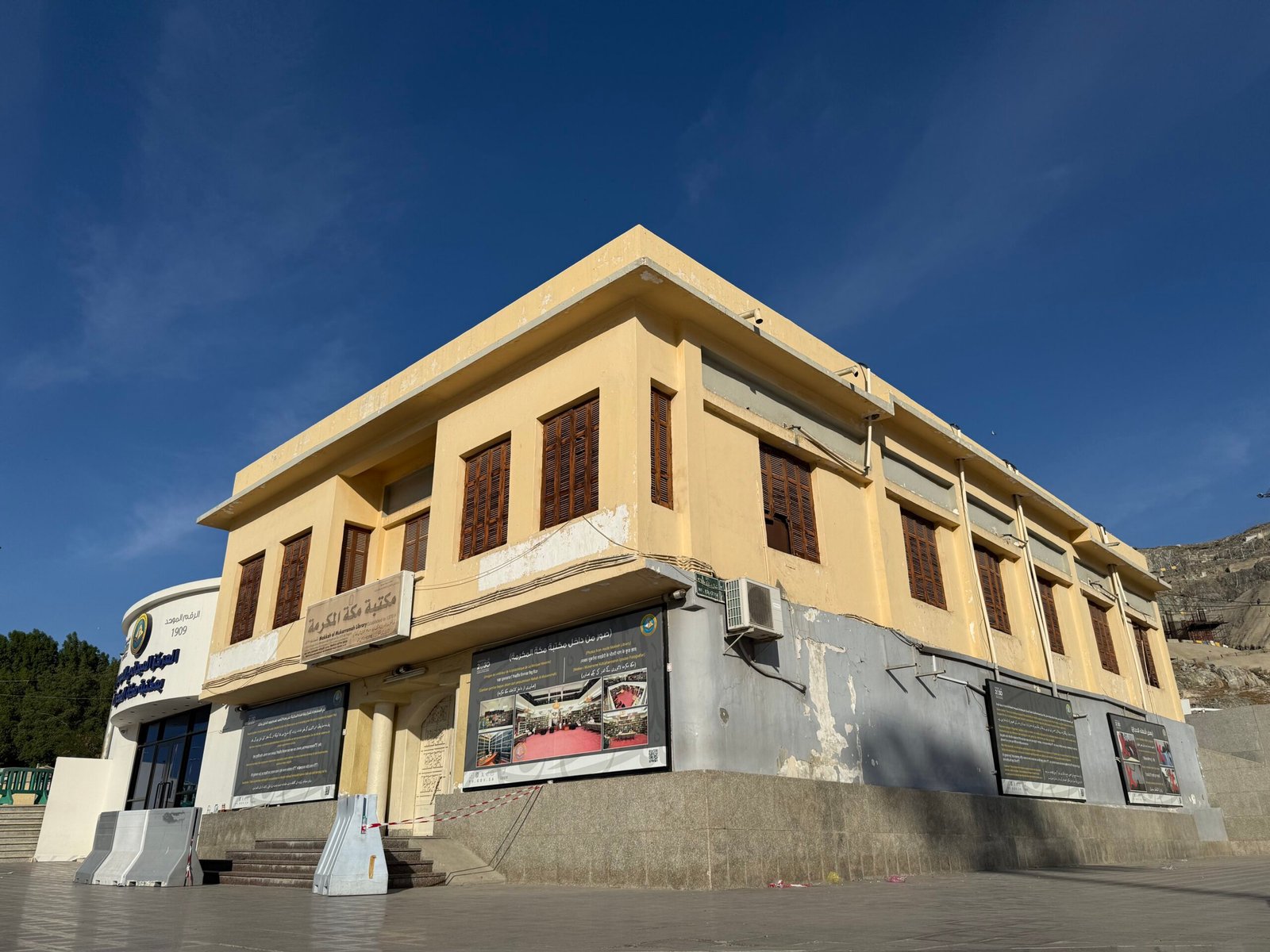
Of course, Mecca is not just about the pilgrims and the logistics that is required to support their needs. This is also the city where Prophet Mohammad was born. It is also the birthplace of Islam since this was where the Prophet first started to spread the religion. Today, in place of Prophet Mohammad’s home, one can find the library of the city of Mecca. This is found near the aforementioned bus stop, which is close to one of exits of the Great Mosque of Mecca. One can find such bits of Islamic history all across Mecca, but since most pilgrims simply focus on worship, these spots remain somewhat seldom visited, or at least that seemed to be the case when I was there.
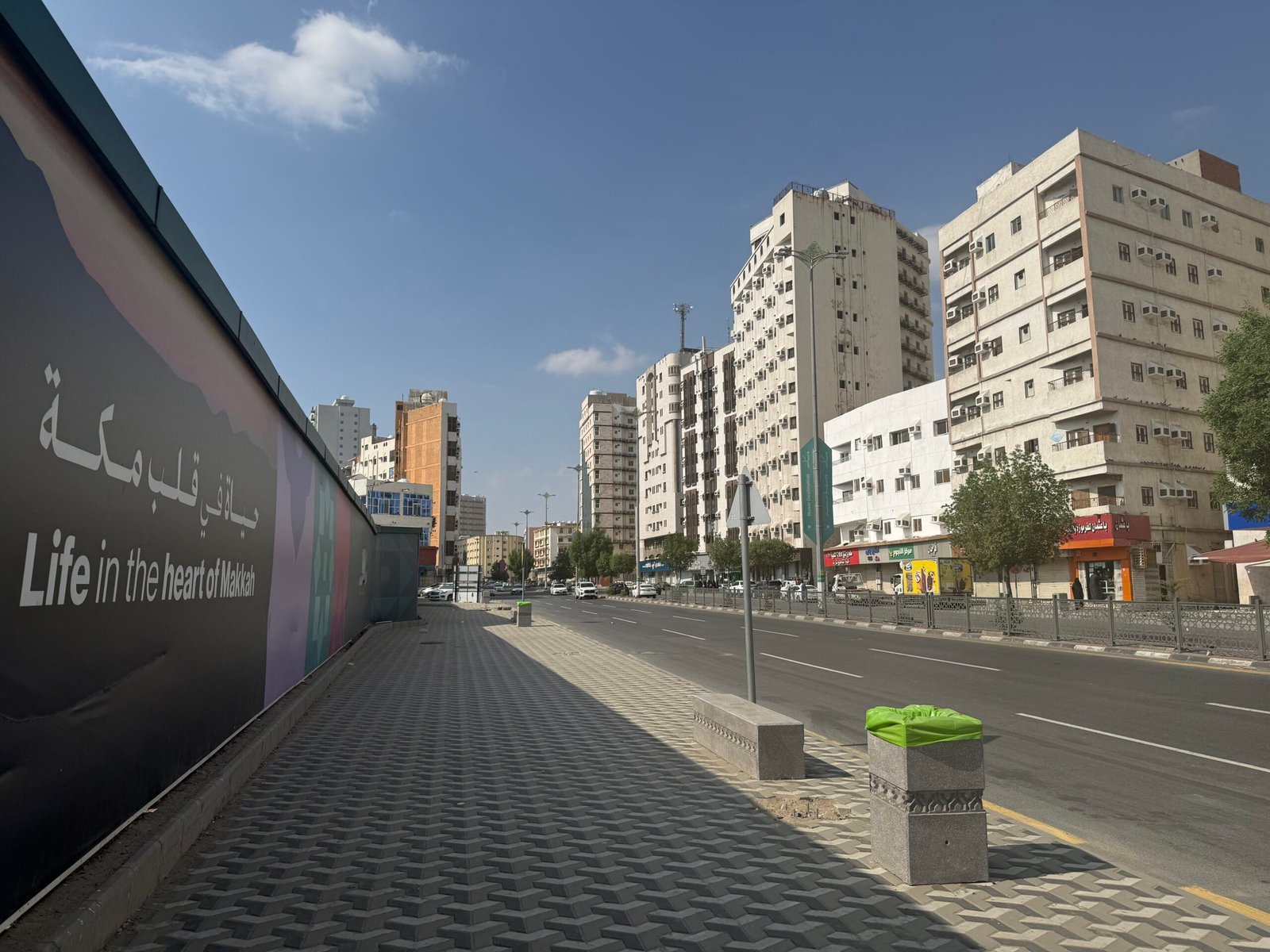
Noticeably, even fewer pilgrims visit the parts of the town that just happens to be half an hour walking distance from the city center. That is why, while Mecca’s center remains one of the most crowded places that I ever visited, claiming that the entire city is crowded would be incorrect. In fact, it becomes as quiet and peaceful as any other Saudi town once you reach the neighbourhoods where most locals live.
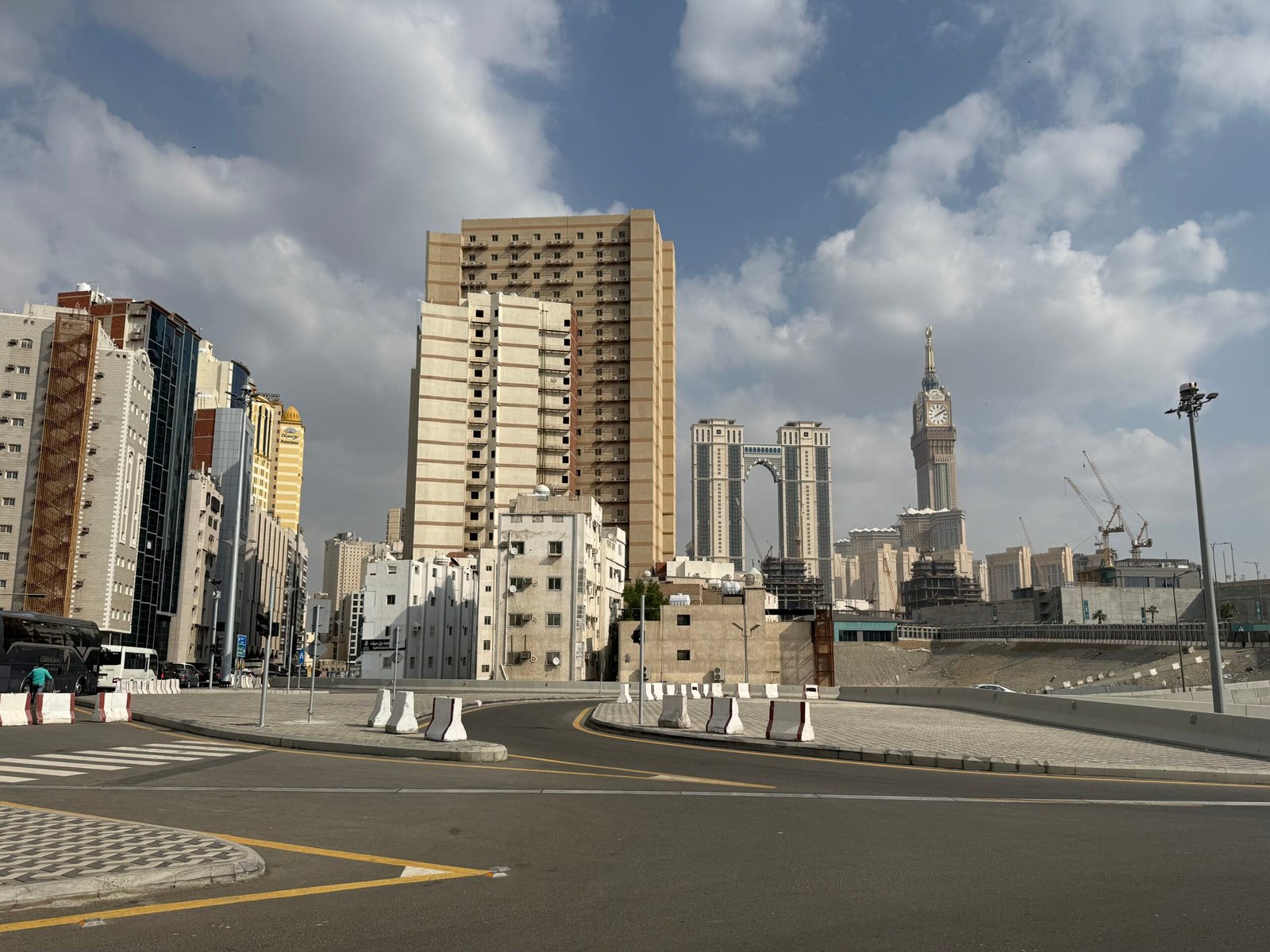
Here, you will still find many hotels, but you will also run into apartments, supermarkets, schools, and government buildings, making you realize that regardless of its religious characteristics, there is a fully functioning city underneath all of this, one that shelters and feeds millions of people, who in turn work the industries that allow tens of millions of pilgrims to visit the city annually.
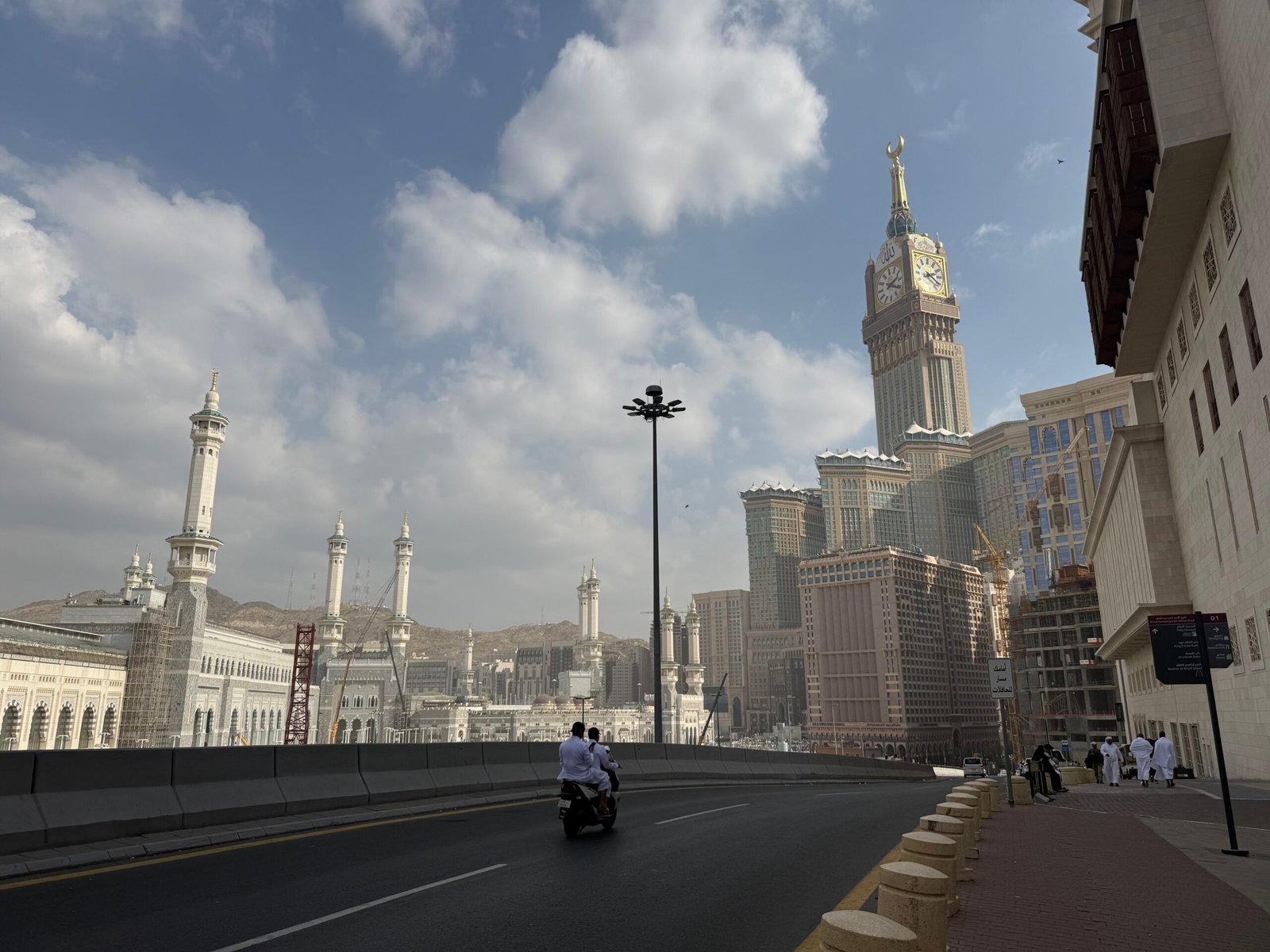
As we near the end of our journey across Mecca, soberingly, I must ask you to please take everything I write in this article with a pinch of salt. Mecca is a city where development never stops. In fact, the plans of Saudi authorities for Mecca are outright mind blowing, which makes me want to visit the city every few years to check how it is all coming together. You can see cranes and workers all around town, working towards making the pilgrimage easier, and the city even livelier in the coming years. This does mean that whatever you see in these photographs may very well change by the time you actually arrive at Mecca yourself. You can, technically, say the same for every single settlement on the world, but the pace of construction in Mecca is truly something else, which seems necessary given the number of people that flood its streets every year.
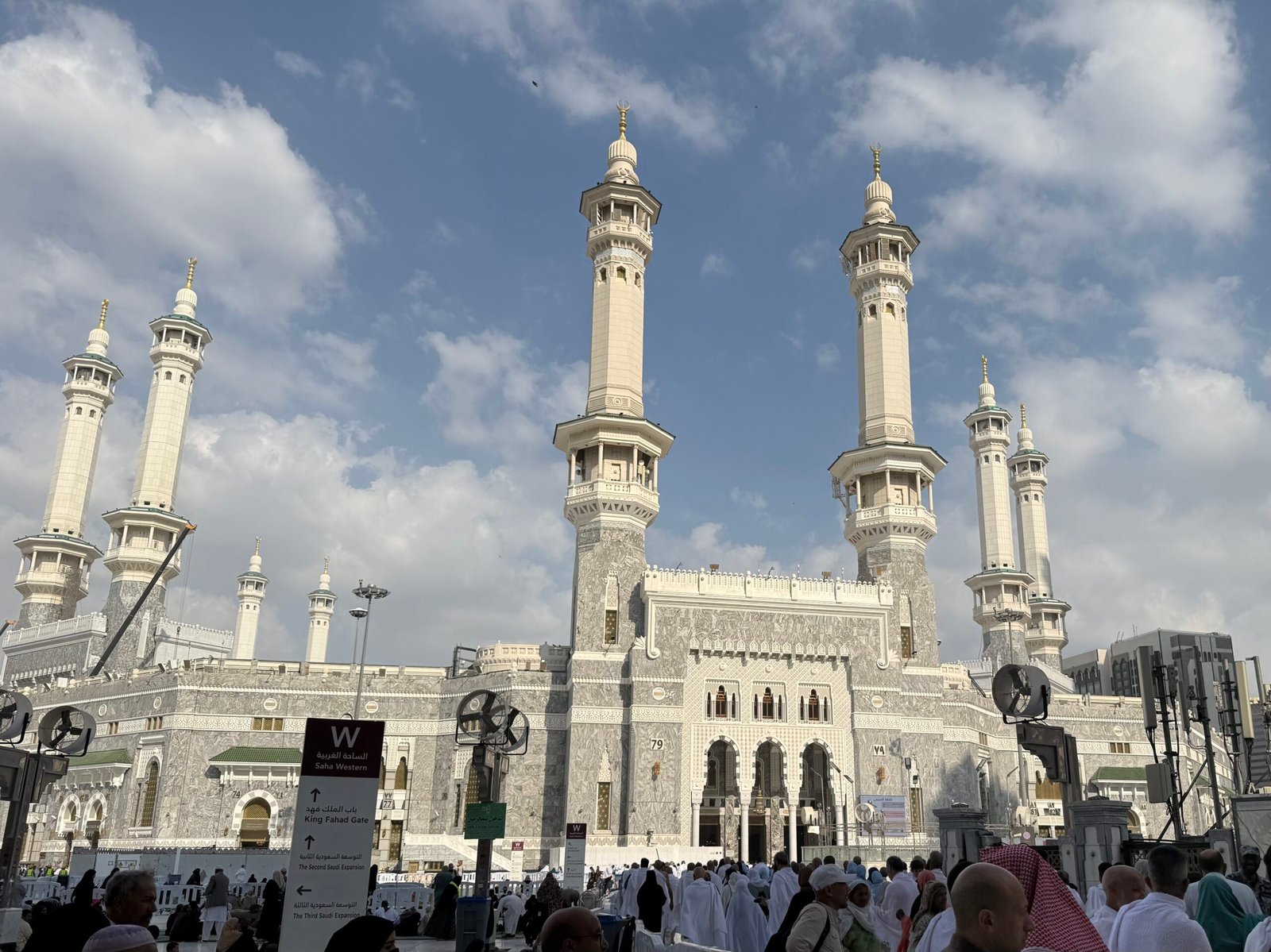
Throughout this article, I mentioned the Great Mosque of Mecca or the Kaaba every now and then. Kaaba is found within the Great Mosque of Mecca, which is the biggest mosque in the world, yet another world record for Mecca. This is one of the many (79th to be precise) doors to enter this massive place of worship. Next week, we will take a closer look into just what the Great Mosque of Mecca looks like from within, and see just how pilgrims perform their Umrahs inside this sprawling religious complex.