
Arabs lived in the vicinity of Riyadh for many centuries. In fact, even before the rise of Islam, one could see tribes thriving in this part of the Arabian Peninsula, mostly along the banks of Wadi Hanifah and in the nearby oases. Unfortunately, this article is not really about those earlier settlements. Instead, today we will take a closer look at a more ‘modern’ old Riyadh, specifically after the town already functioned as the Saudi capital that it is today.
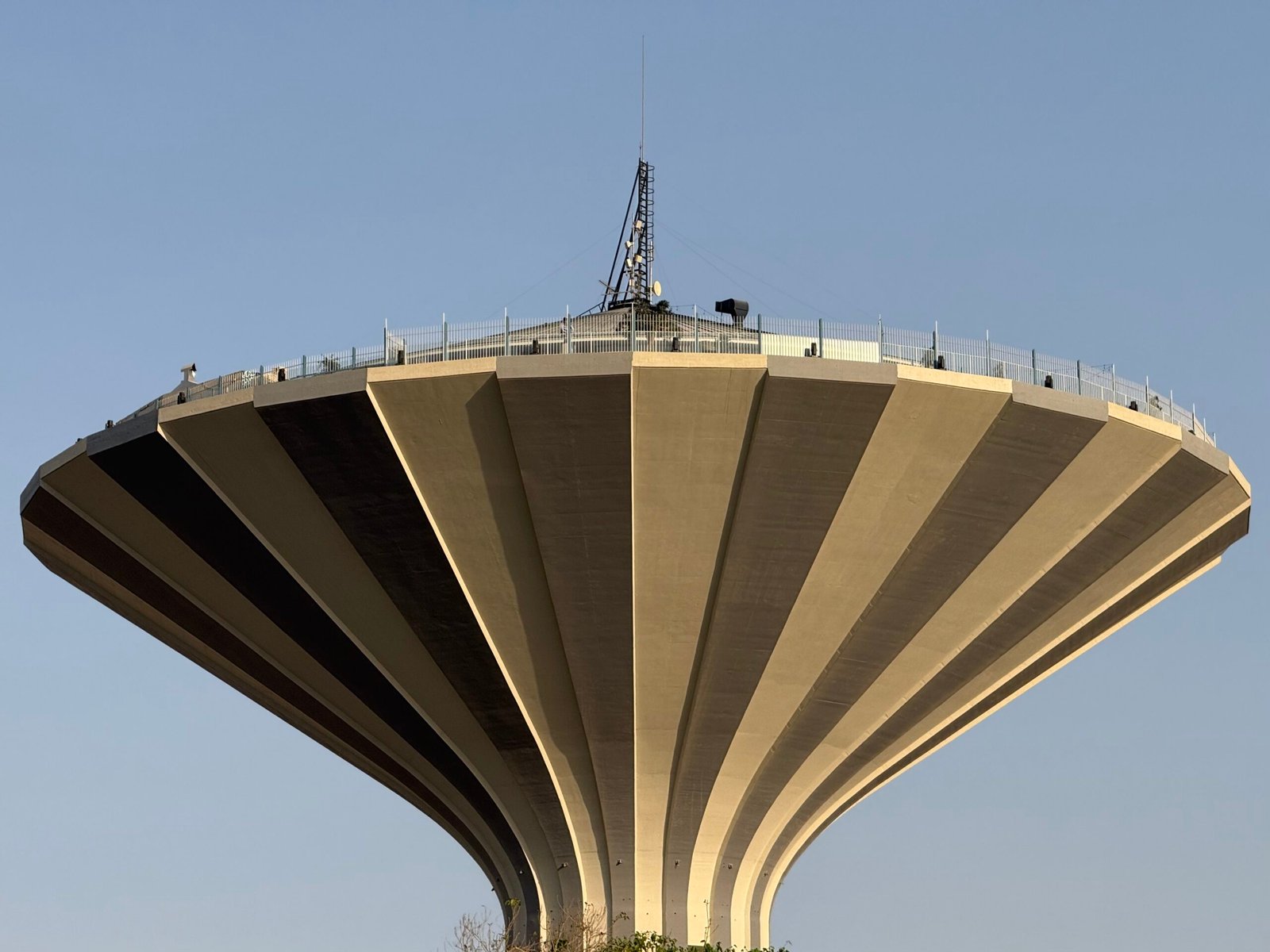
Being located in the middle of a desert, water is an especially valuable resource in Riyadh, a simple fact that helped shape the very architecture of the city. For example, you can find water containers atop most apartment buildings in town, though those are not necessarily anything new to anyone who ever visited a particularly arid region. What was news, at least to me, were running into these massive water towers, such as this Riyadh Water Tower, built all the way back in 1969. These huge structures must have been particularly useful for locals before the Saudi state spent billions on impressive waterworks that, overtime, made water readily available to the Kingdom’s denizens.
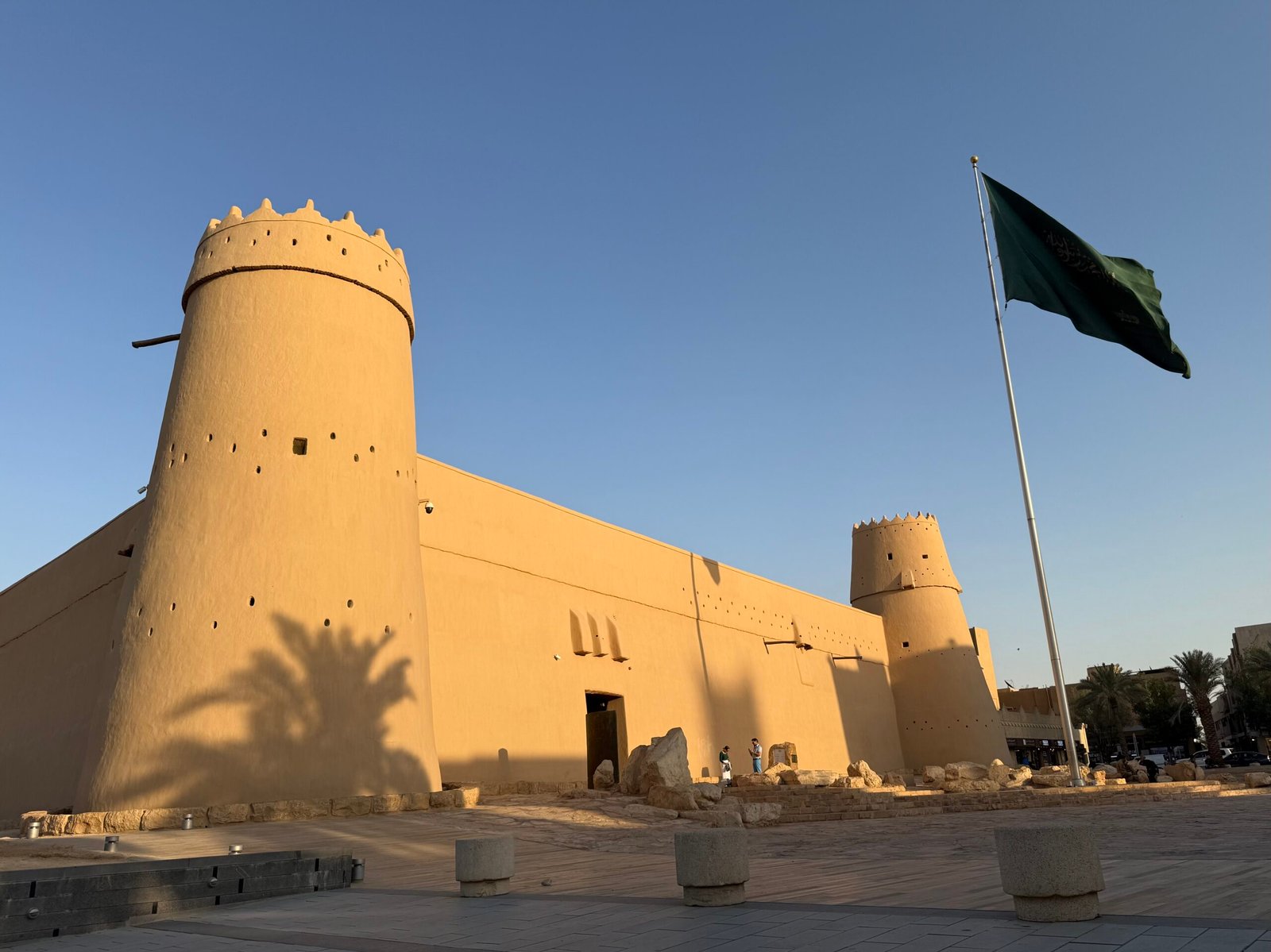
While access to water is not an issue today, this certainly was not the case for locals that lived here before modern amenities such as water treatment facilities, desalinisation plants, thousands of kilometres long pipelines that cross entire deserts, and so on. There was a time when wadis (seasonal river valleys) and oases were protected at all costs, often by building fortified structures, such as the Al Masmak Fort.
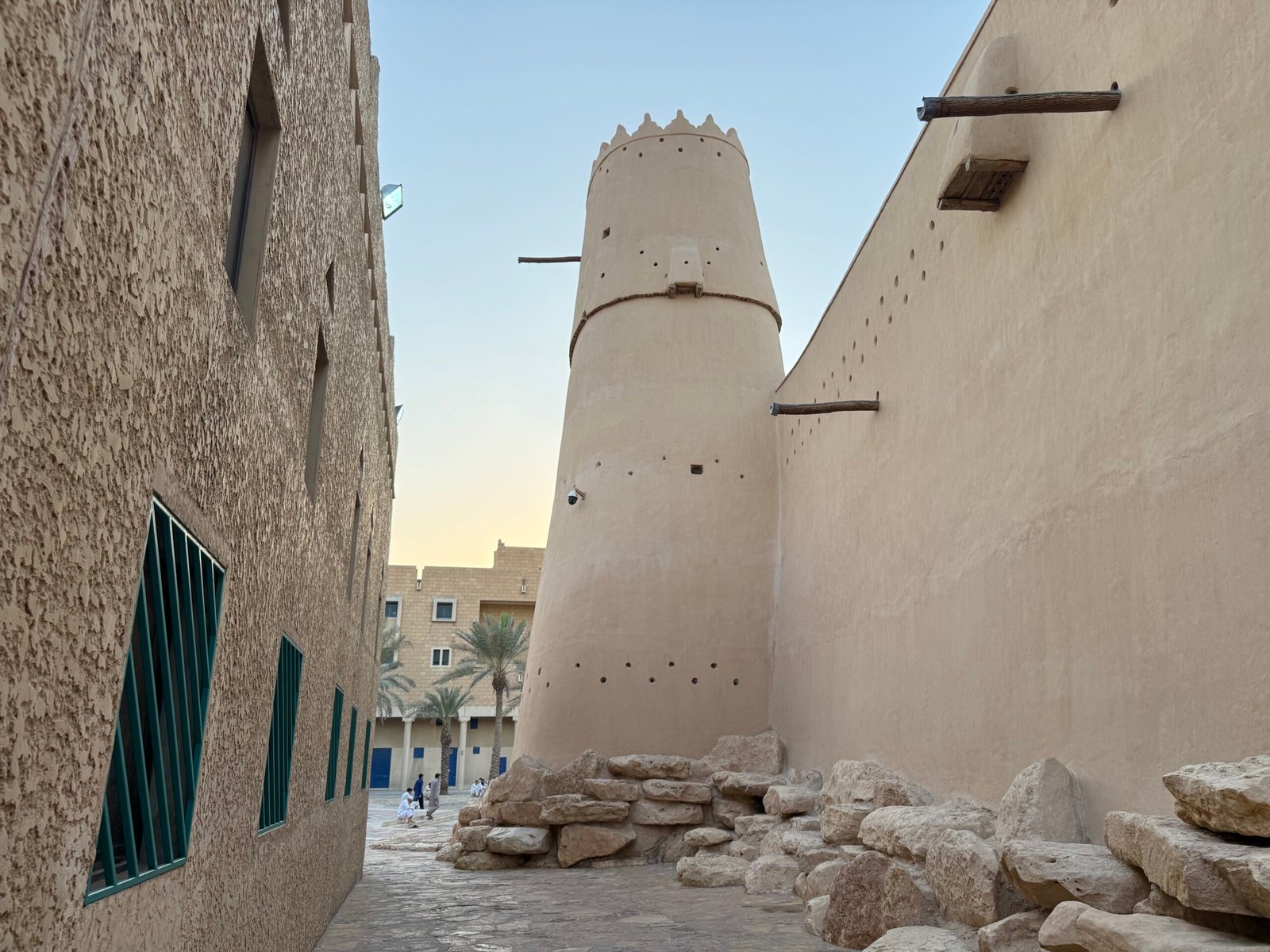
This was the fort that Ibn Saud stormed in 1902, reclaiming his ancestral lands in the process. Today, the Al Masmak Fort is located next to the Al Safa Square, which used to be known as the Chop-Chop Square among some foreigners who once lived in the Saudi capital. This was because this square was where public executions used to take place after Friday prayers, but the Kingdom stopped using this space for such punitive spectacles for quite a while now. Today, this historic area is practically reserved for leisure, though some administrative centers can be found here as well.
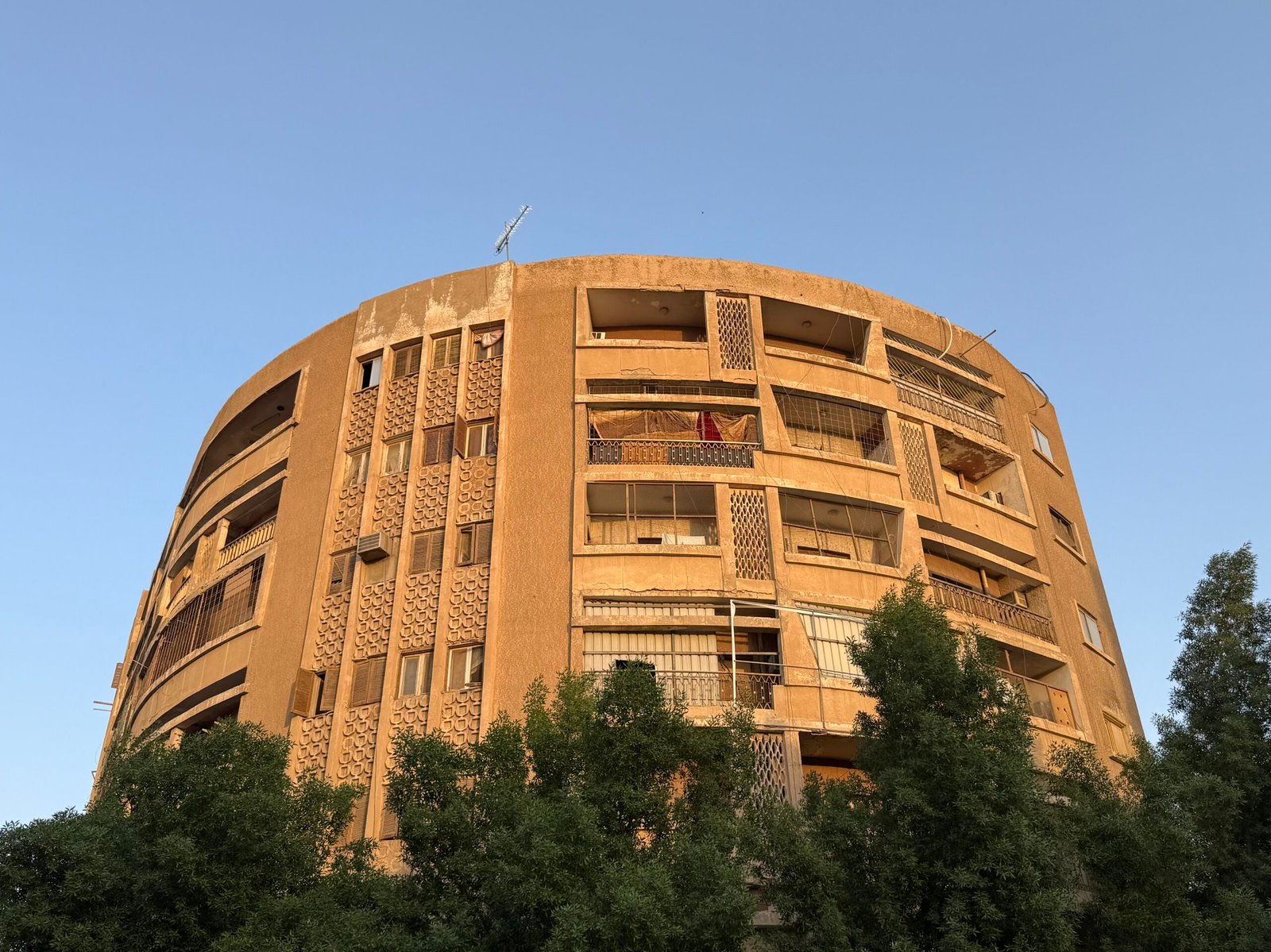
You can also find some of the oldest standing apartments in Riyadh here, at least that is what I have been told by the few locals who saw me taking photos of such structures. While this part of the town is not necessarily huge, it is filled to the brim with details of all kinds, architectural and sociocultural. I suggest you take your time walking up and down the few streets that make up the older center of Riyadh today so that you can enjoy it thoroughly. Try and do this at least twice, once in the morning, and another walk after sunset.
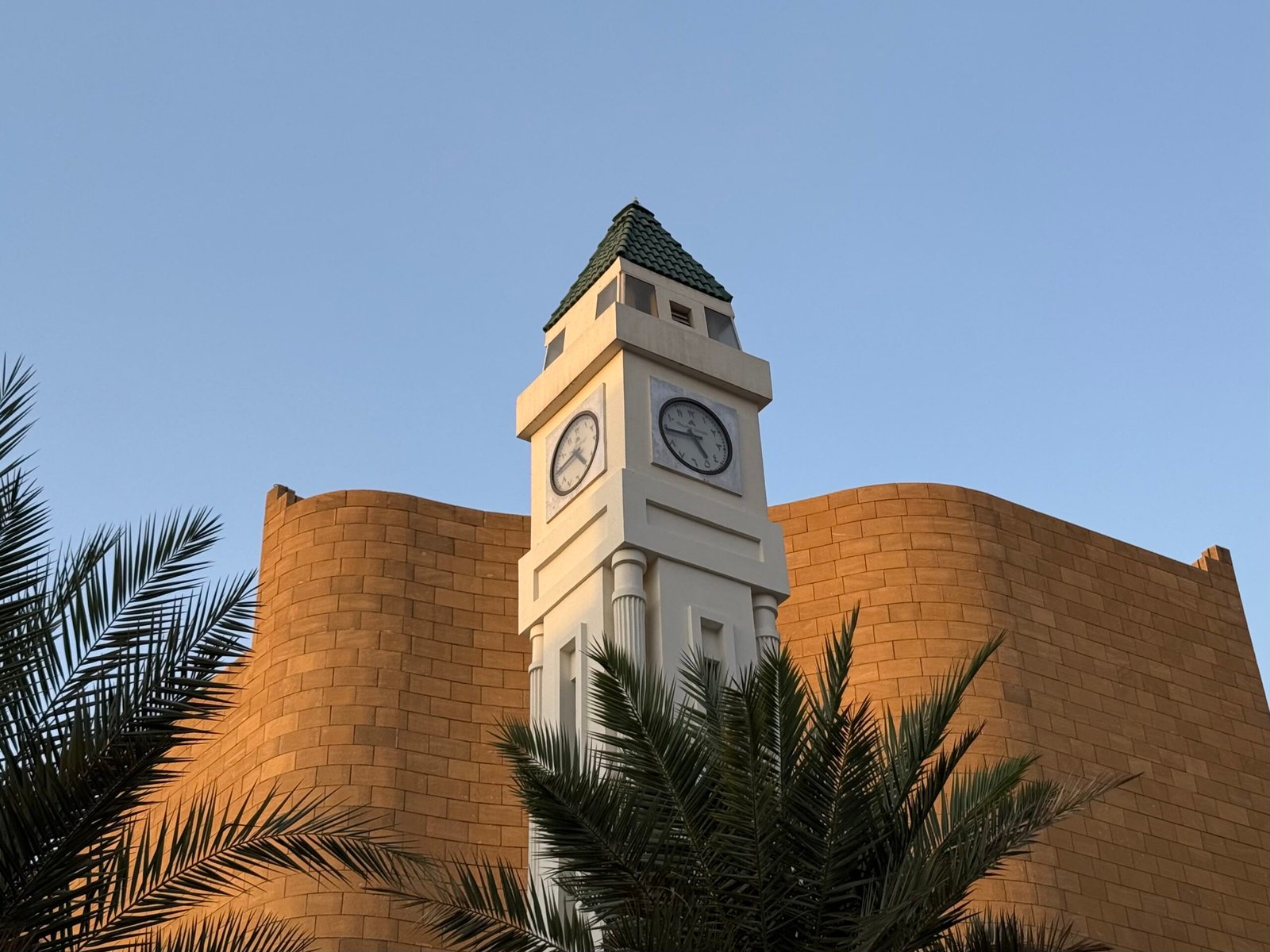
Some local landmarks are quite easy to find. Safat Clock Tower is a good example. It is difficult not to see an entire clock tower as you are walking around, especially since it is not surrounded by any other particularly tall structures.
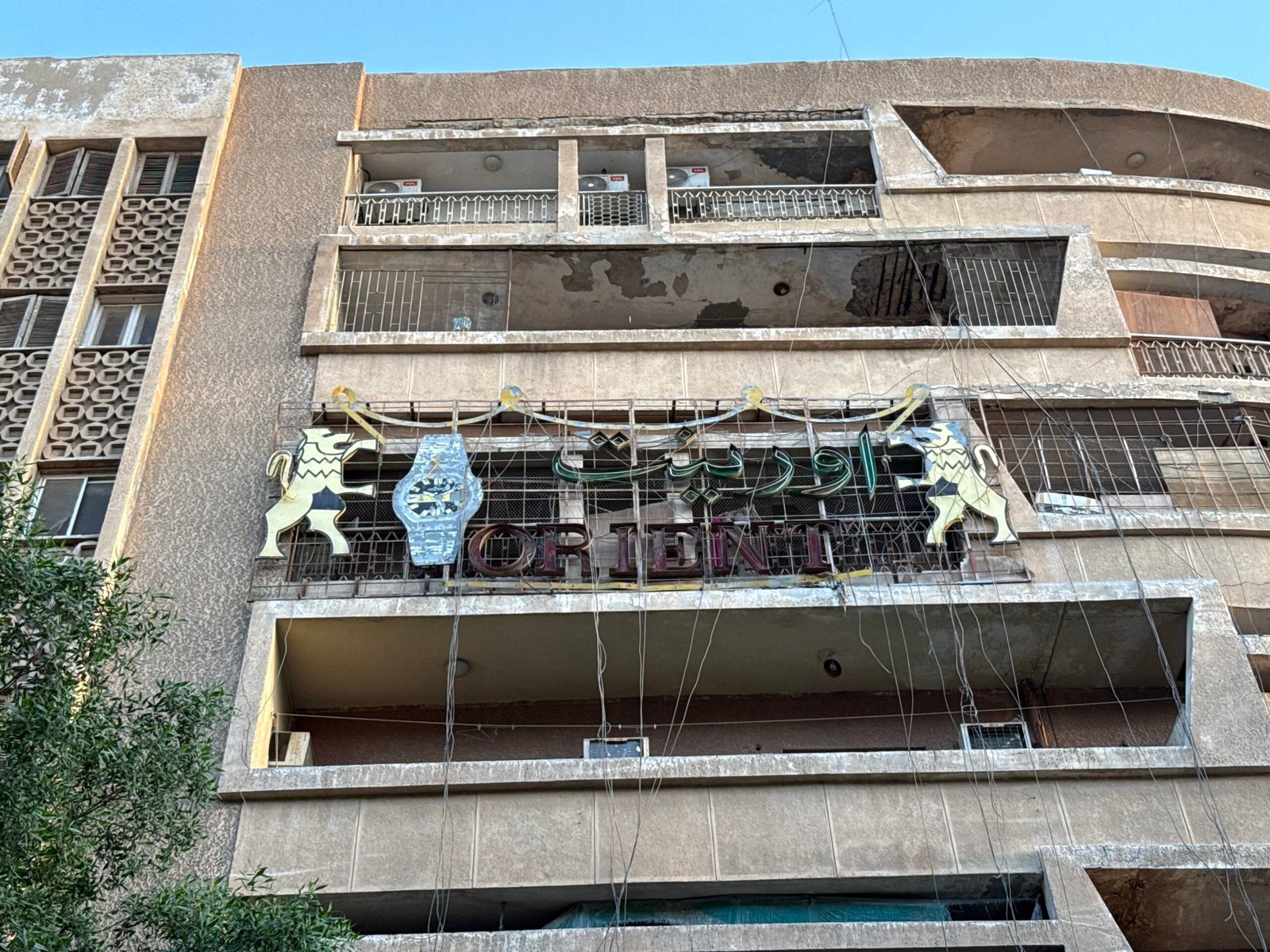
However, plenty of interesting details remain well hidden in the urban forest of central Riyadh. Some of you may be familiar with the Japanese watch brand Orient. I for one love their Bambinos. Running into one of their ancient signs, complete with its Arabic translation, was not something I expected as I wandered around the streets of Riyadh’s Deerah district. It is simple yet satisfying discoveries like these that push me to keep exploring cities on foot. In fact, I managed to walk around 200 kilometres within Riyadh during my nine day trip there, which should tell you a thing or two about my dedication to this style of exploration.
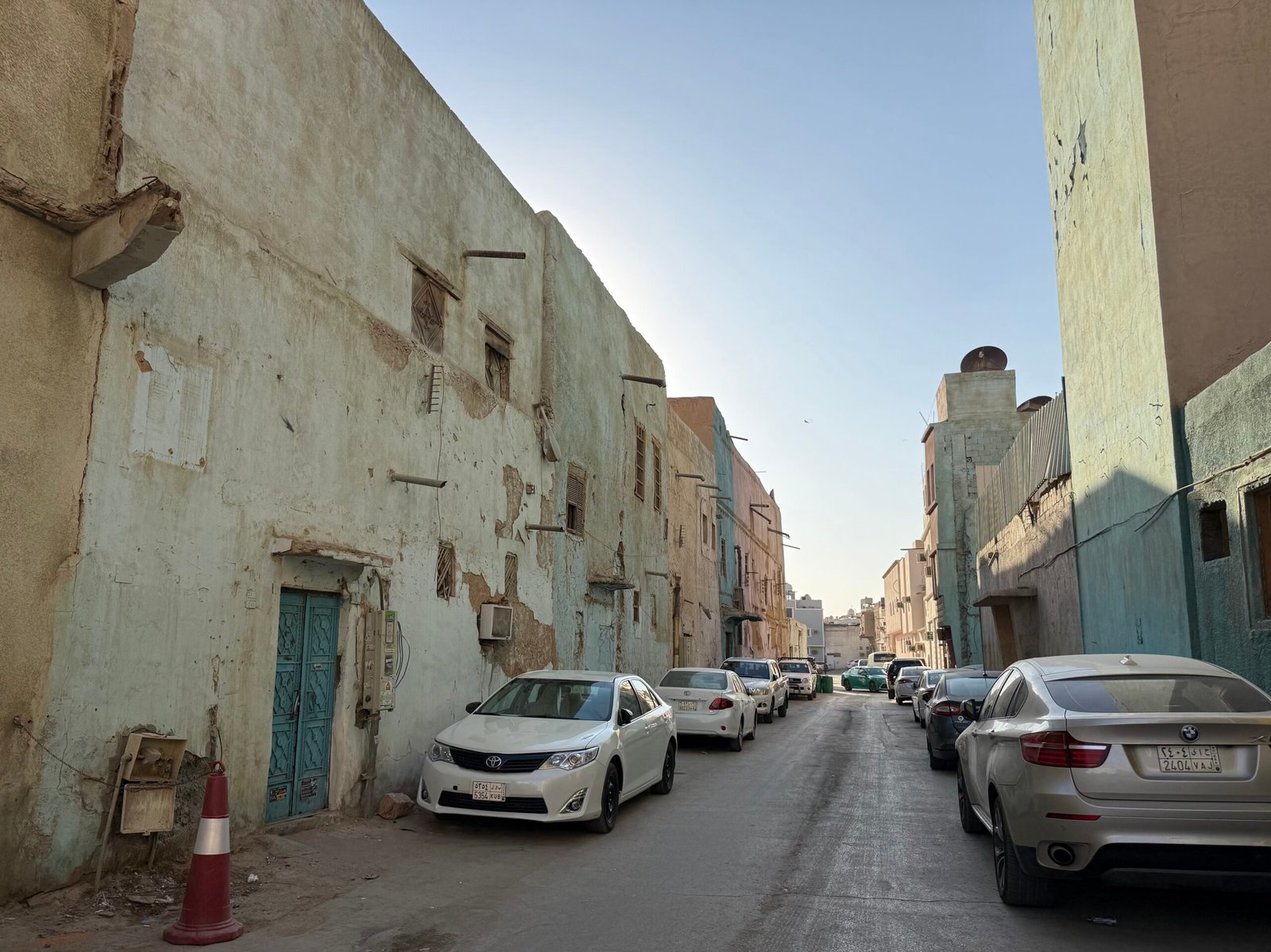
Personally, I think running into interesting sights on your own is most of the fun in any trip. This is one reason why I do not create listicles on this website, nor do I even provide the necessary links to most locations that I mention, with the exception of eateries. Finding out where these things are on a map, figuring out your own route towards them, and making your own itineraries is half the fun, while the other half is just letting go off that itinerary when necessary and getting lost in the backstreets of towns you visit. Riyadh being Riyadh, one of the safest cities that I had the joy of visiting thus far, allows you to explore all of its nooks and crannies with joy.
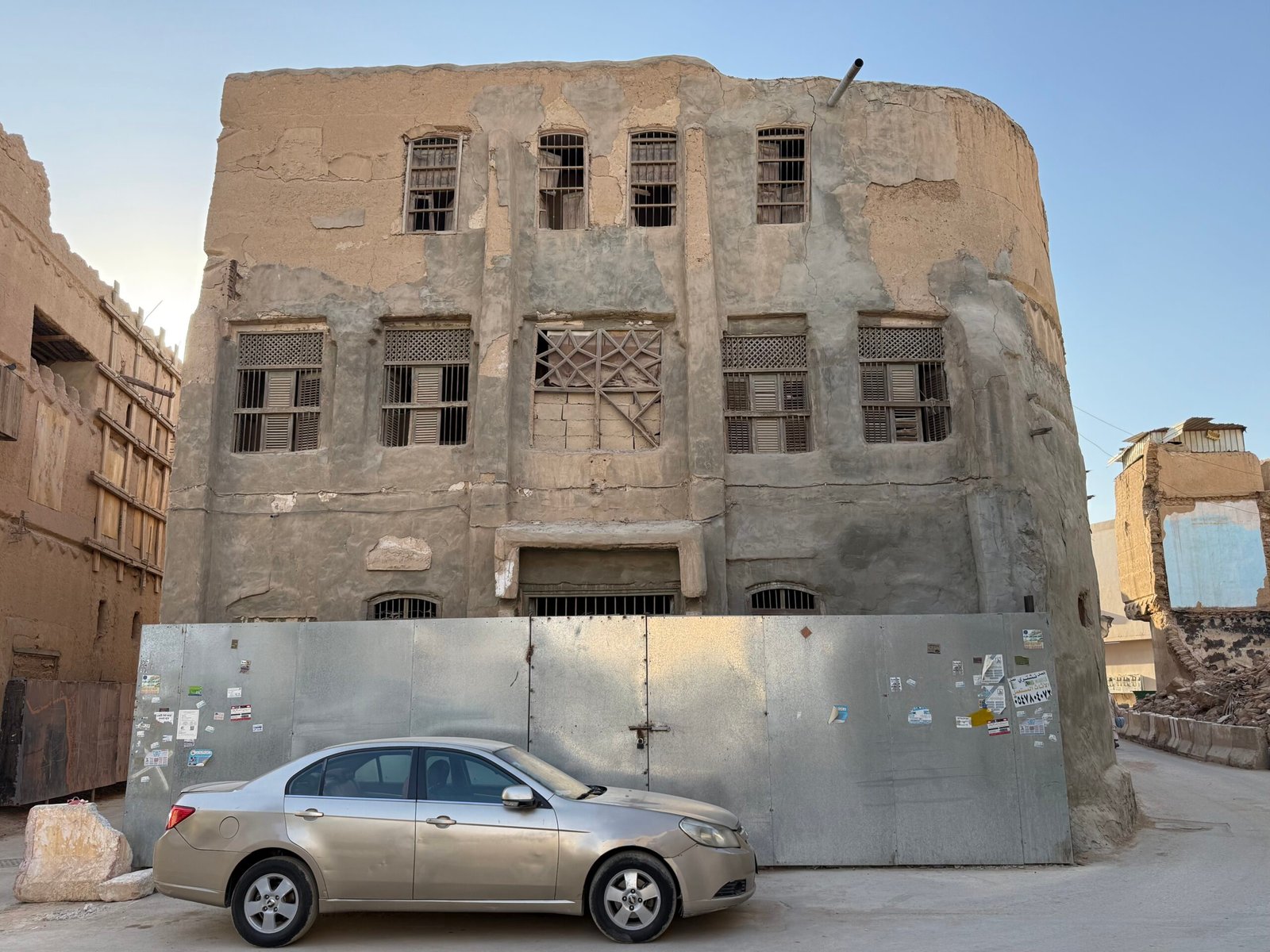
That is how I came across this most interesting neighbourhood in Deerah. If you walk from Al Batha metro station to Al Masmak Fort, try and avoid using the main road. Go into the side streets instead where you will come across a very different looking Riyadh. These are ancient houses, some reportedly here for well over a century. Most of them seem abandoned today, their denizens presumably living in more modern buildings across the town.
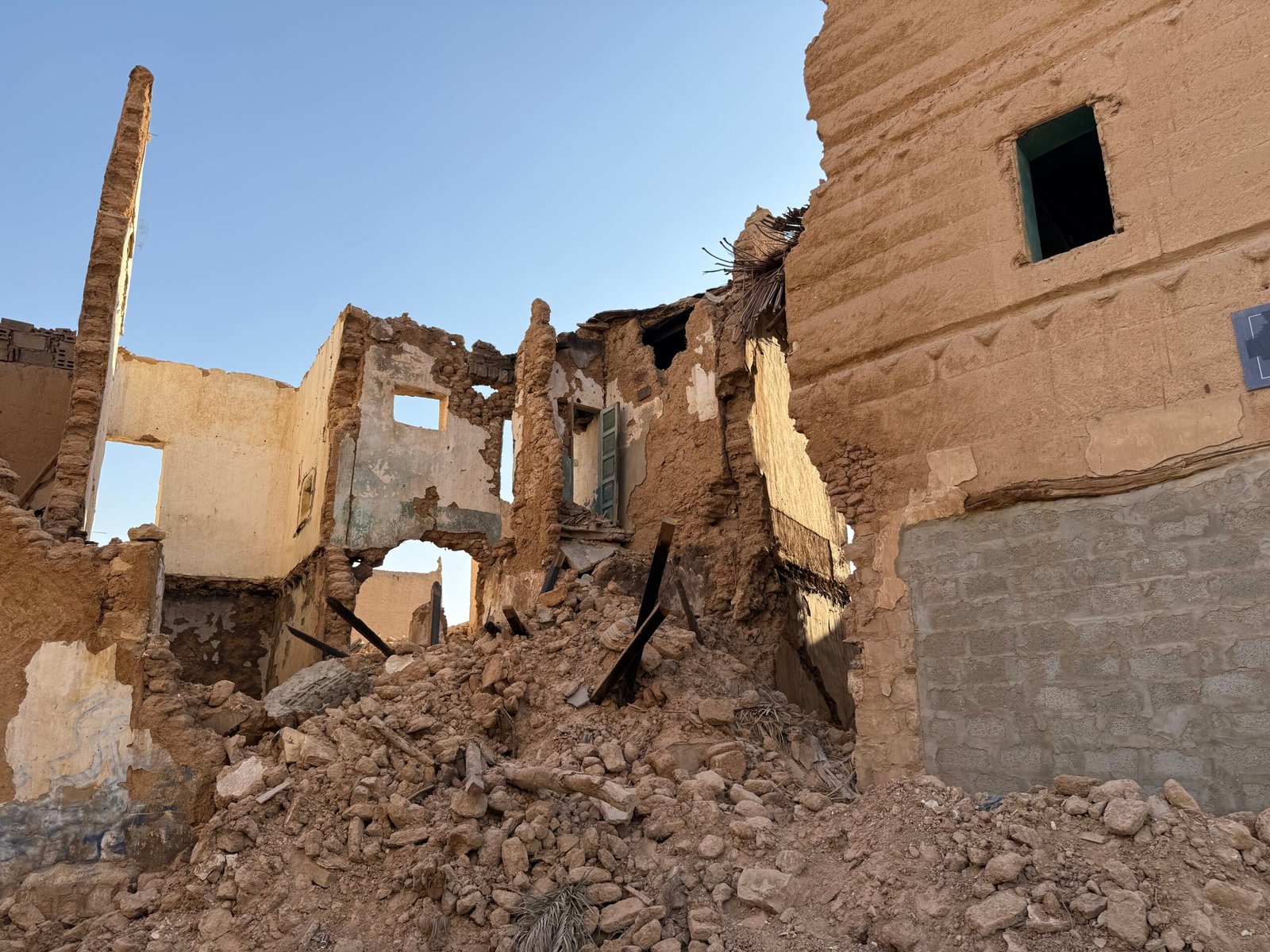
At first glance, this entire area seemed to have been abandoned altogether, but a chat with the locals I came across suggested that this was not really the case. Riyadh is a rapidly developing city. While it develops all along its peripheries, it constantly renews itself from within as well. Certain central locations such as this one were undergoing renovations, with the aim to eventually turn the greater historic Deerah neighbourhood into an even more attractive tourist destination.
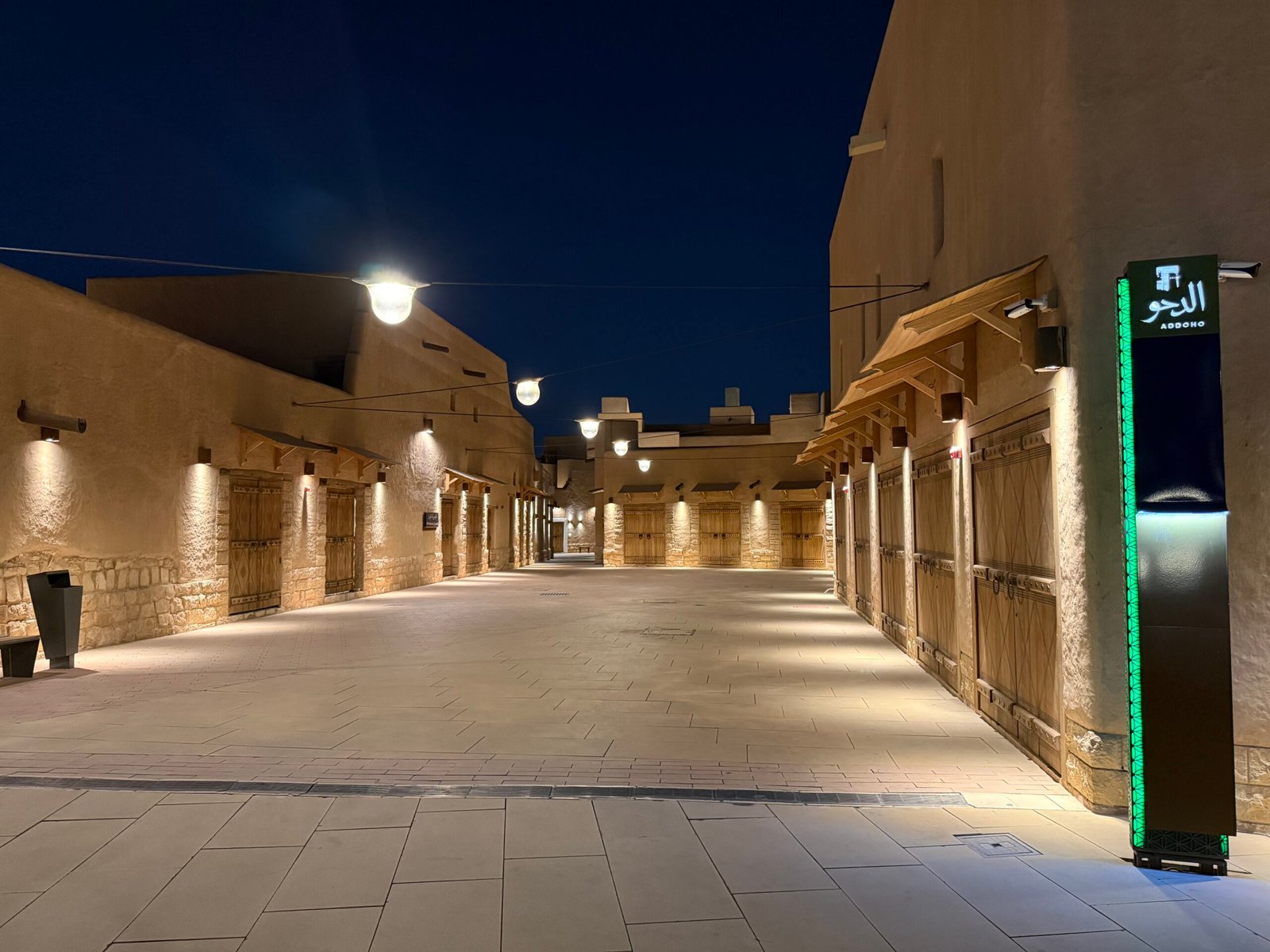
During my visit, I could already see some renovated parts of Deerah, such as the Al Dho Historical Quarter. As far as I could tell, this place was not yet fully open to the public, but you could already wander around its winding streets. There should be some markets and eateries filling this area in due time, though I was not lucky enough to be there at the right time.
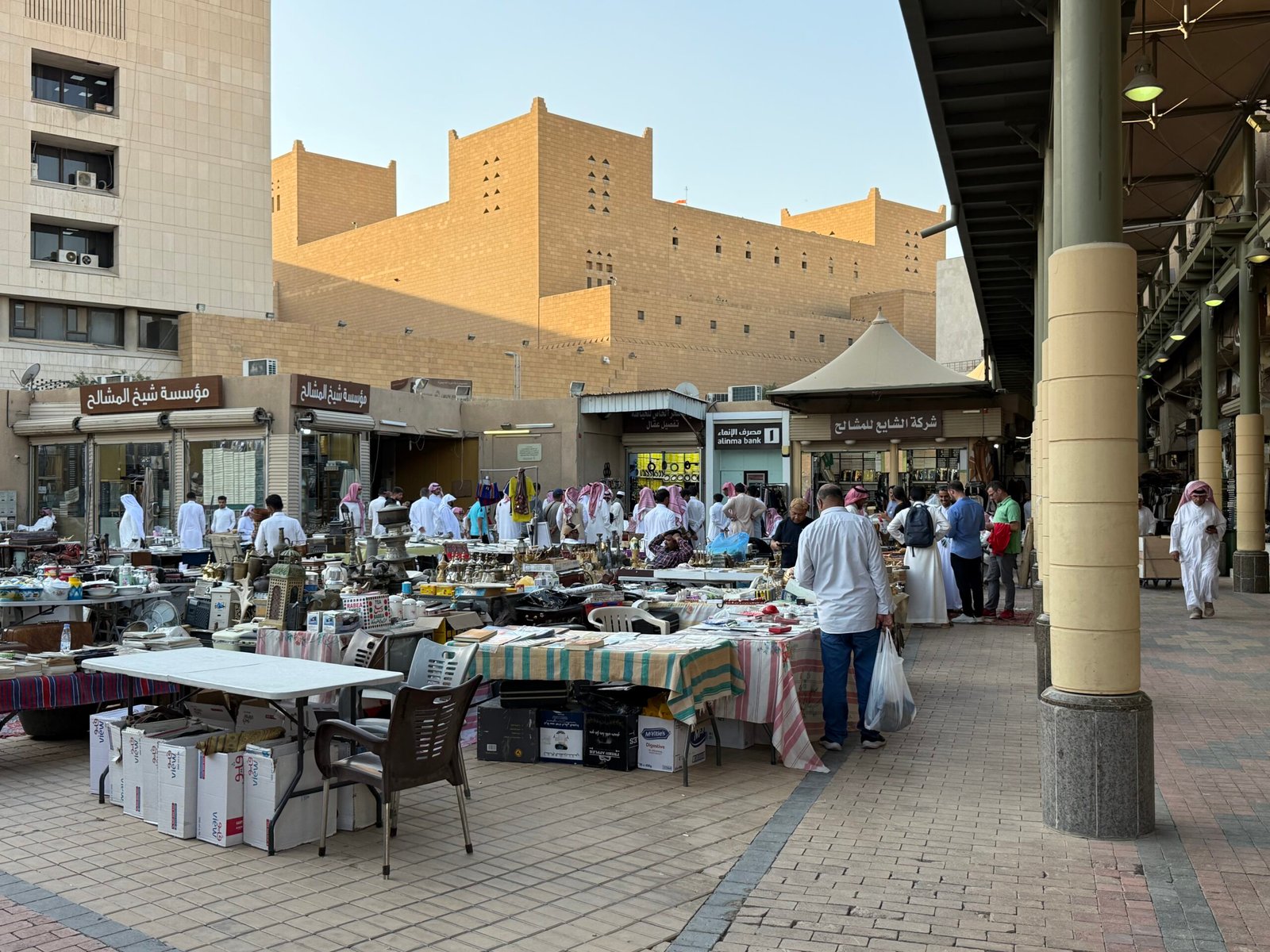
As you move away from the more central parts of Deerah, mainly the aforementioned fort and the square, you come across one bazaar after another. While all of these bazaars, or souks in the local tongue, are enjoyable in their own rights, none of them were as enjoyable to me as the Souk Al Zalal. This bazaar focuses on antique items, and while that alone is reason enough to visit it, what really fascinated me was how they often had some auctions that were taking place here. People were shouting with excitement as a gentleman toured around a particularly old looking rifle, and one old gent looked a tad too gleeful as he was handed the rifle after presumably winning the auction. This place was quite literally buzzing with such activity day and night. It goes without saying that I highly recommend spending some time in the bazaars of Deerah during your trip to Riyadh.
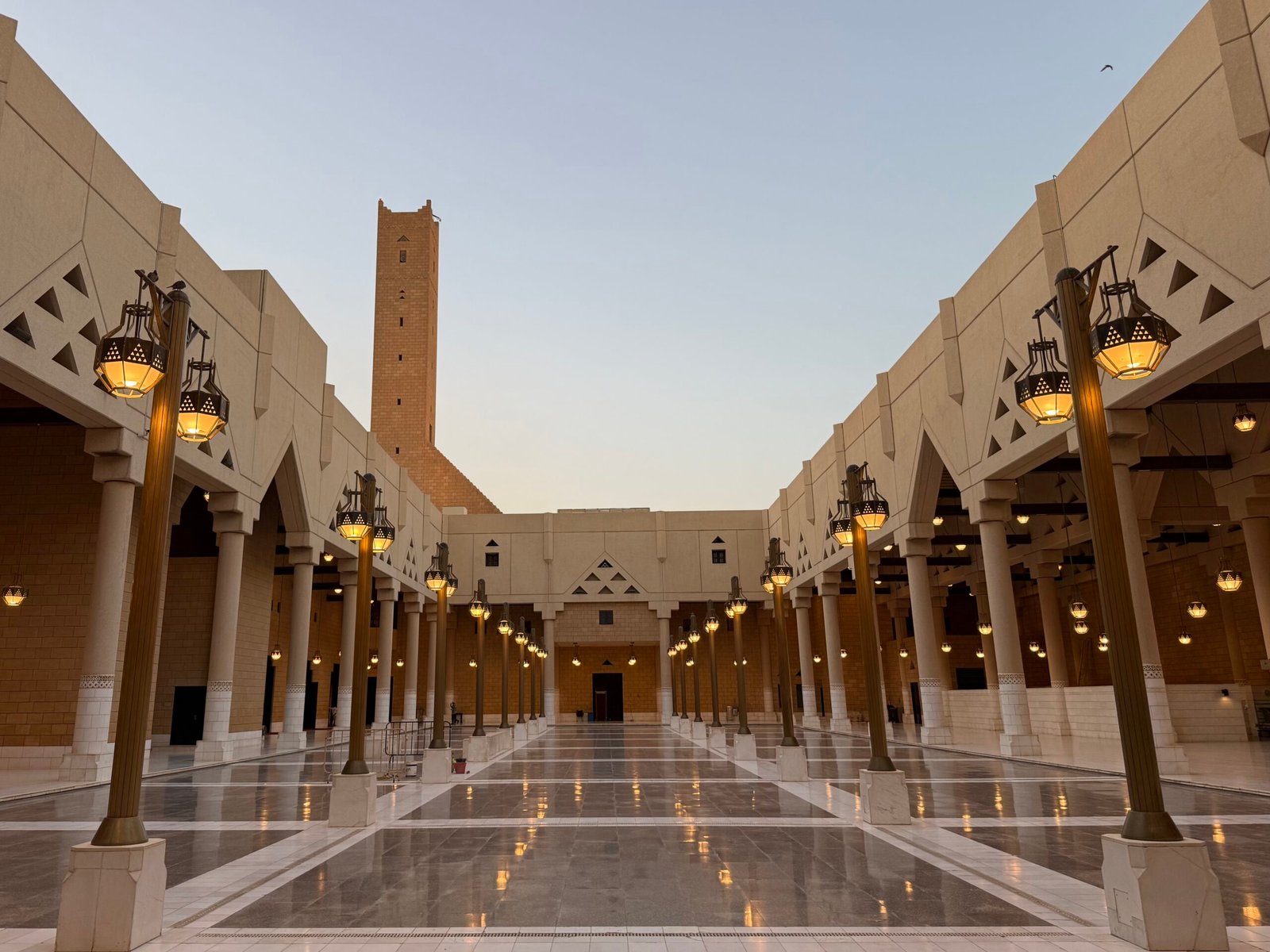
Of course, any piece of writing on old Riyadh cannot be complete without mentioning religion. Islam plays a critical role in Saudi society today, just as it did ever since the first Saudi state was founded a few centuries ago. Praying at mosques in mass is a crucial part of everyday life, and as such one can find mosques of varying sizes across the town, though the one in the middle of Deerah, Imam Turki Bin Abdullah Grand Mosque, is a particularly glamorous one.
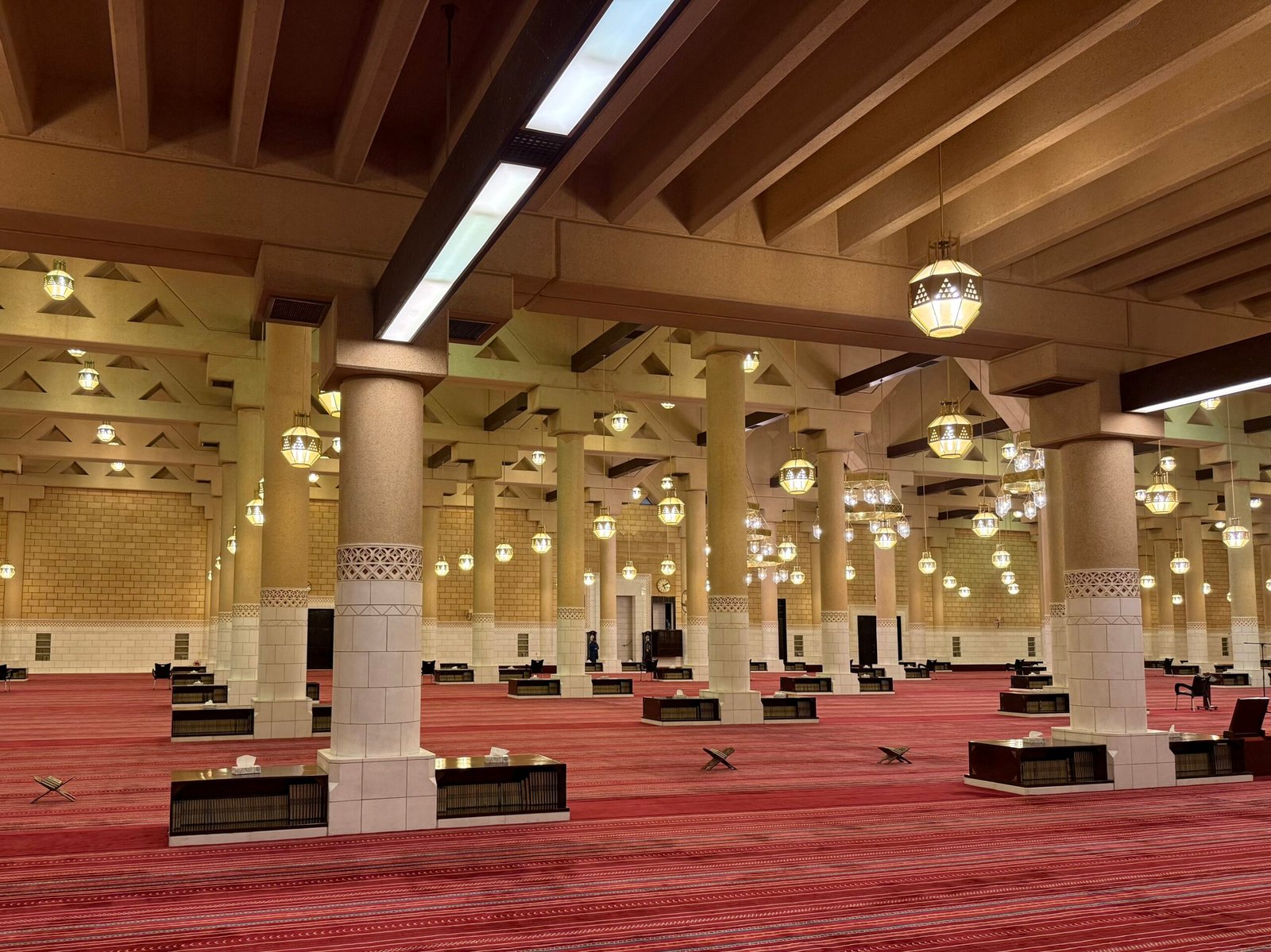
You can see believers from across the town (and around the world) pray in this central mosque every single day. This acts as a reminder that while Deerah, and many other parts of Riyadh are increasingly oriented towards tourists, these nevertheless remain very much lived in parts of Riyadh today. Locals regularly visit these places to relax, rest, and pray, as well as to socialize with one another. One can see commercial activity of all scales in the nearby Al Batha Commercial Center, and tradespeople can be seen working their jobs and commuting to and from work all around Deerah.
All of this is to say that Riyadh’s older city center is not just a simple tourist destination. It remains an integral part of the local people’s routines to this day. That is to say, it is not some sterile environment where you will be alienated from the everyday experiences of locals. In other words, you can enjoy both the historic beauty and the present liveliness of Riyadh in Deerah, something that cannot be said for some other overly touristic old city centres around the world. Of course, there is also a very different side of Riyadh that I specifically did not cover in this article, a side that is almost entirely modern. To find out what life is like in the more recently settled parts of Riyadh is like today, make sure to come back next week for my second article on the Saudi capital!