
Life is not easy in Sarajevo. The city is yet to recover from the wounds of the siege that it suffered in 1990s and given the fact that is quite literally losing blood in the form of a shrinking population, one cannot be too hopeful about its future. The Dayton Agreement that gave birth to Bosnia and Herzegovina (BiH), a quirky state that consists of the Serb-dominated Republic of Srpska and a Bosnian-Croat majority Federation of Bosnia and Herzegovina, managed to upset all parts of the society to varying degrees. Since it did leave everyone unhappy, one might even consider it a good compromise! I would not. As a Bosniak war veteran once told me, one cannot help but wonder just “what were the Americans thinking giving Bosnia three presidents to run a single country.” Despite quickly becoming my favourite Balkan country, and despite meeting some of the kindest people I have ever seen there, I cannot sugarcoat the Bosnian reality. When I left BiH, I only wished to be able to come back to this country when it is still in one piece, and such thoughts do not always cross my mind. The following article should explain why I entertain such horrifying scenarios in my mind.
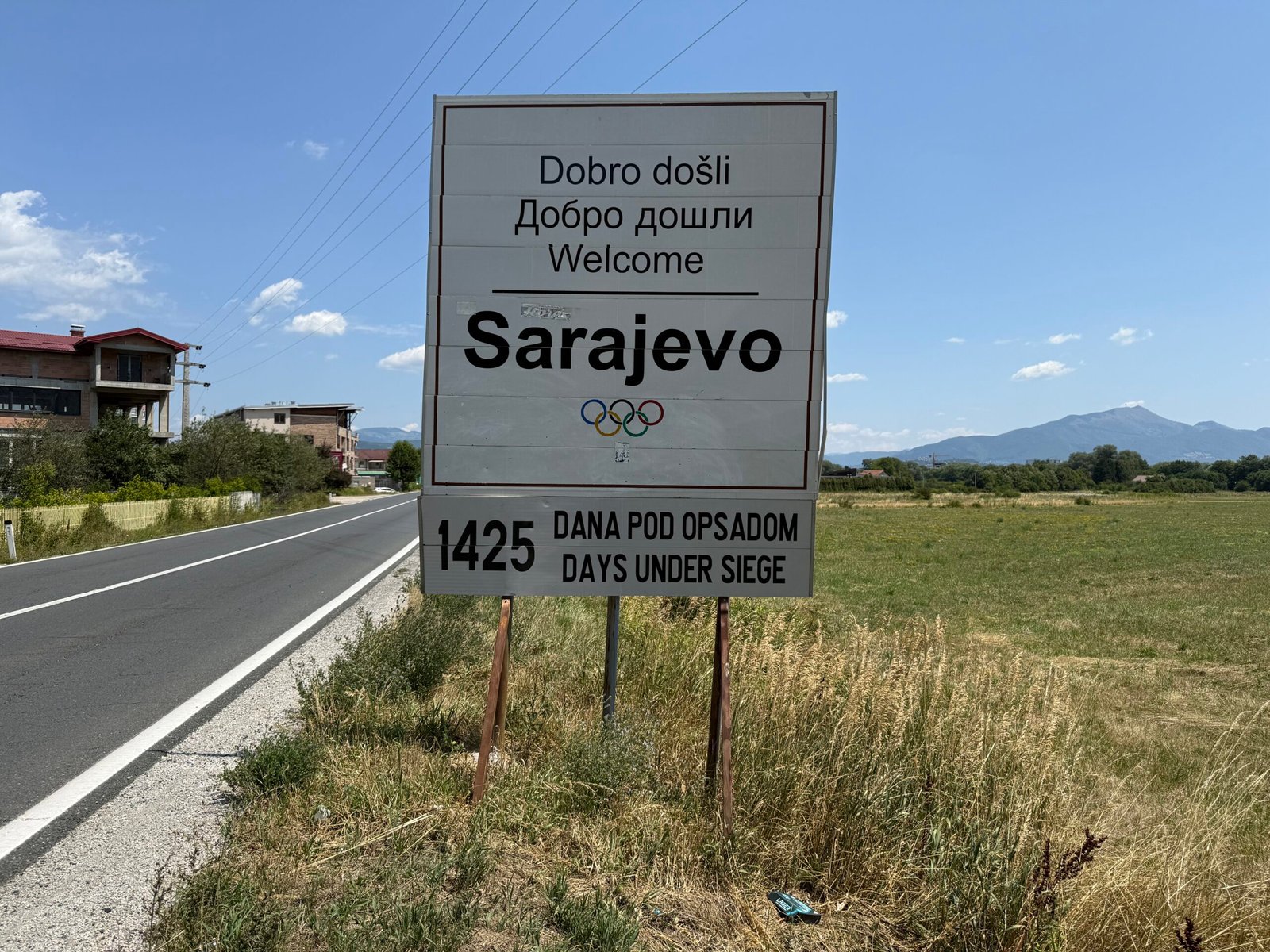
As I covered last week, Sarajevo suffered an almost four year long siege from 1991 to 1995. Other than its Olympic heritage, this is what the city is known for today, and the local administration seems to propagate this branding purposefully. Sarajevo is a city in mourning, this much is made clear to its visitors. While people do not necessarily live in the past, it does not feel like many are actively thinking and planning about a future for their country as well. Bosnians recent experience left parts of the population traumatized, if not outright paralyzed, and even the youth that did not have to suffer these horrifying times were brought up in a rather politically and economically grim environment that expected them to look after the elderly. This often meant having to leave the country to work elsewhere, so that they can send remittances back home, regardless of how little they may make in their jobs.
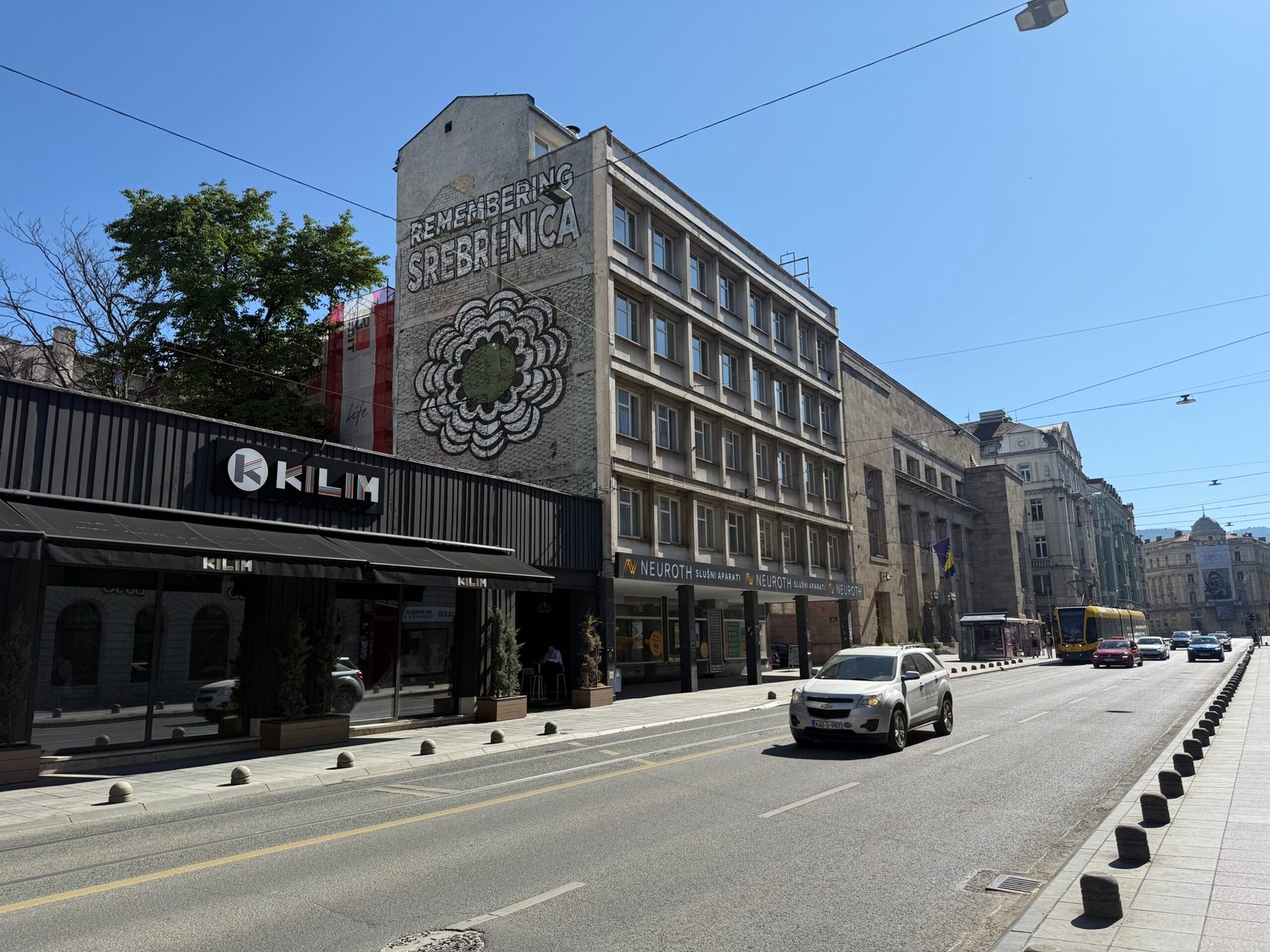
As an outsider, it is always easy to judge people and even think that they should just collectively decide to move on, but that is easier said than done. For example, those that lost their family members and loved ones in Srebrenica in 1995 are very much alive and well today. Can they simply let go and move on? Could you? These are questions that I would rather not answer, as I hope that no one should ever be left in a position to have to answer such questions for themselves.
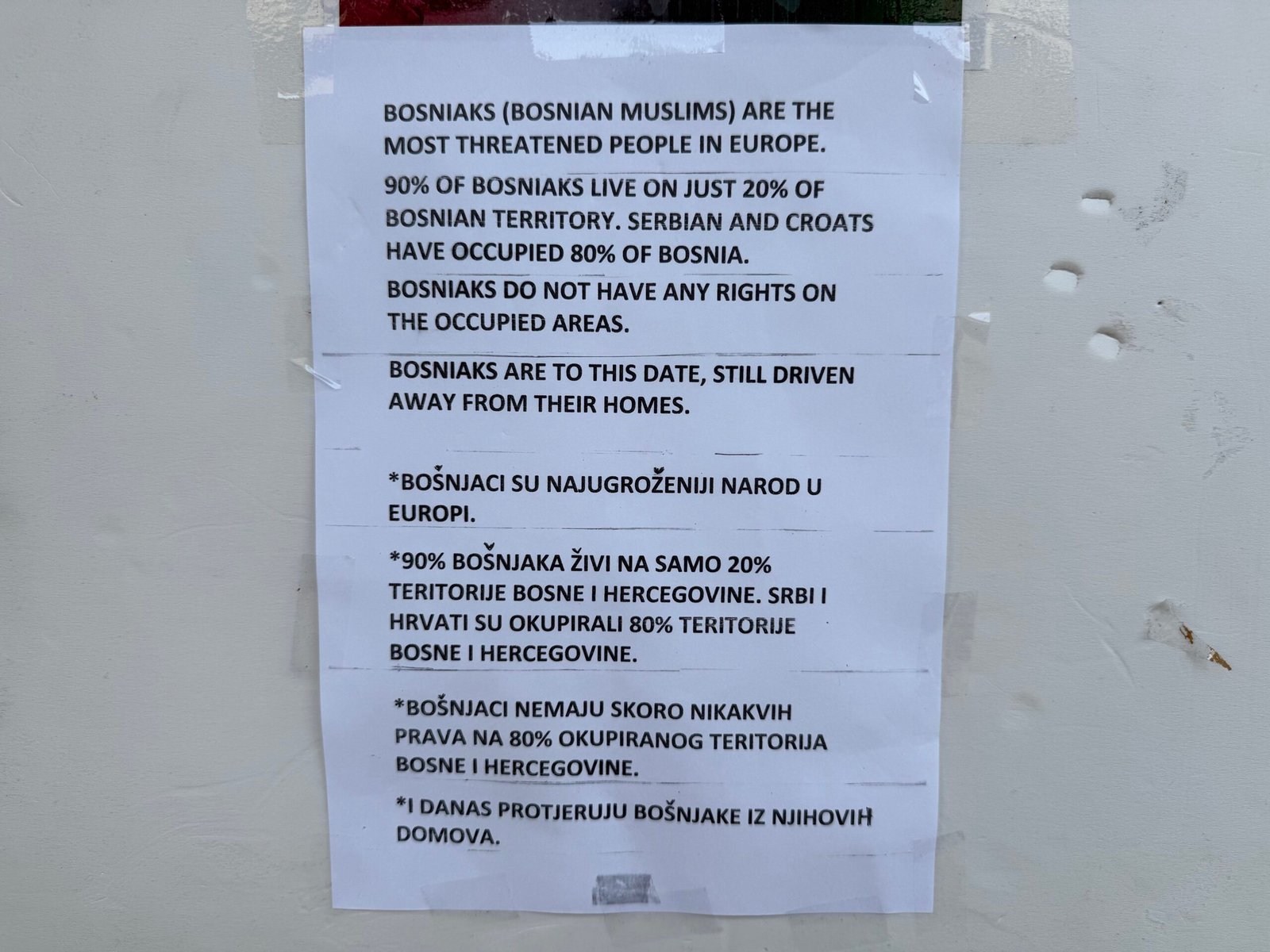
Furthermore, while these recent horrors certainly weigh down the living to this day, for many Bosnians, living in BiH itself poses a problem. Croats that I talked to did not necessarily love the idea of living in a ‘poor’ country when their ethnic counterparts are enjoying full EU membership and a far higher standard of living on the other side of the border. Serbs that I met remain rather silent in their conversations with me, though the brief venture I had into the Republic of Srpska confirmed that the nationalists among them remain frustrated, as we will see shortly. Bosniaks, on the other hand, are in fear of facing a similar fate to Palestinians, being Muslims that are “sandwiched between all kinds of Christians” as one vendor told me.
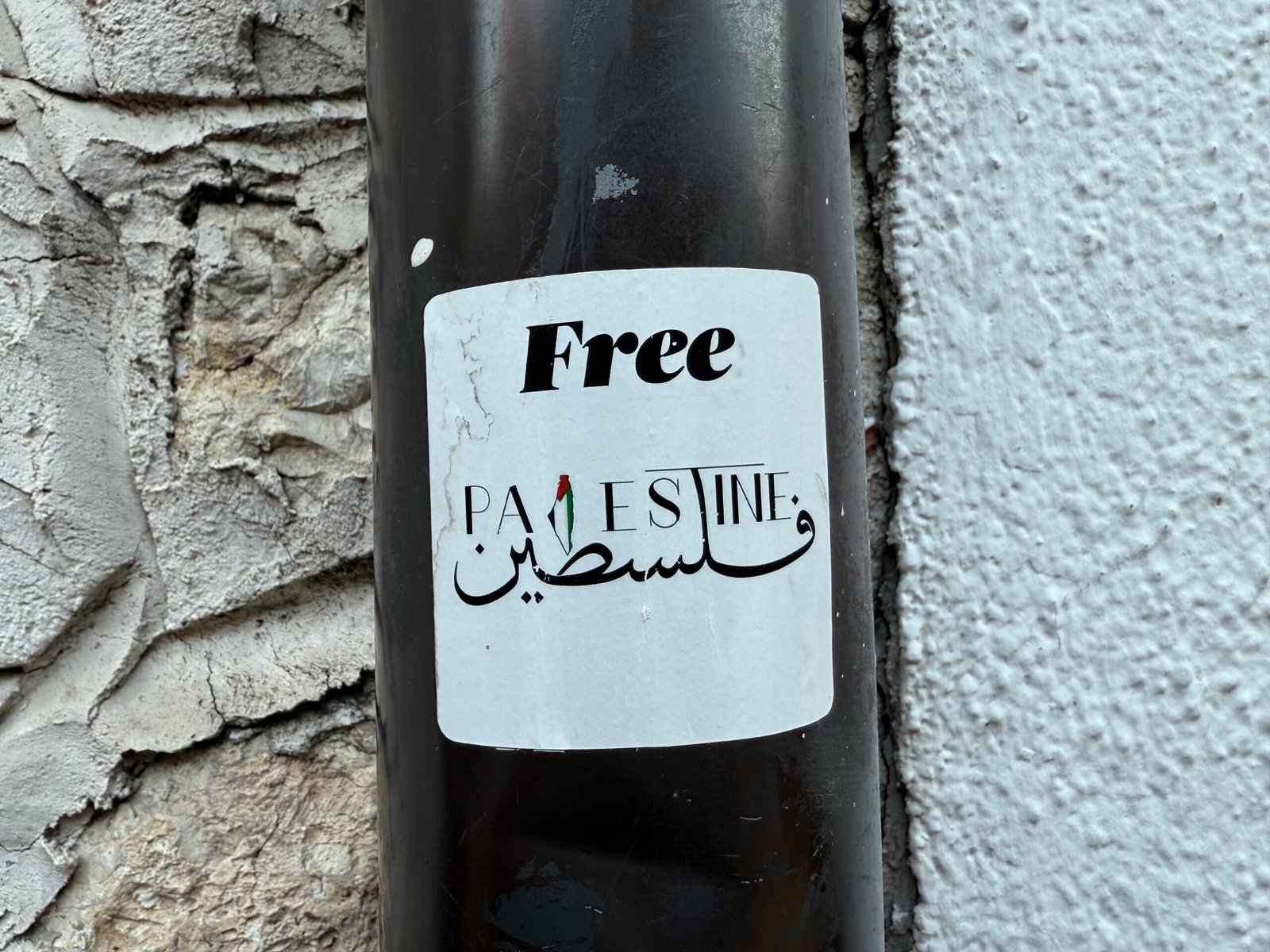
On a side note, I am yet to visit a country that takes the issue of atrocities perpetrated by Zionists in Palestine this seriously. You can find stickers like this across BiH, pro-Palestine demonstrations are a common occurrence, plenty of restaurants refuse to sell any one of the goods that are known to aid the Zionist war crimes in Palestine, and Palestinian flags can be found in even the most remote places.
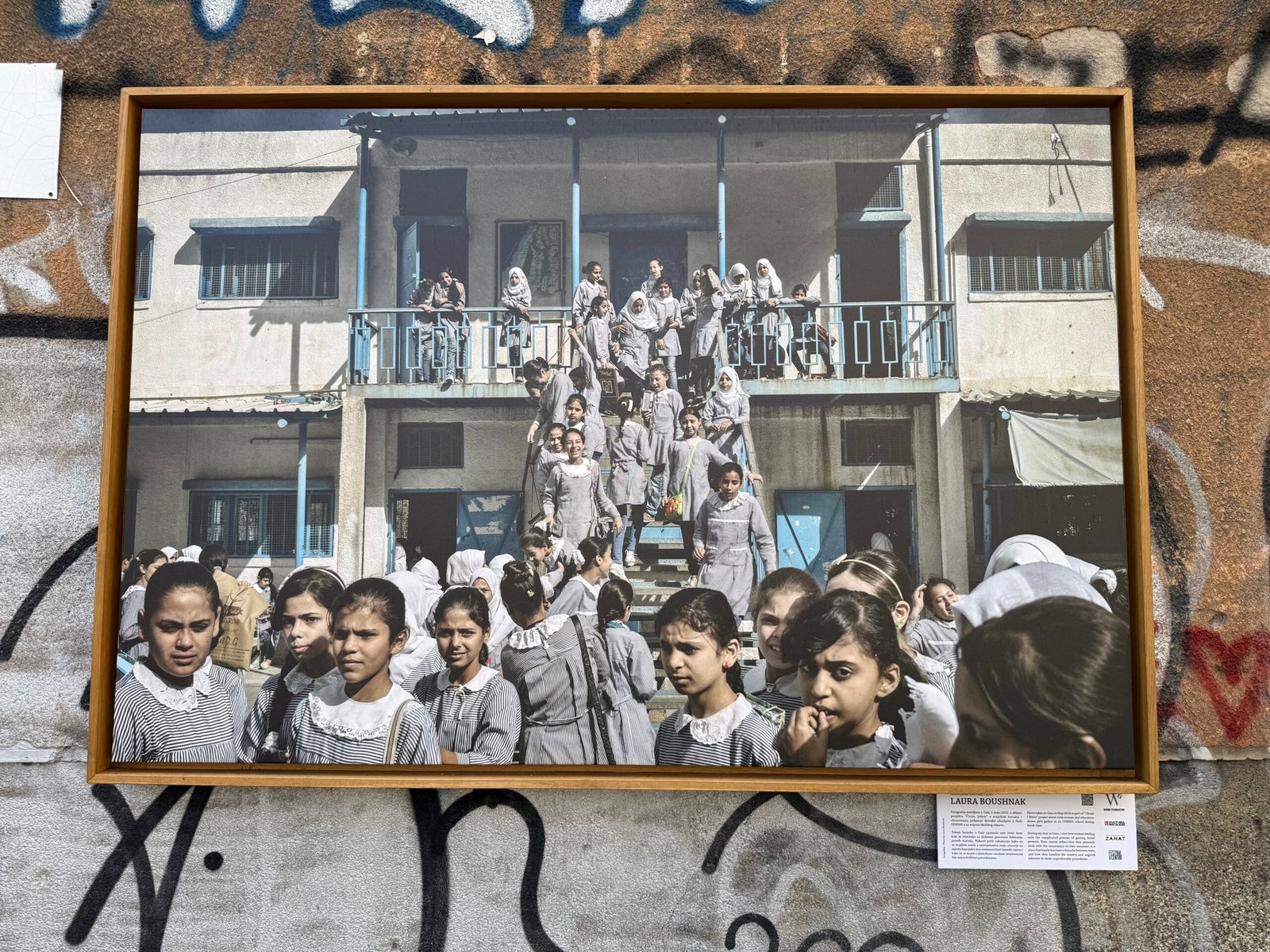
You can also find art instalments such as this one, which I randomly found on the side of an old apartment building. This was a photo of schoolchildren in Gaza, taken around a decade ago. If memory serves me well, it was taken by the volunteer staff, who may have been from BiH originally.
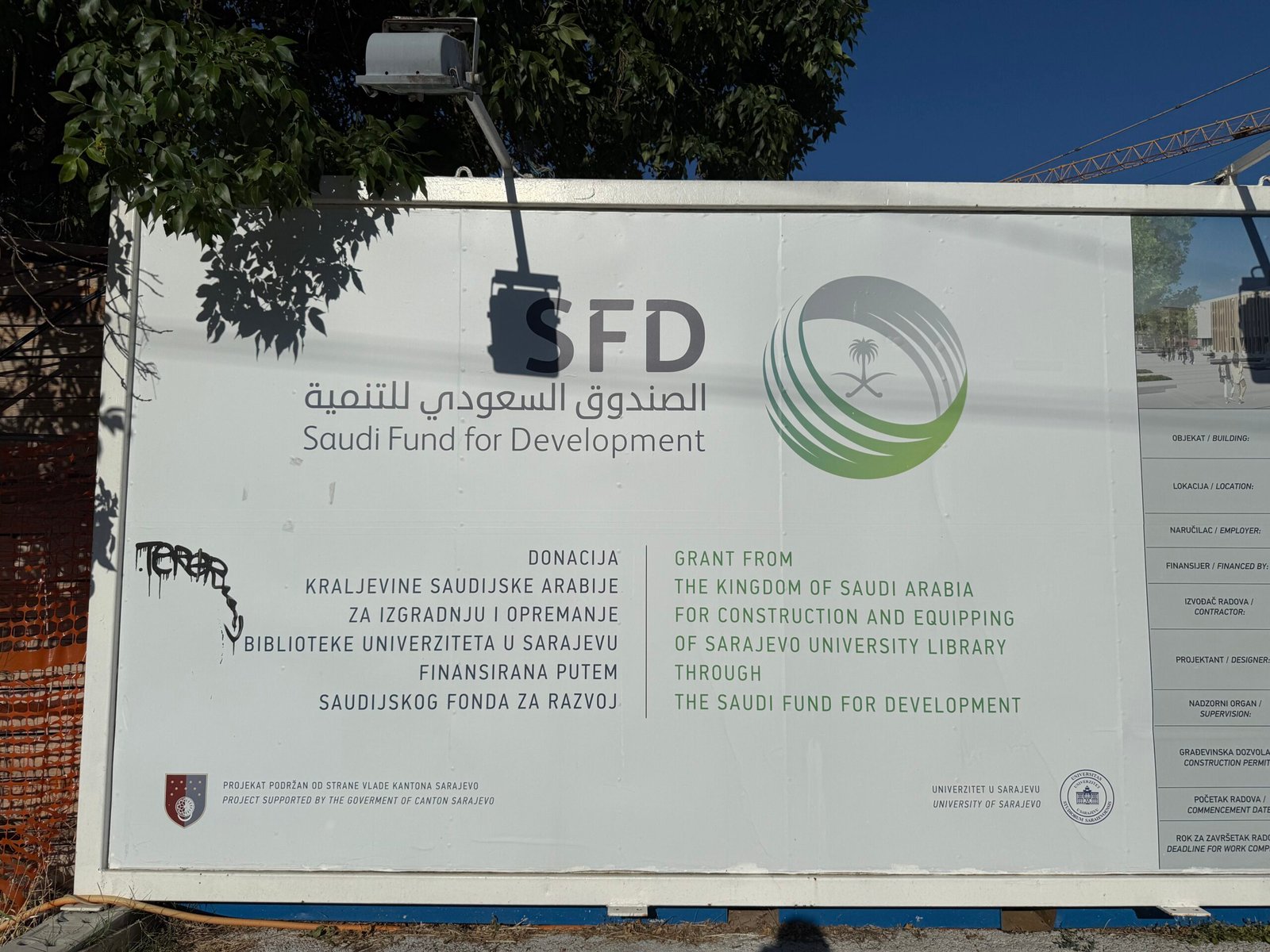
While I normally despise simplification of political developments, I cannot help but think that justification behind the Bosnian War can be reduced to religion, at least partially. After all, on paper, Croats are Catholics, Serbs are Orthodox Christians, and while some Bosniaks will hate me for putting it this way, Bosniaks are Muslim Serbs. If you look up Yugoslav war songs online, you will see that the majority of these hate-fuelled artistic pieces revolve around slurs against one religion or the other. That is why I cannot help but agree with one Bosniak war veteran who said that “those in the West did not want Turks and Arabs coming to a Muslim country in the heart of Europe, and that is why they were not ready to help us like they help the Ukrainians today.” As a matter of fact, it really is the Turks and Arabs that seem to visit BiH the most today. In fact, one can find Turkish, Emirati, Saudi, Kuwaiti, and possibly even more investment funds and aid organizations that set up shop across Sarajevo. These intermediaries help navigate the flow of money into Bosnia today, which does seem to help the country stabilize to a certain degree, though their role should not be overexaggerated as the EU and many other international organizations also continue to aid BiH financially and cooperate with the Bosnian state in their own capacity.
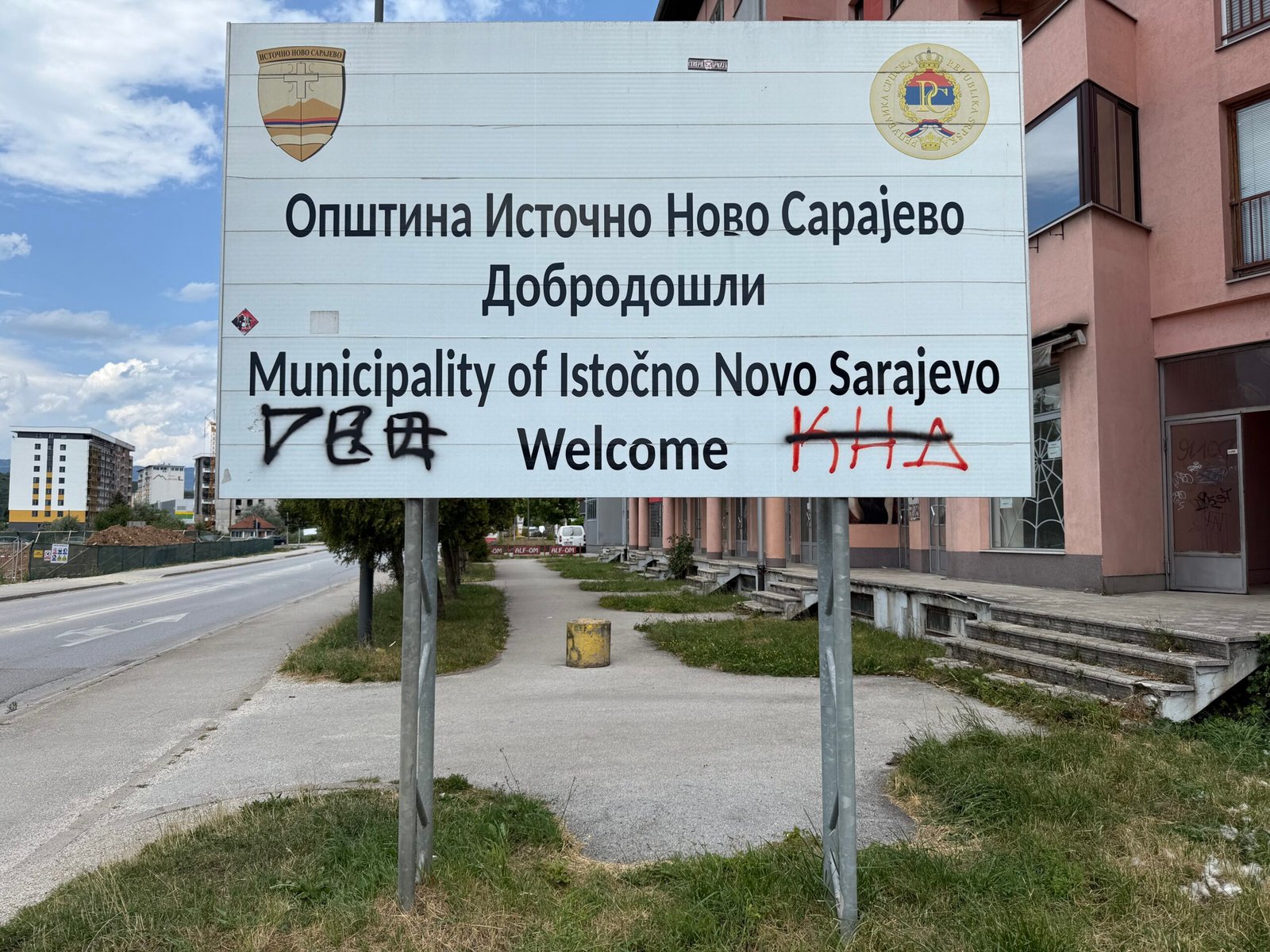
Unfortunately, to me it seemed like BiH truly needs all the help that it can get today. The moment one leaves the more touristic parts of the town; it seems clear that there is much work that needs to be done. In order to see an especially different part of Sarajevo, one day, I decided to pay a quick visit to New Sarajevo, the part of the town that is administrated by Republic of Srpska and does feel like an entirely different country despite being separated by a signpost from the rest of BiH today.
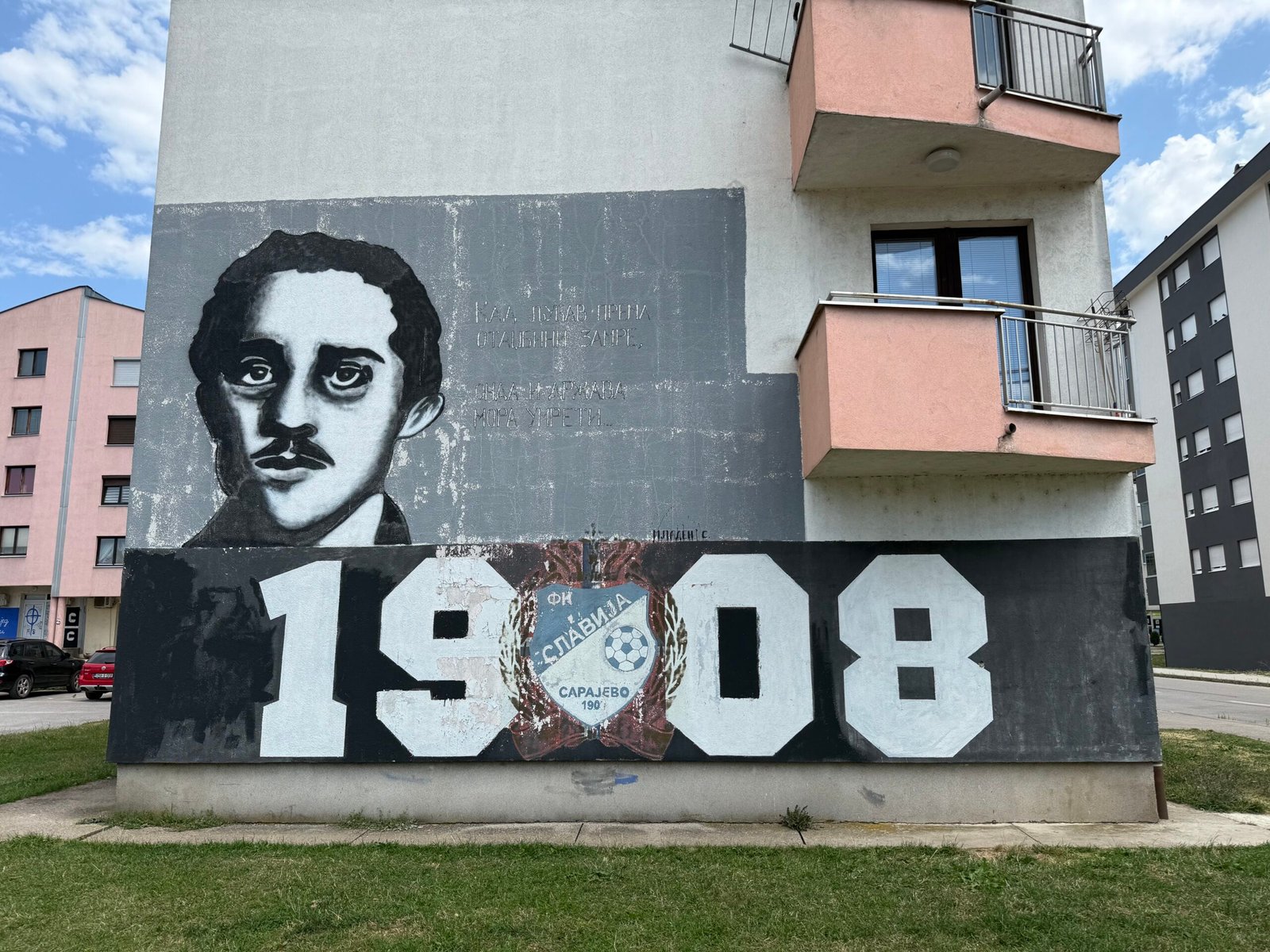
Here, at the heart of the Serbian part of Sarajevo, you can find graffiti and sentiments that seem more fitting for Belgrade than anywhere else. Beloved Serbian figures like Nikola Tesla can be seen memorialized across the small town, though that is hardly a cause for concern.
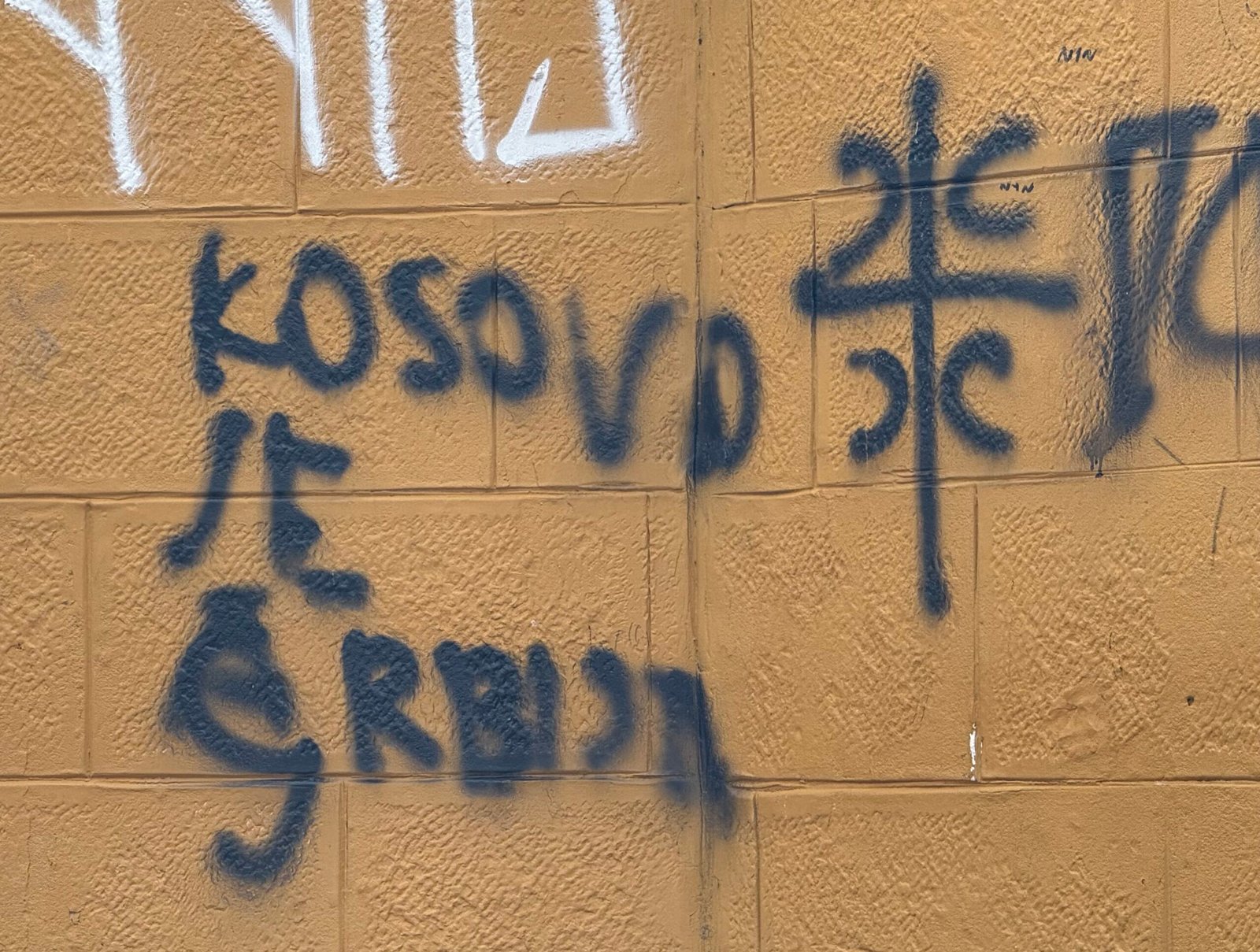
What can be considered somewhat problematic, by some, are these ‘other’ types of graffiti. The text on the left states that “Kosovo is Serbia,” which is a sentiment I came across multiple times in Belgrade and parts of Kosovo. The visual on the right is a very simplified version of a symbol that is found in the coat of arms of the Republic of Serbia. These are the frustrated Serbian nationalists that I mentioned previously. BiH is an extremely fractured society, and those that are its citizens do not seem particularly invested in its survival as a single polity. To be completely frank, this is not a judgmental statement. It is but a statement of facts, and facts are not friendly to the continuity of the modern Bosnian polity.
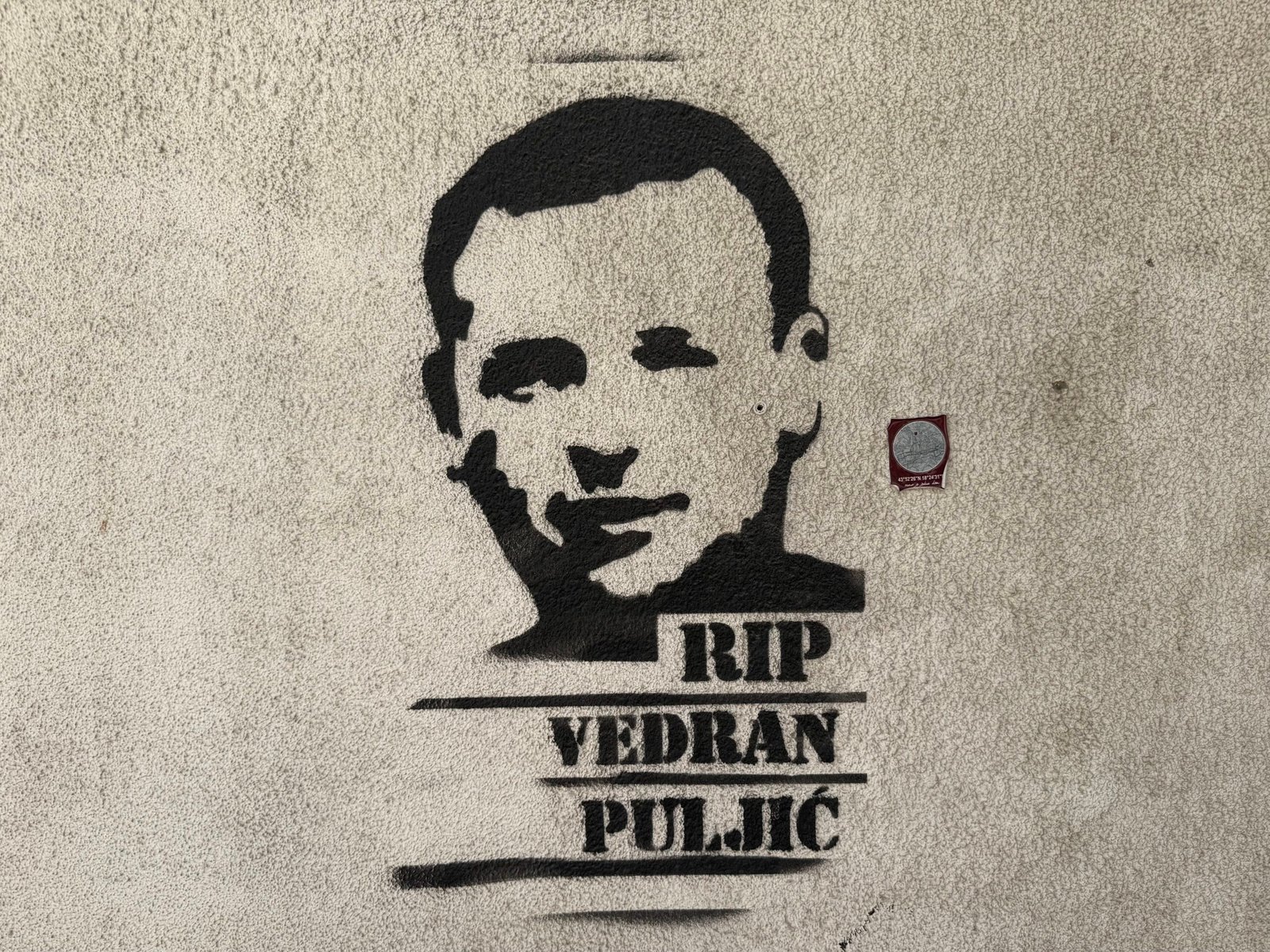
Some optimists may claim that people like me are being unfair to BiH by cherry picking a few bad examples. I hope that they are right. However, I am afraid that is not the case here. You see, the issue with religious, or in this case what one may refer to as pseudo-ethnic divisions, in a society goes beyond mere graffiti and murals. These alone are quite unrepresentative of the broader society. After all, how many people you know creates graffiti? However, contents of such political street art and the reason behind their existence in abundance can be quite telling. For example, these murals dedicated to Vedran Puljic are all around Sarajevo. This Croat gentleman was killed during a clash in between Croat and Bosniak football fans in 2009, which had to be put down using armed police force, who were responsible for the death of Puljic. Imagine a society in which even football clubs are divided among religious lines. Now imagine a society where older generations that I had the opportunity to speak to during my trip mentioned how their neighbours turned on one another overnight during the hostilities in 1990s. In all honesty, this does not sound like a very functional society to me, and as I heard the same sentiment coming from many locals that I spoke to, I am not afraid to write it as such.
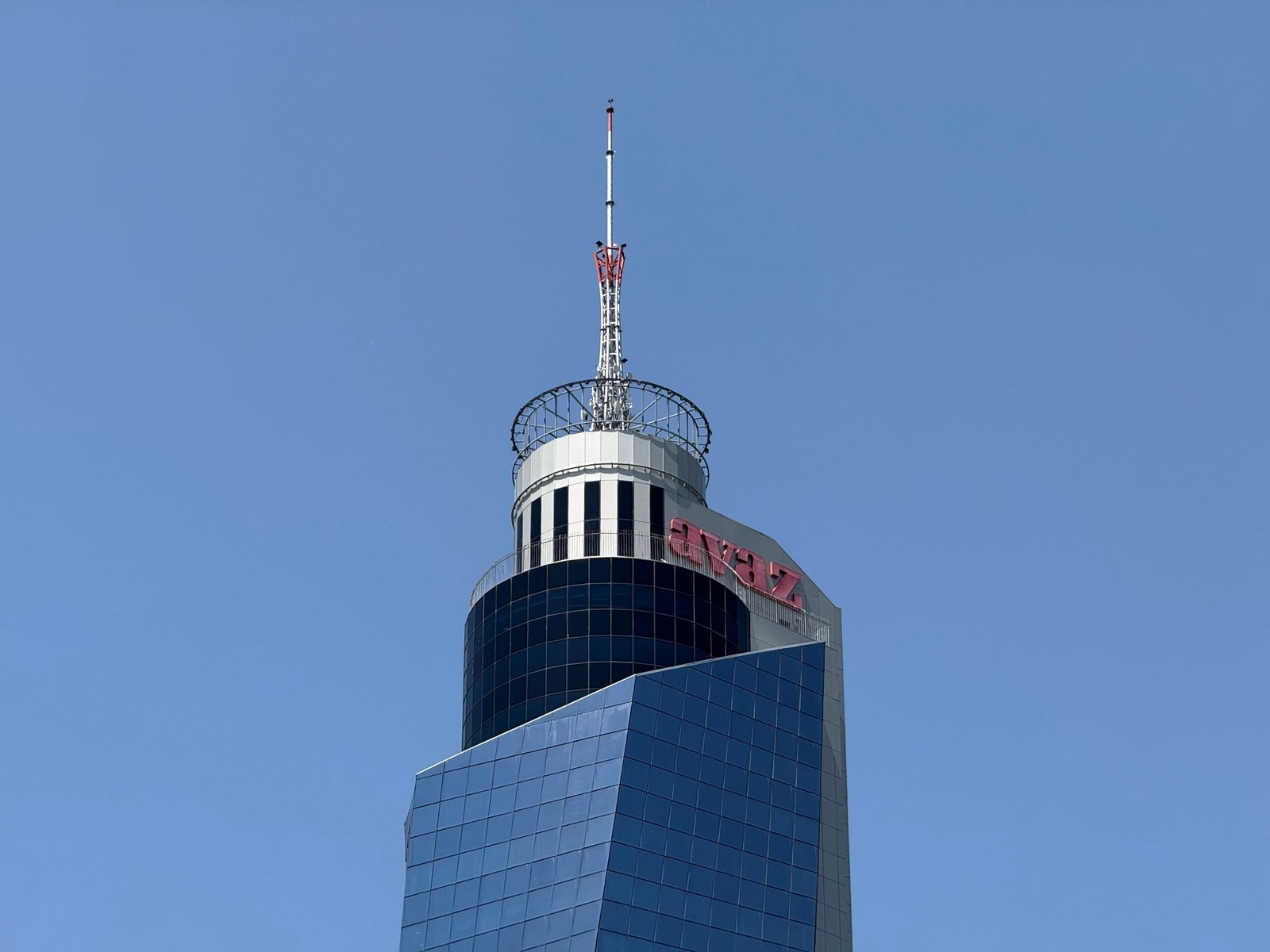
Arguably, capital flow is one of the best ways to assess whether a state is stable or not, and while I am in no position to quantify my observation, I must say that not much actual capital seemed to flow into BiH today. Practically every single building you see in this country is quite old, older than the creation of the state that is. The newer buildings you come across are either recreations of the culturally significant structures that were destroyed during the war or are business centres and malls that seem to spawn out of nowhere across the globe. It is difficult to find new factories, apartment complexes, and so on, though that may have to do with the fact that filling the old ones would be a sounder investment than building new ones. After all, BiH is depopulating today, which also does not bode well for its future.
When some scholars claimed that there could be a war between the Russian Federation and Ukraine before 2022 (or even 2014 for that matter), plenty of others laughed at their ‘pessimistic remarks’ and mocked their academic rigour. Such people stopped laughing when the ‘pessimists’ turned out to be right. I too was one of those people who expected that the atrocities that continued to plague the ‘rest of the world’ would spread to what some refer to as the economic and political core soon enough. The paradigms that our modern civilization relies on ran their course decades ago, and our current lifestyle is threatened by material realities that could put our entire species in jeopardy in the very near future. All of this is to stay, the world is offering a less stable political scene every day, and thus those that wish to use this to further their own political agendas can do so in an easier fashion. Therefore, it is not impossible to think that something downright awful will once again take place in the Balkan peninsula, especially in Bosnia. I for one hope that I am wrong, and that I am a pessimist. Regardless, Sarajevo is teeming with life today, and one can only hope that it will remain as such in the near future. I hope that it will never be too late to explore this enigmatic city with your own eyes, though there is no time like the present.