
I prefer not to write all that much about my actual work on Wondering Voyager. I already spend far too much time doing that elsewhere. However, it is beneficial for this article to mention that as a labour historian, I am most interested in industries that are closely connected to energy production, and more particularly in coal mining. To be even more specific, my dissertation analyses the industrial relations in coal mining in two incredibly similar towns, Zonguldak in Turkey and Karaganda in Kazakhstan. Both of these coal deposits started to be thoroughly exploited by their respective states in 1930s, reaching their full potential and becoming boomtowns in about a decade. When I found out that a Bosnian town named Zenica more or less fit this bill as well, I knew that I had to see it with my own eyes. Join me as we explore a coal town that became a ghost town, sharing a fate that is all too similar to its counterparts in Turkey and Kazakhstan.
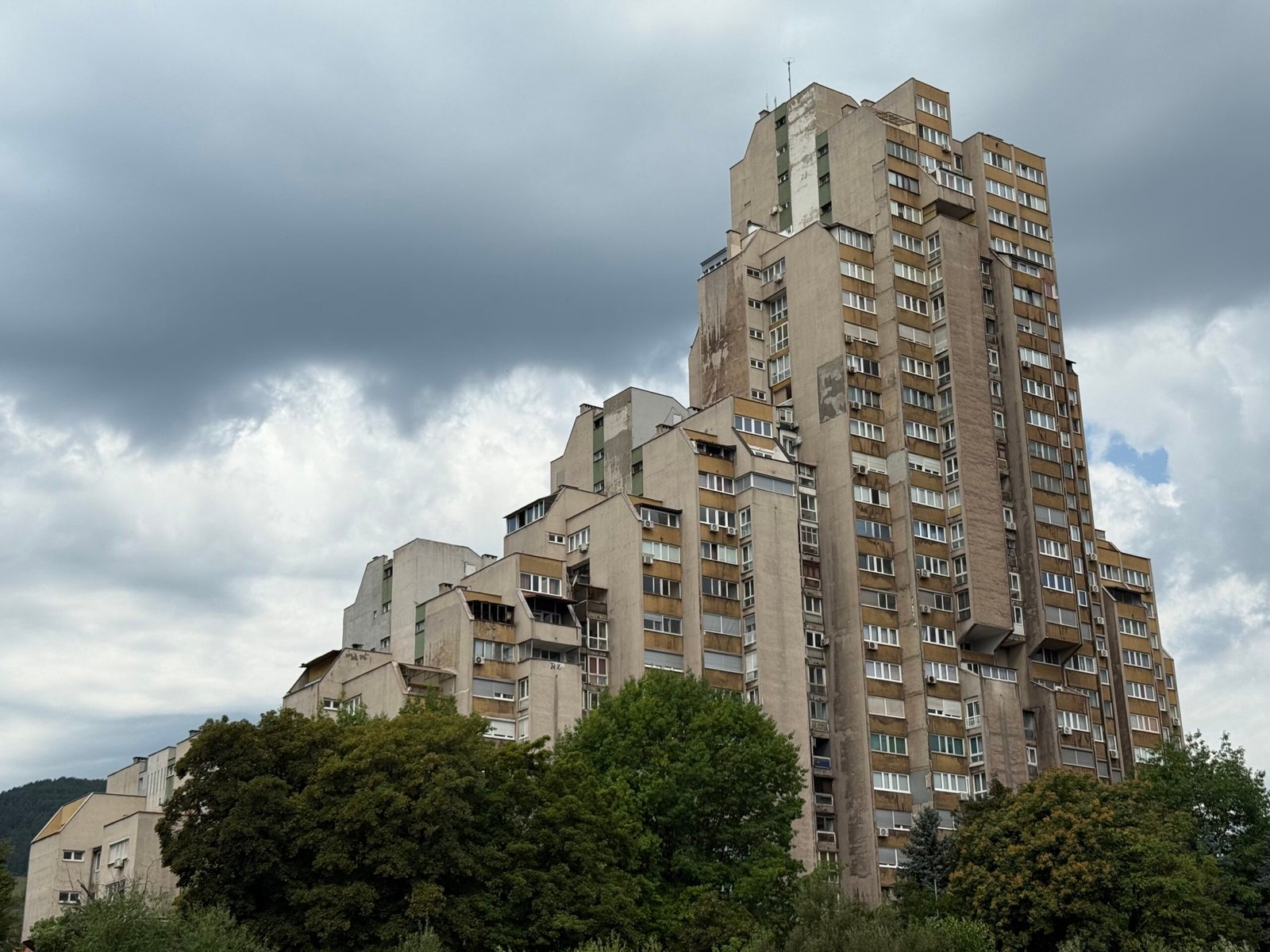
Truth be told, I did not know that Zenica was once a prominent coal town for all that long. I initially wanted to visit the city to see this Yugoslav architectural marvel, the Lamela Apartments. This beautiful monstrosity is as imposing as it is lively, and it was entirely surrounded by kids playing on the streets and the elderly chatting to one another on all sides.
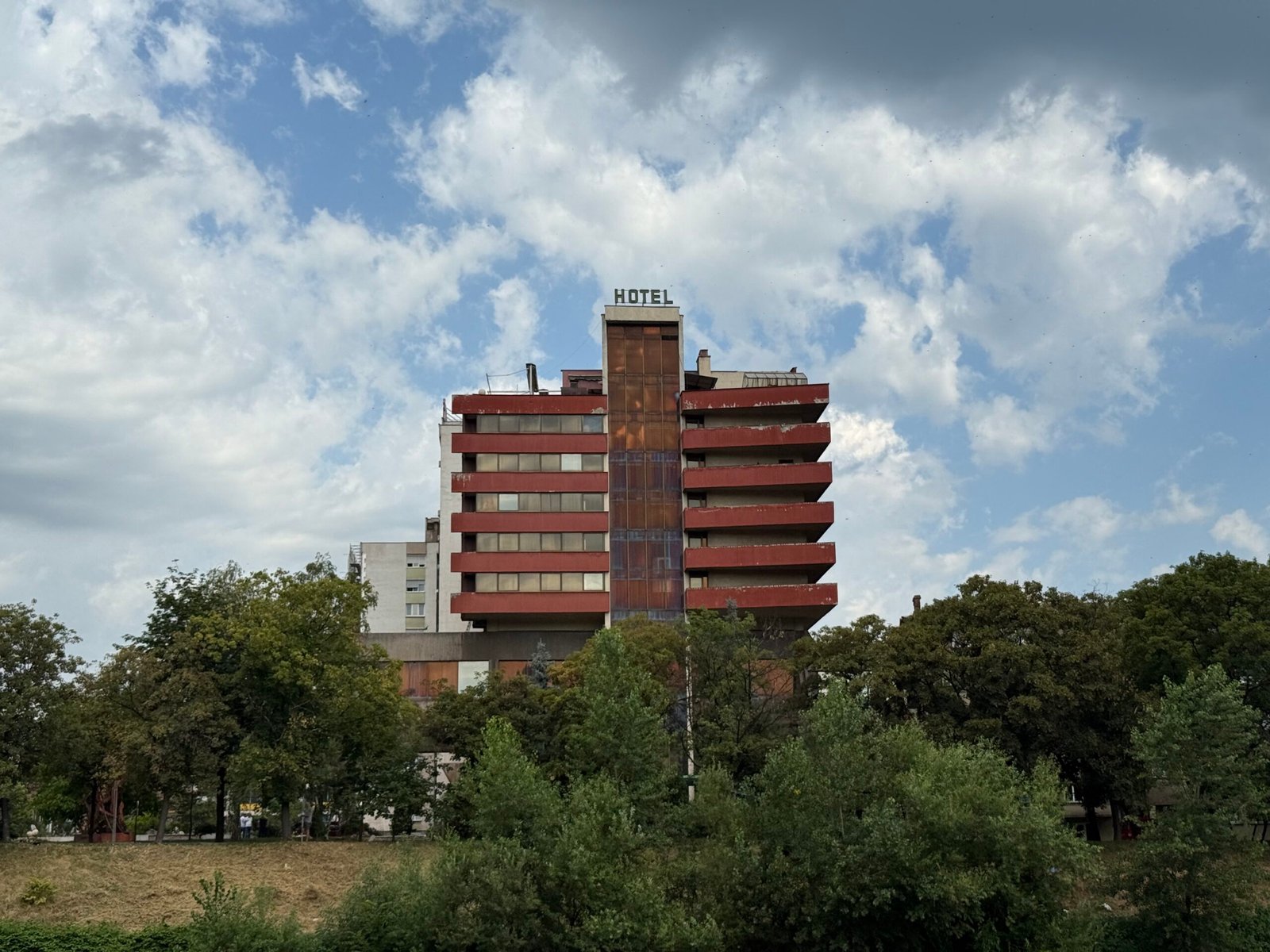
In fact, since Zenica truly blossomed under Socialist Yugoslavia, there is no shortage of interesting architectural experiments all around town. The nearby Hotel Internacional is yet another interesting example.
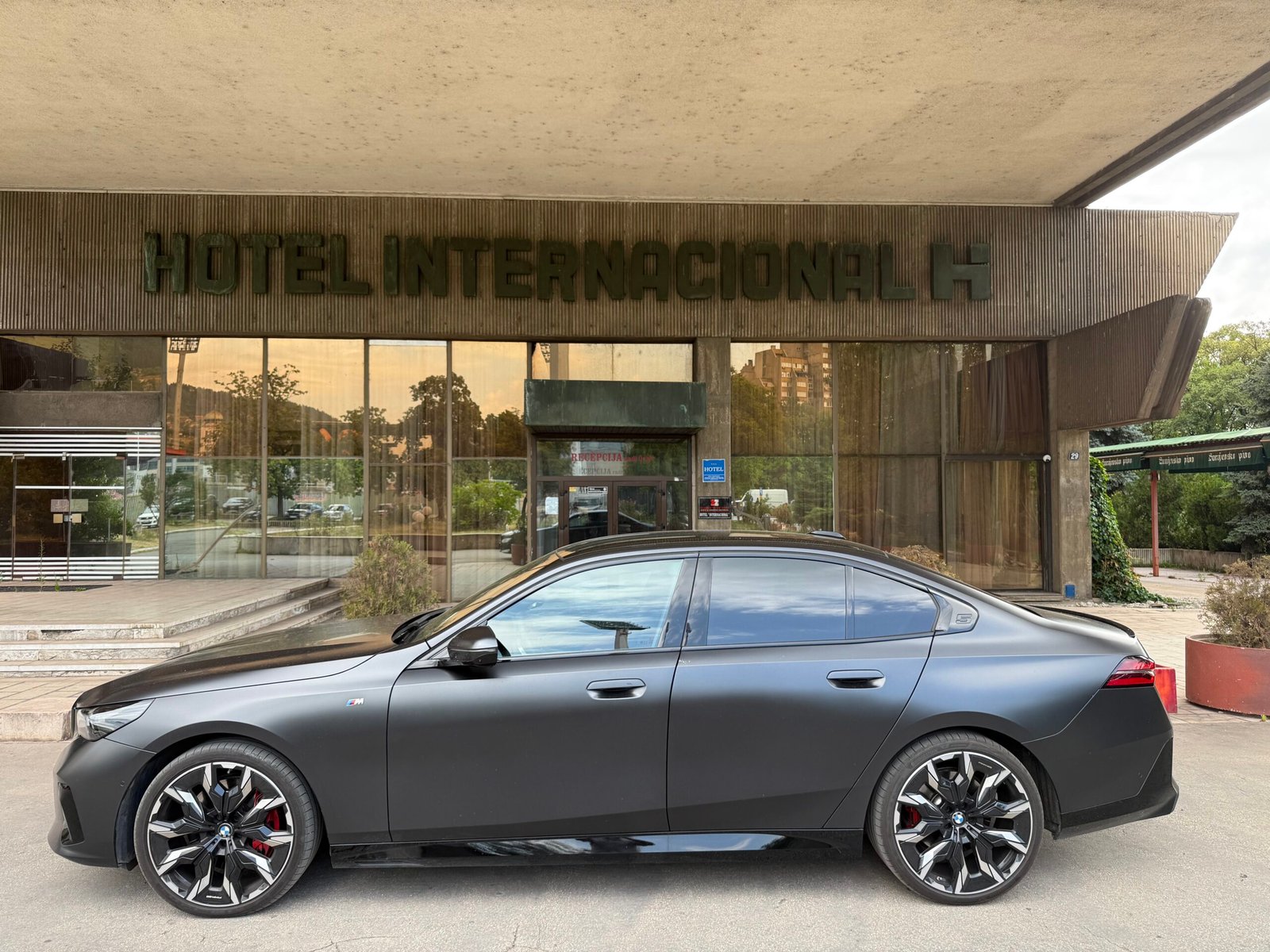
Before I arrived at Zenica, I had read that Hotel Internacional was abandoned, and that it was waiting for a buyer to potentially give it a new life. When I actually got close to the hotel, I saw that there was some movement inside, and a car was parked in front. This car was already gone when I was on my way back to the bus station. Perhaps the hotel just may have been bought by someone recently, or at the very least, some people seem to be interested in it. One can only hope that it will not be demolished as part of the deal and will be renovated instead.
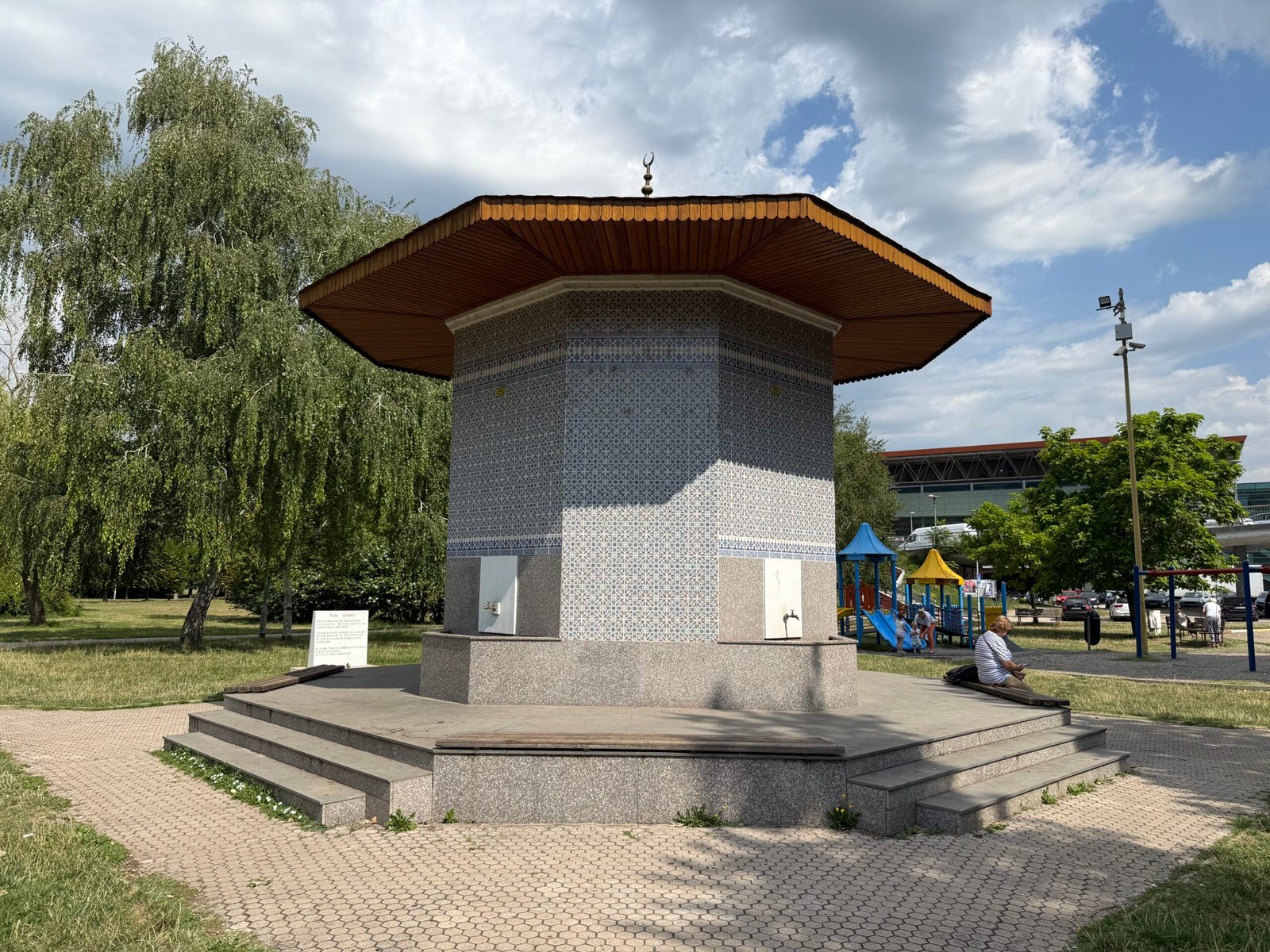
Unfortunately, Zenica did not develop all that much following the dissolution of the Yugoslav polity. You can only really find a few small projects like this, a fountain that was built and donated to the townsfolk by the Turkish peacekeepers near the city a few decades ago. Though frankly as one of the bigger Bosnian towns, it also had a recently built shopping mall near its center.
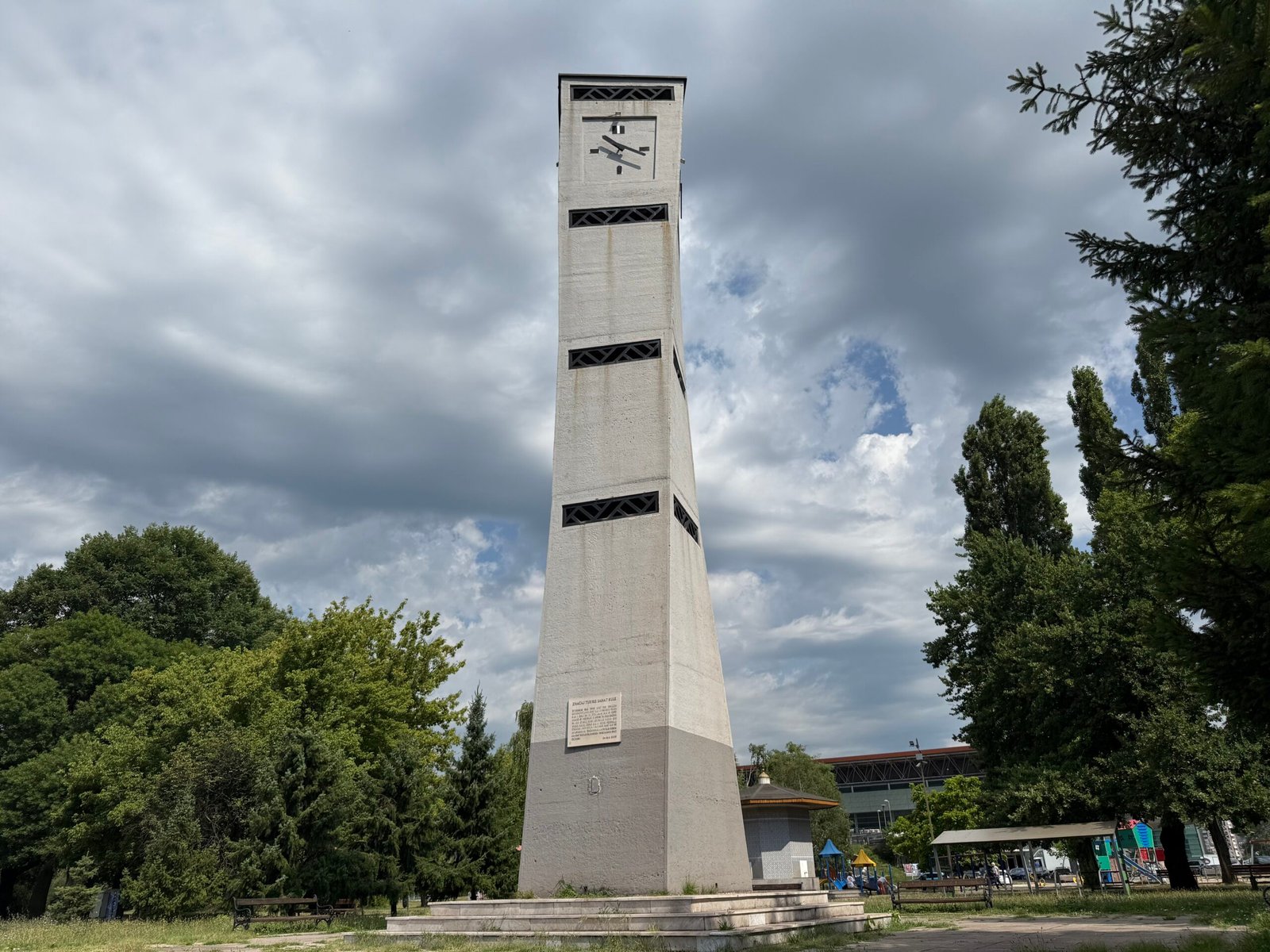
There is also a clock tower that was built around the same time, though apparently it never really works well. It certainly did not show the right time when I was there as well.
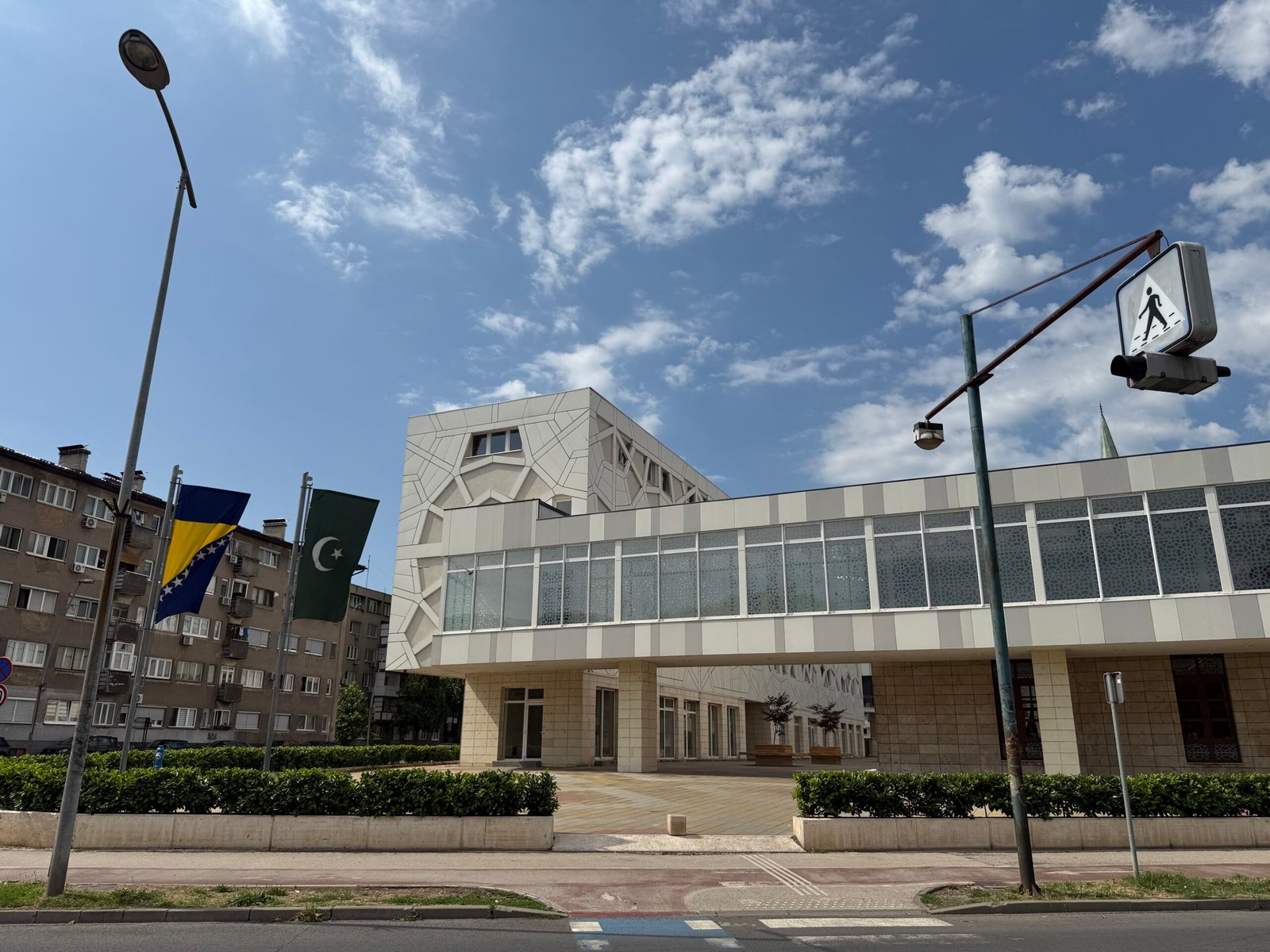
On the other side of the river one can find the Islamic Center of Zenica, which teaches its visitors about the religion and Islamic culture in general. I did not have the time to venture inside this complex, but it did look quite inviting with its open doors.
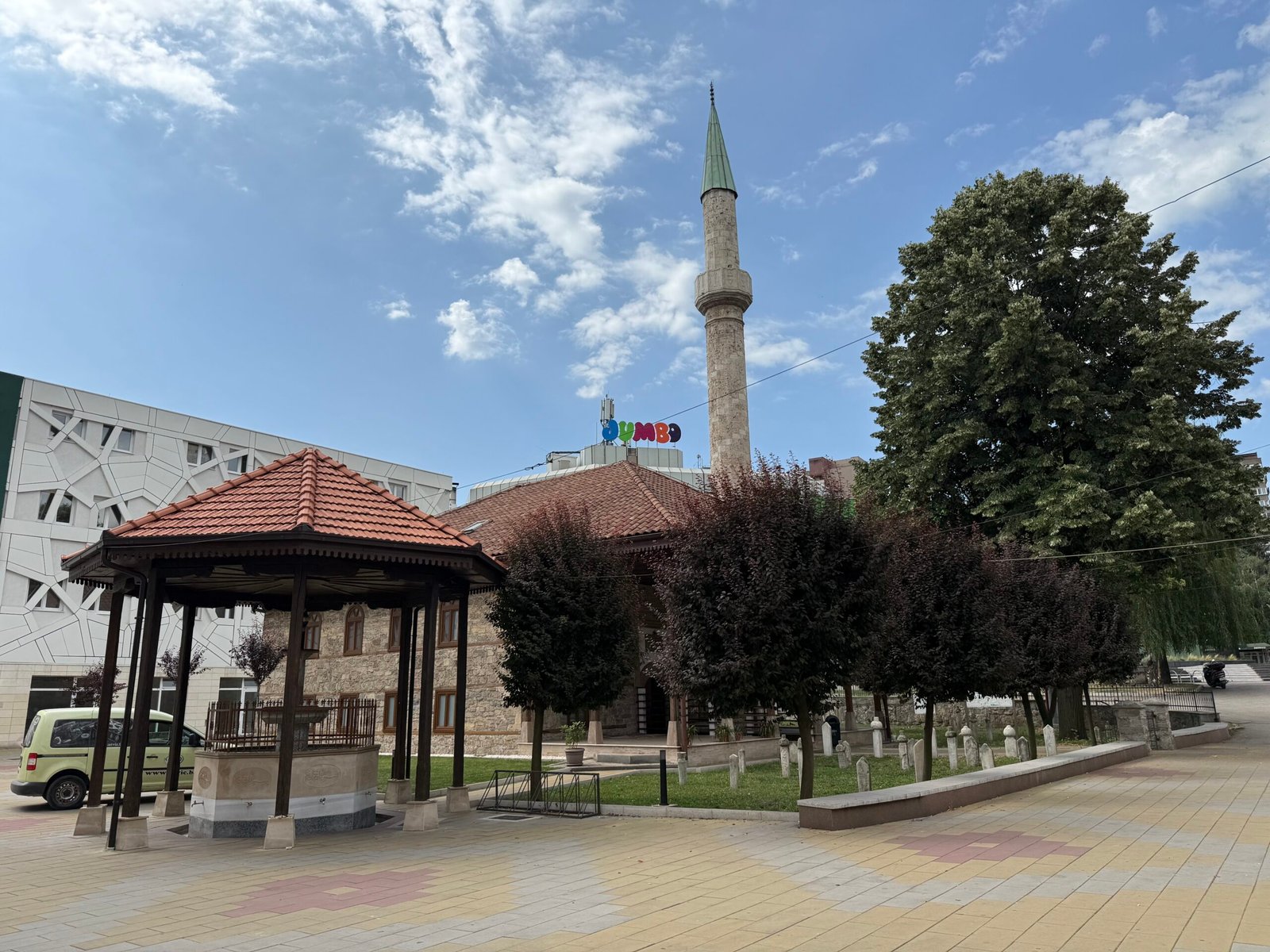
This center is surrounding one of the oldest mosques in town, Sultan Ahmed Mosque to be specific. This area is practically the heart of Ottoman Zenica. I did not visit the mosque itself as well, it looked tiny, and I was on a mission to see the industrial heritage this place had above all else.
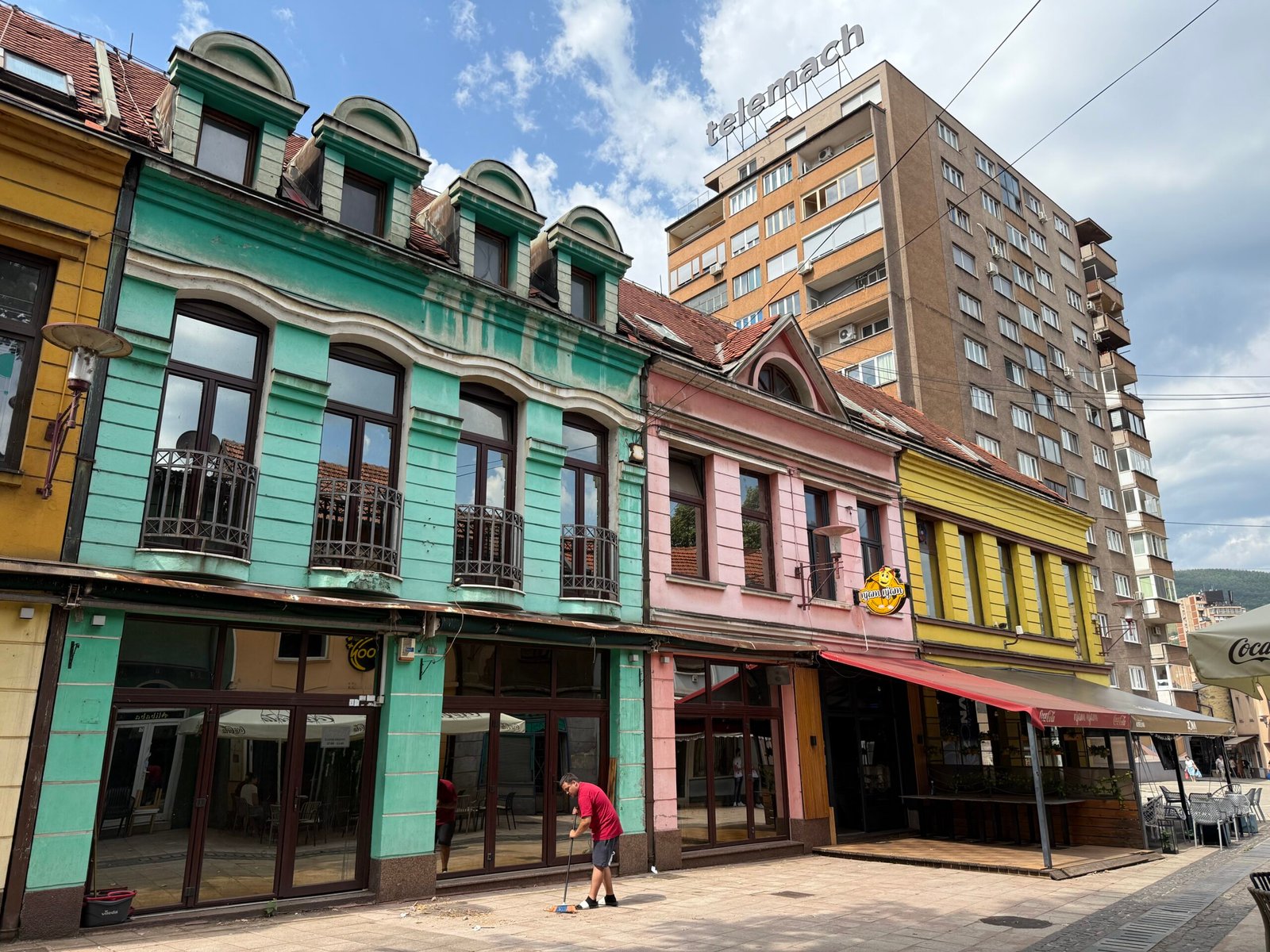
Speaking of heritage, as is usual for most towns in Bosnia and Herzegovina (BiH), one can find remnants of the Austro-Hungarian Empire in this part of the country as well. The old town still has some examples of these older and more colourful buildings, though at some point there must have been more of these here. Today, the remaining buildings seem to be mostly empty shells.
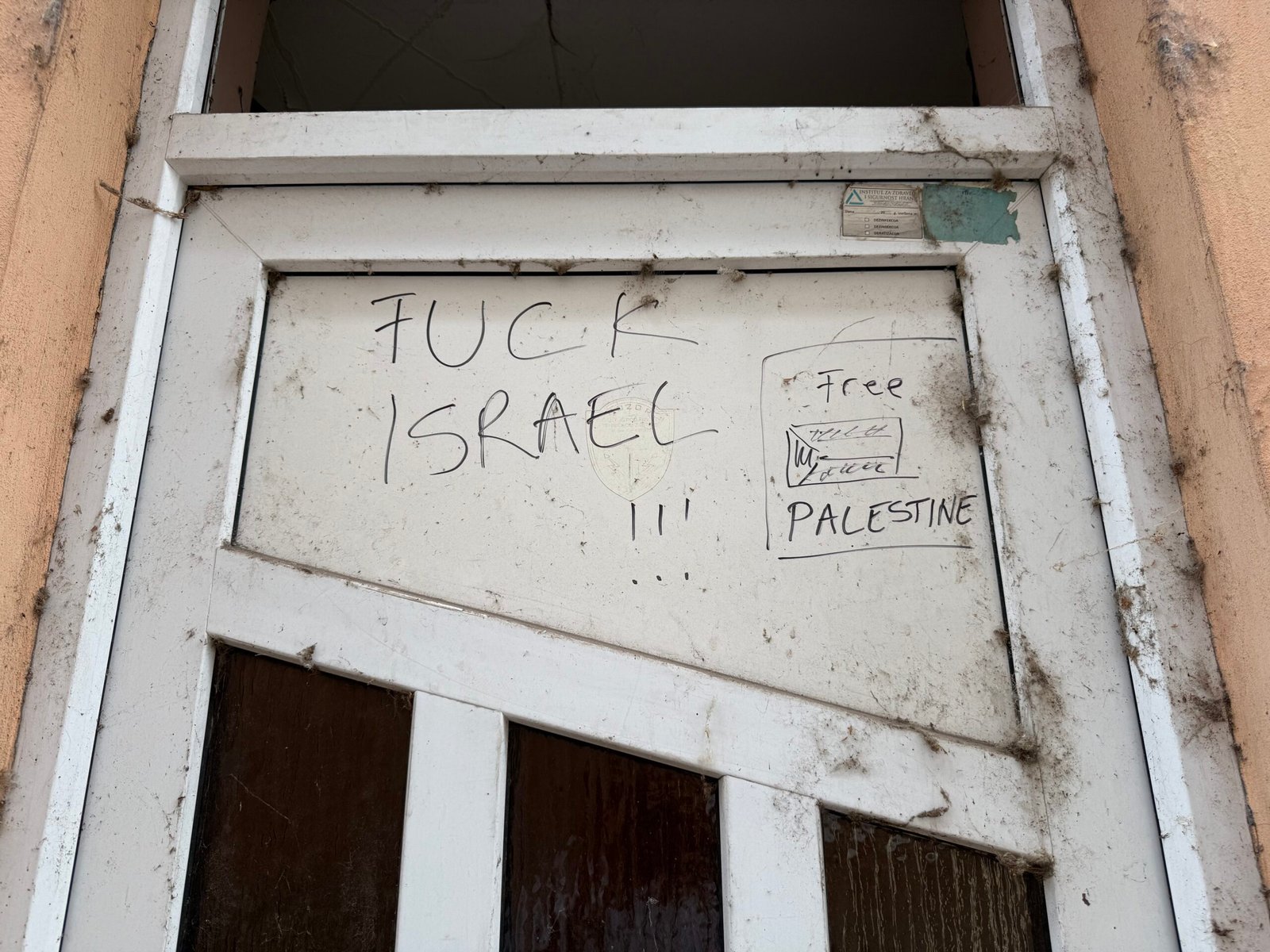
As is also usual for BiH, you can find some ‘love letters’ like these written for Israel, and messages in support of Palestinians in even the most unlikely of places in Zenica, such as on this abandoned building. You do see a pattern here, right? No, I am not talking about how politically active Bosnians are, but about the empty buildings in the center of Zenica.
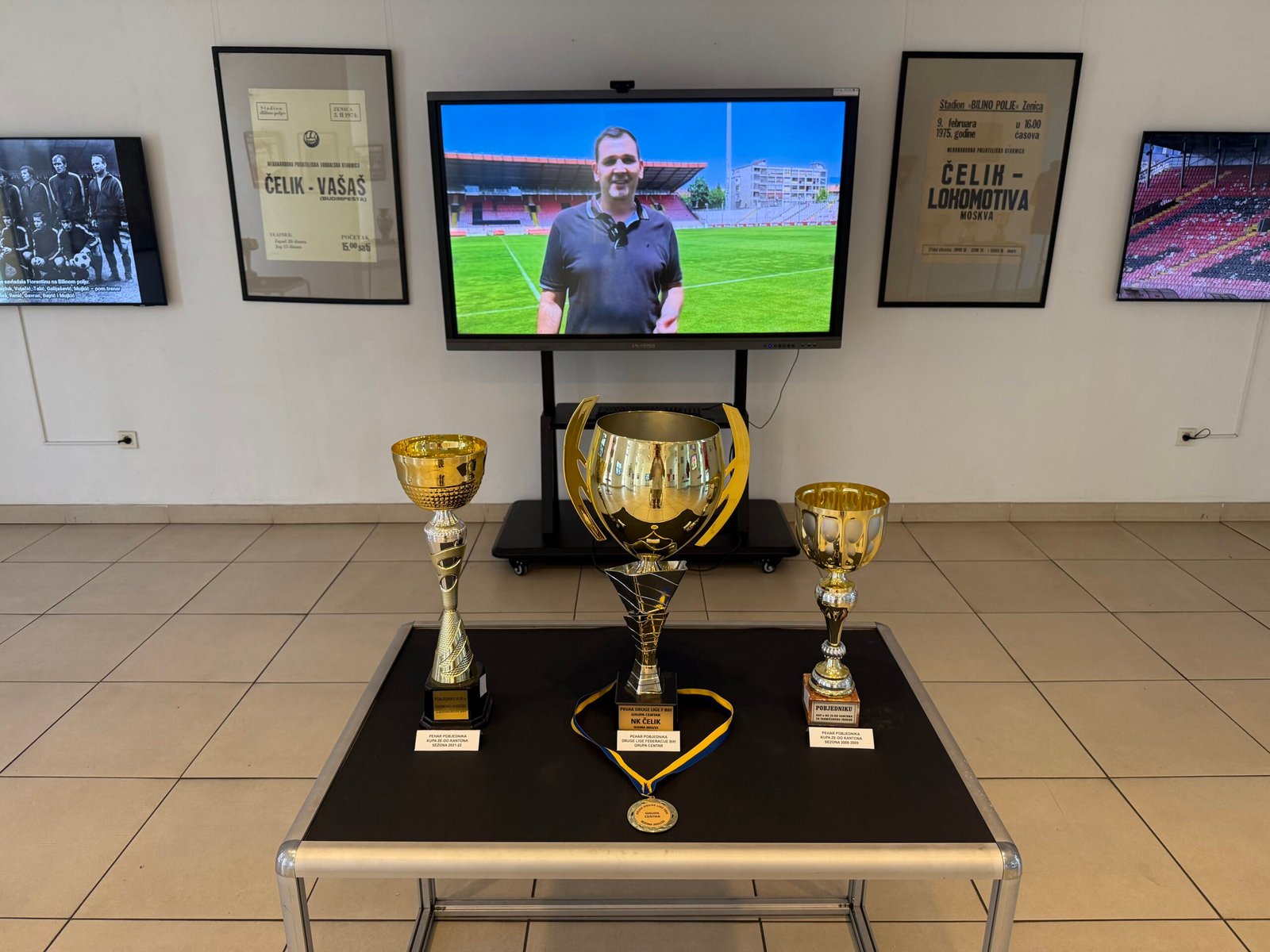
Thankfully, one particular building in Zenica’s center is filled to the brim with treasures of a cultural variety. Here, in the city museum, you can take a quick look into the riveting past of this coal town. Most notably, you can learn about the successful history of the local football club.
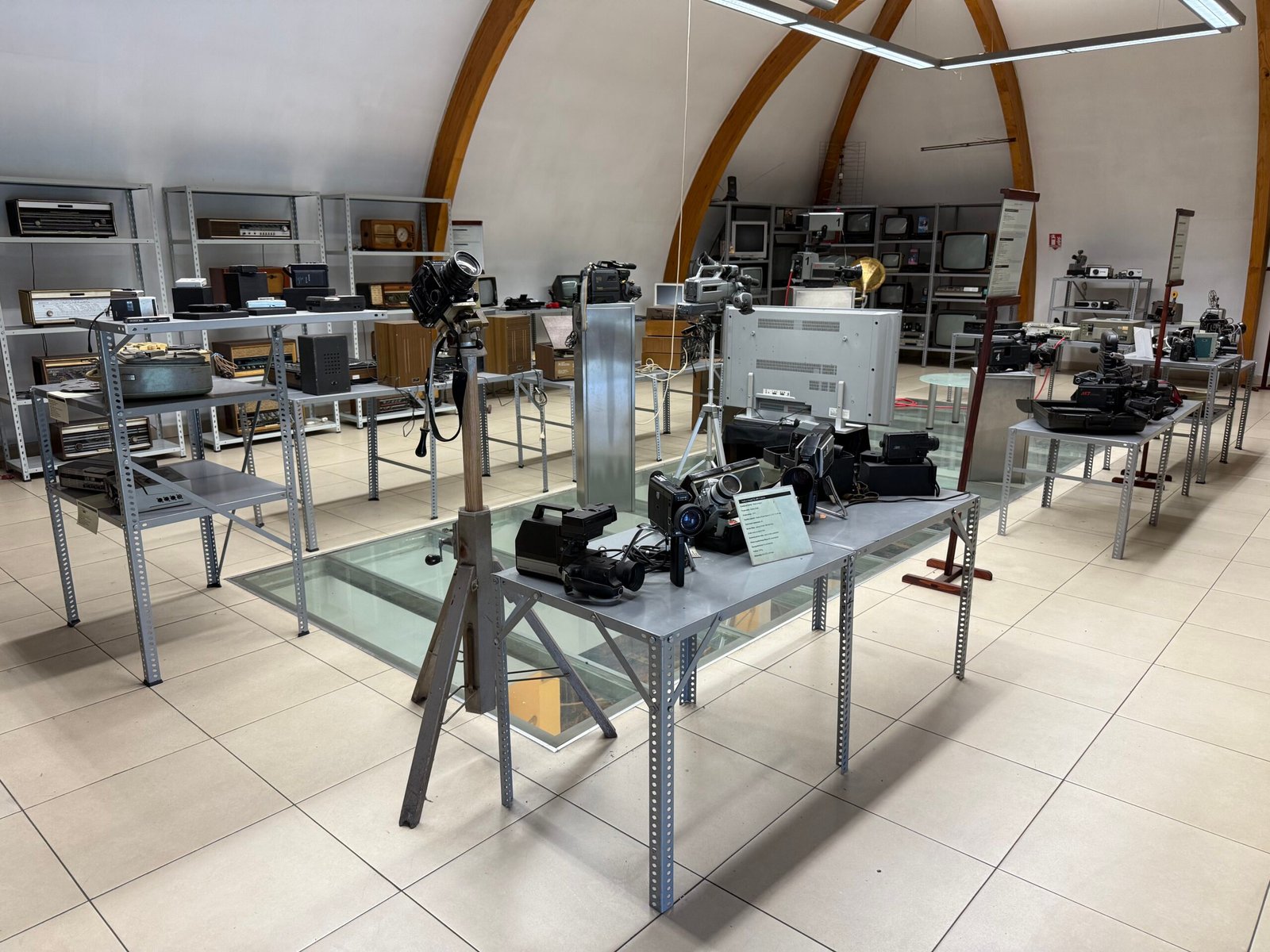
You can also take a quick look at electronics from 1980s and 1990s in the museum’s dedicated top floor, which was a most unexpected surprise. While the actual archaeology and history related exhibitions here were not the most interesting, it is surprises like these that make me still give smaller local museums a chance whenever I see one. If you missed how your old computers and TVs looked like, you may enjoy a visit to this decent museum, which only asks for 5 BAM per person.
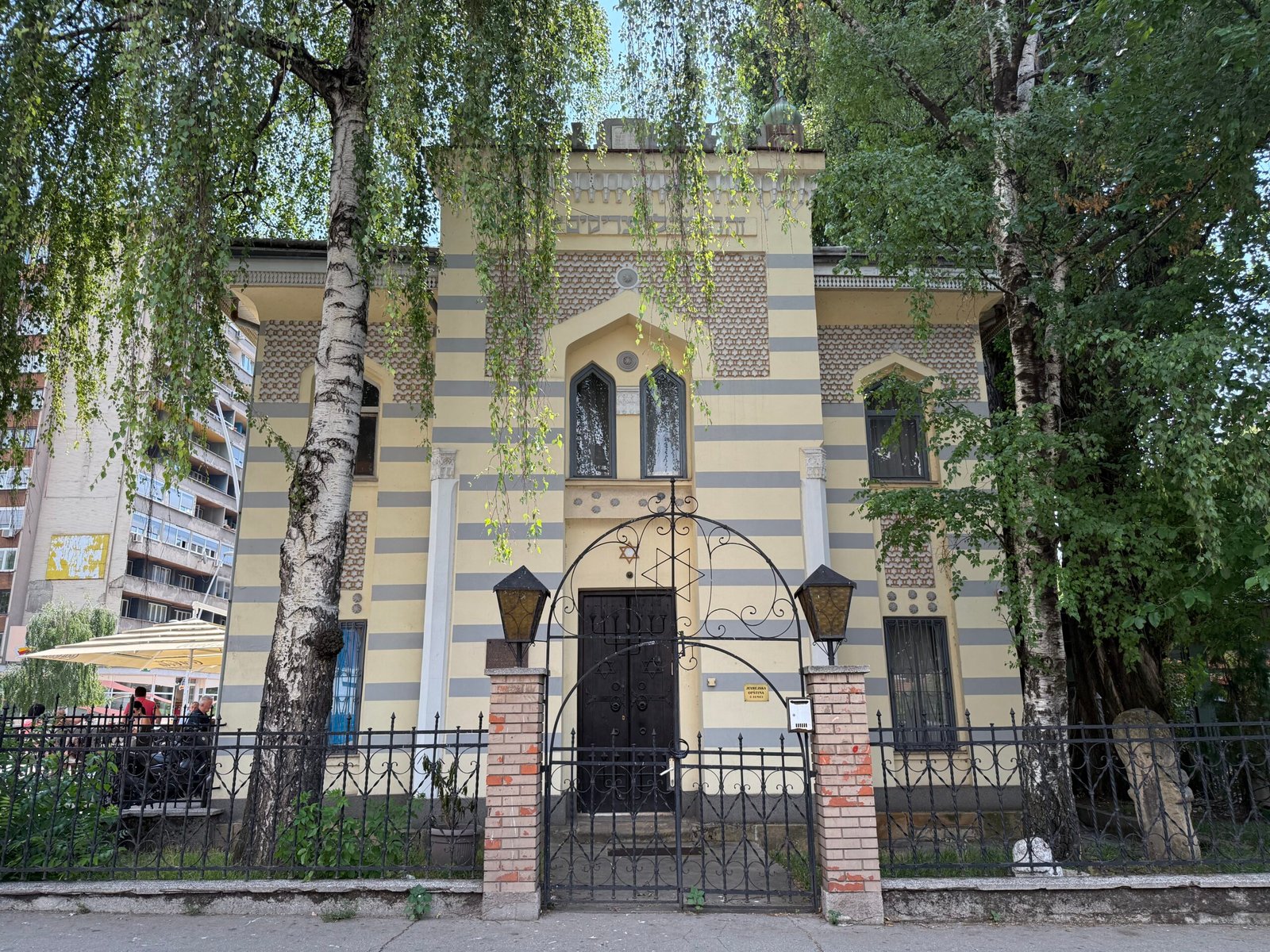
As I left the museum, I was told that I had to see the local synagogue as well, which is also administered by the city museum of Zenica. If memory serves me well, it was built to replace an older synagogue that was destroyed by the invading Nazi forces during the Second World War. Unfortunately, at least on the day that I was visiting, there was no way I could enter the synagogue itself.
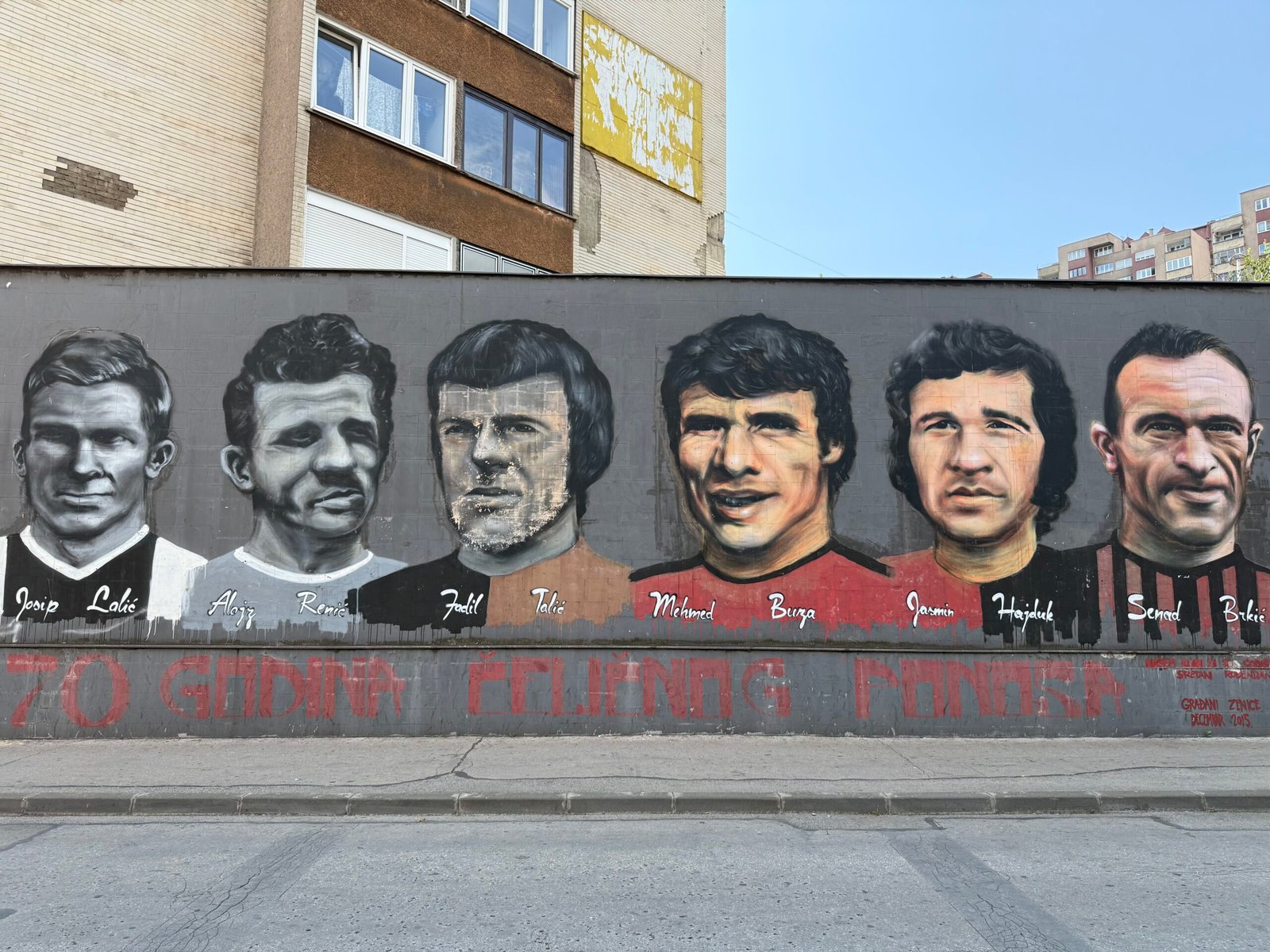
By this point in my daytrip I was already famished. I wanted to check out a local pasta place, which just happened to have this gorgeous mural right across the street. It seemed to be dedicated to some of the most popular local football players, which tied in quite well with the exhibition in the museum that I had just checked out.
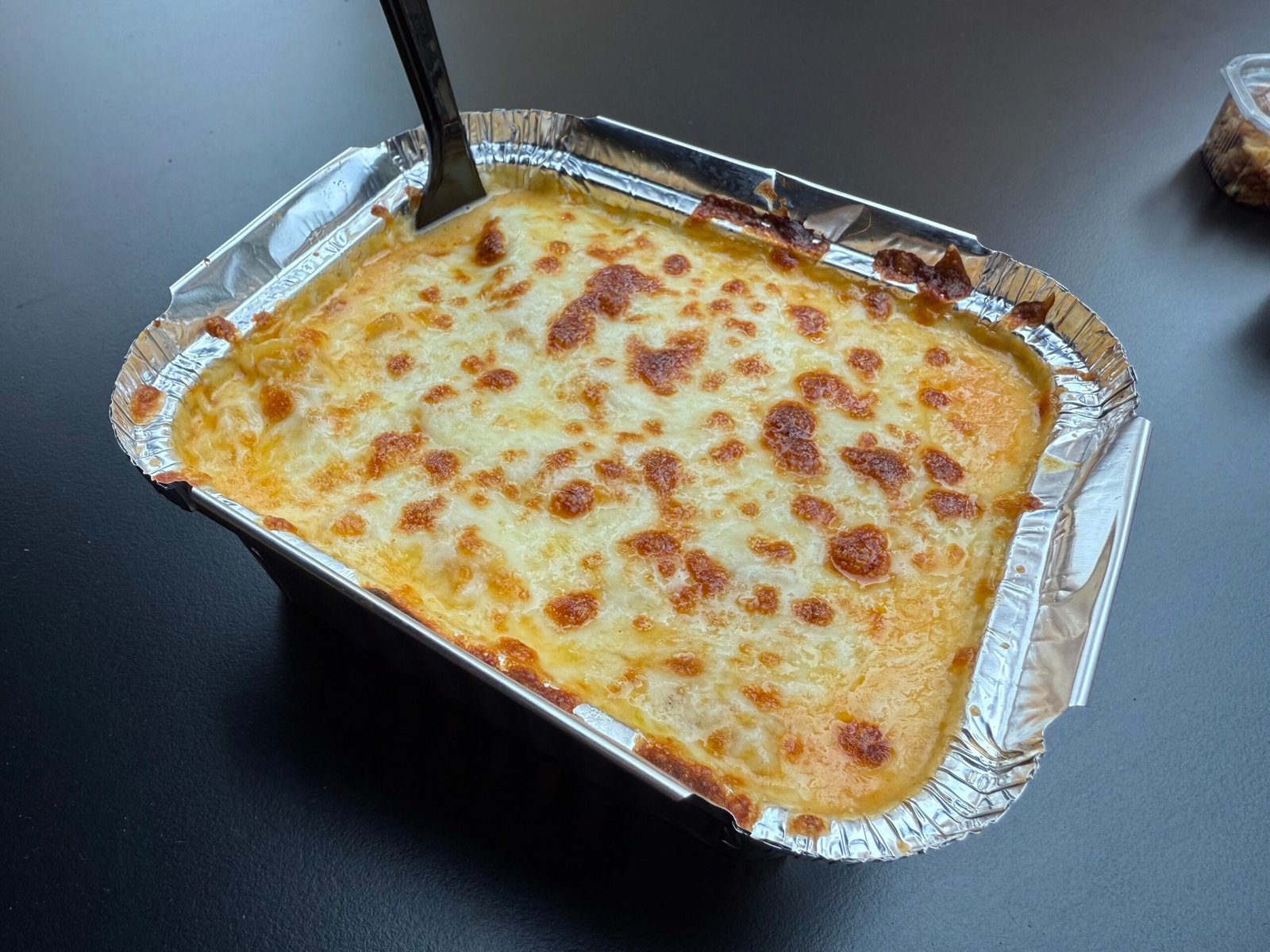
I had my fill of bureks in BiH by now and that is why I opted to try some pasta in Zenica. It was the runniest mac and cheese I had in my life, though I cannot say anything negative about its taste. It had plenty of cheese and a good balance of spices in its sauce.
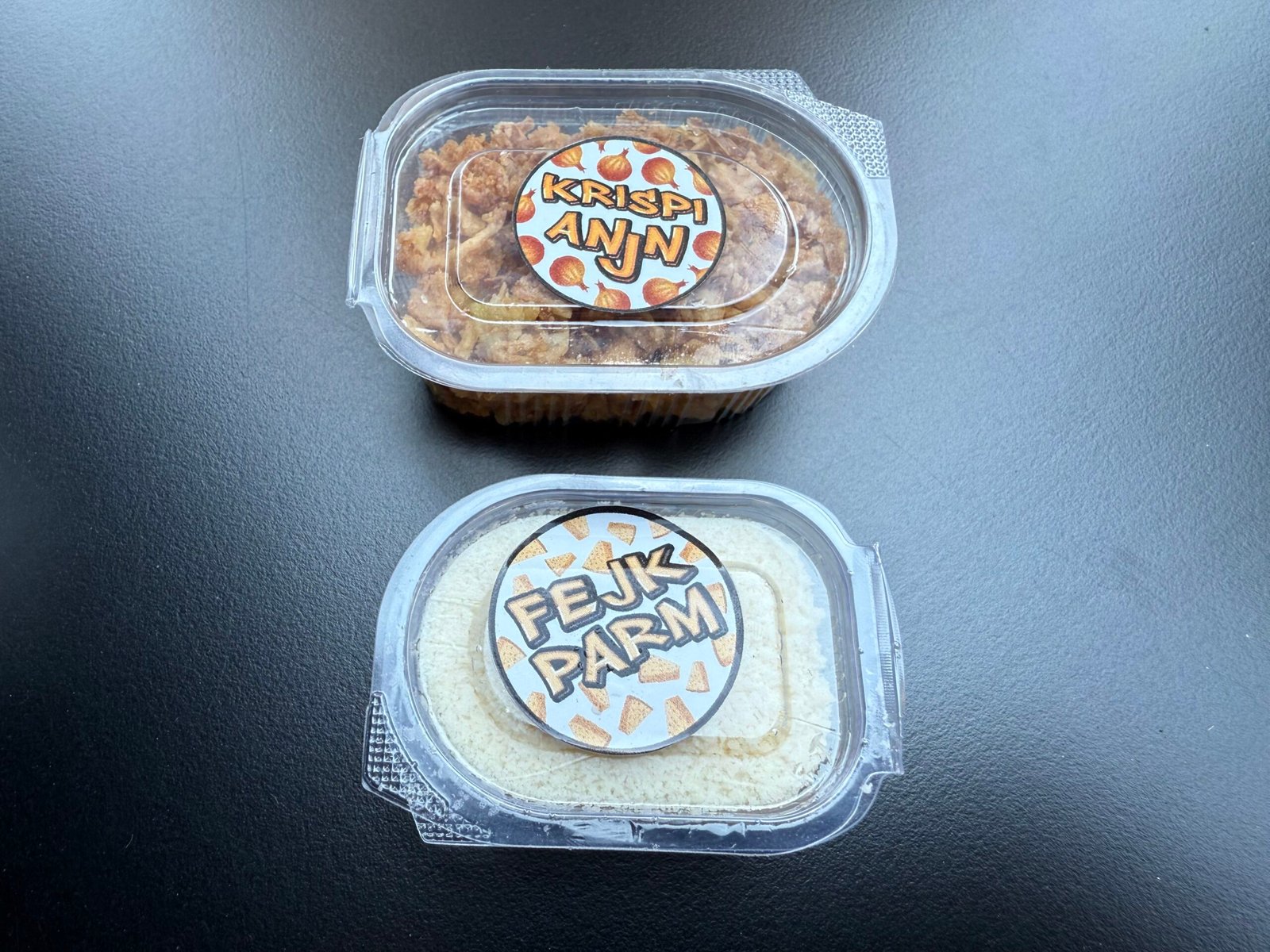
Besides, the real reason why I wanted to try this rather new spot was the fact that they had these two extras on their menu, crispy onions and the so-called fake parmesan. Crispy onions are never a bad idea, I bet they would even taste good on a birthday cake. The fake parmesan cheese on the other hand was a miss for me. I did not regret buying it, but as the name suggests, it was not parmesan.
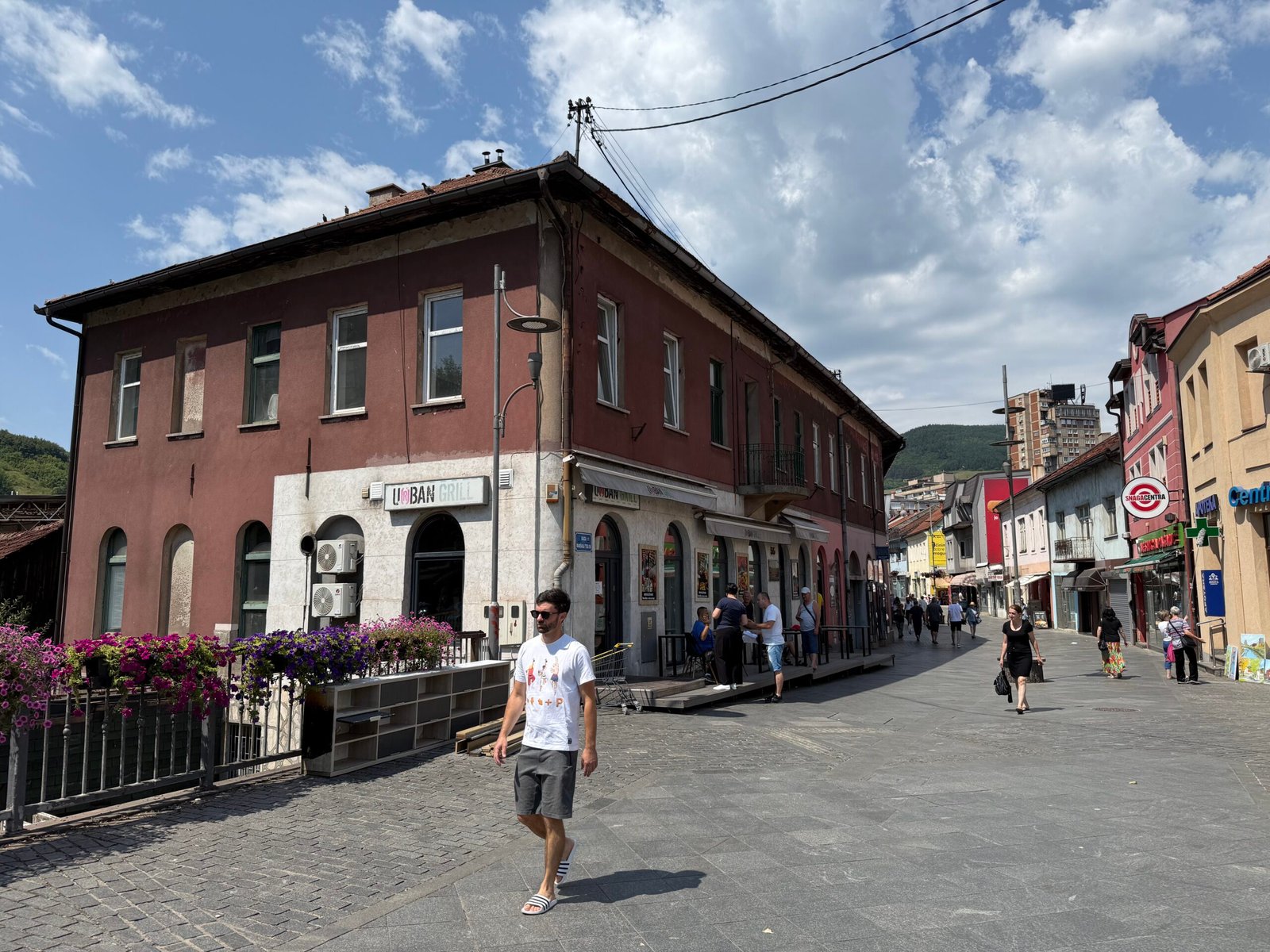
After that hearty meal, I decided that I should take a different route back to the bus station and then make my way to Sarajevo to spend the rest of my time there. I had realized that while the industrial heritage of Zenica interested me, not much of that heritage was readily accessible from the city center.
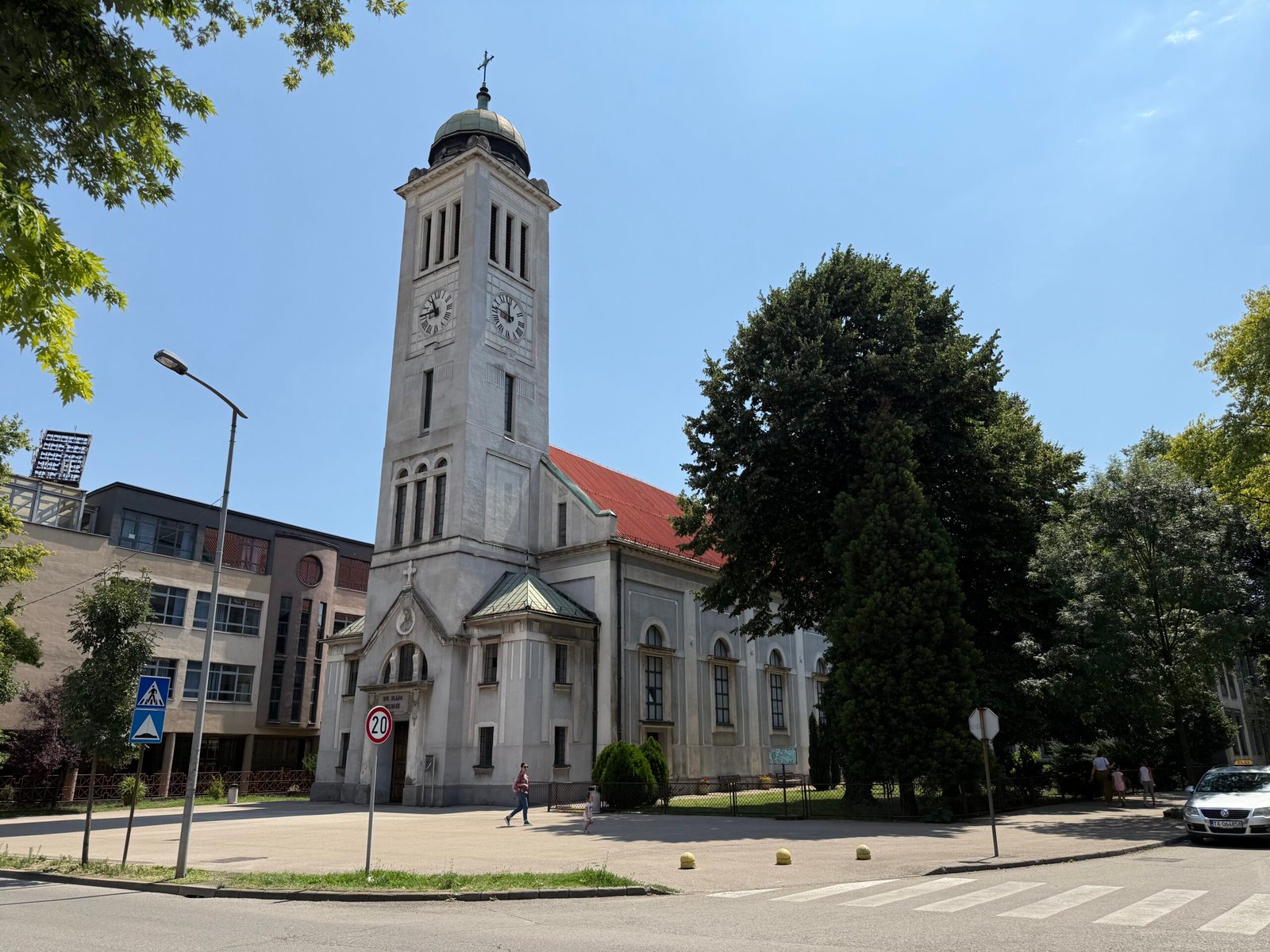
After going through the Marshall Tito Avenue and turning right, I eventually made my way to the Church of St. Elijah the Prophet. Unfortunately, it was not receiving any visitors at the moment.
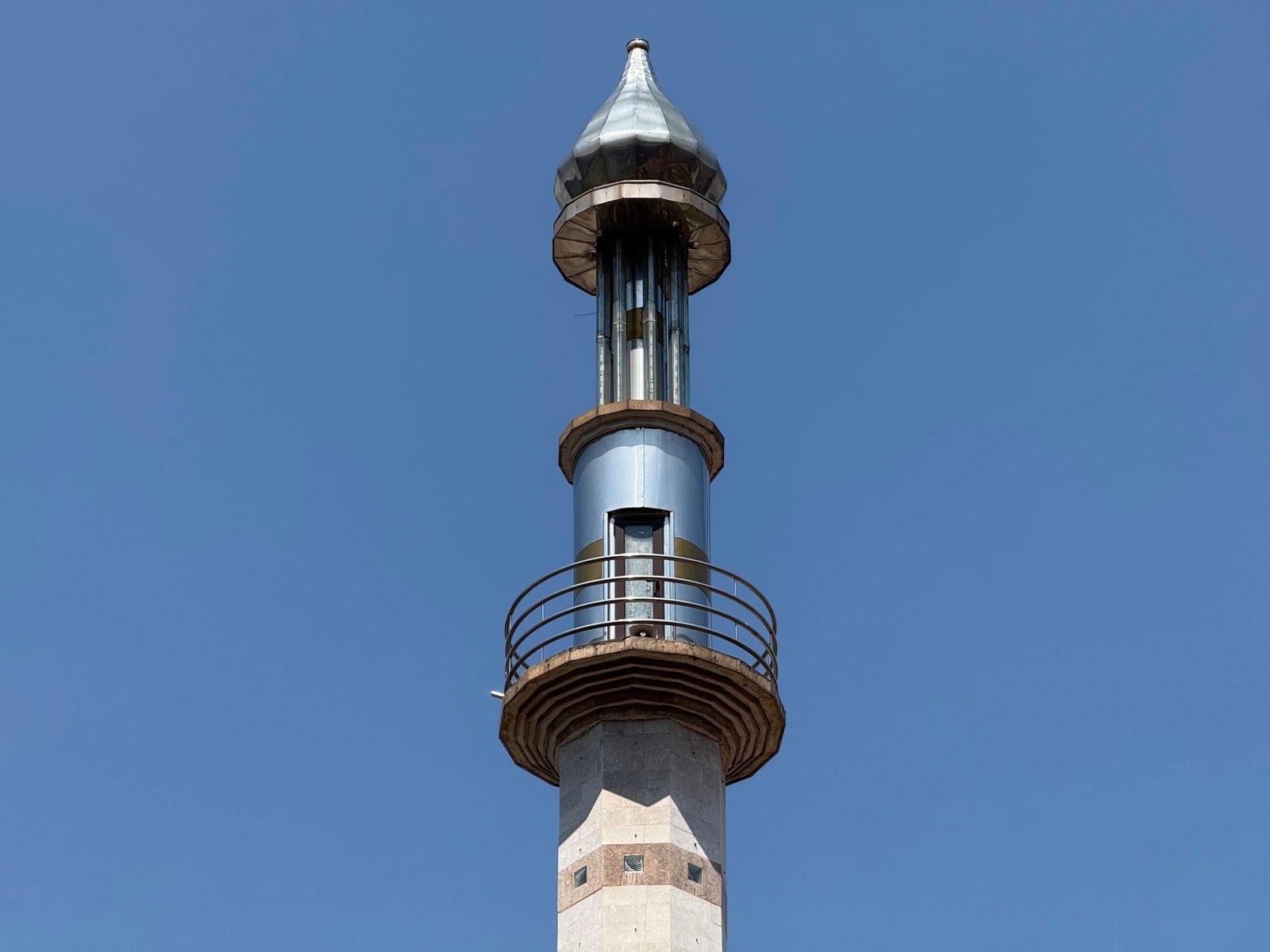
I must say, while Sarajevo is known as the Jerusalem of the Balkans, most Bosnian towns look and feel like tiny Jerusalems in their own rights. You can find the religious infrastructure for all three Abrahamic religions in many towns across BiH, and better yet, due to the highly multilayered history of the region, these temples often come in some surprising shapes and sizes. Just check out the minaret of Bosna Camii, now that is a statement on how to make a unique looking minaret.
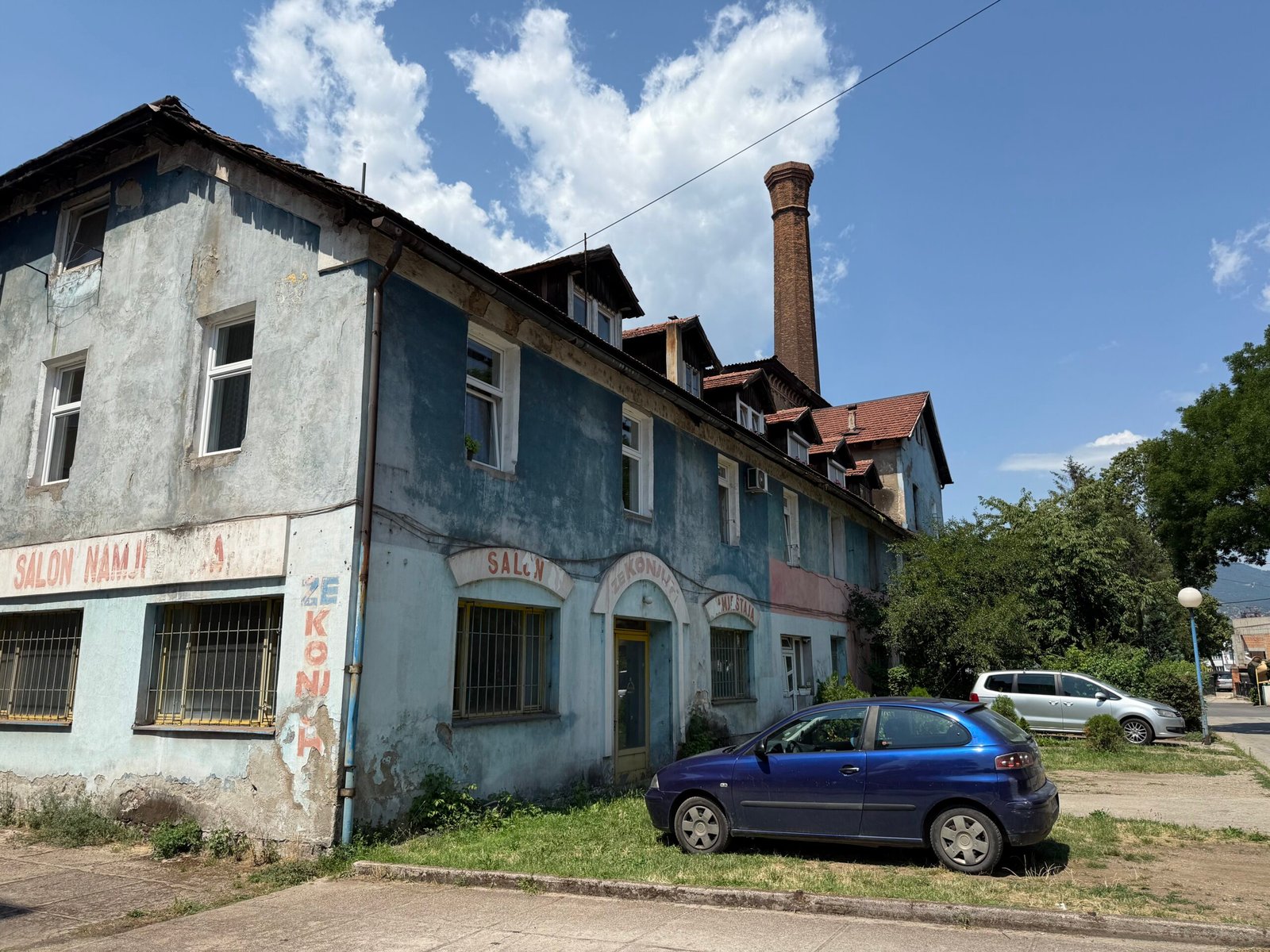
Speaking of tall and lean structures, Zenica was and still is somewhat full of these chimneys. Reportedly, this area used to house an extensive paper mill, which helped industrialize the town which had already developed its metallurgical industries and hosted a thriving coal mining community. Unfortunately, you can see that most of these businesses died down today. Though some European companies continue to operate smaller operations within the borders of the city, Zenica clearly does not play the crucial role it once played in the region.
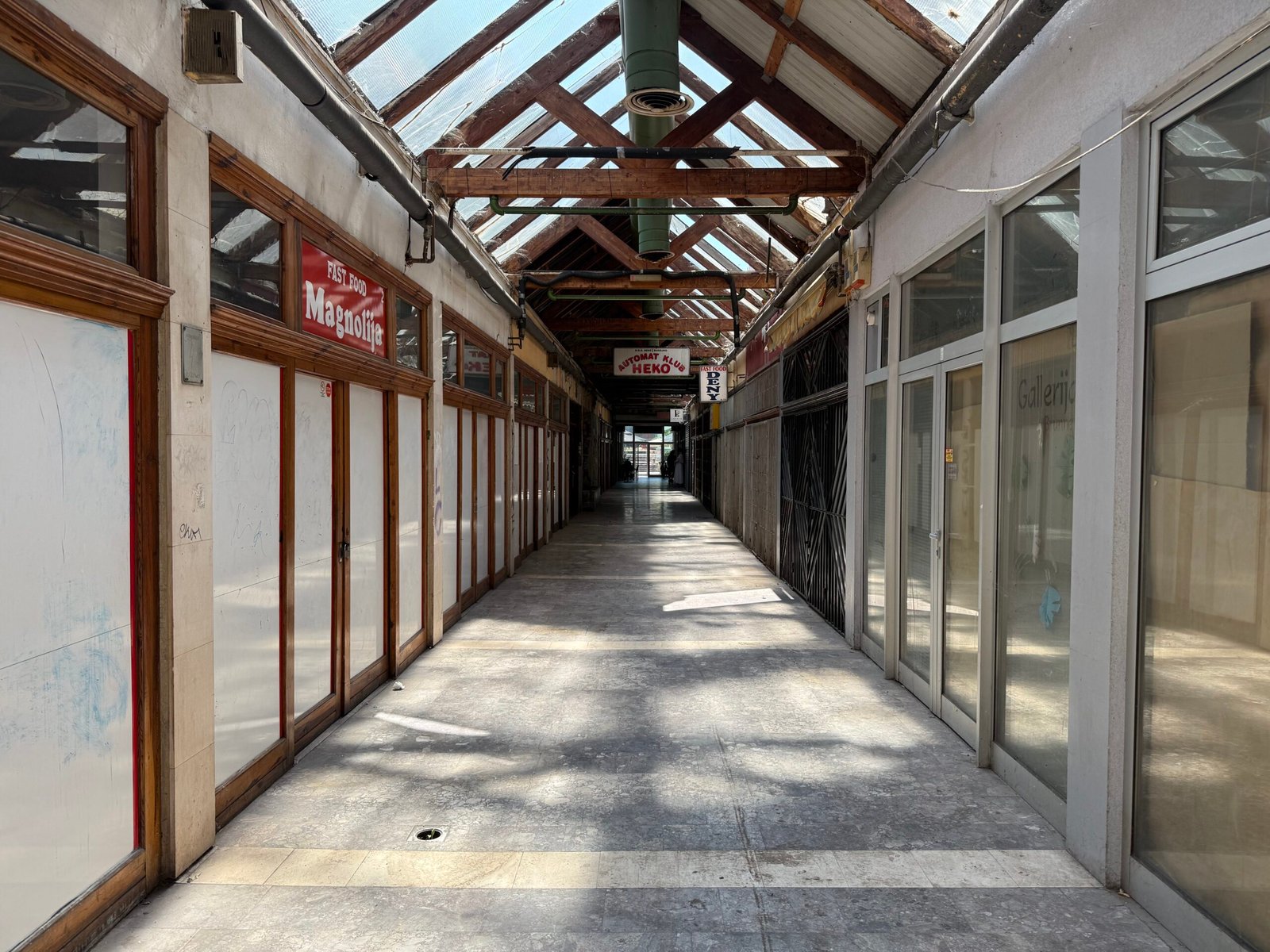
The slow death of Zenica is most apparent in the prevalence of its abandoned buildings. This is not some tiny street on the outskirts of the town that you are looking at. This is a central bazaar-like structure, meters away from the city museum. I checked most stores here, and more than half seemed outright ransacked, and the others are either empty or closed. You do not really see all that many people even near the more central areas of the town, and most people I ran into turned out to be older folks. These are likely already retired individuals who simply enjoy the town for its laidback atmosphere.
Unfortunately, a town cannot be sustained with its relaxing vibes alone. While Zenica was a joy to visit, this was also a rather depressing experience. I felt like I was back in Karaganda, or Zonguldak, both having their own sets of issues that stem from losing their industries and population. Perhaps worst of all, these cities are losing their relevance. Once beloved and put on a pedestal as engines for modernization, these decaying coal towns are becoming ghost towns with every passing day. It makes one wonder whether a similar fate will ever be met by towns that got rich off of natural gas or petroleum in the last century. I suppose to avoid such cases, it could not hurt to study just what went wrong with city planning and long-term development in coal towns like these and then make better policies in the future.