
Egyptian history is known for its length, among many other things. However, not all parts of the country can claim to have deep historical roots. Sharm El-Sheikh, one of the most popular resort towns in the country, is one such exception. However, when it comes to history, age is hardly a useful metric to indicate a potentially compelling story. In this short article, I will briefly go over the history of Sharm El-Sheikh and present it as the riveting tale that it truly is.
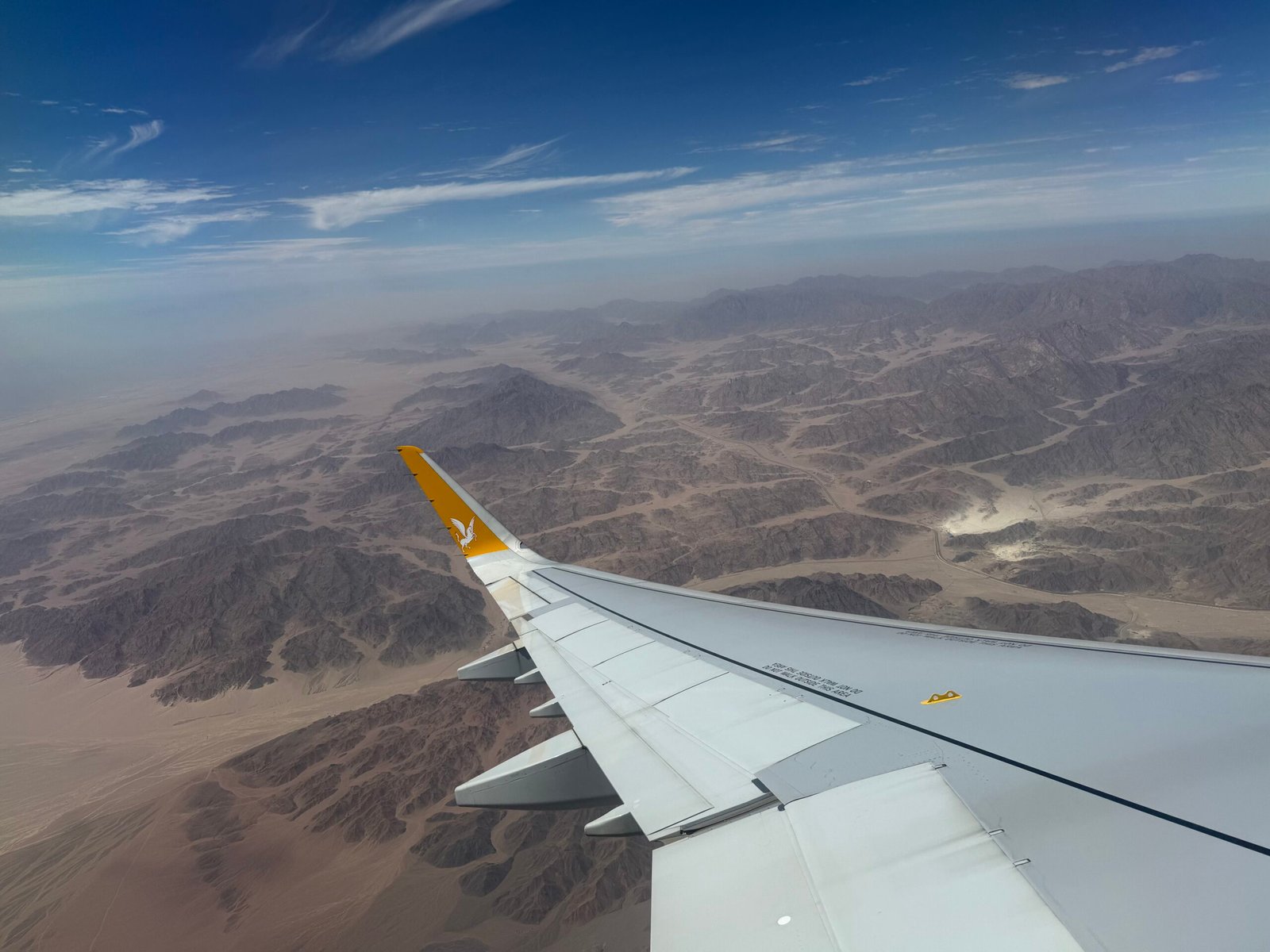
Sharm El-Sheikh is located on the southern tip of the Sinai Peninsula, a part of the world that is highly inhospitable to humans. You can see its barren desert environment for yourself above. While the area was not entirely devoid of human activity throughout history, it was primarily utilized by traders and Bedouins for centuries. In other words, proper settlements like Sharm El-Sheikh are relatively recent developments in the region.
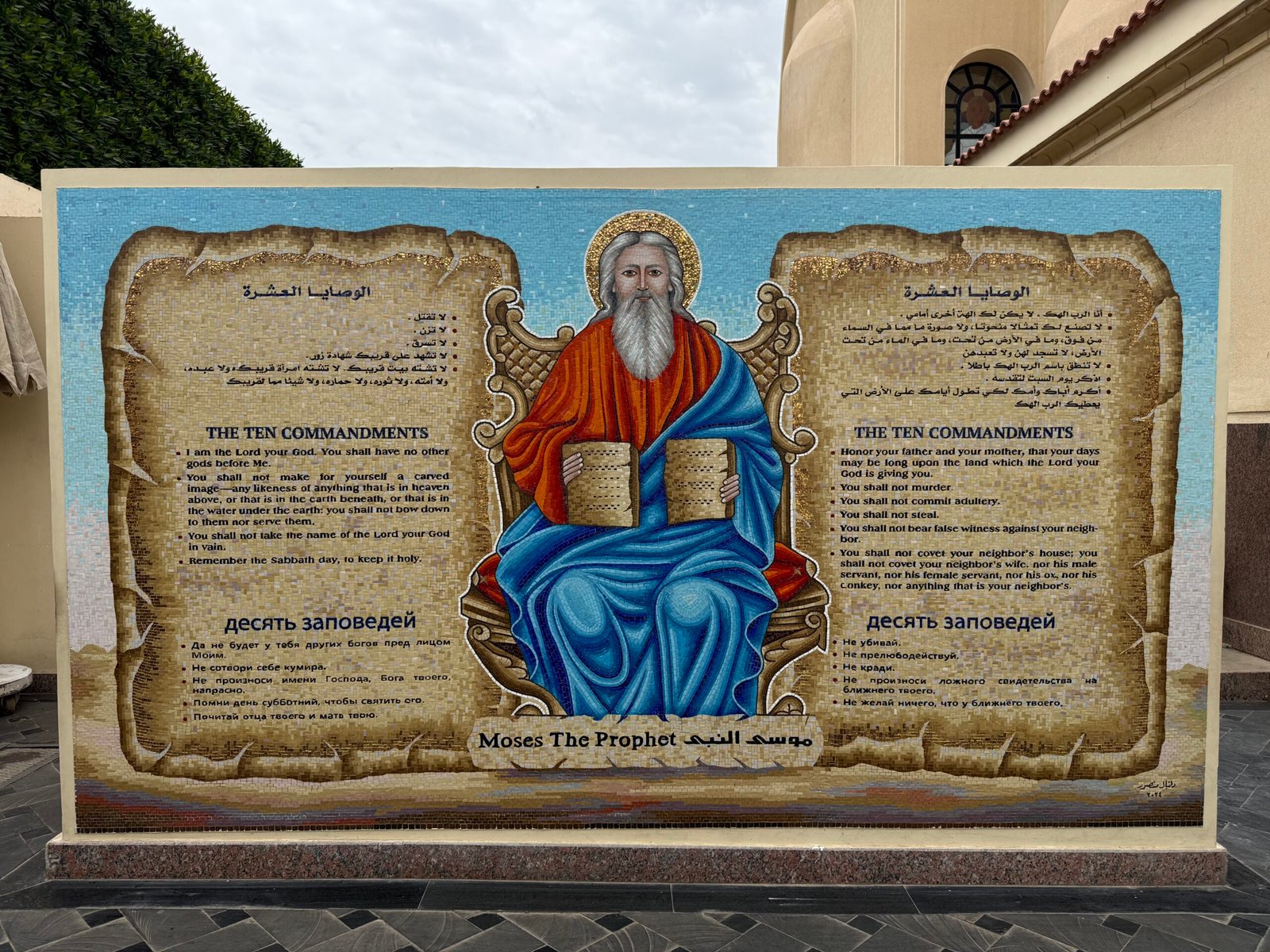
This is not to say that the Sinai Peninsula as a whole was insignificant in the past. On the contrary, the area near modern-day Sharm El-Sheikh is extremely important to the theology of all Abrahamic religions, and it functioned as a corridor connecting Egypt (and thus Africa) to Eurasia. For example, it is believed that the Prophet Moses received the Ten Commandments from God on Mount Sinai. It is also held that he and his followers crossed the Red Sea somewhere north of Sharm El-Sheikh, which is one of the most famous miracles within the Abrahamic tradition. So, while this arid landscape was not necessarily urbanized to any considerable degree before the 20th century, it held immense significance for many people due to its trade routes and religious importance.
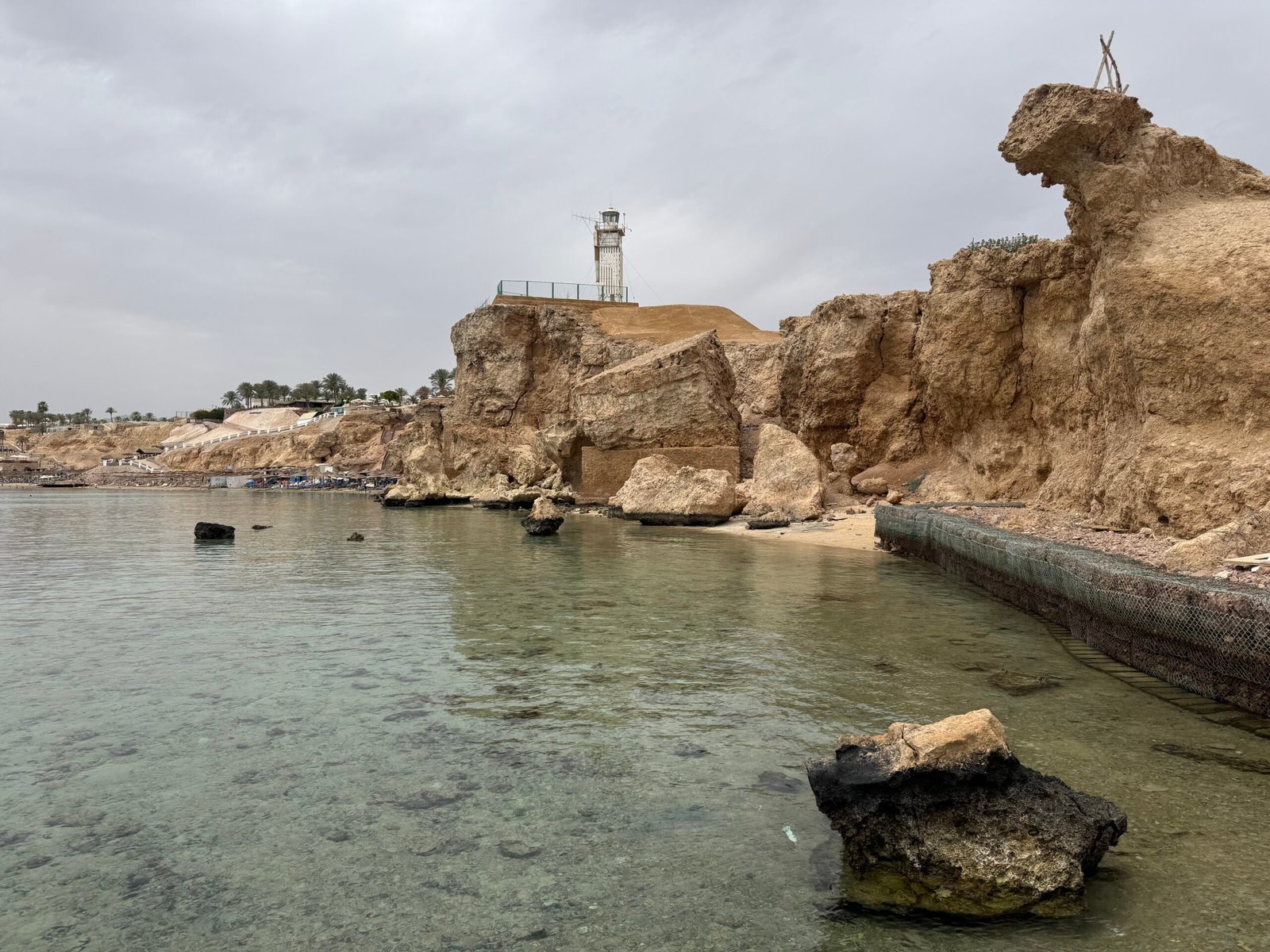
However, the start of modern urbanization in Sharm El-Sheikh can only be traced back to the period following the Arab-Israeli War of 1948. As tensions rose in this part of the Middle East, the Egyptian leadership concluded that a military outpost on the southern tip of the Sinai Peninsula would be strategically advantageous and thus built one in the vicinity. This outpost was captured by the Israeli army during the Suez Crisis of 1956, though it was returned the following year. In 1967, during the Six-Day War, it was occupied by Israel once again, and this time, they would hold onto it until 1982.
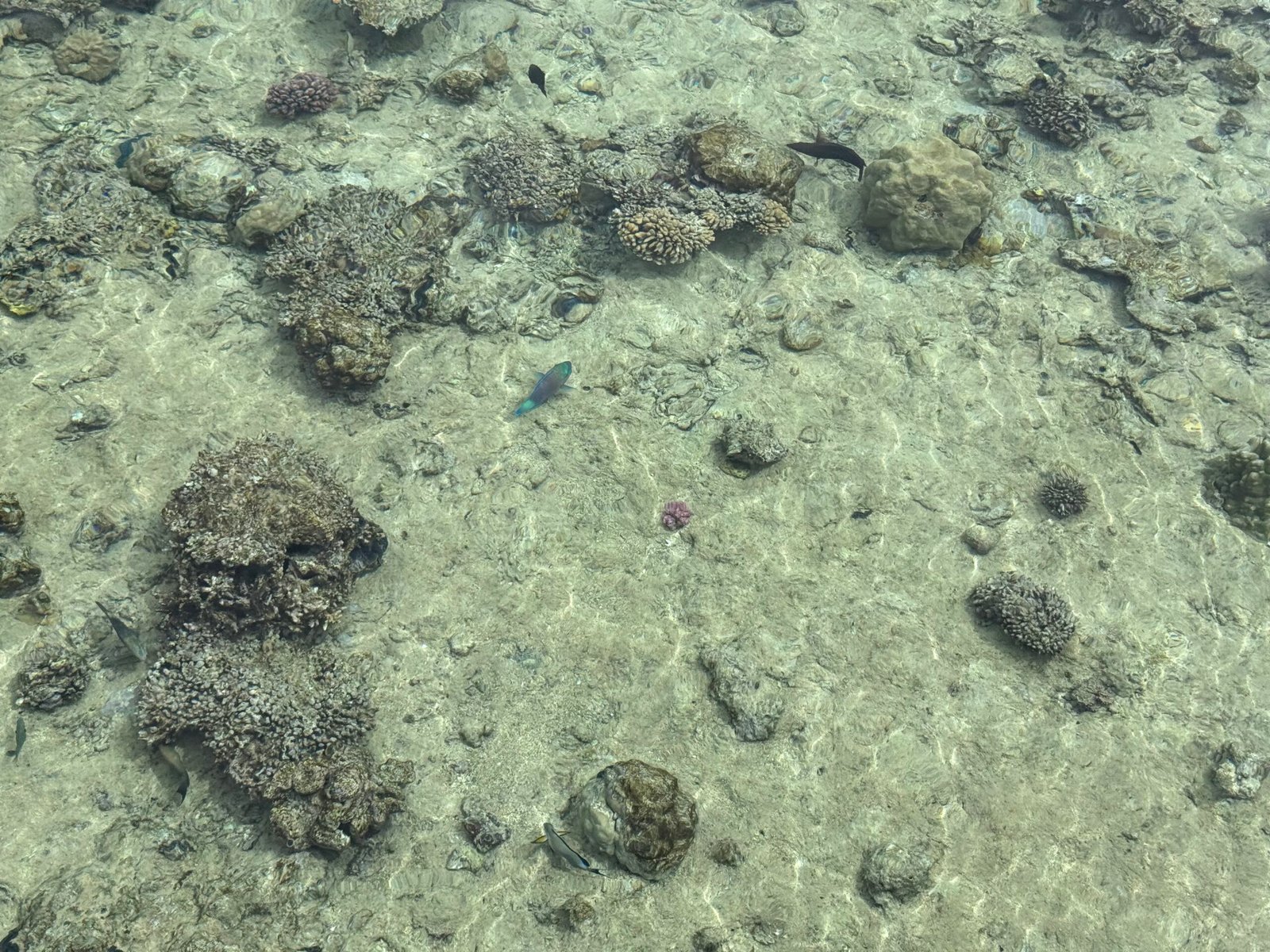
While the initial local settlement retained some of its military characteristics, the area was further urbanized and transformed into a fully-fledged resort town during this fifteen-year long Israeli administration. To be clear, at that time, this settlement was called Ofira rather than Sharm El-Sheikh. Ofira was centered around what is today known as Naama Bay, not far from the local Israeli military airport, which was later expanded and rebranded as Sharm El-Sheikh International Airport. The Israelis were convinced that despite the inhospitable conditions of the peninsula, its southern tip could support proper resort towns. After all, the area received sunshine all year round and was surrounded by some of the finest coral reefs in the world.
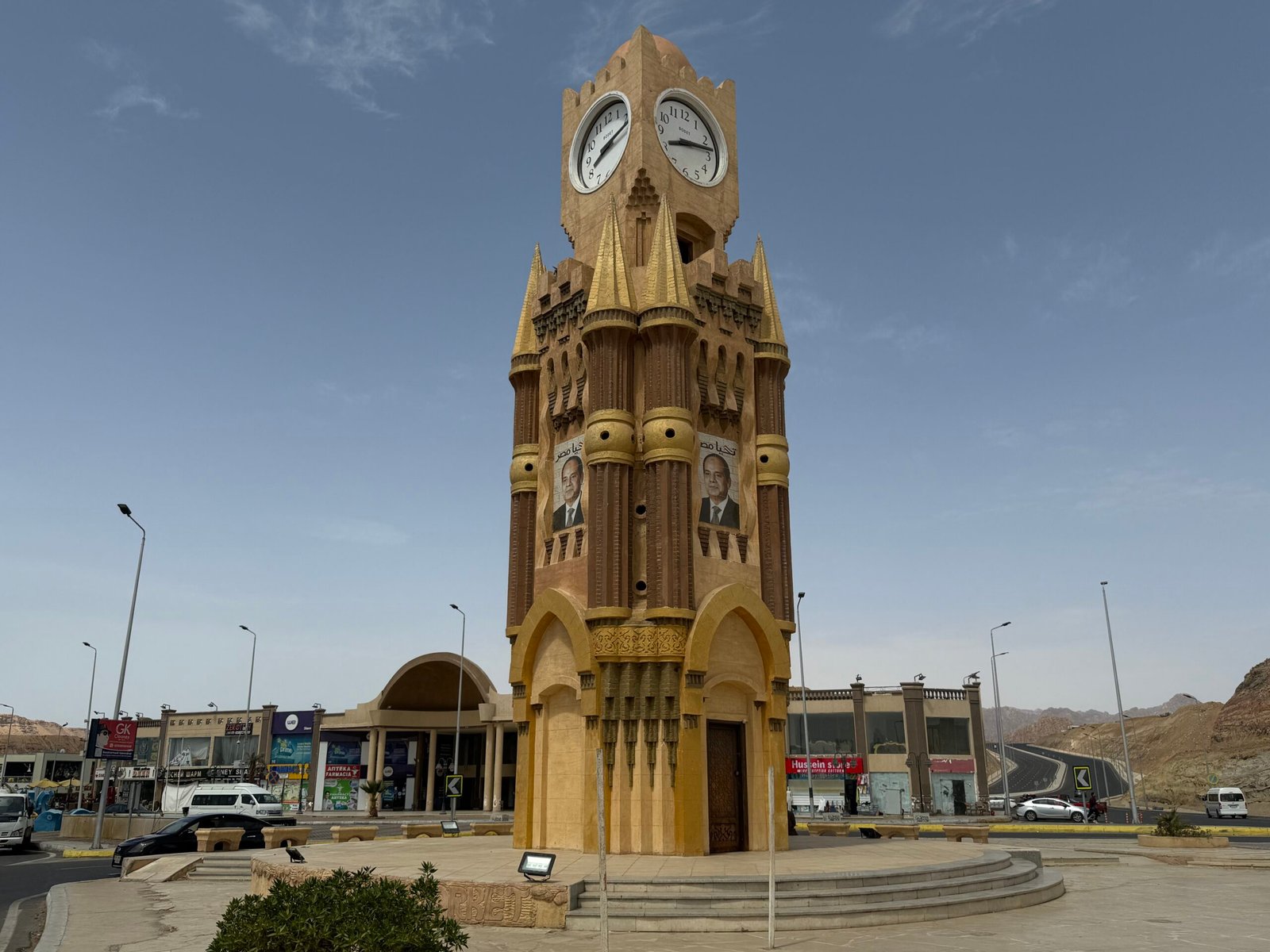
The Israeli gambit worked. While they only had time to build a few resorts before returning the control of the peninsula to the Egyptian state, their progress proved that a resort town could indeed flourish in this part of the world with sufficient investment. That is exactly what Cairo provided to Ofira once it regained control in 1982, renaming it Sharm El-Sheikh shortly after. The rest is history, or rather, history so recent that I am tempted to call it the present. The city grew rapidly. New resorts and neighborhoods were built, the airport was expanded, and millions of tourists flocked to the area. In just a few short decades, Sharm El-Sheikh went from a sparsely inhabited part of the desert to a world-renowned tourist destination.
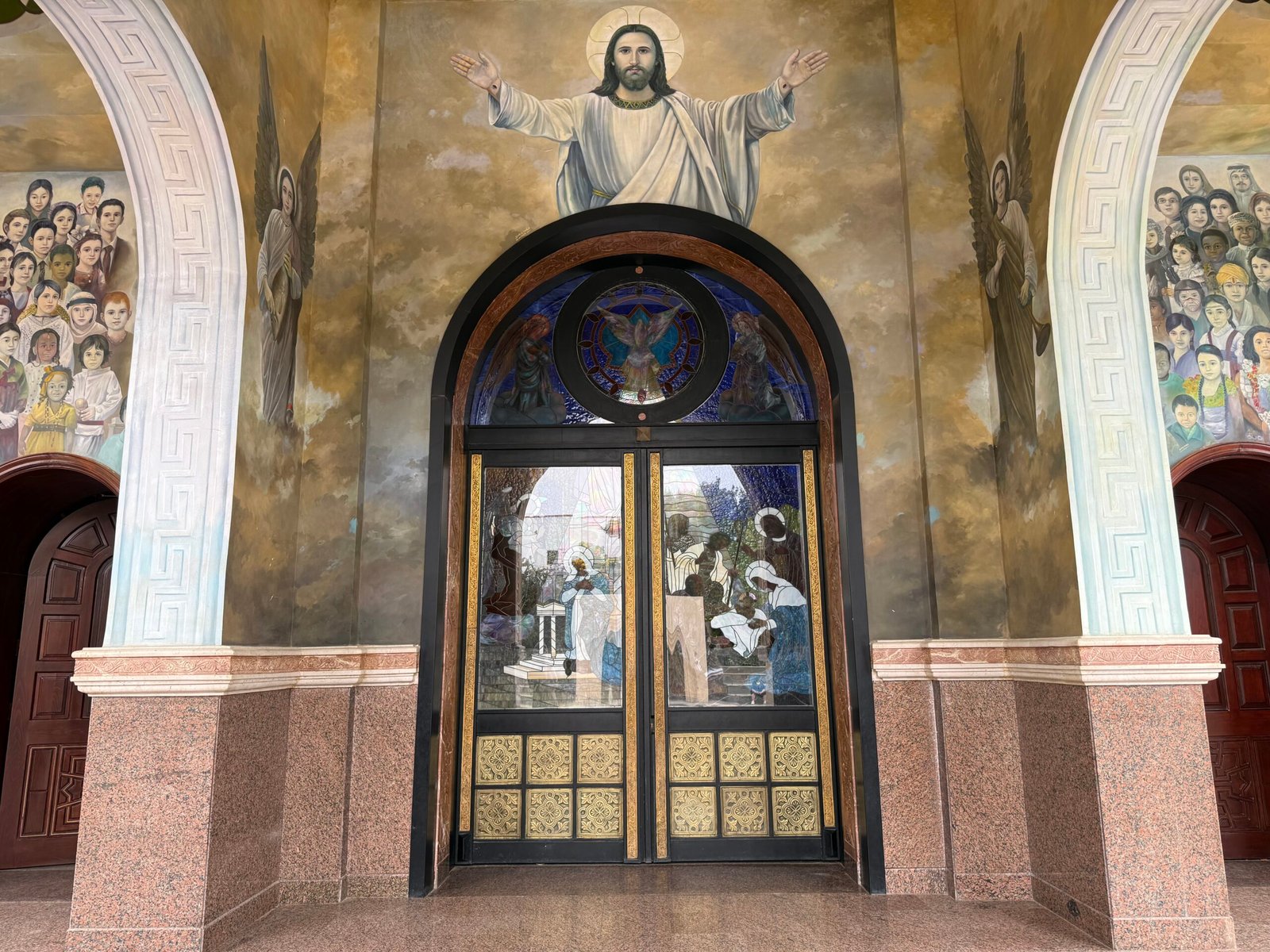
Moreover, today, Sharm El-Sheikh is more than just a resort town as Egyptian authorities also brand it as the “City of Peace.” Cynics might argue that this was just a ruse to rebrand a conflict zone into a popular vacation spot. While that line of thinking has some merit, the initiative went beyond simple rhetoric. Leaders from Egypt, Israel, Palestine, and various other stakeholders have met in Sharm El-Sheikh numerous times since 1982, the most recent being the Gaza Peace Summit on October 13, 2025. In a world where meaningful dialogue between states is becoming increasingly rare, such initiatives are welcome to say the least, regardless of whether they help the local economy or not.
While Sharm El-Sheikh’s history cannot rival that of Cairo or Luxor, it shows us that even recent history can be full of hidden gems. Imagine a harsh, inhospitable environment that served as a literal conflict zone for most of the 20th century, which then defied the odds to become a globally renowned resort town. Of course, this success was neither easy nor straightforward, and it was marked by tragedies along the way. Jihadist groups carried out numerous terror attacks on the peninsula in recent decades, and as recently as 2015, a passenger plane full of tourists was shot down by ISIS shortly after departing from Sharm El-Sheikh International Airport. However, tourists would return soon enough, demonstrating both the town’s resilience and the enduring allure of its pristine coastline. Starting next week, we will explore the streets, cafes, restaurants, mosques, churches, and, most certainly, the beaches of this unique resort town.