
Jeddah is closer in spirit to Riyadh than to neighbouring Mecca or Medina. That is to say, it is less of a religious destination, and more of a tourist attraction. This means that local authorities have more reasons to try and flesh out the city’s budding museum scene, which should look significantly better in the upcoming years. I say so because in the few days that I got to spend in Jeddah, I saw more museums under construction or undergoing renovation than ones that were already open for public. Nevertheless, among the few that already welcomed visitors, I managed to enjoy a good number of them, and at least one of them was already outright impressive. Read on to find out which one that is!
Red Sea Museum
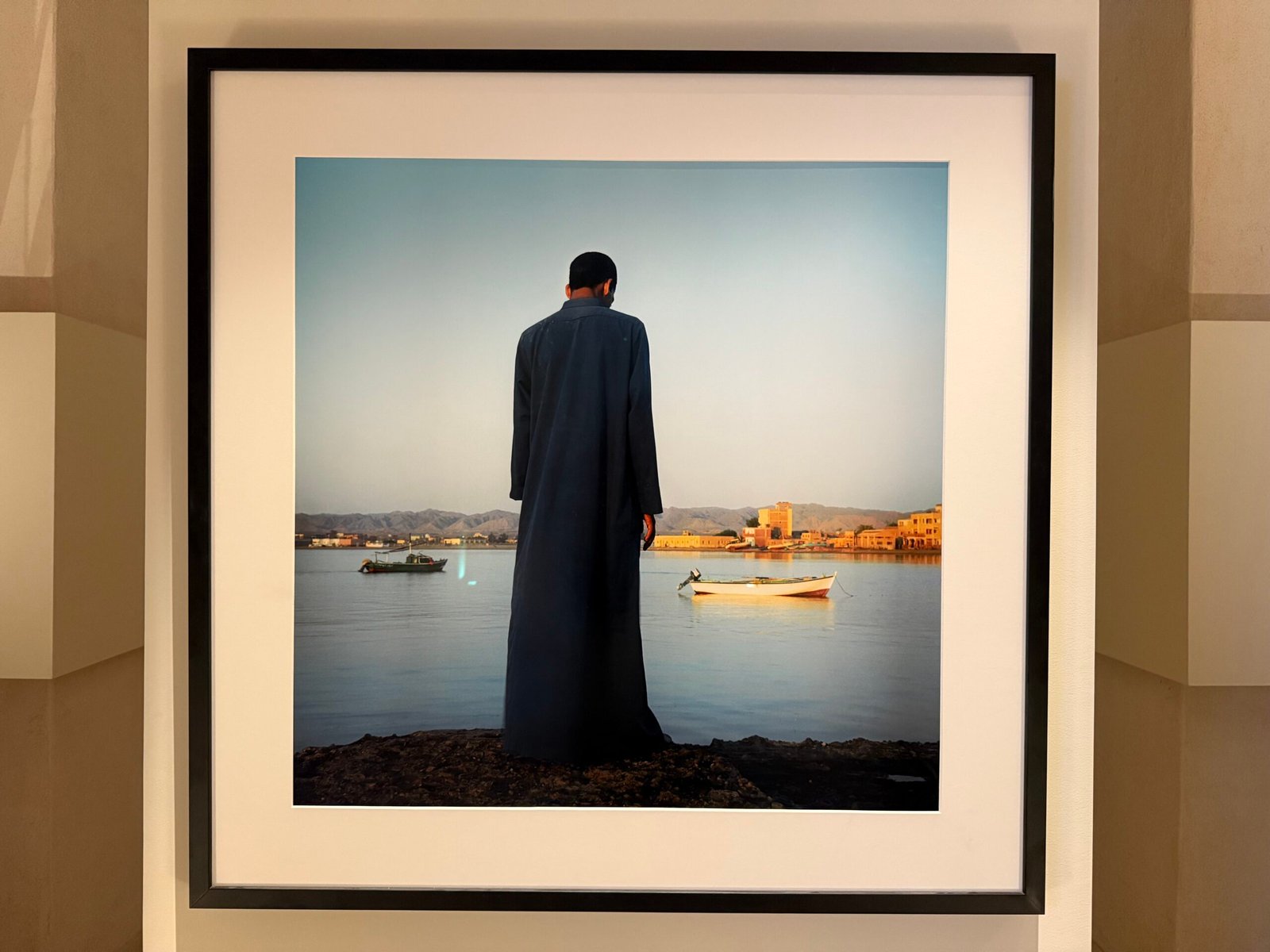
I think this museum opened its doors just a few days before we arrived at Jeddah. It was full of people when I visited it during our first night there, which did not seem normal to me. It was free to enter, and it is more or less in the most central part of Old Jeddah, so that likely helped boost its visitor numbers and yet this small museum was still a bit too crowded to say the least, at least for my taste.
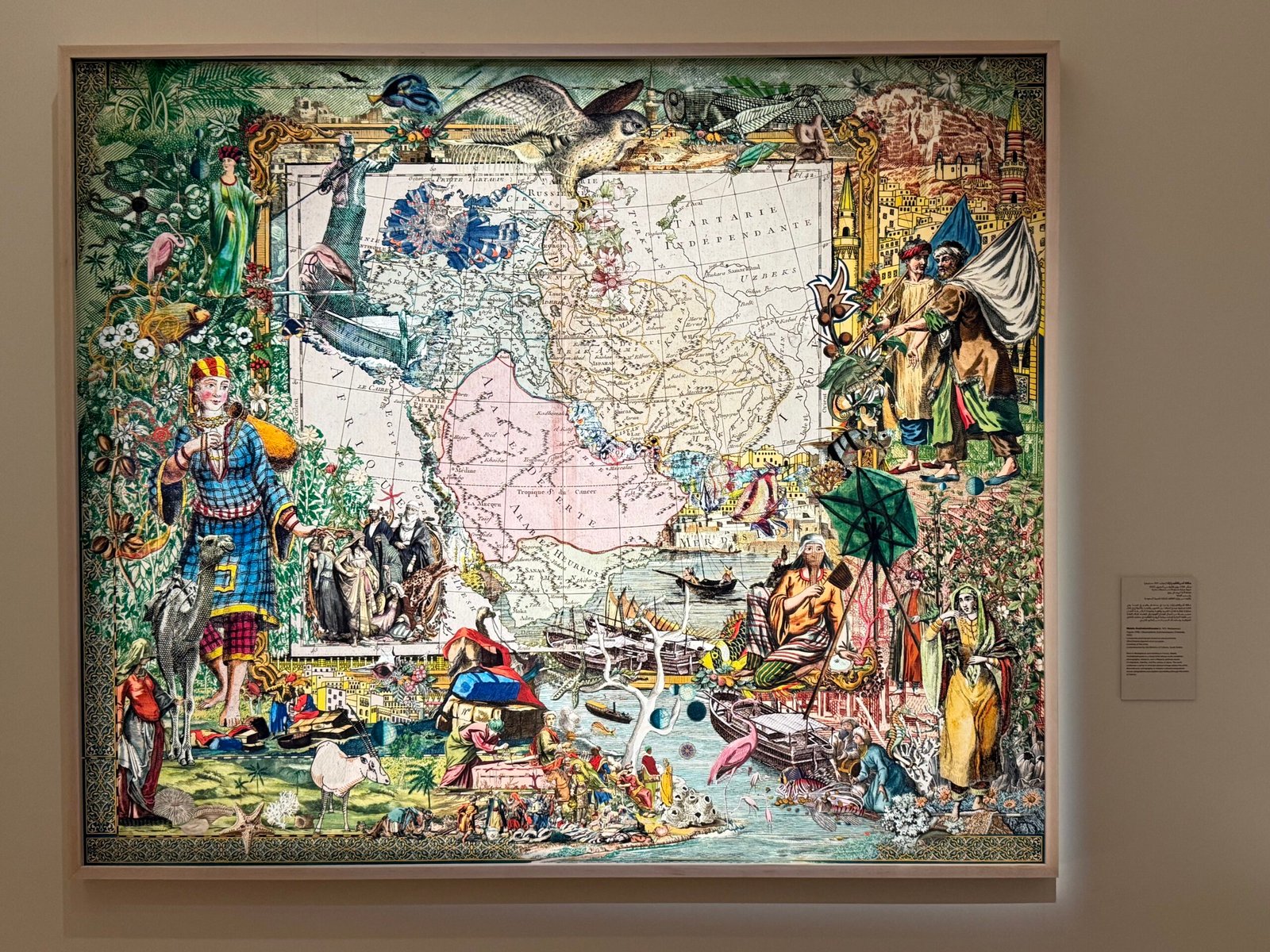
To be fair, it deserved all those visitors and more. Despite being rather humbly sized, Red Sea Museum is home to a lot of smaller exhibitions on themes ranging from the locals’ connection to the sea, to the importance of the port of Jeddah to pilgrims, who for well over a millennium used this port to reach Mecca.
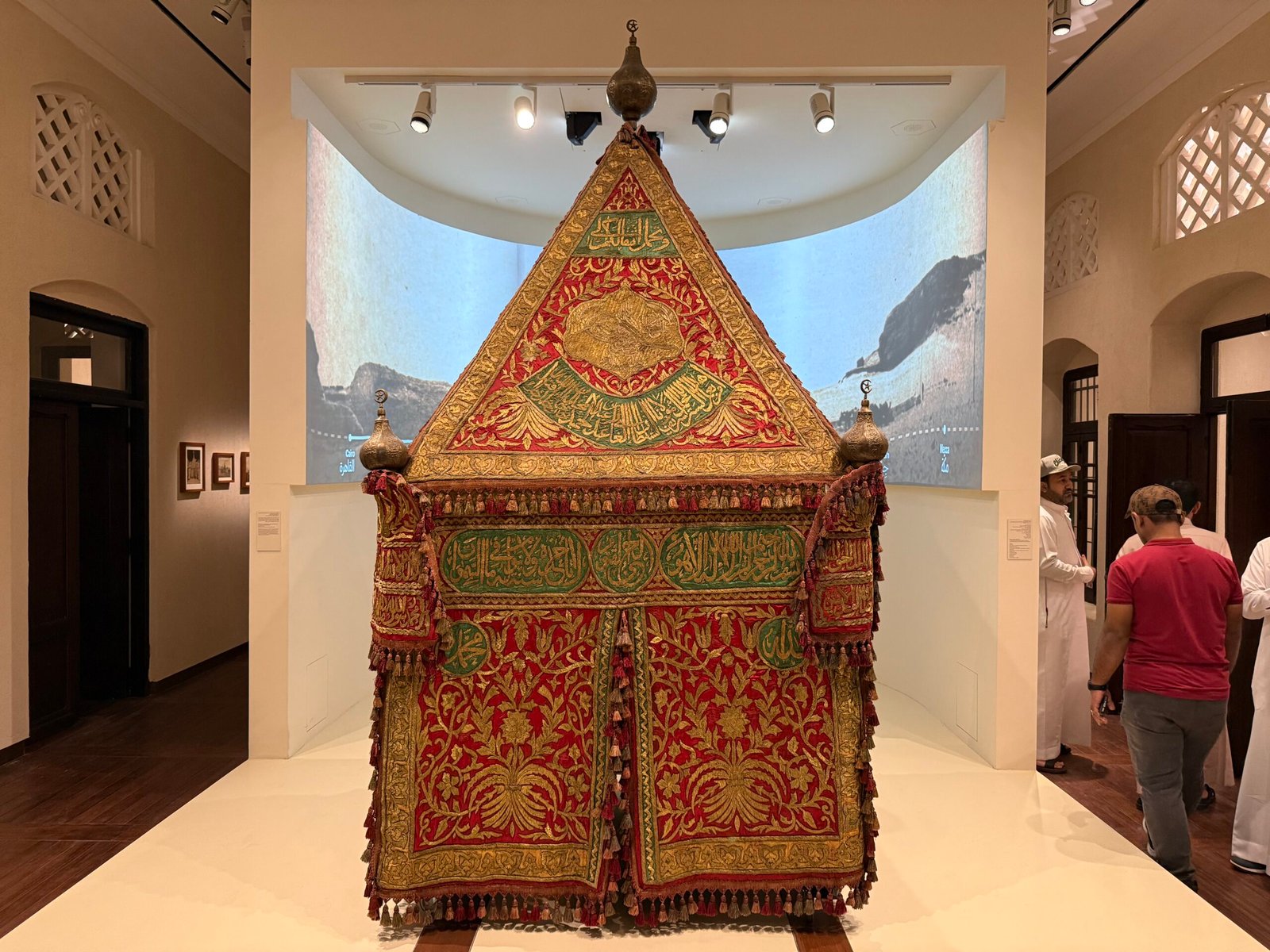
In fact, up to half of the entire museum was dedicated to exhibitions that highlighted the role Jeddah played as a crucial node on most Islamic pilgrimage routes. Of course one can approach Mecca from a few other directions as well, however, even today Jeddah remains as one of the most popular gateways to Mecca, which does not have its own commercially used airport just yet.
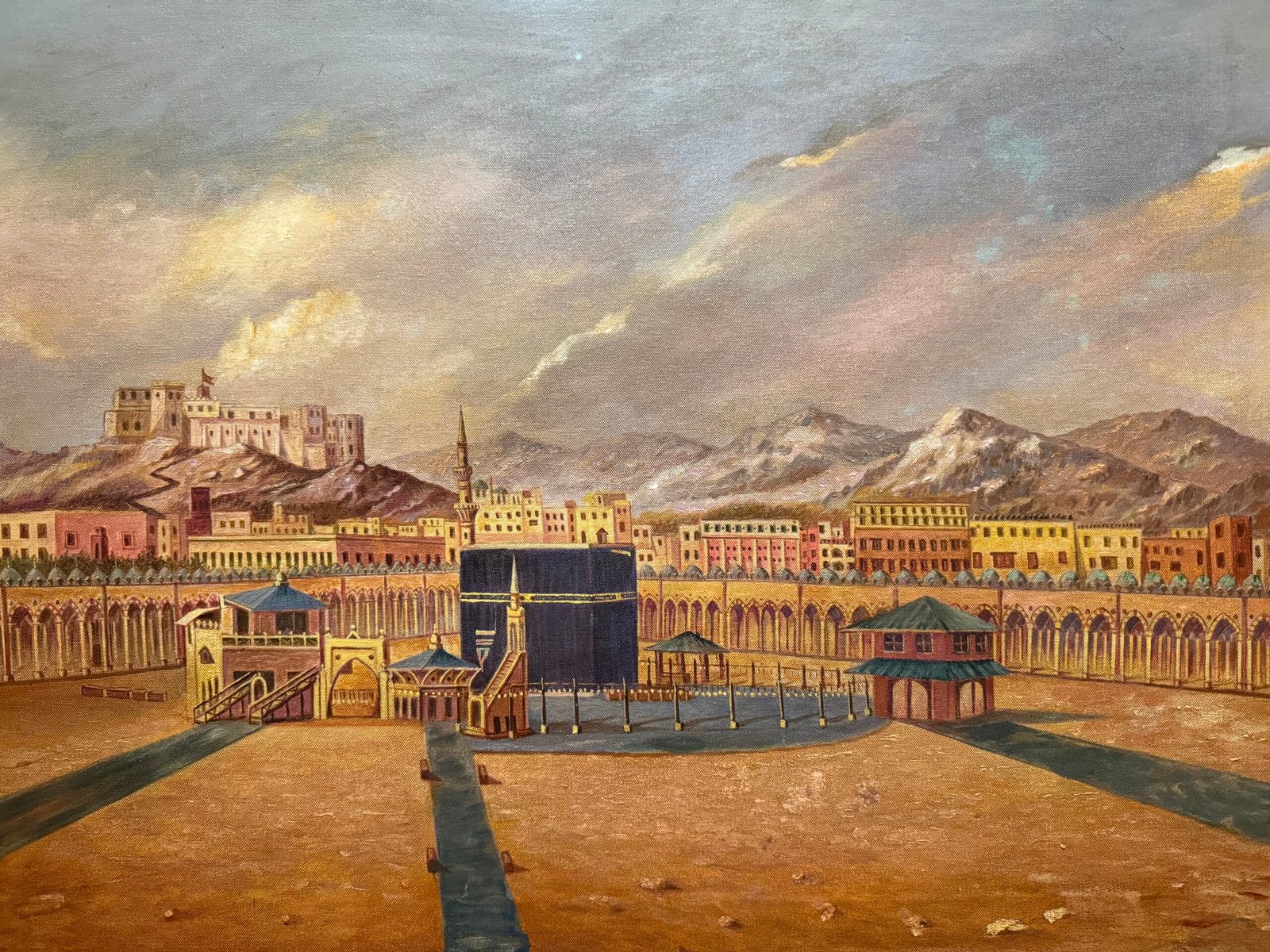
Other than maps and artifacts of various sizes and shapes that all related to Jeddah, Mecca, Kaaba, or the Islamic pilgrimage in one way or another, one can also find a rather decent number of artworks that focused on these themes in this museum as well. You can find depictions of the Kaaba and its surrounding area across many centuries, which helps one understand just how its vicinity developed over time.
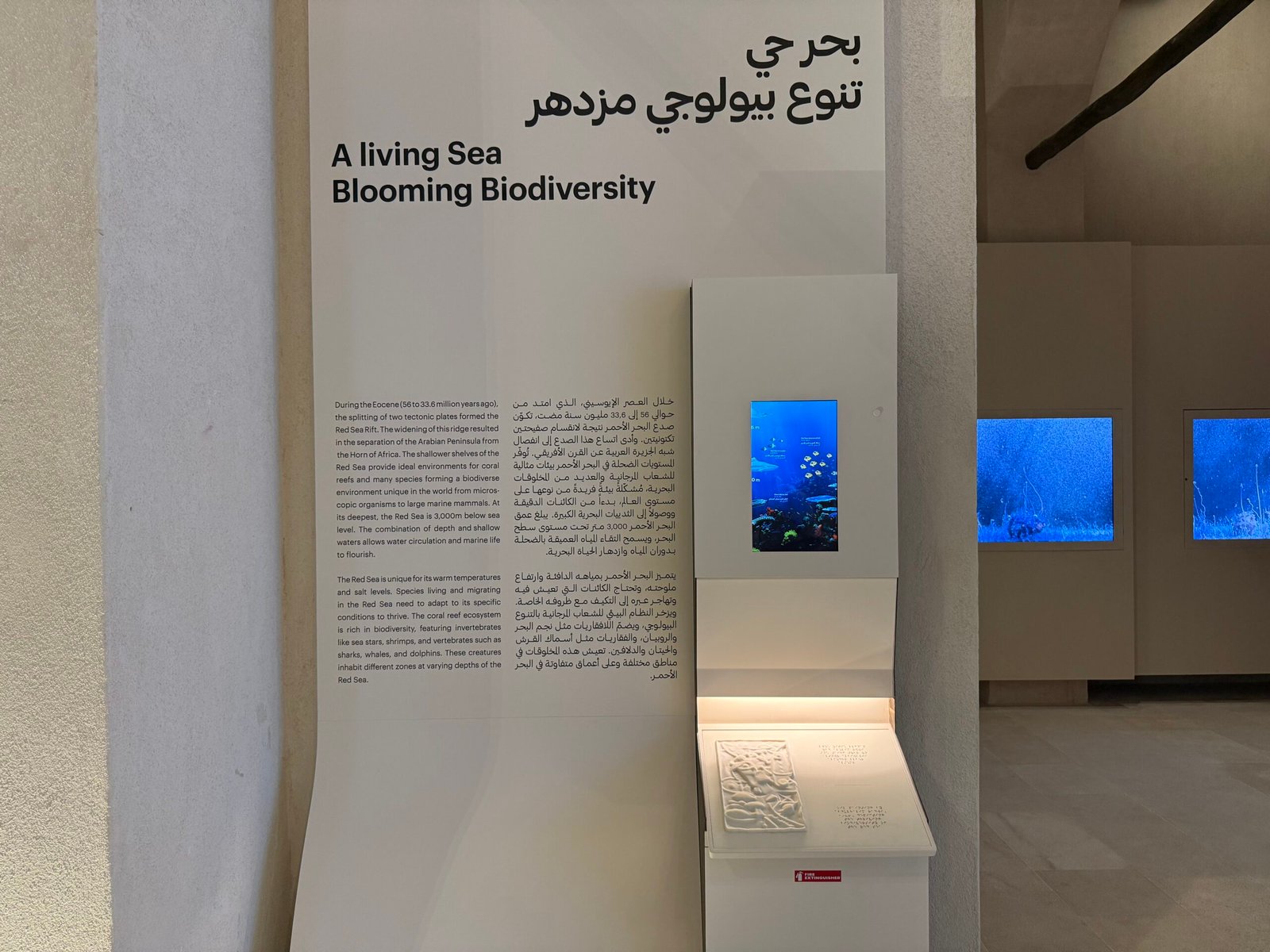
I should also note that Red Sea Museum’s curation is rather inclusive and impressive. There are some 3D printed plates for the museum’s blind visitors, and the others can enjoy the multimedia options on some decent touchscreen displays. In short, if you are interested in Jeddah and its history even in the slightest, you really cannot go wrong by visiting this small (and free) museum.
Tariq Abdulhakim Center
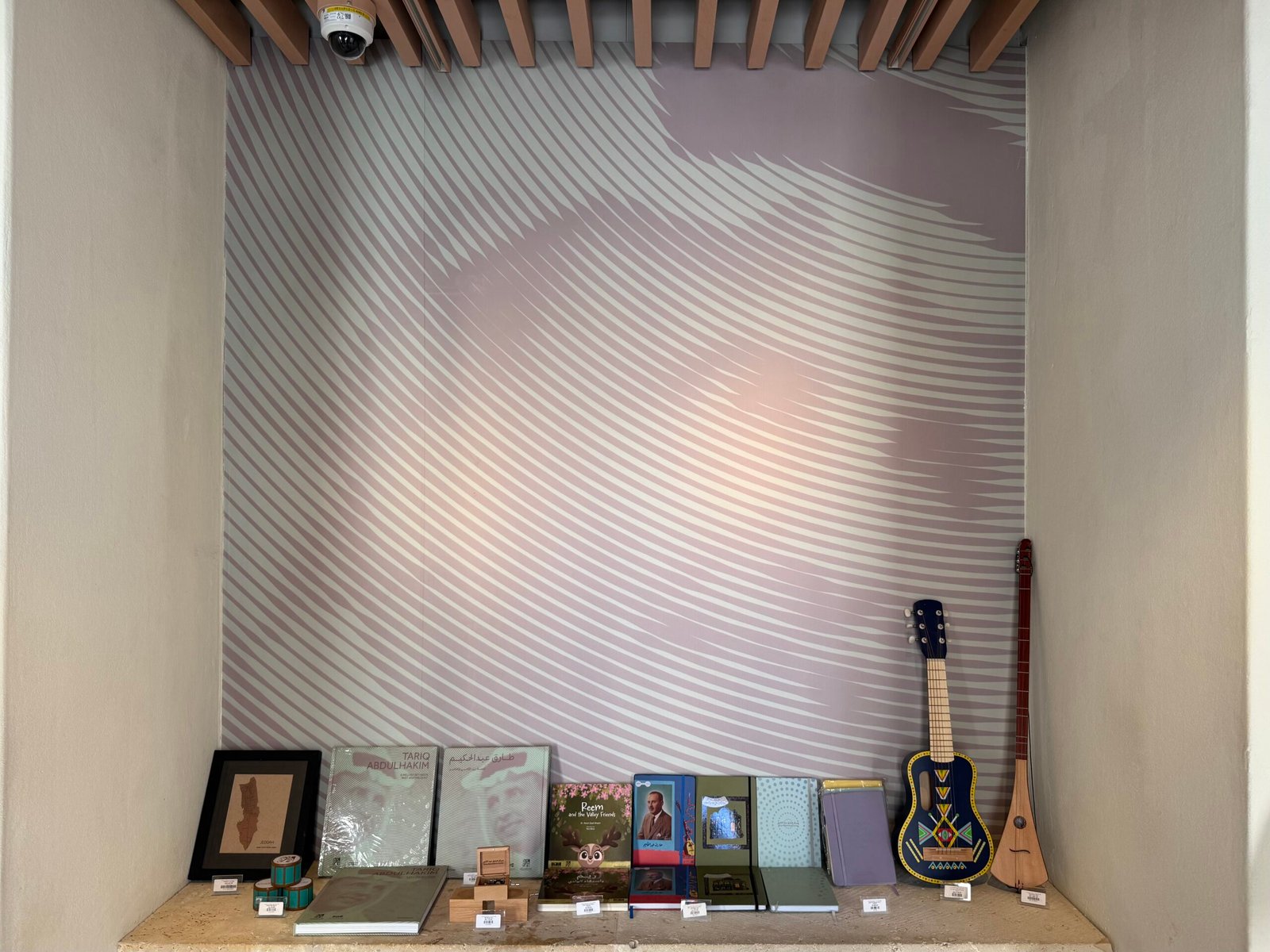
Well, while Red Sea Museum is worth a visit for many, respectfully, Tariq Abdulhakim Center is a must visit for all. This is a rather small museum that is dedicated to Tariq Abdulhakim, an extraordinarily talented Saudi musician who even composed the Saudi national anthem.
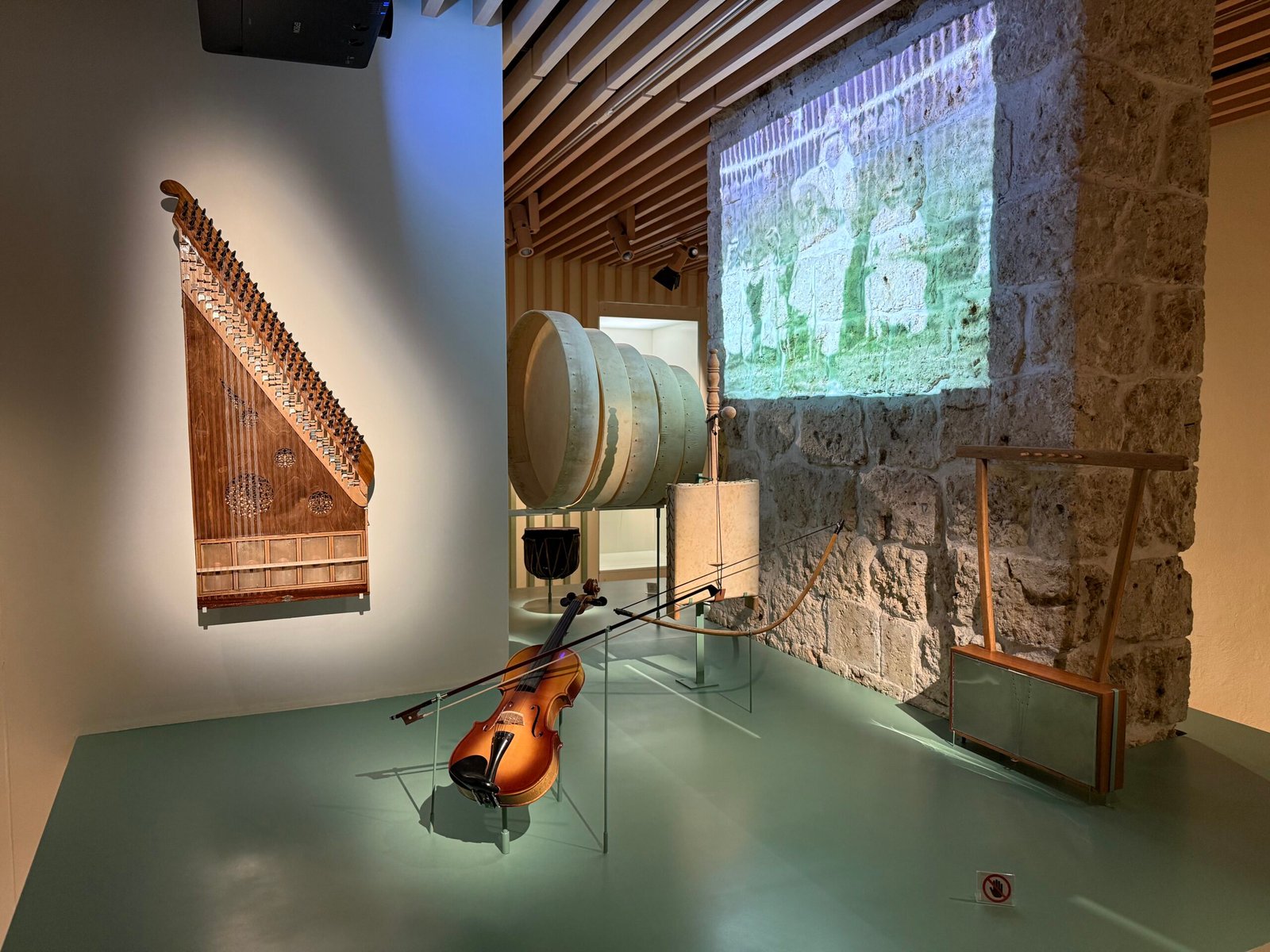
This museum is free to visit as well, and this time, you will even be accompanied by an exceptional guide (a young gentleman named Fahd in my case) who will go into every minute detail (if you so wish, like me) as they escort you around the place. Apparently, these were just a small selection of the vast array of musical instruments Tariq Abdulhakim could play.
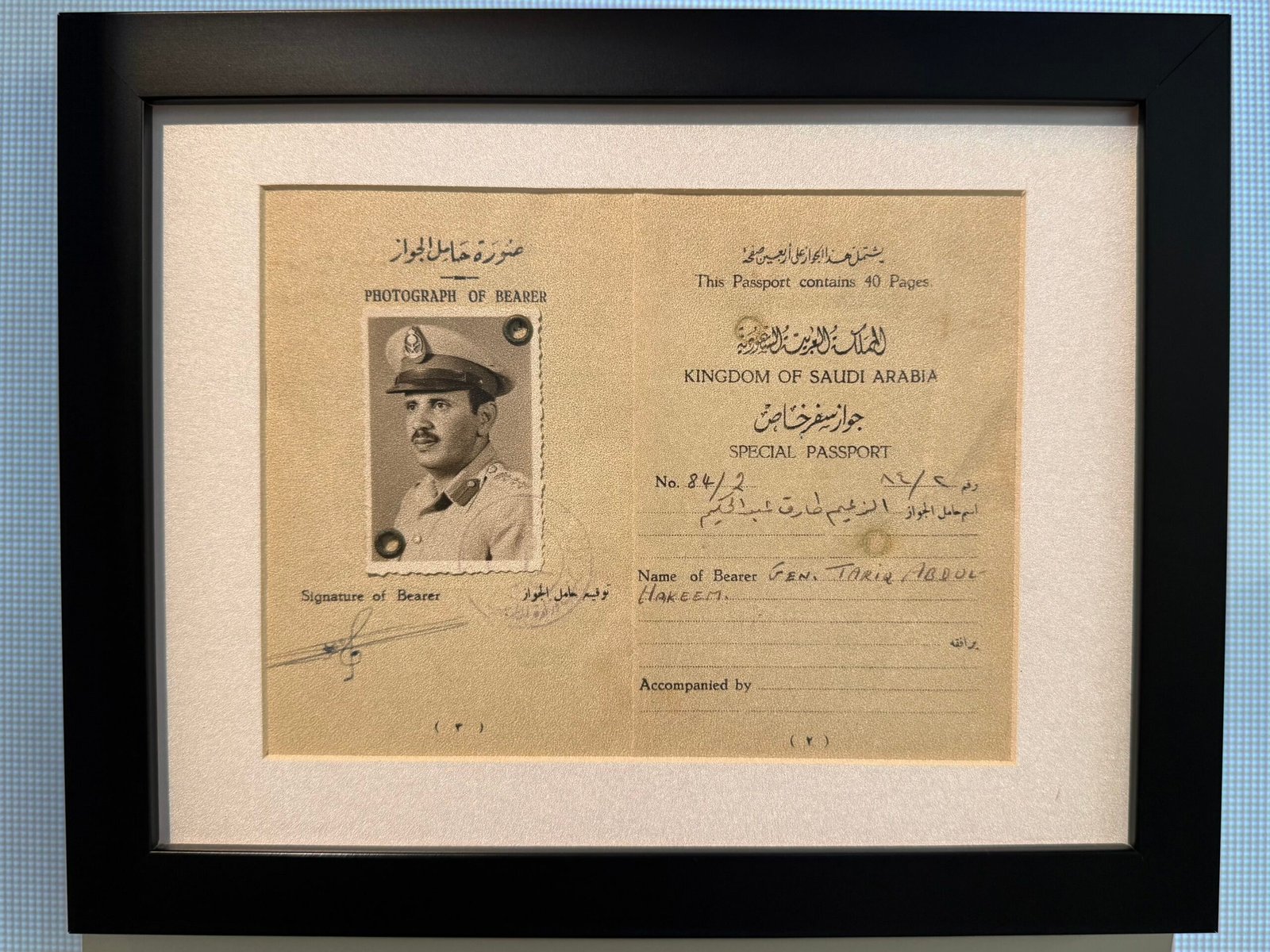
Music played such a pivotal role in Tariq Abdulhakim’s life that even his special passport had a musical note as his signature. As far as I could understand, he remains the most influential man when it comes to Saudi music industry to this day, so such fun gimmicks on his end are hardly surprising.
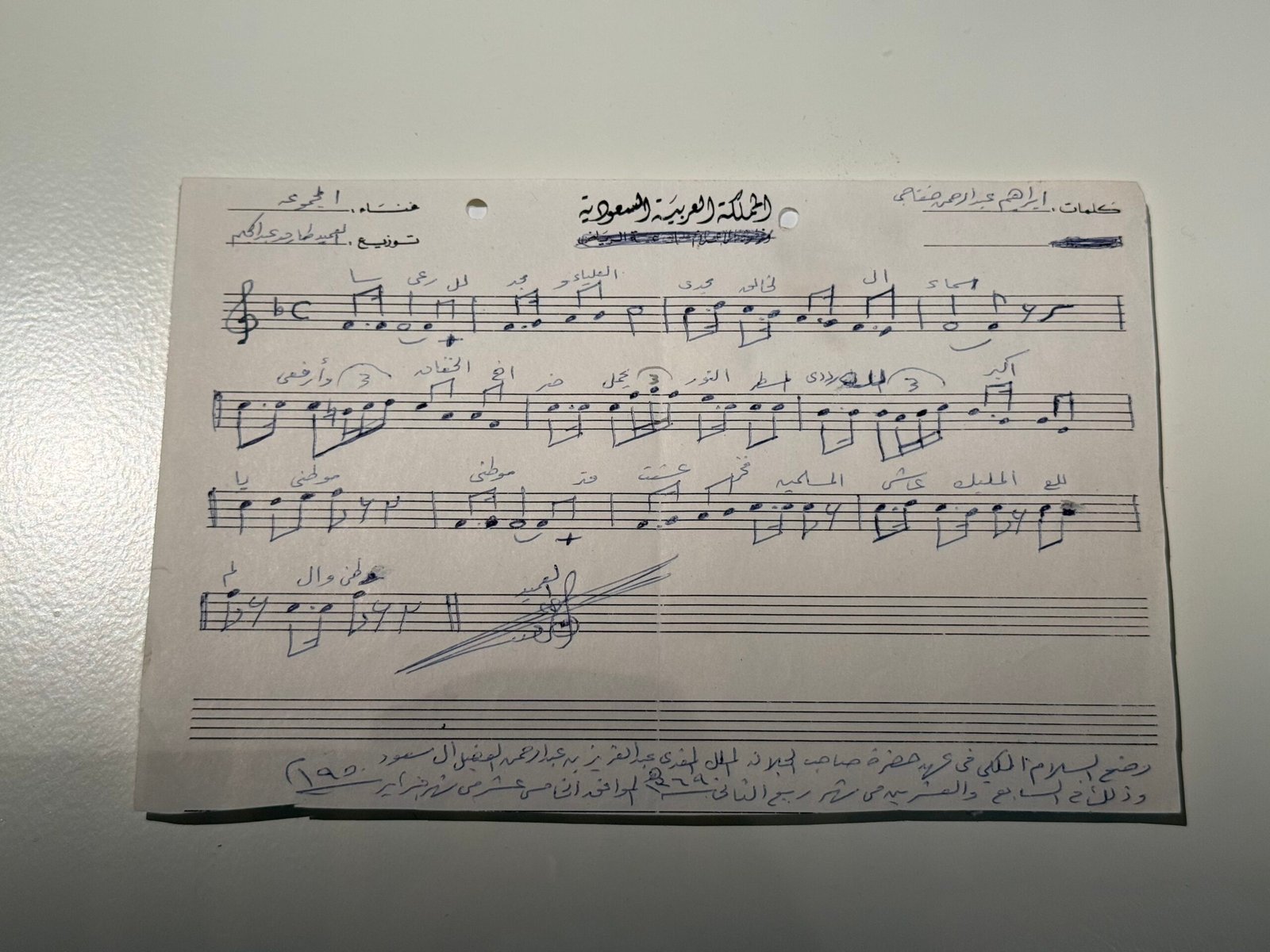
This was apparently the original draft of his composition of Saudi national anthem, and there were other similar papers filled with his original work all around the museum.
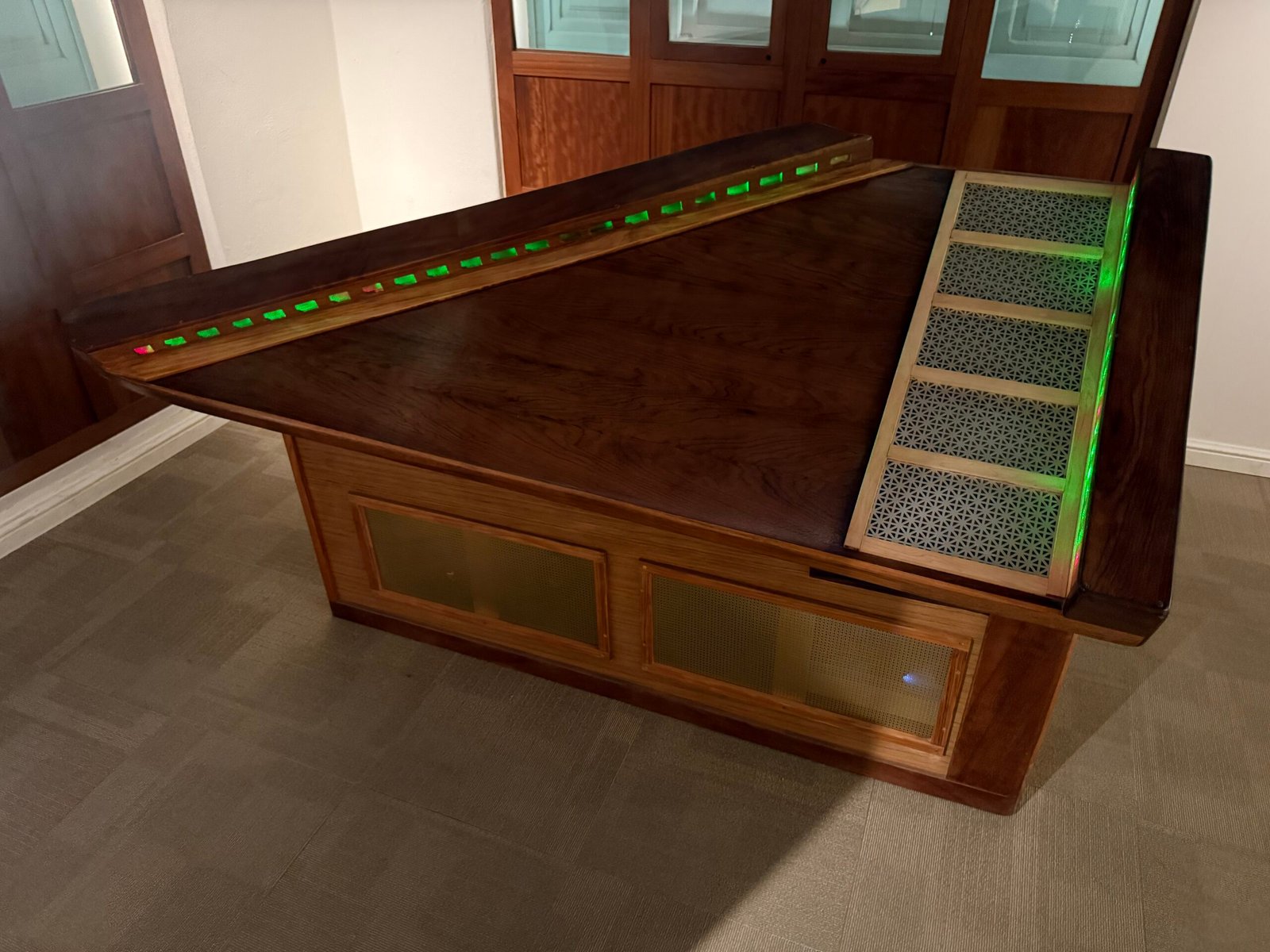
While these exhibits and the much welcome trivia provided by Fahd were more than enough to make this museum unforgettable for me, Tariq Abdulhakim Museum happened to have yet another trick up its sleeve! You see, at the end of your tour, you will be guided through three small rooms with various musical instruments that you can try playing yourself. There was even an instrument made music by utilizing lasers. You could play it by triggering the lasers yourself, which was a treat to say the least. If you have half an hour or so to spare in Old Jeddah, you should visit Tariq Abdulhakim Museum to experience it for yourself.
Al-Matbouli House Museum
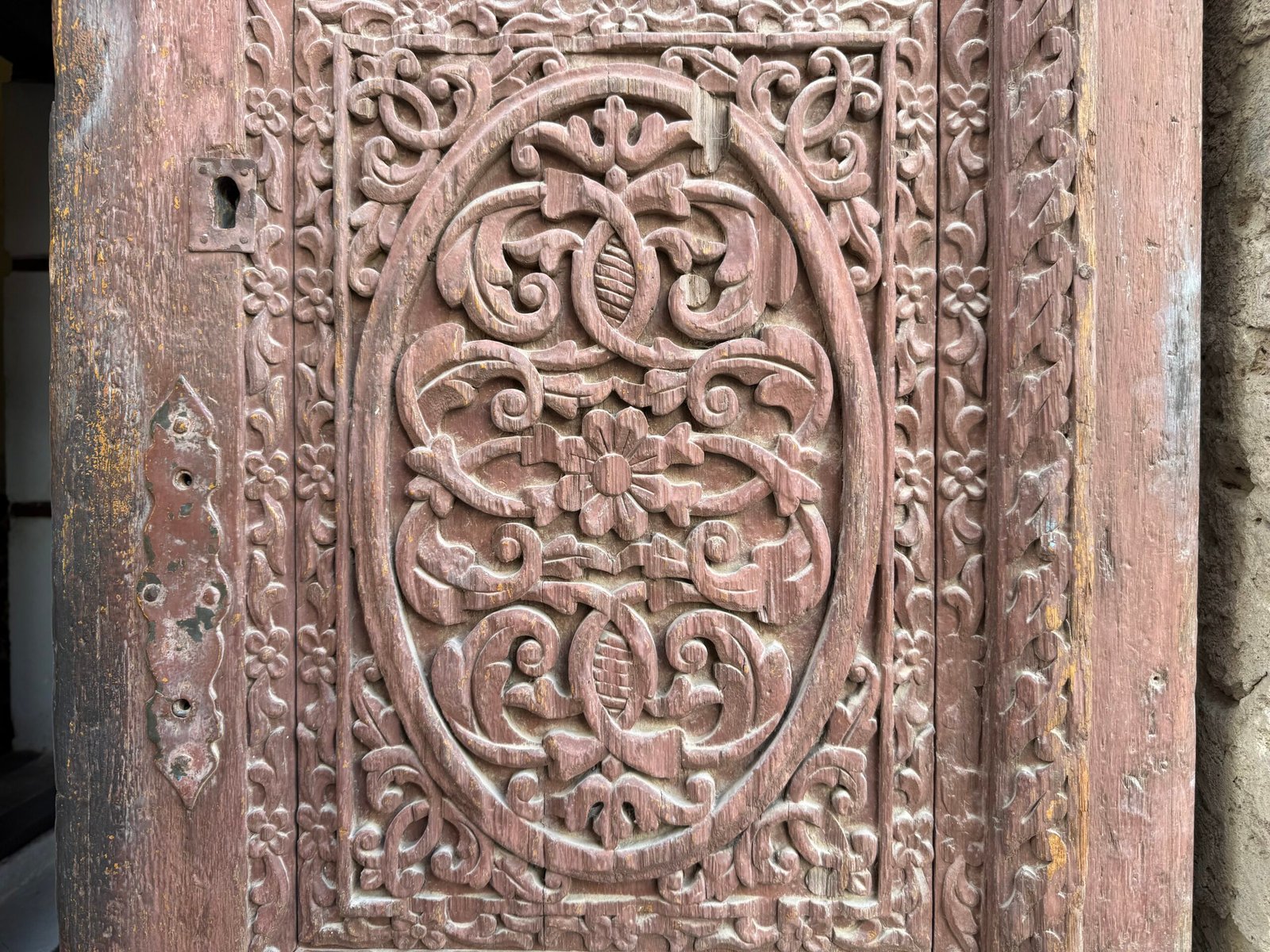
Sadly, I cannot fully endorse all the museums that I visited in Jeddah. Despite looking super authentic from the outside, complete with an ornate old door that stood the test of time, Al-Matbouli House Museum failed to deliver a memorable experience to me despite its relatively steep 20 SAR entry fee.
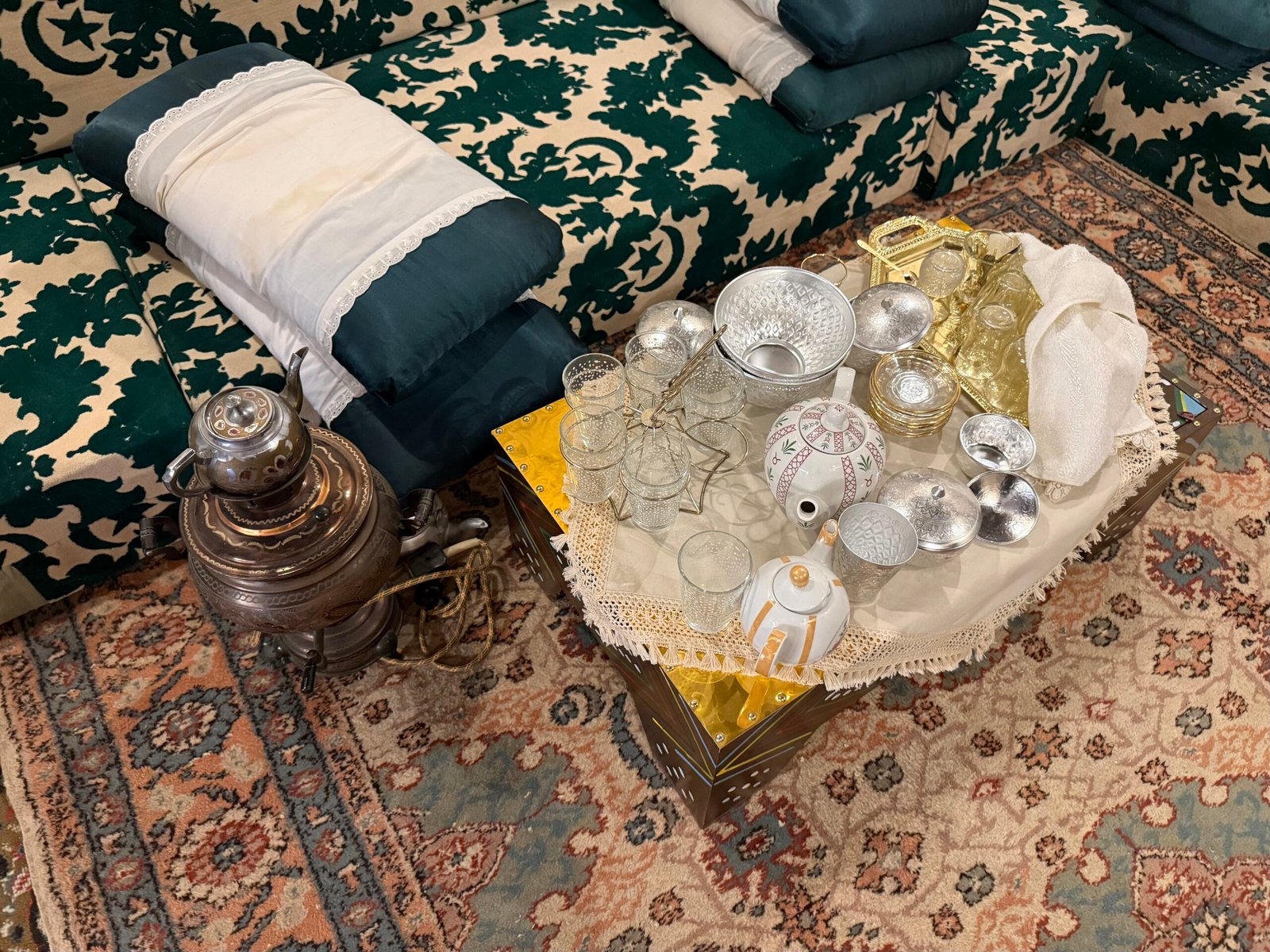
As far as I could tell, this is a private museum that is run by certain individuals, and not by the Saudi government. This explains why they must charge an entry fee. They simply do not have the financial backing of a ministry after all. Unfortunately, it also means that the standards are not necessarily as high as the ones found in the government-funded museums of the Kingdom.
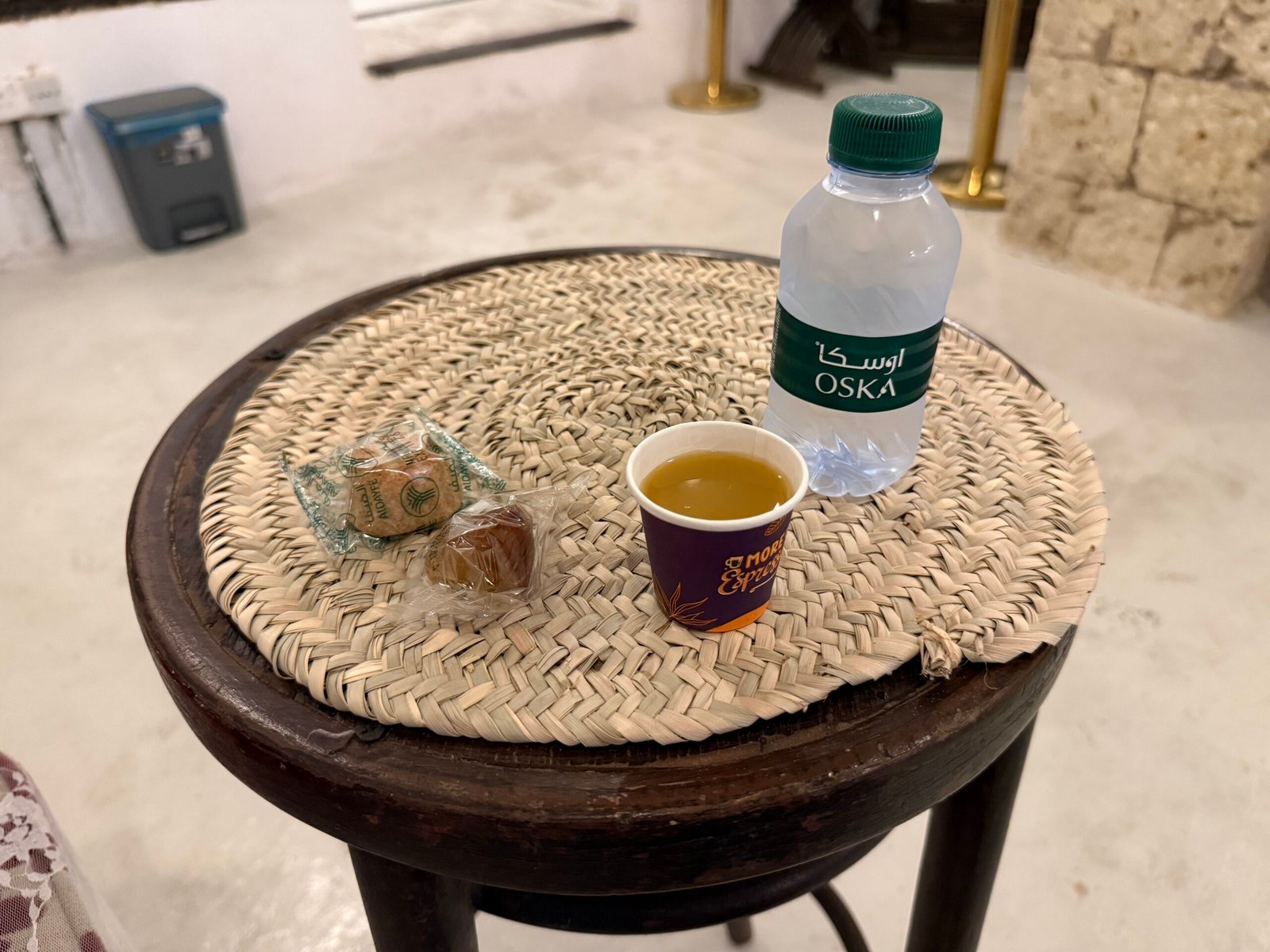
Frankly, it was certainly quite nice to be able to enjoy some complimentary water, coffee, dates, and maamouls as one wonders around the premises, alas, these did not do much to help the museum with its stated goal, to allow us to take a sneak peek into everyday life in an old Saudi house.
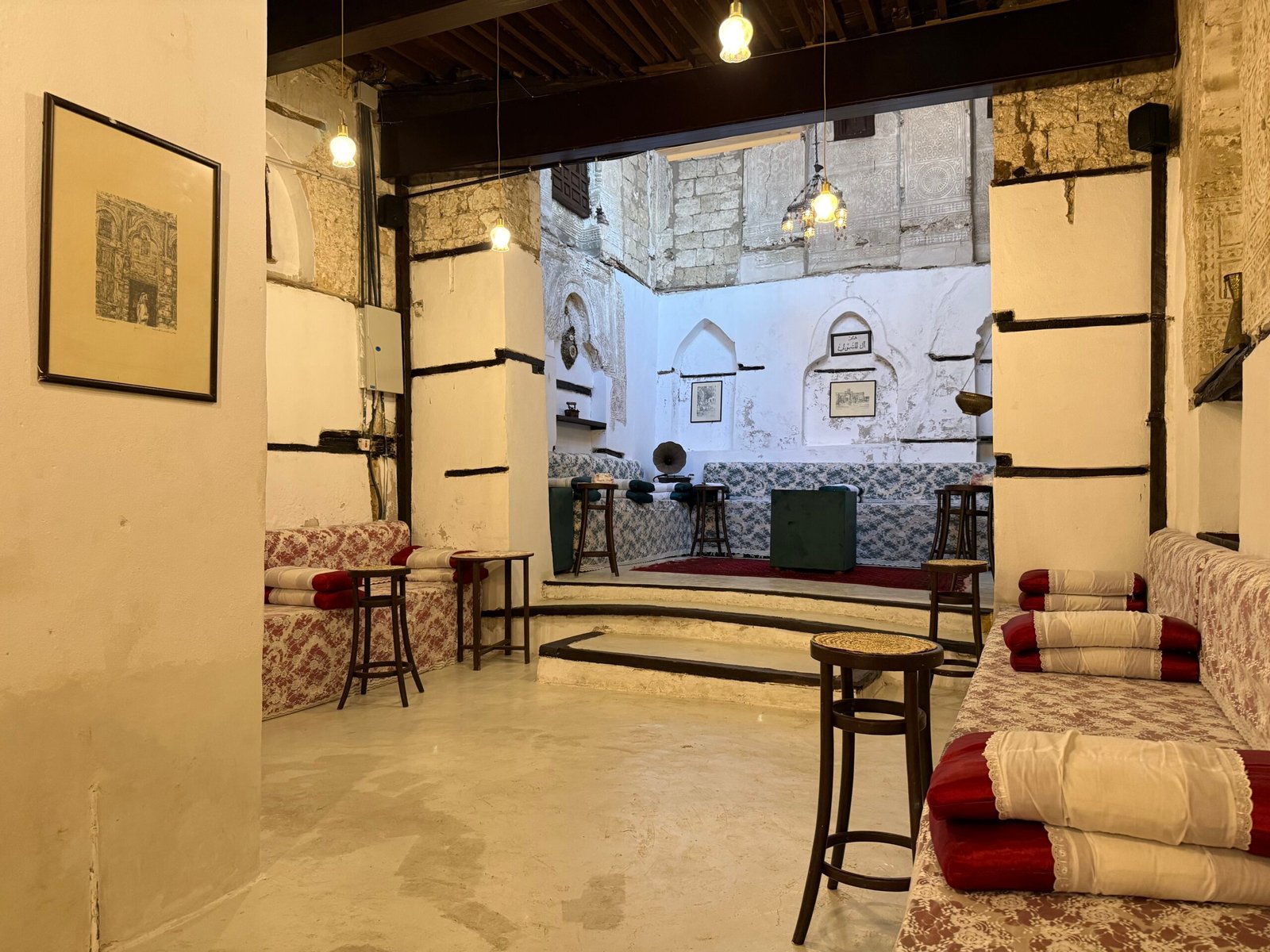
To be fair to the curators, the very first floor of the house had beautiful decorations, sufficient explanations in English, and was properly looked after.
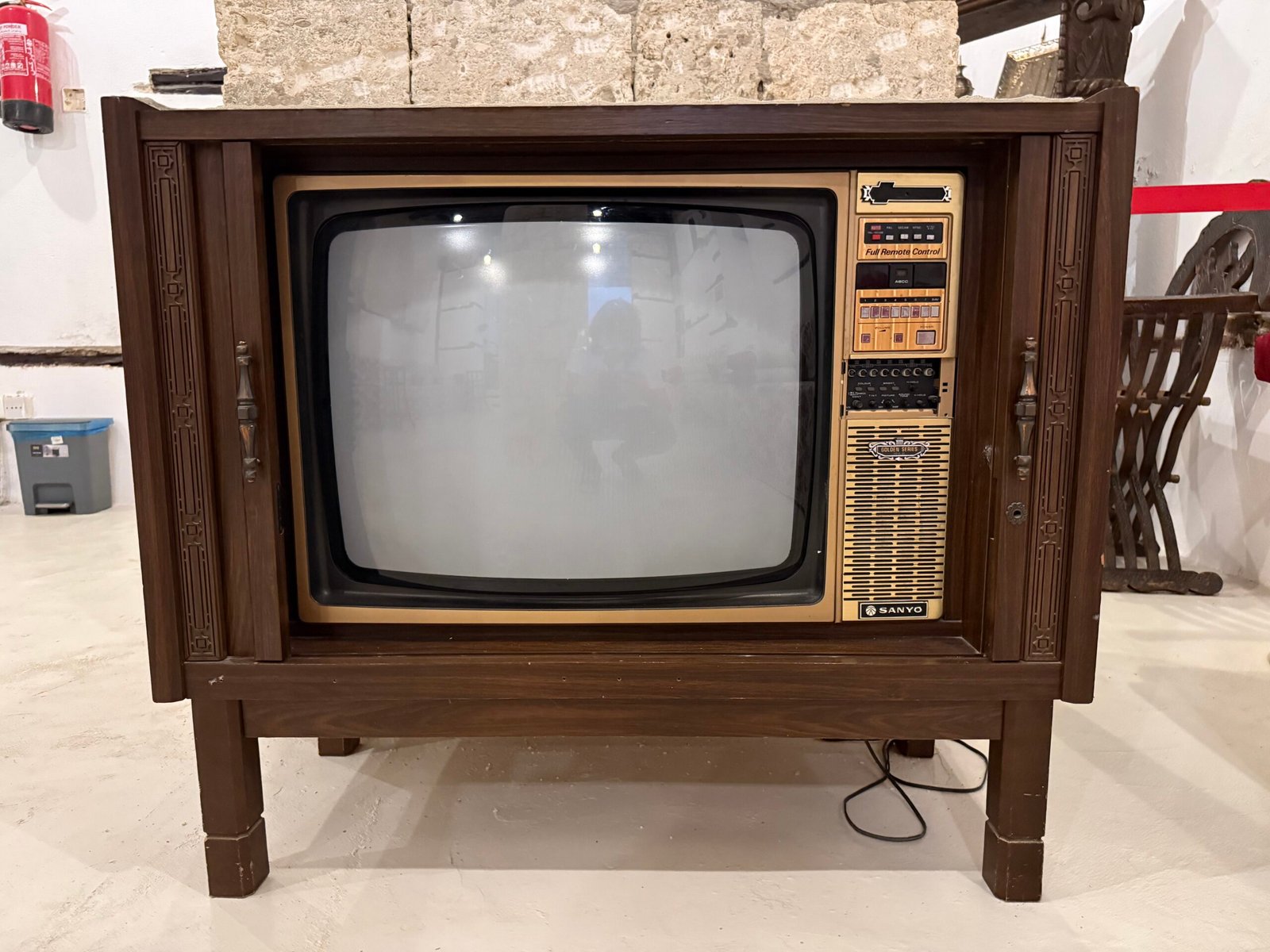
One could find old TVs and other household items in excellent condition, and even inspect them from up close, which is rather difficult to do in most official museums.
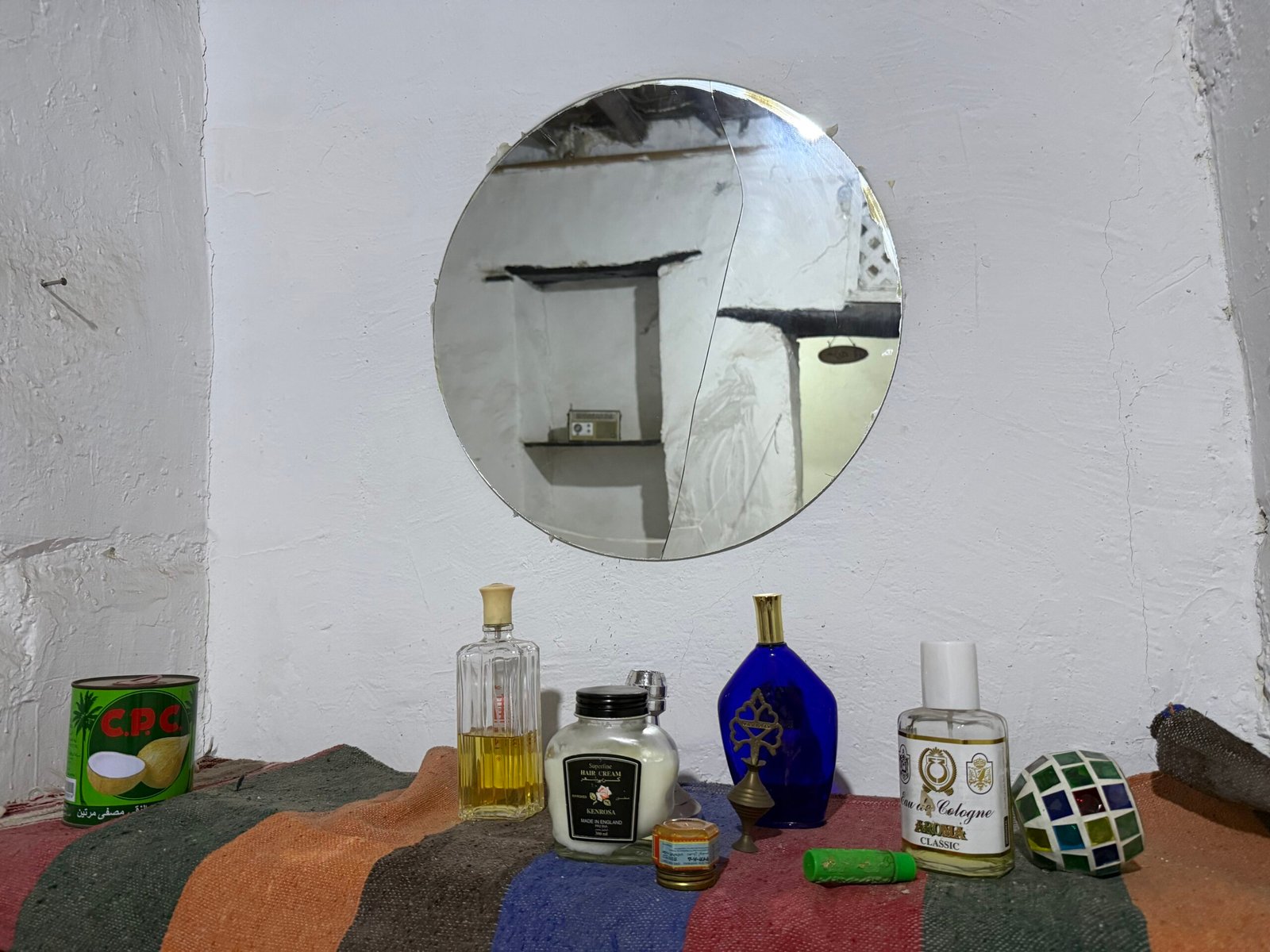
However, this level of care was not replicated in the second and third floor of this museum. You cannot find any useful directions or explanations on these floors, which are only scantly decorated by these random items, that may or may not be actual relics from the past.
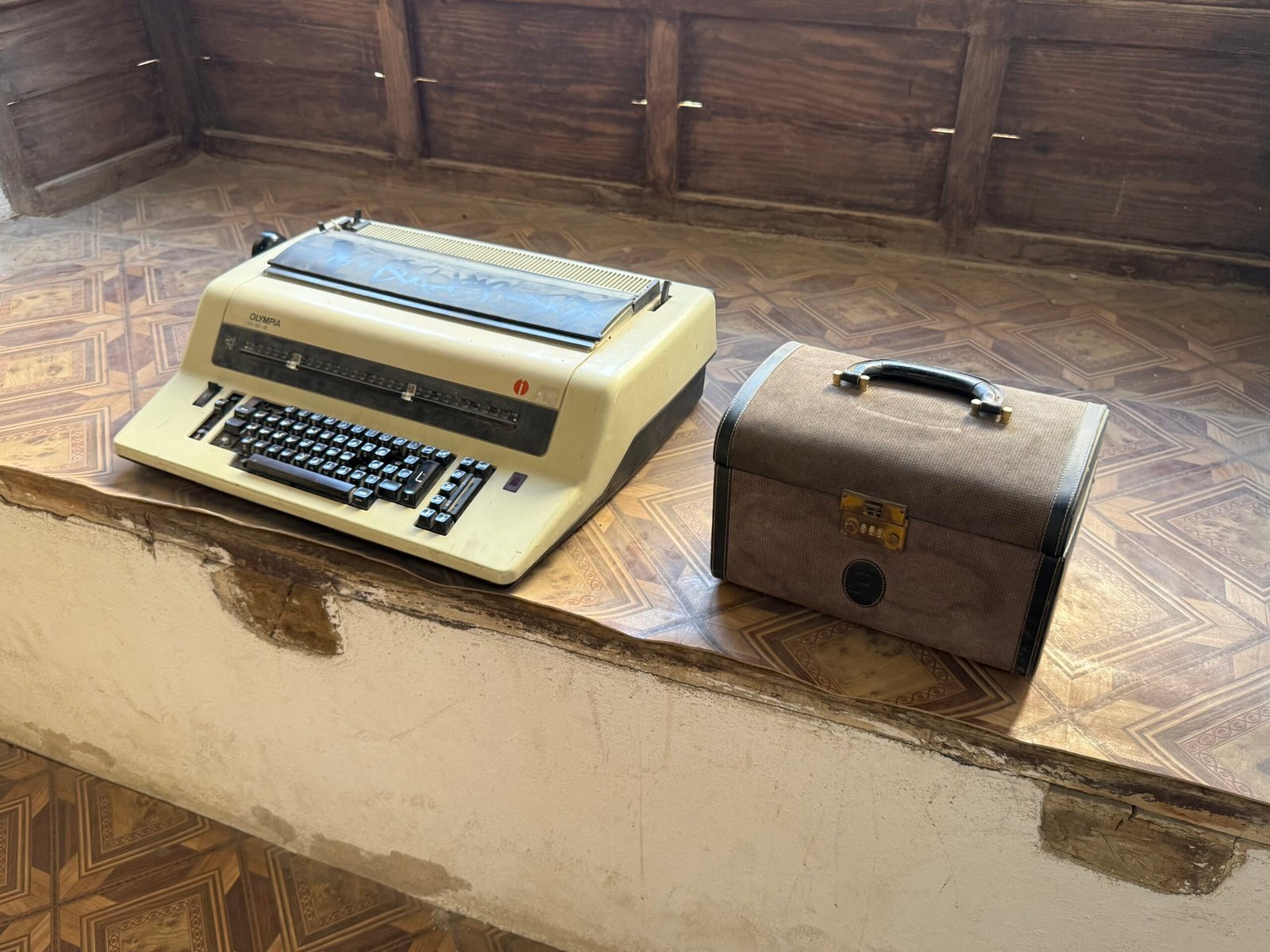
In fact, at times I felt like I trespassed into parts of the collection that I should not have visited yet. The upper floors were full of these derelict items with thick dust covering them, suggesting that few if any of the staff ventured this far up the exhibition recently. What truly hurts to know is that if the care that I saw on the first floor were also shown to the second and third floors, this whole museum could have provided some excellent insights about the everyday Saudi life in olden times, just as it was meant to be, alas that was not the case just yet. I do hope that things will improve in due time, with more funding going towards the completion (or renovation) of this museum. Ultimately, it is certainly not a poorly curated museum per se, but it does feel like an unfinished project for now.
Baeshen Museum
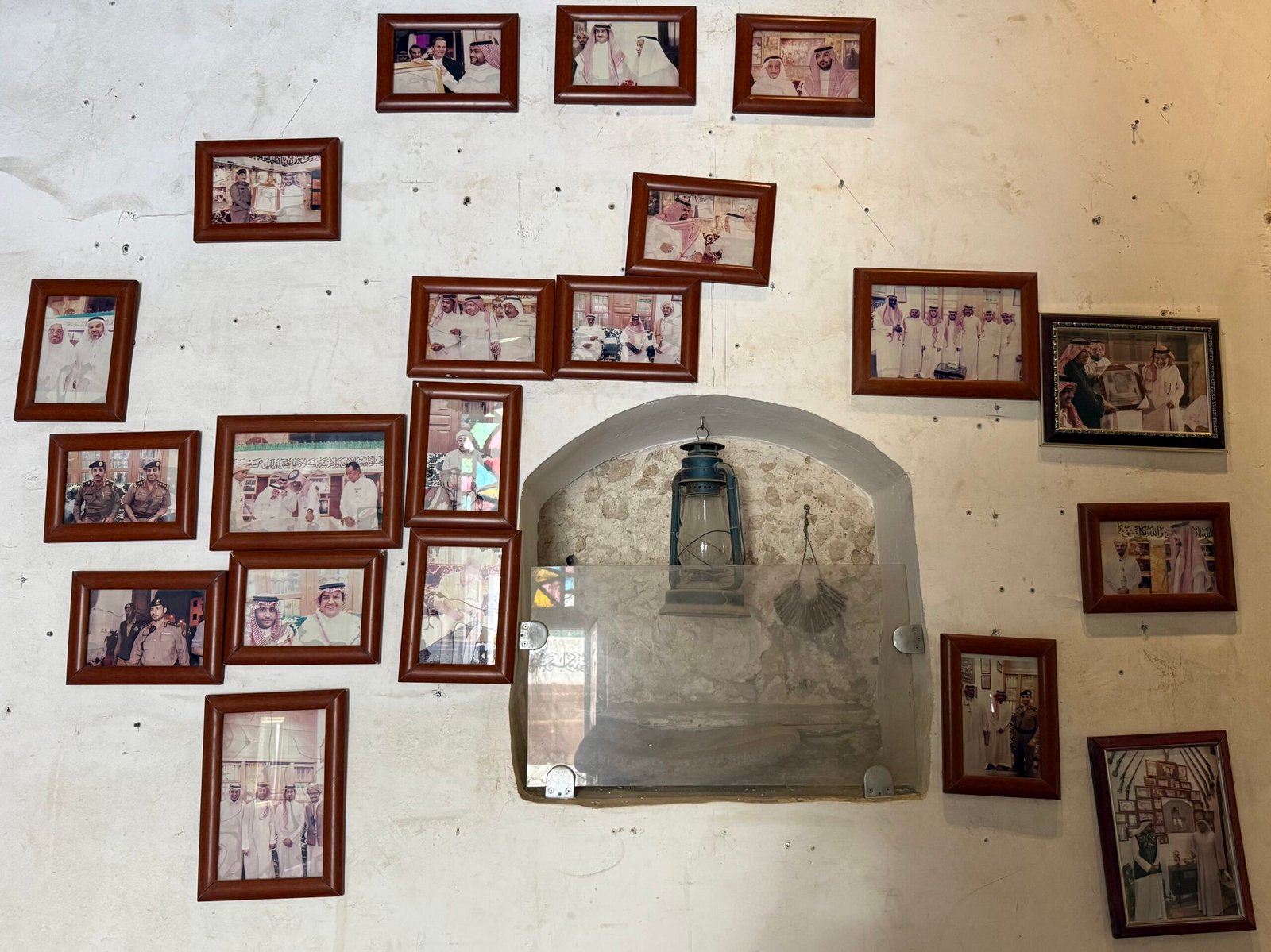
I am not even sure if this place should be considered a museum, but Google Maps says that it is a museum, and the owners said that it is a museum, so here we go. As you walk around Jeddah’s Al Balad district, you may come across some inviting smells from small cafes, one of which is found inside the Baeshen Museum.
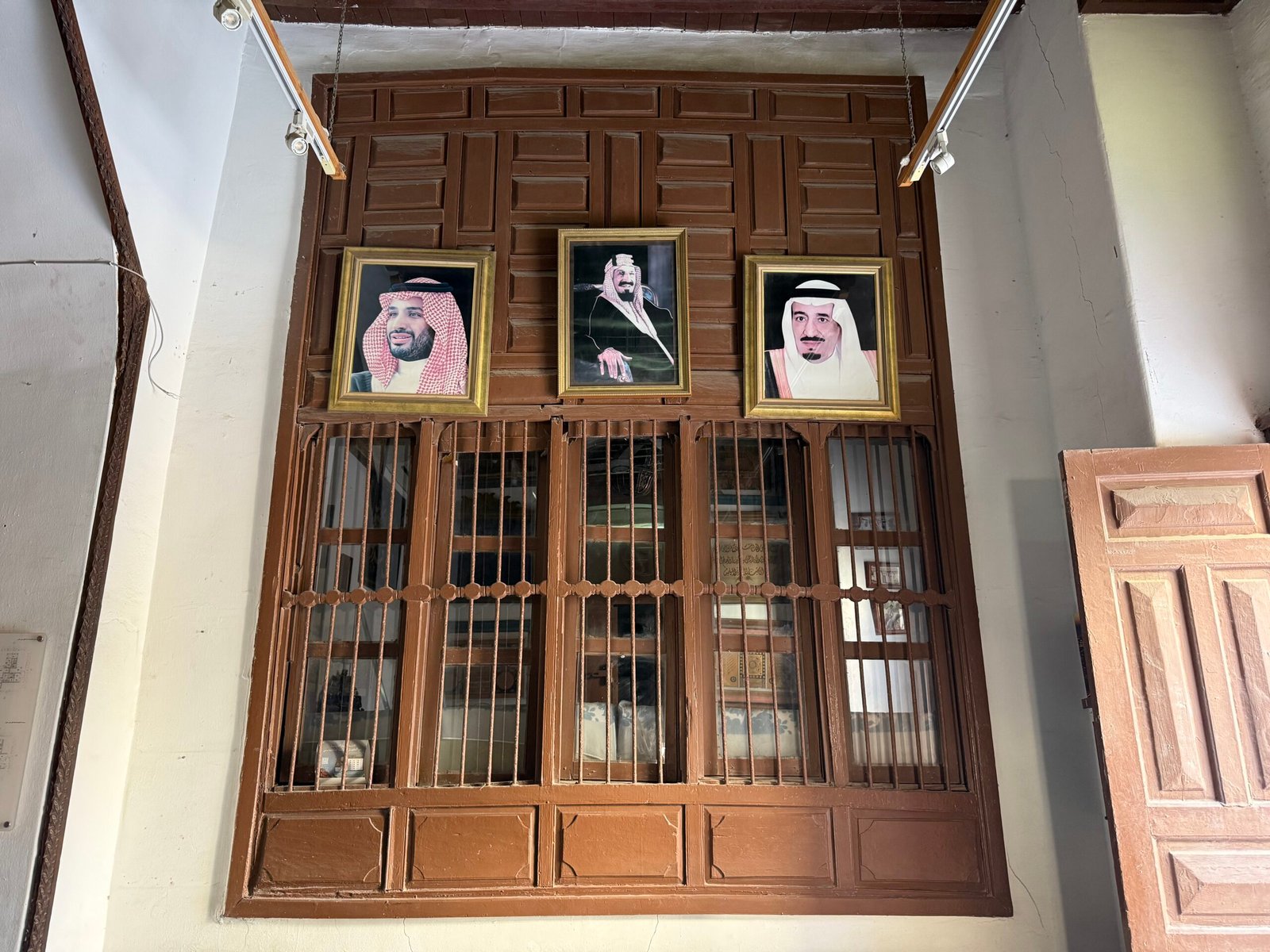
This museum had three small rooms that surrounded a trendy cafe, with these rooms having some cool photos and a few seemingly random items with only Arabic explanations. I could not figure out what the exhibition was all about, and the owners were (understandably) fully engaged in hosting a small tourist group at the cafe, so I decided not to bother them any further and just moved on to see the final museum on my list.
Bayt Nassif Museum
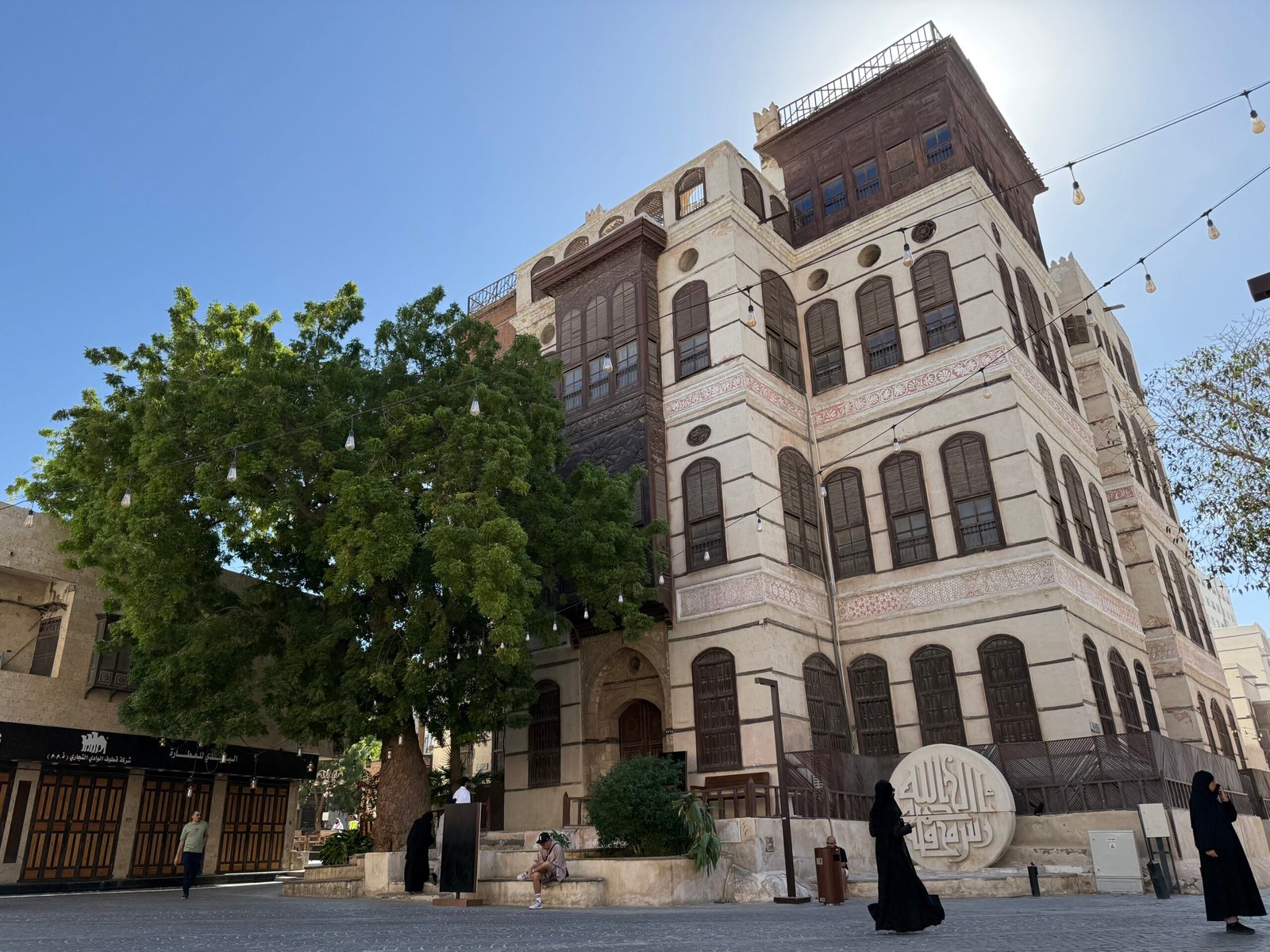
Unfortunately, I moved on to the final museum on my list only to find out that the Bayt Nassif Museum, which functions as a local history museum, was undergoing renovations. This was a bummer. I had such high hopes from this particular museum, mostly due to the reviews I saw online, and also because thus far the city seemed to have lacked a proper local history museum, one that touches on all periods of Jeddah’s local history. I had hoped that this could be that museum, and it just might be, but I will never know until I am back in Jeddah.
Thankfully, Jeddah is truly different, as Saudis often say. It is a special coastal gem that I plan to visit once again one day. While the Jeddah’s more historic Al Balad district, already feels like a massive open-air museum, I now know that it will offer me a significantly richer museum scene by the time I am back as well. This is just another item to add to the list of countless reasons to visit the jewel of the Red Sea once again. Some day soon I hope!