
Saudis have a saying: “Jeddah Ghair.” It means that “Jeddah is different.” No other slogan is more fitting for Jeddah than this. The truth is, Jeddah is in fact quite different than any other Saudi city that I visited. This week, you will find out why as we go take a journey across Jeddah together, a city that I wish to go back soon and visit more thoroughly.
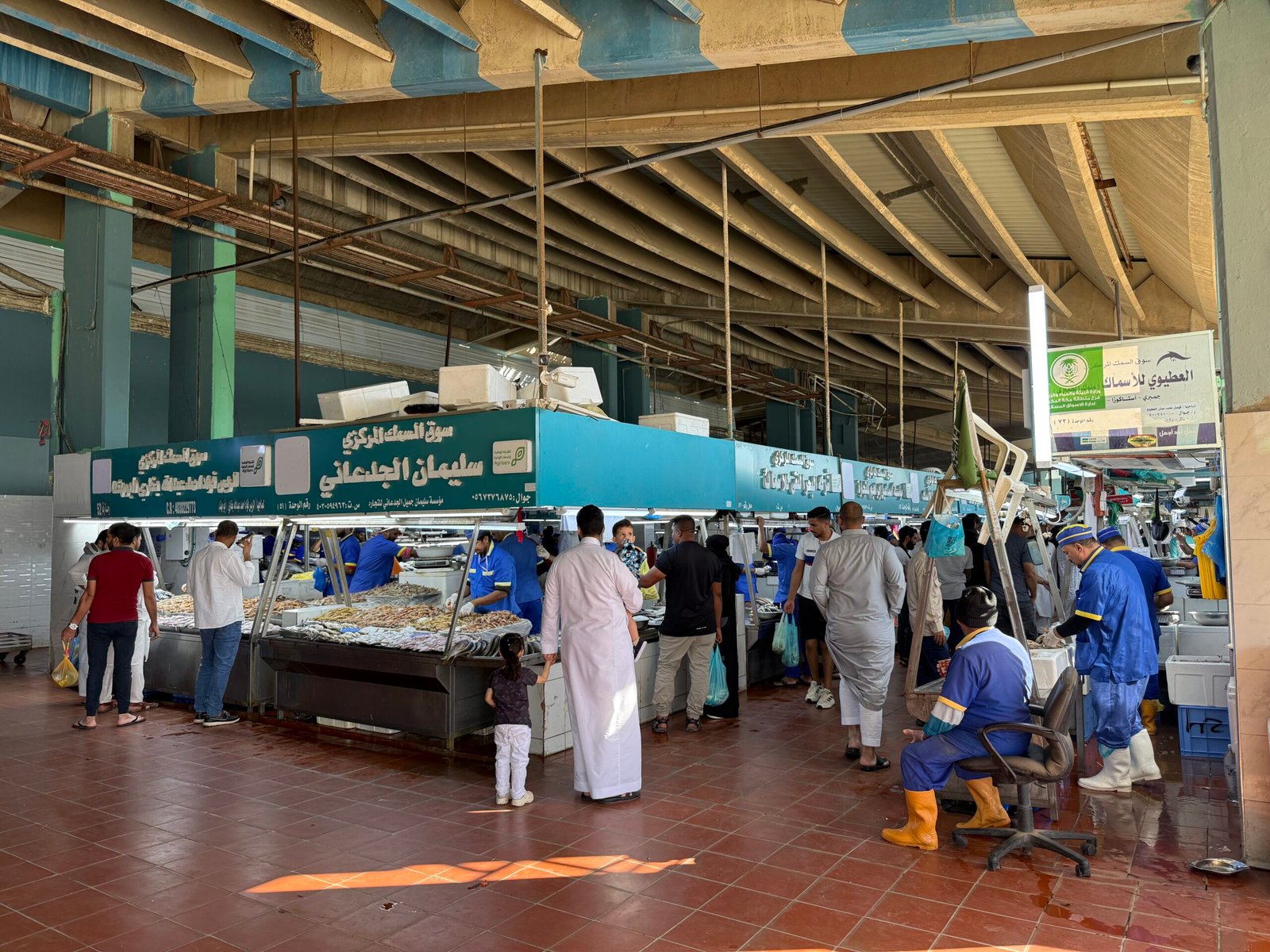
Jeddah is a port town. This alone makes it a rarity in Saudi Arabia, which mostly has oasis towns in the middle of a mighty desert. Since Jeddah hugs the Red Sea for around 30 kilometres, the first thing you will notice is that the seafood here is fresh and plentiful, changing the local diet quite drastically. That is why, I much recommend a visit to Jeddah’s Central Fish Market early in the morning. That is when you can see some of the freshest fish available and get a glimpse into the daily lives of Jeddah’s locals.
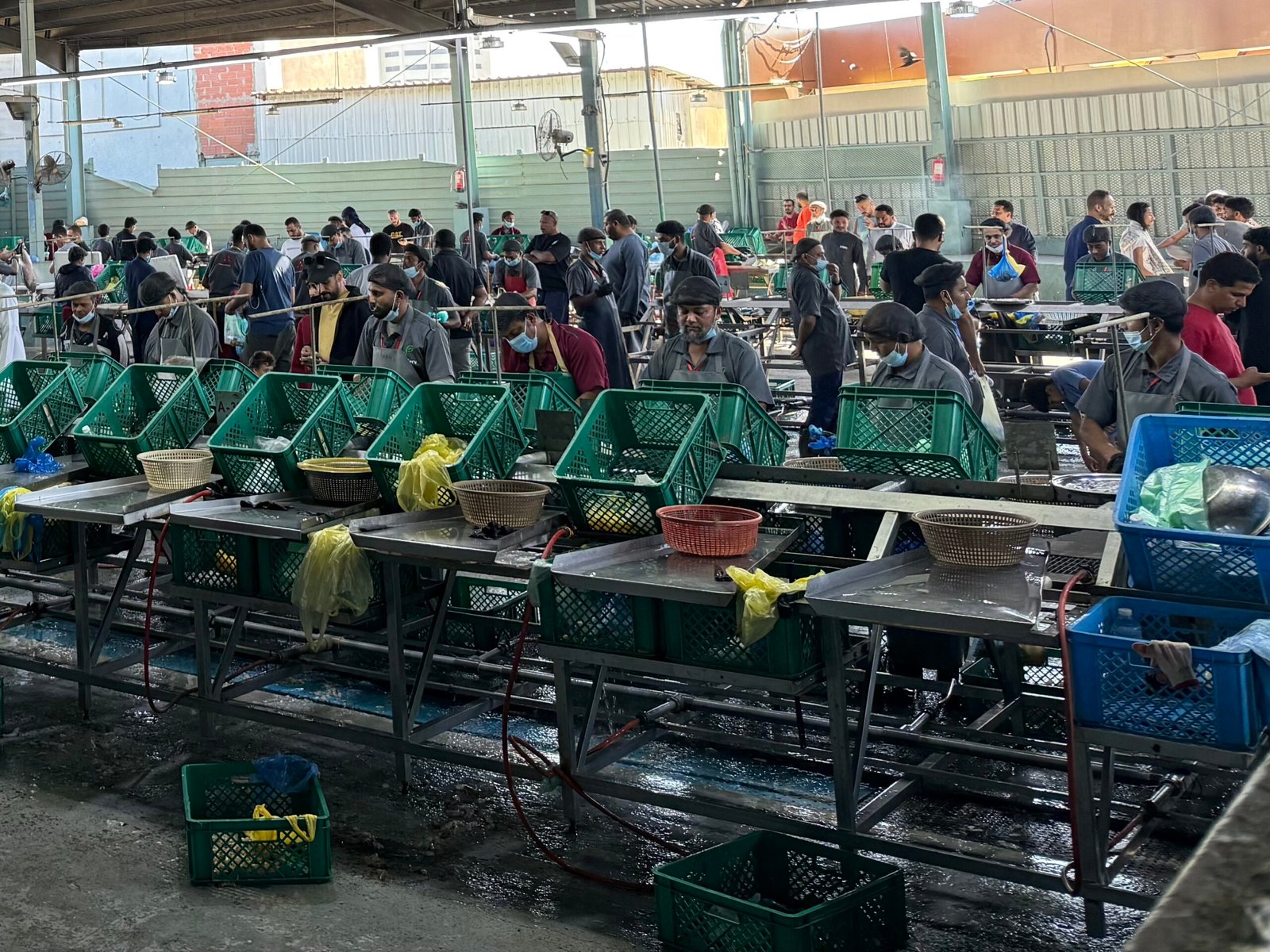
This place is more than just a fish market. You can get your fish cleaned and cooked without leaving the premises, and that is what makes it so convenient for locals and foreigners alike. You can find plenty of vloggers who enjoyed the fresh seafood this market offered on YouTube, but with both my mother and my uncle being too tired to visit this spot, I figured it did not make much sense to have a seafood feast all on my own. I will be back, eventually, to do just that.
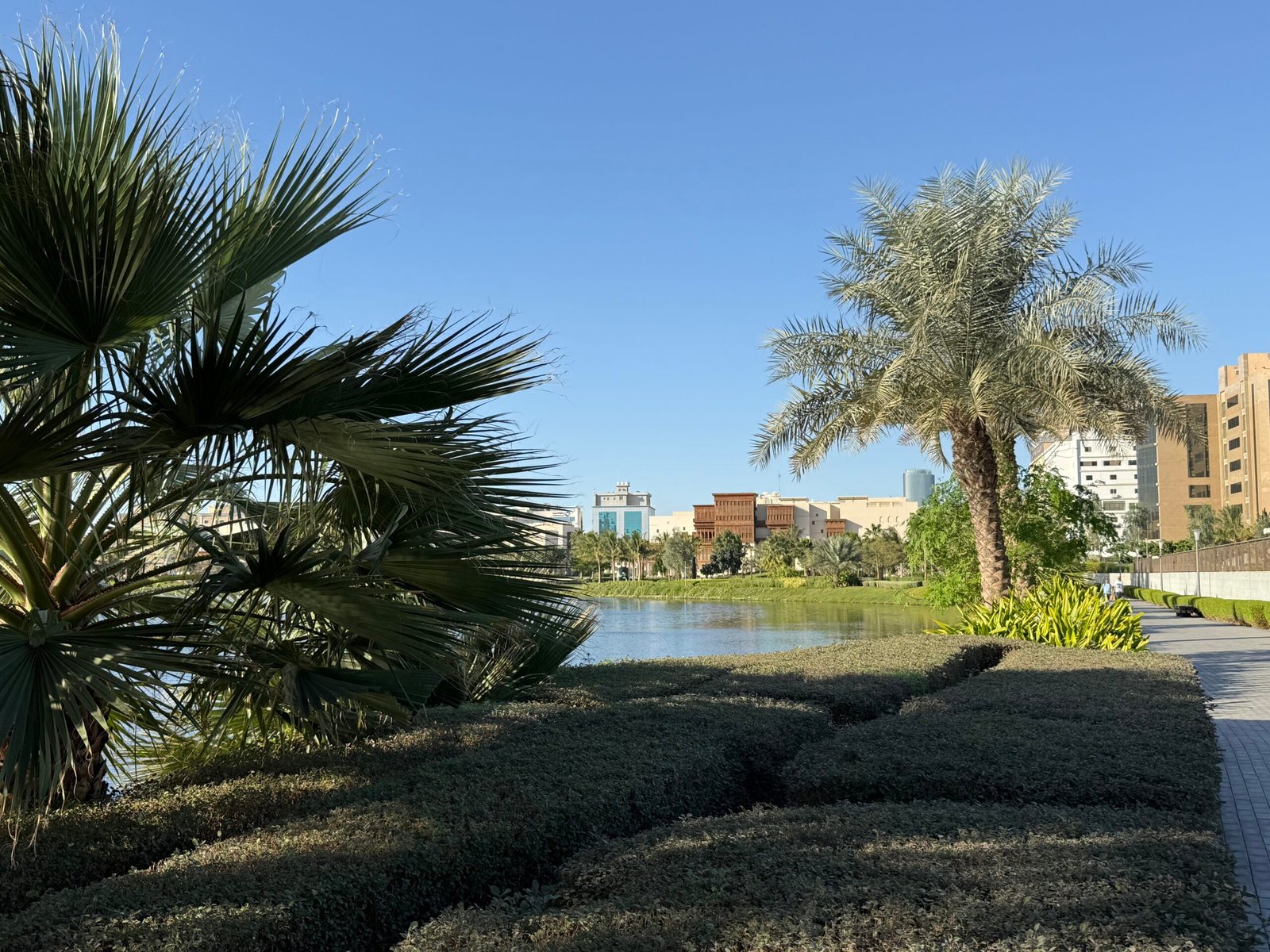
Once you leave this fantastic fish market, you should start making your way to the Jaffali Park. This whole area seems to be undergoing further development as part of the Saudi Vision 2030 economic diversification plans. The park was some of the lushest I have seen in Saudi Arabia, and the modern art museum next to it, known as the teamLab Borderless Jeddah, seemed like an interesting project, though it was a bit out of my budget at that time. To be fair, Jeddah is where most of Saudi Arabia’s elites spend their time, at least that is what I am told, so on average the prices seemed to be higher than usual across the city.
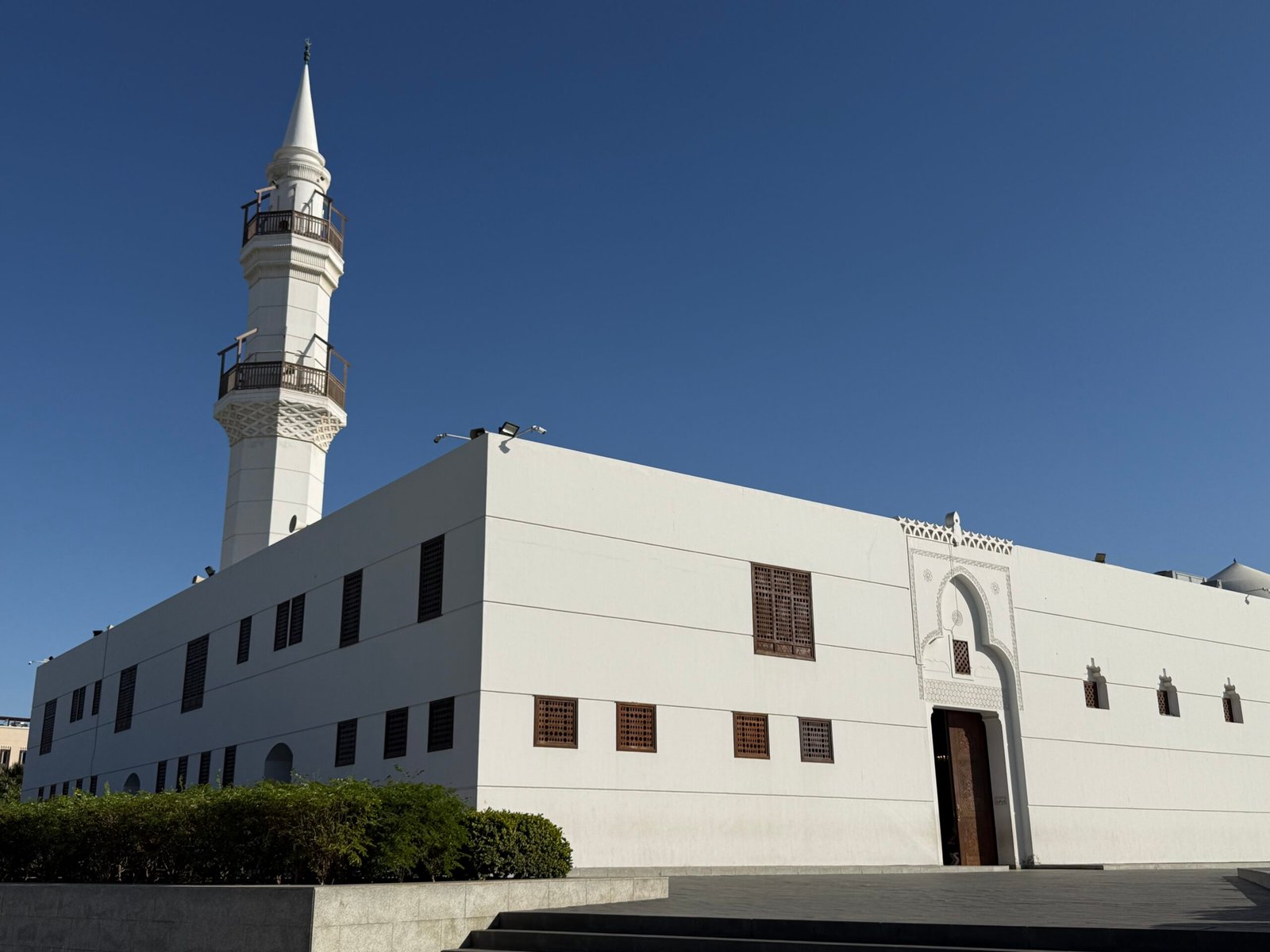
In this park, you can also find the Jaffali Mosque. This was one of the more popular stops for day trippers from Mecca. Oh yes, Jeddah receives a ton of day trippers, mostly pilgrims who stay in Mecca to perform Umrah. They spend a day away from worship every now and then, exploring the history, culture, and markets of Jeddah.
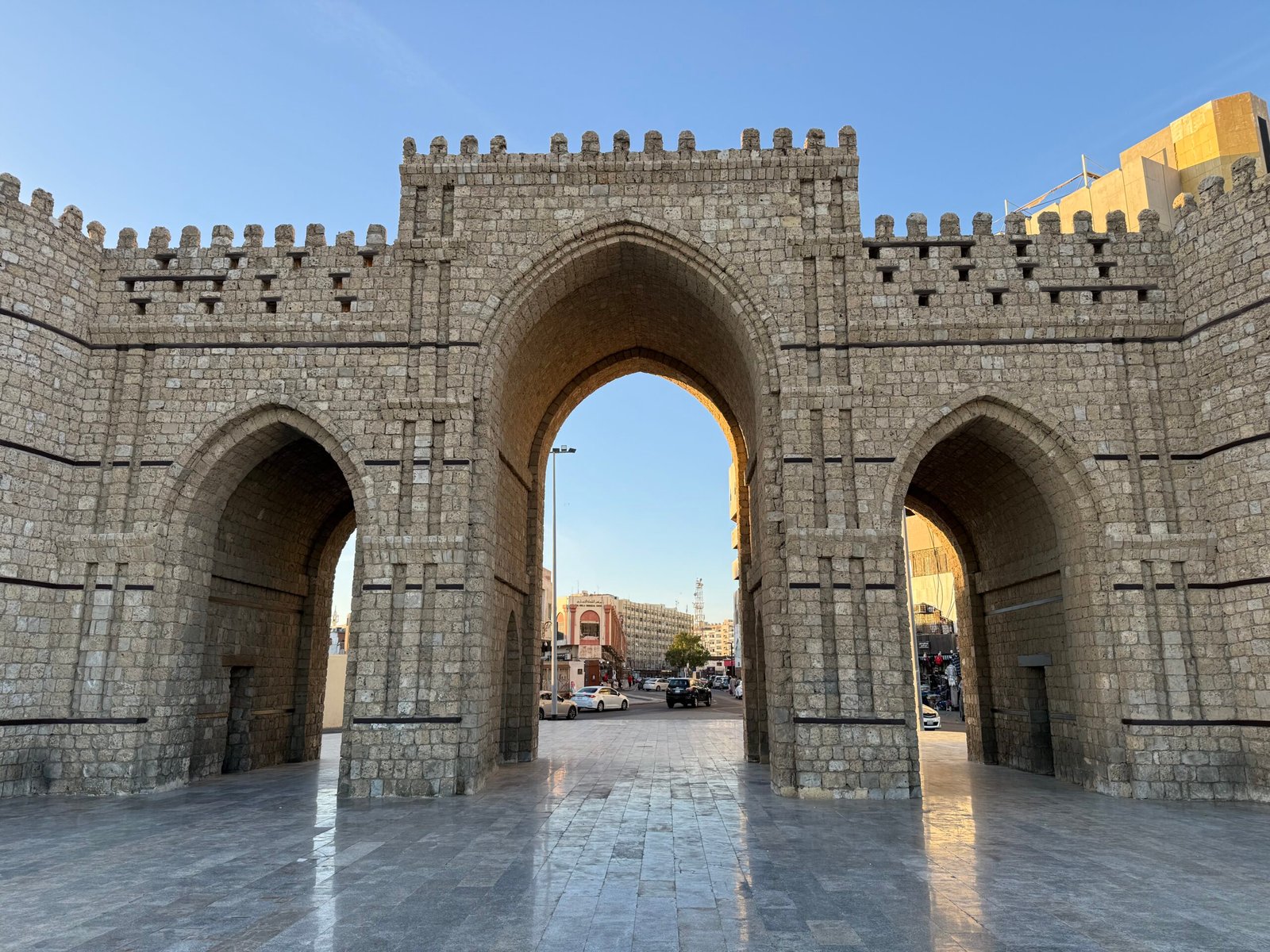
Eventually, you should make your way to the best part of Jeddah, its Old Town, also known as Al Balad. Al Balad is, in fact, awarded a UNESCO World Heritage Status. This is well deserved, as you will see for yourself now.
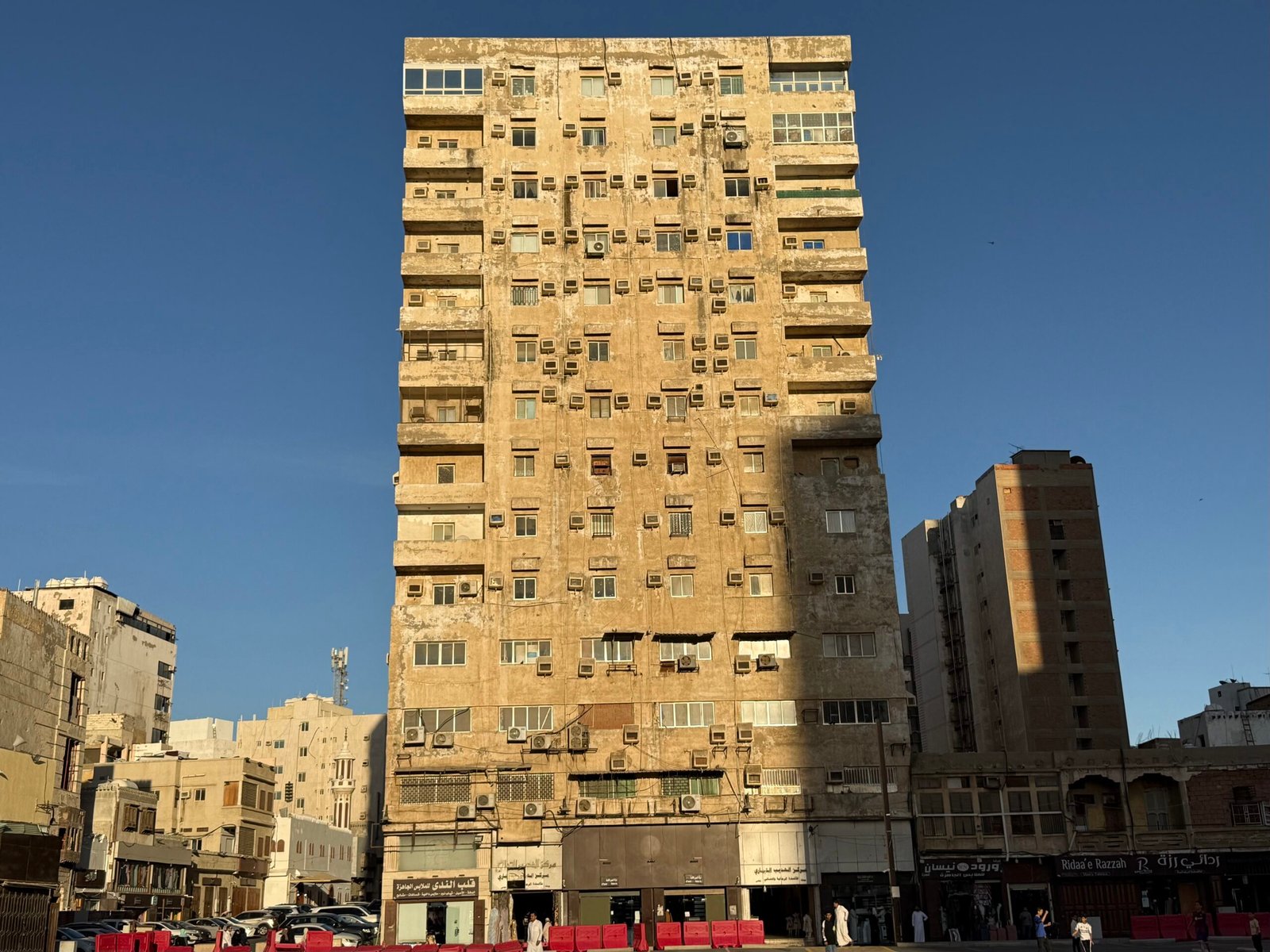
Once you go through one of the many ancient doors that lead to the old city, you will be met with two distinct parts of Al Balad. One part of it looks like this. It is genuinely old, authentic, and lived in. You can find ancient looking apartments and some of the finest seafood restaurants in this part of Al Balad.
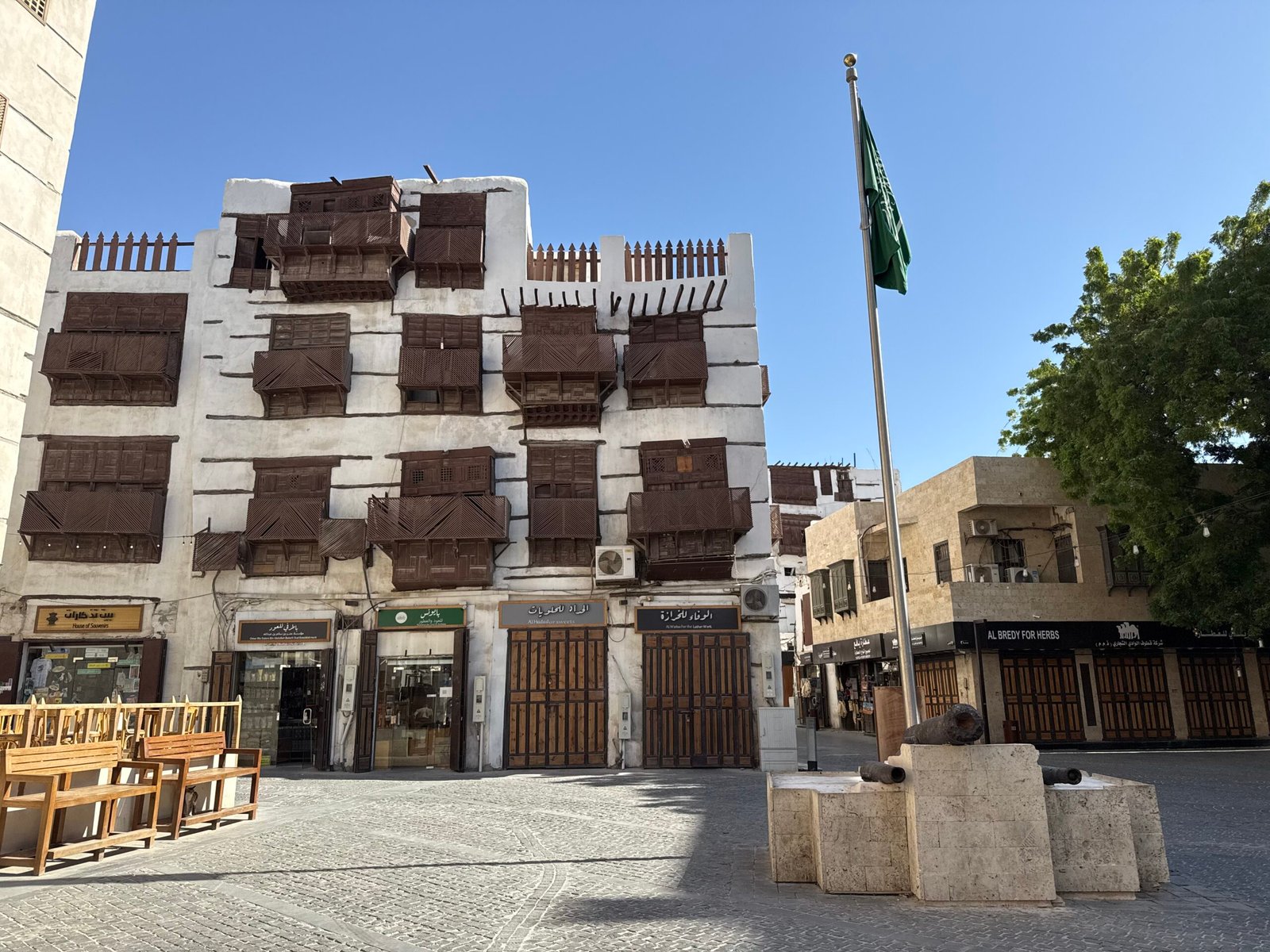
Another part of Al Balad looks like this. Still authentic, still old, but very much refined into a more touristic experience, and turned into a theme park, serving first and foremost tourists, local and foreign ones alike. Understandably, costs of everything in this part of Al Balad tends to be higher than the rest of the neighbourhood.
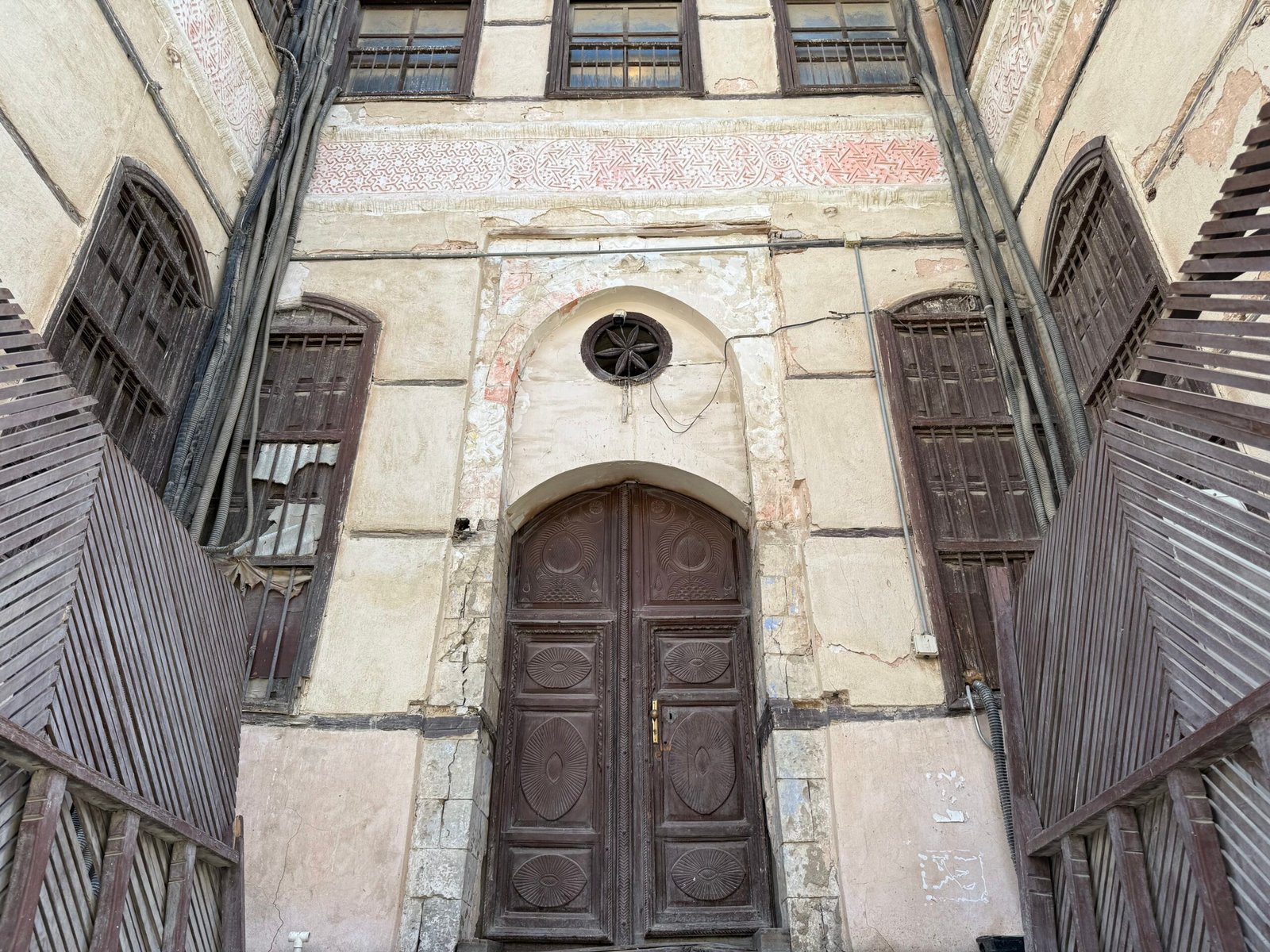
I recommend you take your time wondering around Al Balad, and try to do so during daytime. It will not be crowded when the sun is out, and you will be freer to take in the views and take photographs as you like. Trust me, you will not be able to that, at least not this easily, once the crowds start to gather.
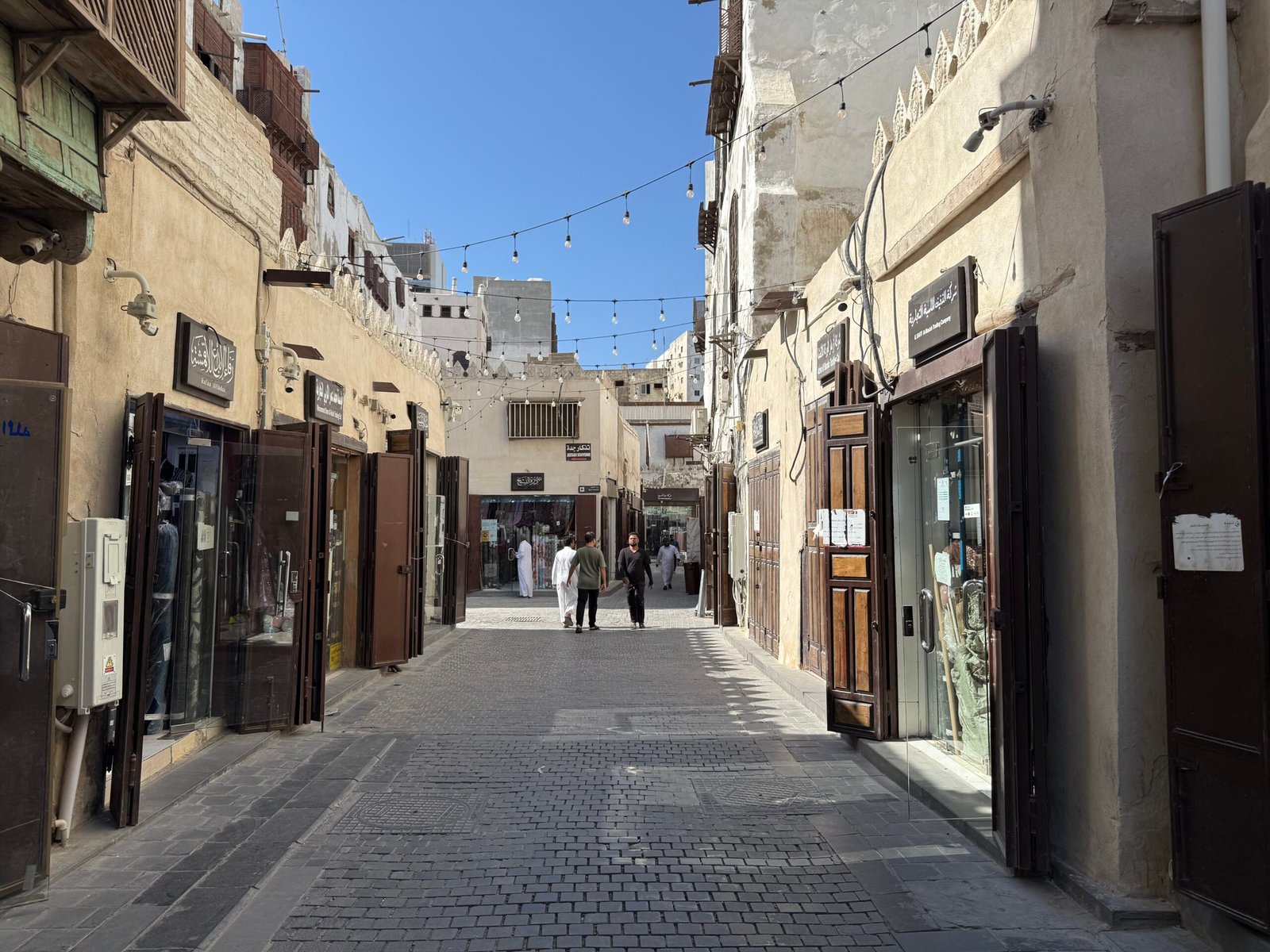
Unfortunately, visiting Al Balad early in the day does come with a caveat. Most stores you see either will not work at all, or only work intermittently, often in between some prayers. If you are serious about shopping, you should certainly come after the prayers are all done and the sun long set down.
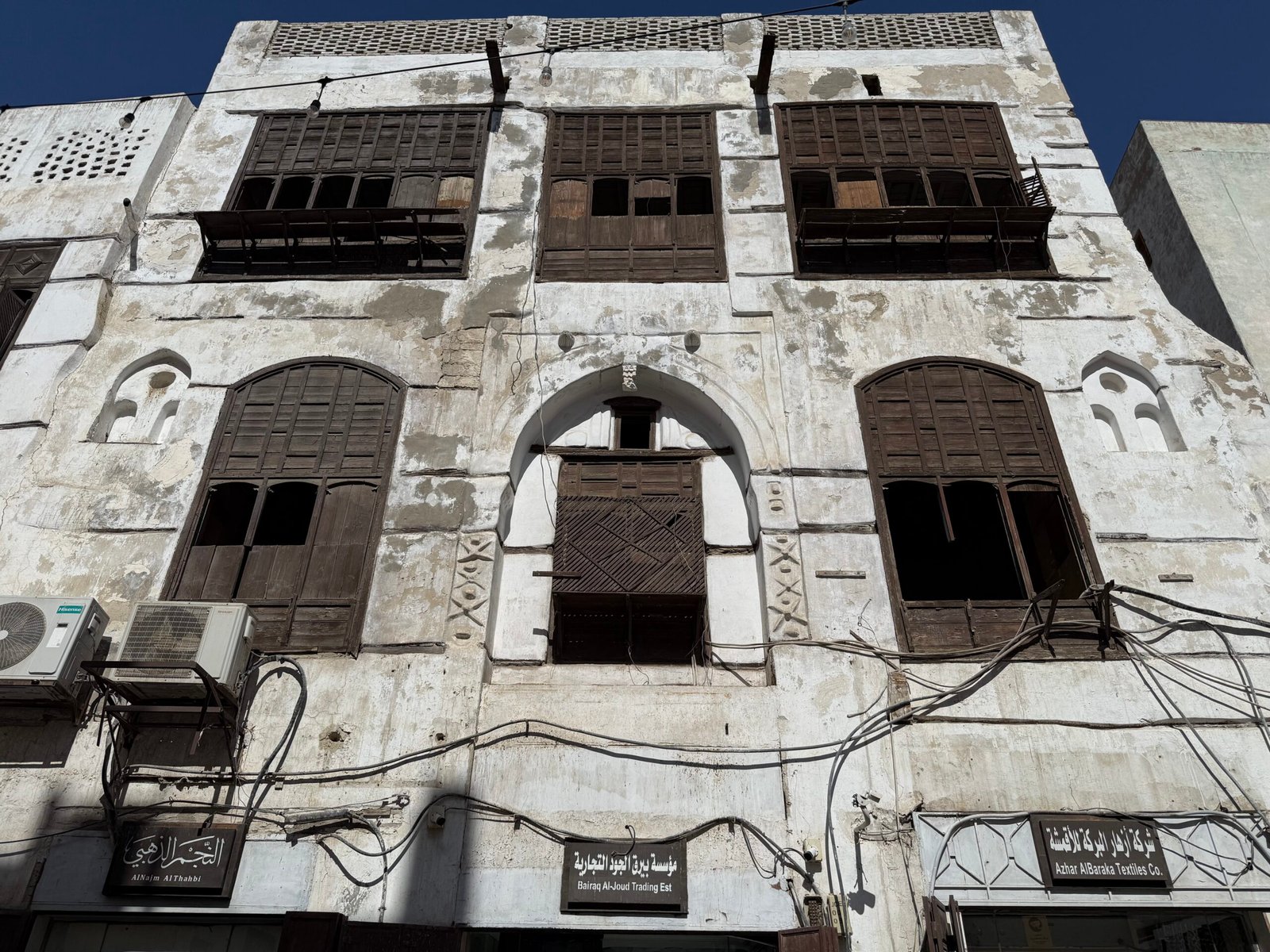
Nevertheless, to go back to my initial point, coming too late means being unable to appreciate the architecture of these old Arabic homes, which is a crime in my humble opinion. As far as I could tell, these specific etchings and wooden windows are not even common beyond Jeddah. You just have to spend some proper time enjoying the intricate details of these apartment looking family houses, some of which are used to this day.
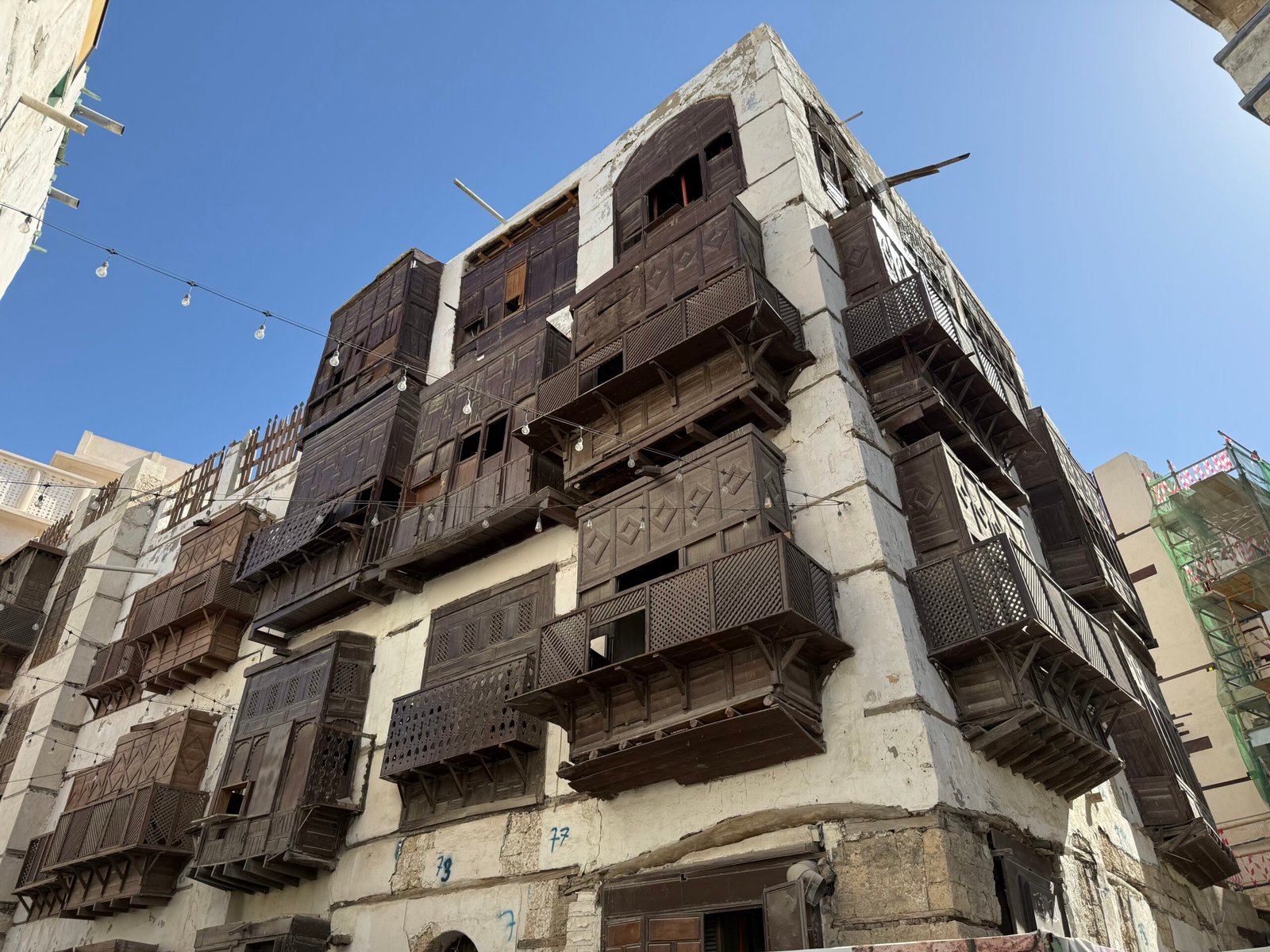
Of course, some such houses remain abandoned instead. As I mentioned before, money is not necessarily tight in Jeddah. Locals here seemed to be a bit more affluent than the ones I have seen in Mecca and Medina, and possibly Riyadh. Much like how Riyadh’s center was home to some abandoned old family homes, who moved on to greener pastures, the family homes here seems to have been abandoned for villas by the sea, of which there are many.
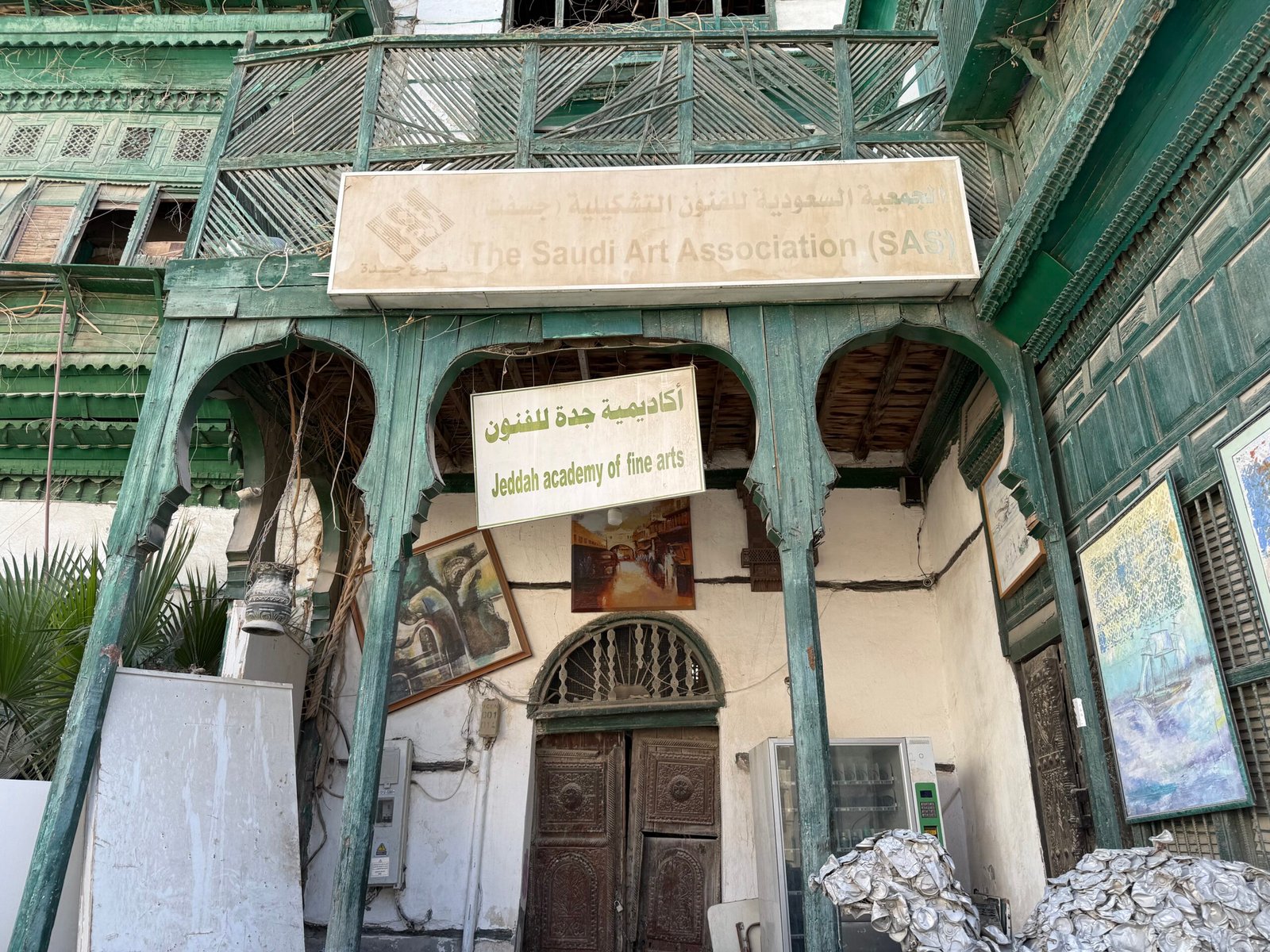
It also felt like I caught Jeddah in a somewhat down time. Quite huge swaths of the old town were undergoing renovations. I was told that the Jeddah Academy of Fine Arts could see some renovations itself in due time, though frankly, I had no problems with this aesthetic whatsoever.
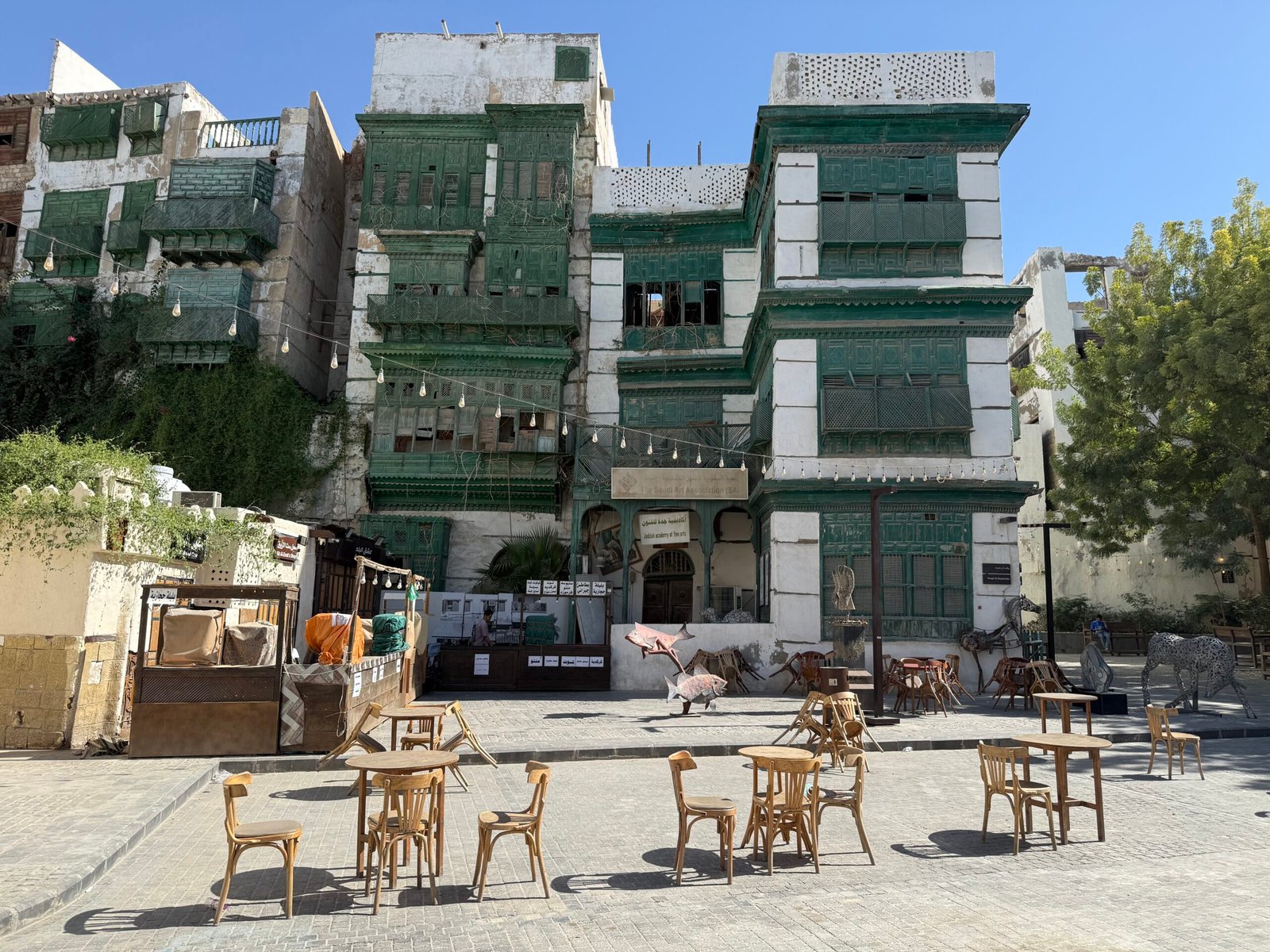
In fact, this particular corner was by far the best part of Al Balad for me. I came back here every night to check the scene, listen to some tunes that the older Arab gentlemen played as they enjoyed some fresh air, and drank some karak chai, thanks to the lovely folks who brew some excellent chai in nearby Bosalim. If you are after some seriously cool vibes, this is the place to be, especially after sunset.
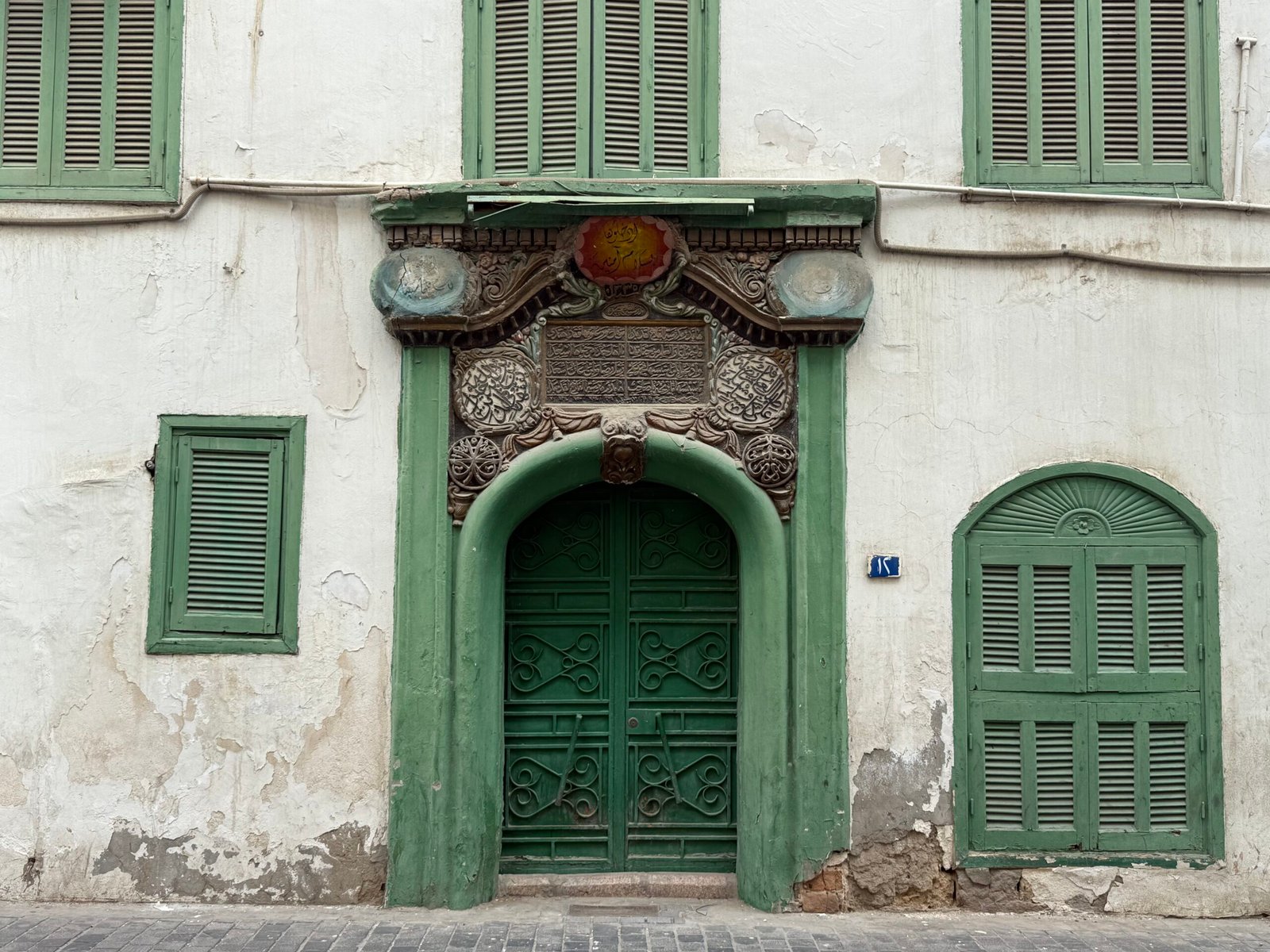
Of course, while Jeddah is different in many ways, it is not some alien landscape for Saudis themselves. The backbone of Saudi everyday life, the daily prayers, matter here just as much as they do anywhere else in the Kingdom. You should account for that in your itinerary. Prayer times may mean that the café you want to try could be closed temporarily. They also mean that most streets become outright empty, and thus excellent for some photography five times a day. Just something to keep in mind.
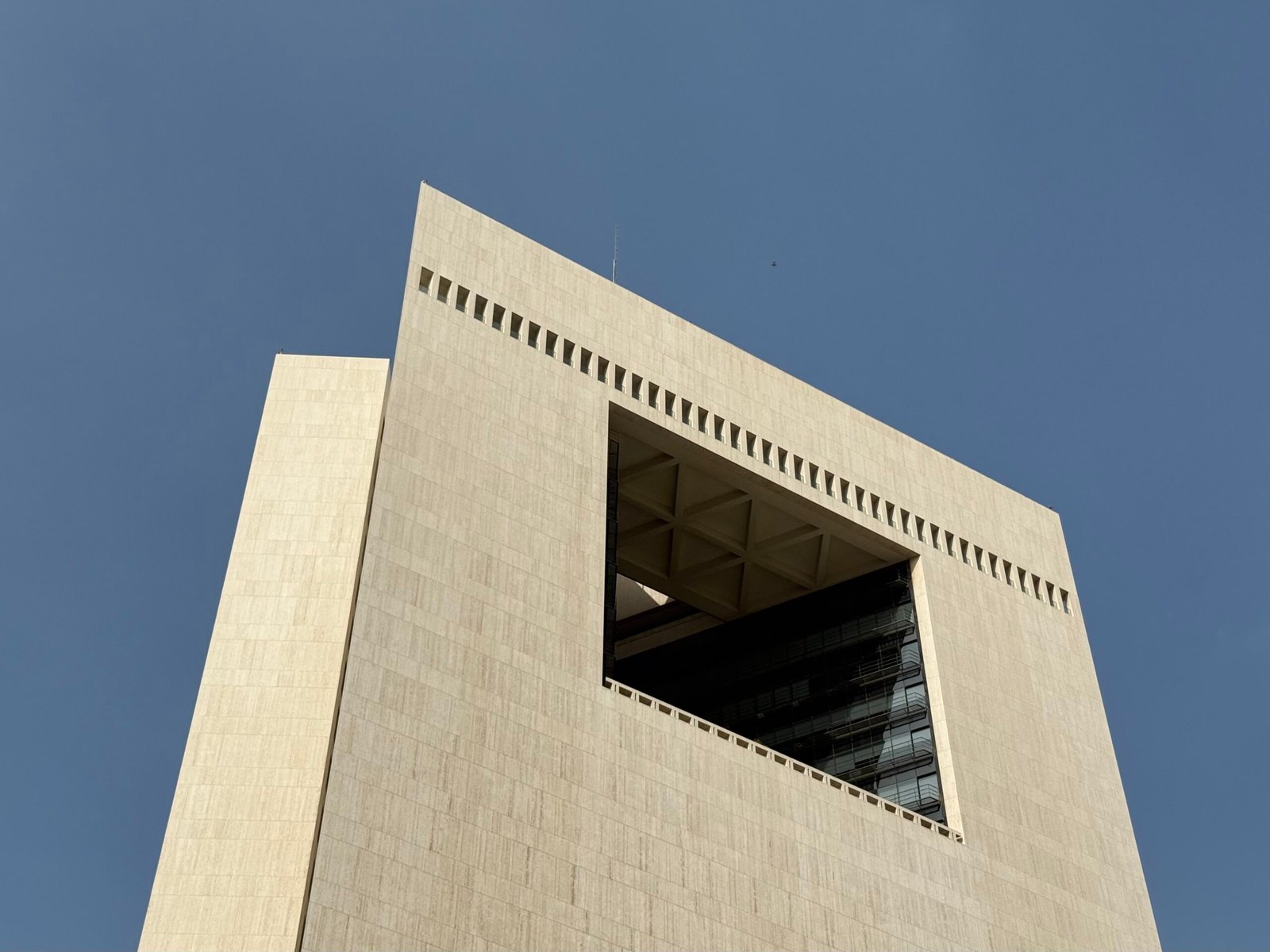
Once you had your fill of Al Balad, I recommend you pay a visit to the nearby Saudi National Bank, which seems to have a some hanging gardens inside it. Well, the point is not really to visit the bank, I suppose that is not even possible. The point is to use it to get to your next destination, Corniche Commercial Center, and the other smaller commercial centres around it.
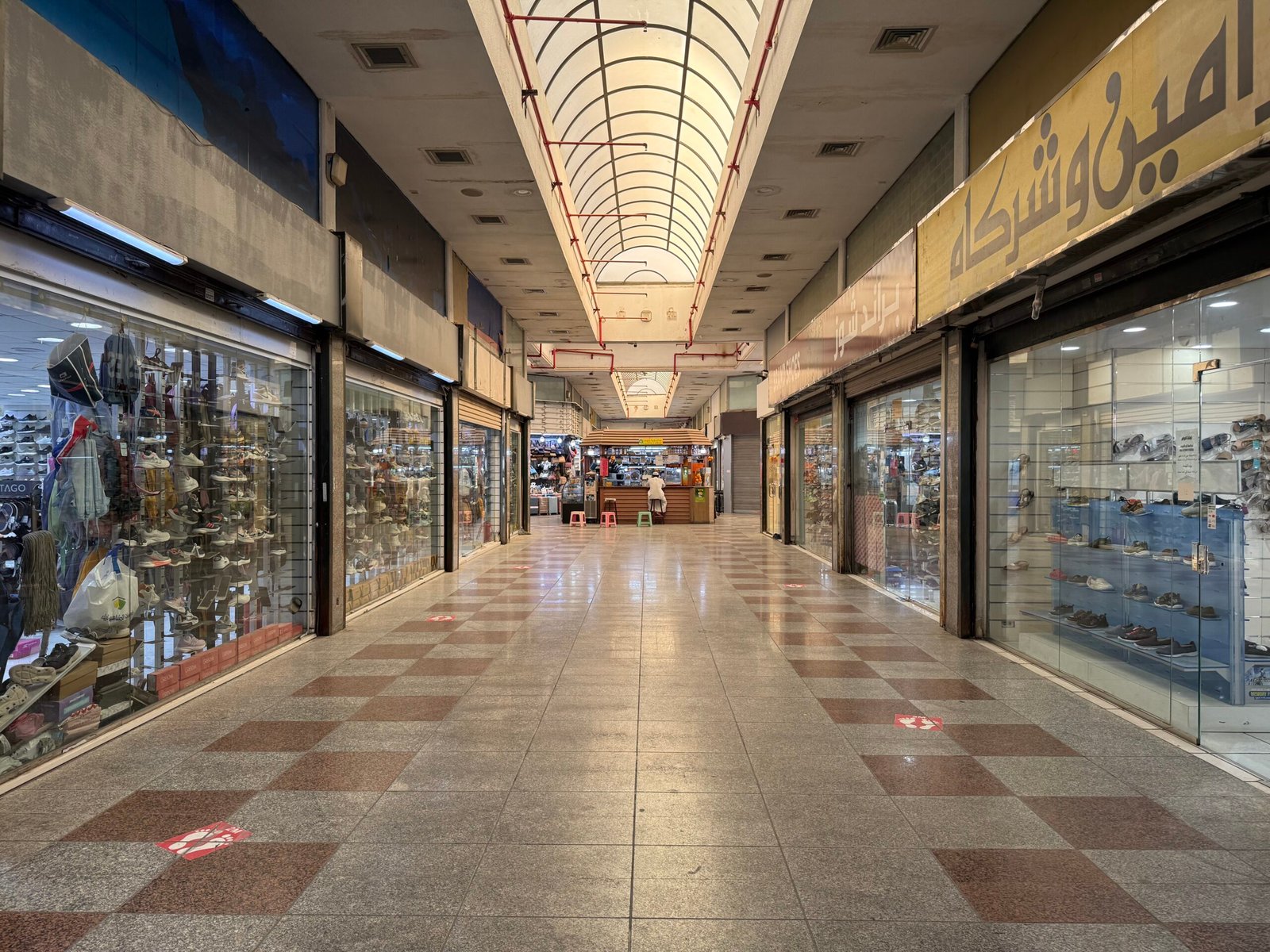
This area, very close to the port facilities, is where you will see most of the proper mercantile activity taking place in Jeddah. I may have spent well around an entire day just browsing through the inventories of watch vendors and electronic stores here. You can even find some pretty rare watches in these markets, if you have an eye for that kind of stuff. Prices seemed quite reasonable as well, at least compared to the prices in the countries that I am used.
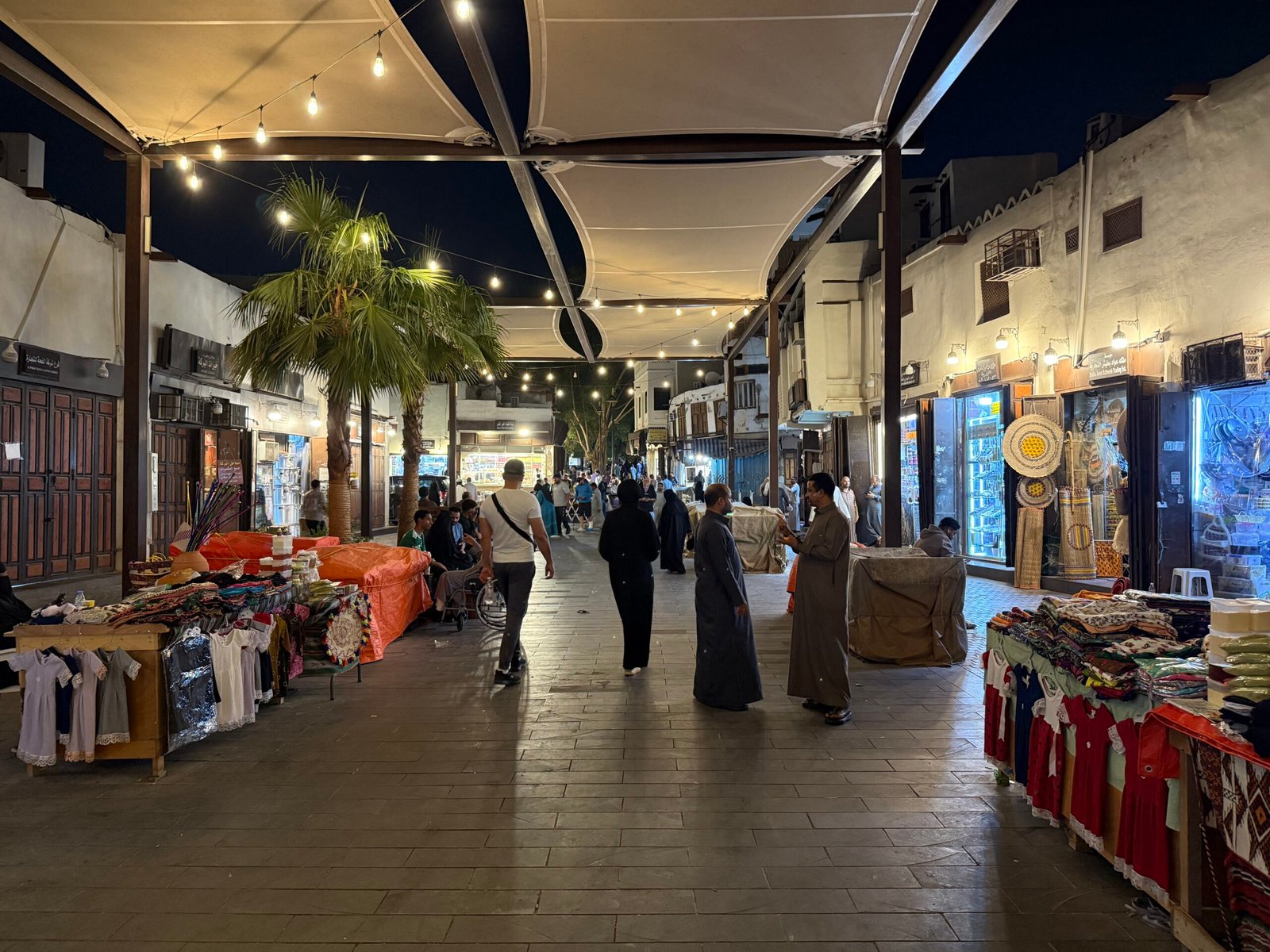
If you want something more Saudi, perhaps an actual souvenir that is more representative of your time in the Kingdom, then I must guide you back to Al Balad, but this time, at night. This whole neighbourhood basically wakes up when the sun goes down. You will find vendors selling anything from Saudi national clothes to frankincense. You can also find the more usual stuff, like magnets, or statues.
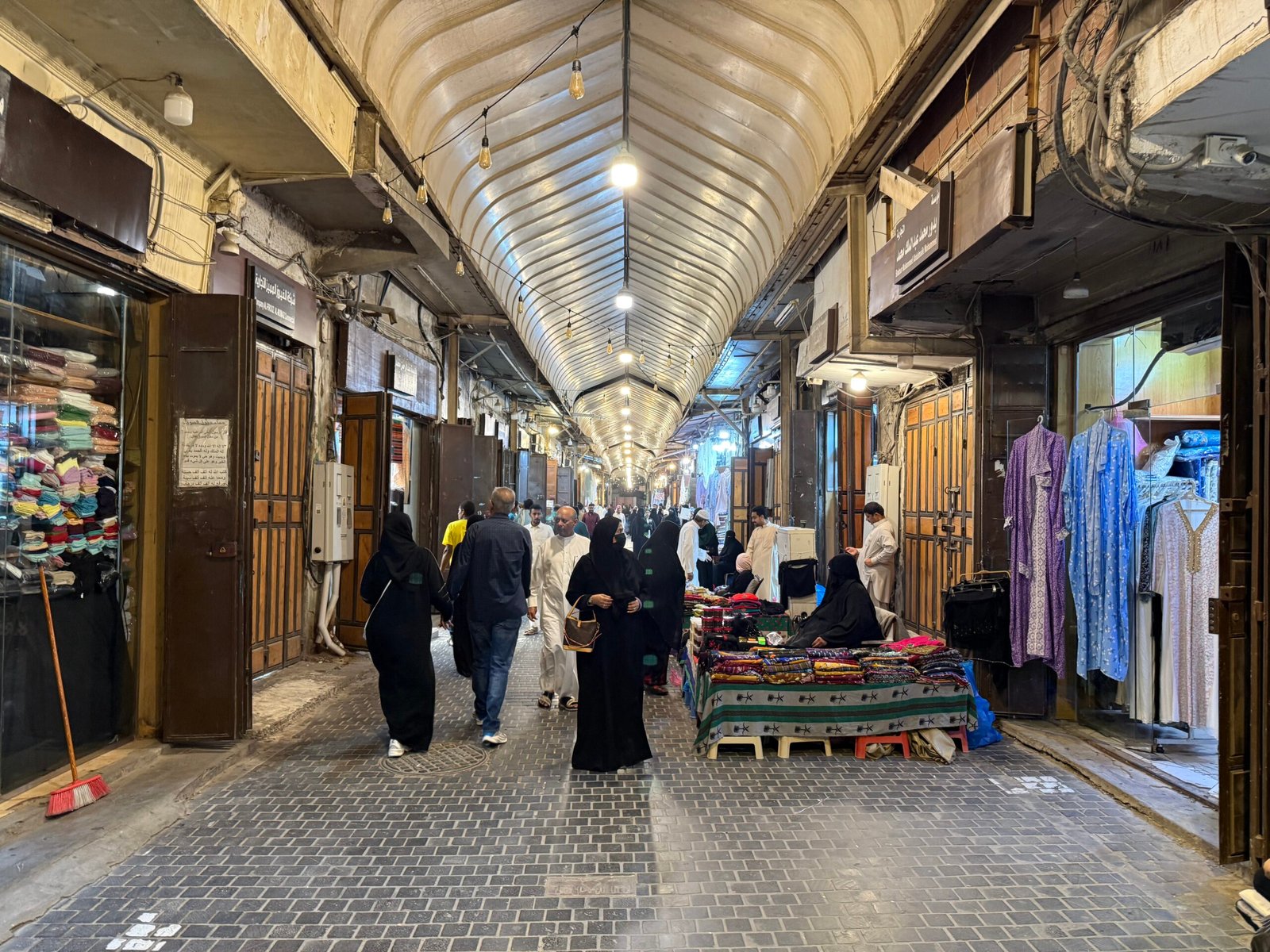
It seemed like certain parts of Al Balad had dedicated bazaars to certain types of goods. Like this one seemed to focus on clothing, there was another which sold mostly jewellery, and a whole alley was dedicated to souvenirs. I highly suggest you ask some local what you are looking for, so that they can guide you in the right direction. Quite many of such bazaars seemed to be undergoing renovations when I was there, suggesting that in all likelihood, Al Balad will be even more bustling once I am, hopefully, back here for a second time.
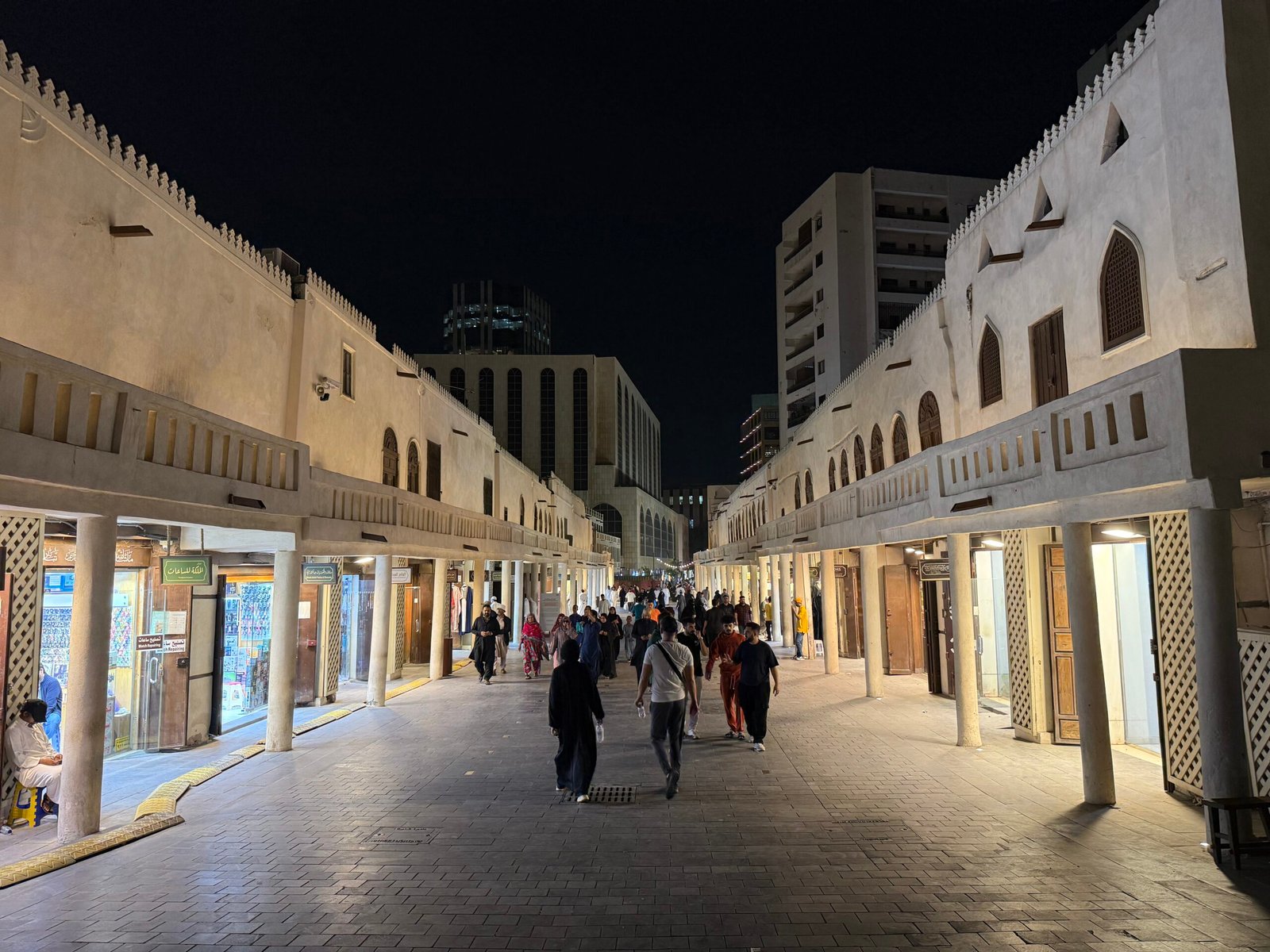
And I deep down I know that I will be back to Jeddah again at my earliest convenience. Much like the rest of Saudi Arabia, but especially just like Riyadh, Jeddah is being developed at an insane rate. The tallest skyscraper in the world, Jeddah Tower, is being constructed here, and the city is slated to have its very own metro soon enough, likely by the time this article is actually published online. Moreover, while I focused on Al Balad in this article, there is more to Jeddah than its excellent UNESCO World Heritage site. There is a whole northern half of the city that is full of high-end development, theme parks, malls, and some other modern amenities, and to the south one can find an increasing number of seaside attractions. There are also some islands on the Red Sea that you can explore by tours that leave Jeddah daily, and possibly a few other such tourist attractions that I am yet to discover. Jeddah is the second biggest Saudi city, and yet I spent the least amount of time here during my travels, so what do you expect… I will be back to enjoy the different Jeddah under a different light in due time!