
To say that Saudi history is extremely interesting would be an understatement. This is why I had hoped that museums I would visit in Riyadh would not disappoint me, and thankfully, they did not. In fact, the Saudi capital is home to some amazing museums both for history buffs and art lovers, and while I could not visit all of them during my hectic and somewhat short visit, the list below should give you an idea about what you can expect to see in Saudi museums if you end up visiting Riyadh as well.
The National Museum
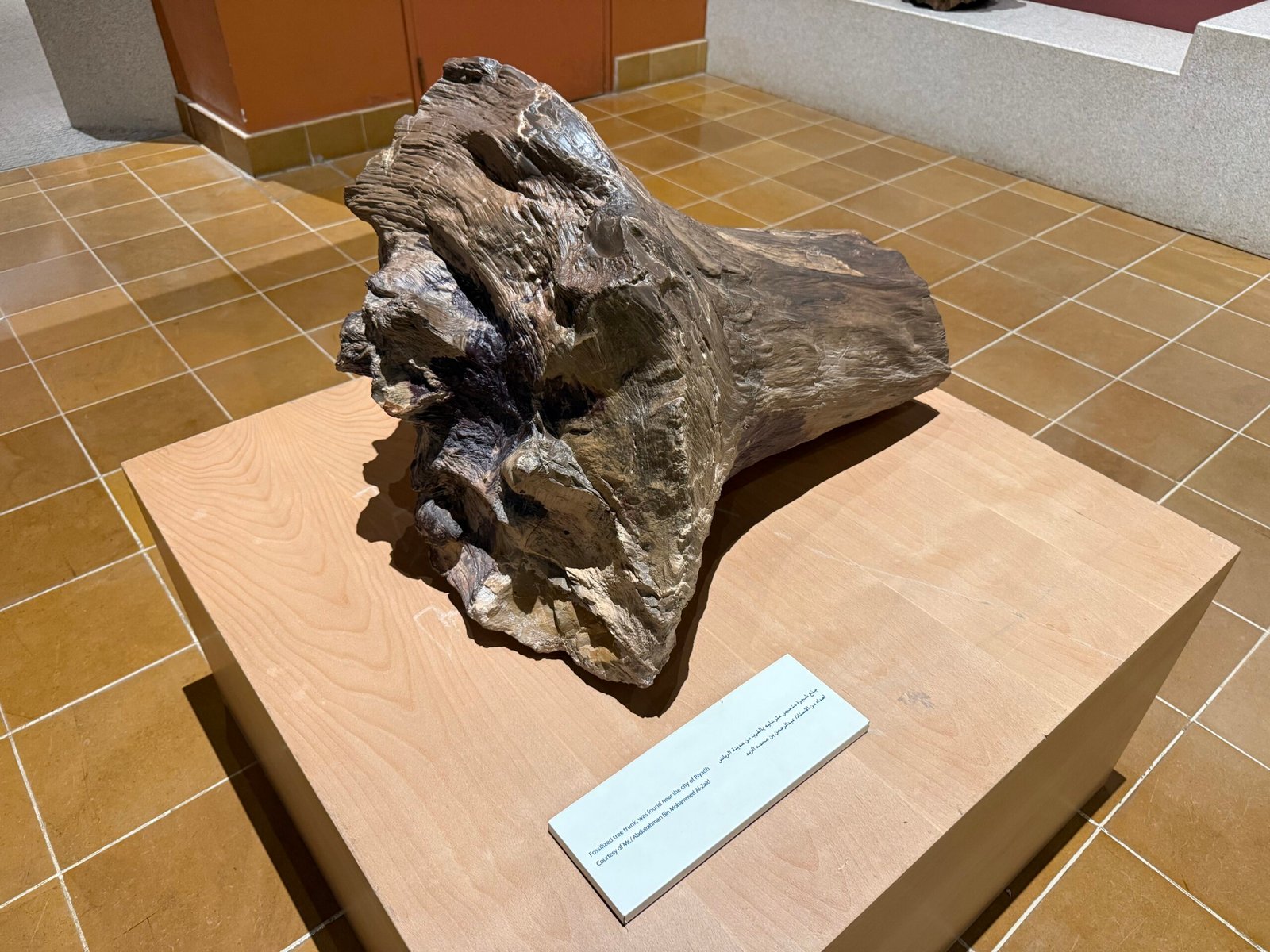
Like most local museums, The National Museum in Riyadh is completely free of charge and it is staffed by some friendly folks who will make sure that your stay is as fulfilling and comfortable as it can be. The first exhibition here is dedicated to natural history, and understandably it focuses on the nature of petroleum the most.
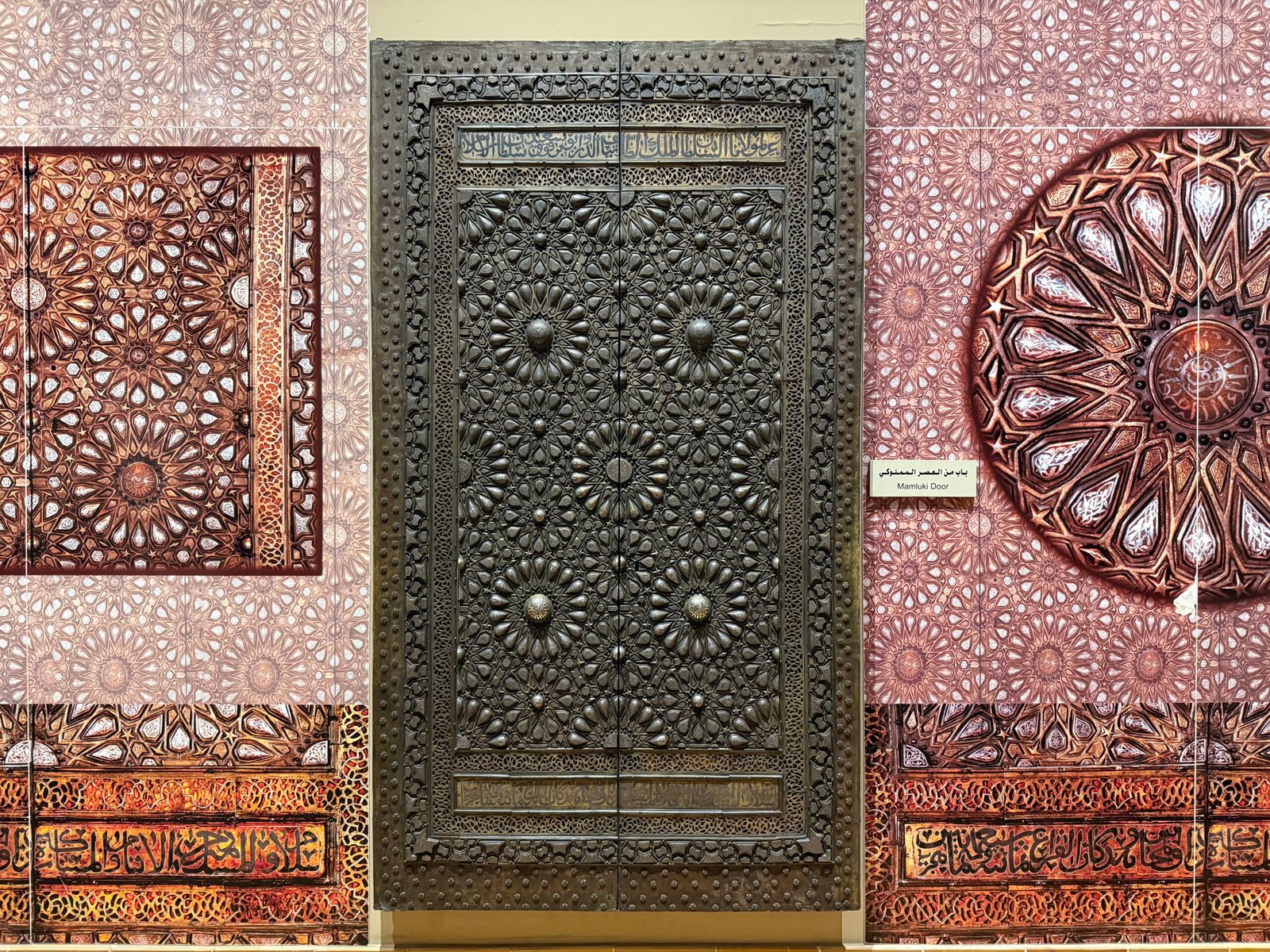
After learning something interesting about that liquid gold, visitors of this fine museum go through chronologically curated exhibitions on different periods of Arab history. You can easily find out more about the pre-Islamic Arab tribes and their way of lives if that is what fancies you or read about the Ottoman impact in the area. The information provided throughout the museum is bilingual, so it is nigh impossible to get lost as you move from one hall to the another, despite its somewhat unusual layout.
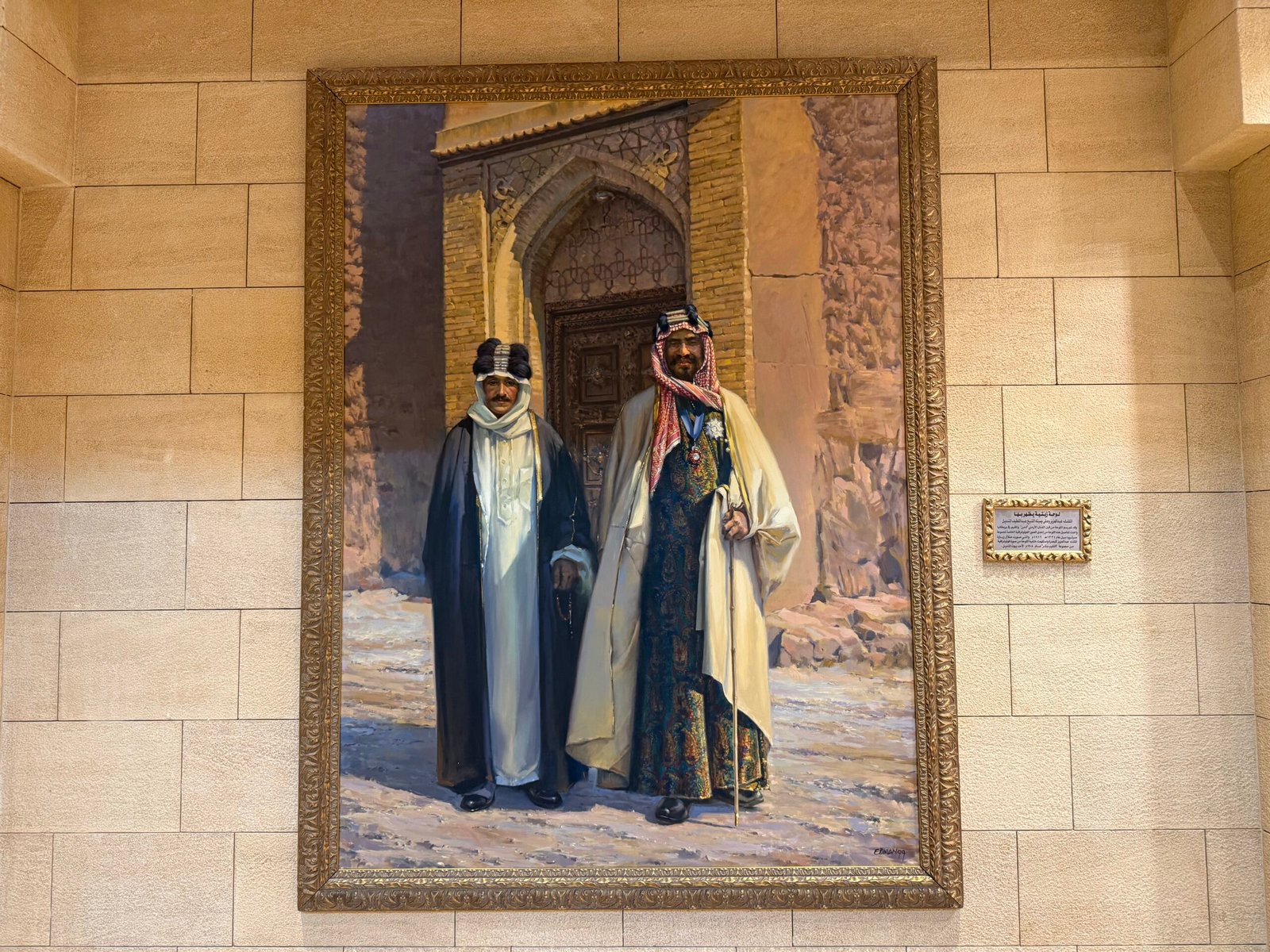
While the material one can find at the National Museum is most satisfactory, I must note that its exhibitions dry up around the time the third Saudi state was founded. In order to find out more about how Ibn Saud founded the current Saudi state, one needs to visit the nearby Murabba Historical Palace, as well as the few smaller (and also free) exhibitions in between these two bigger museums.
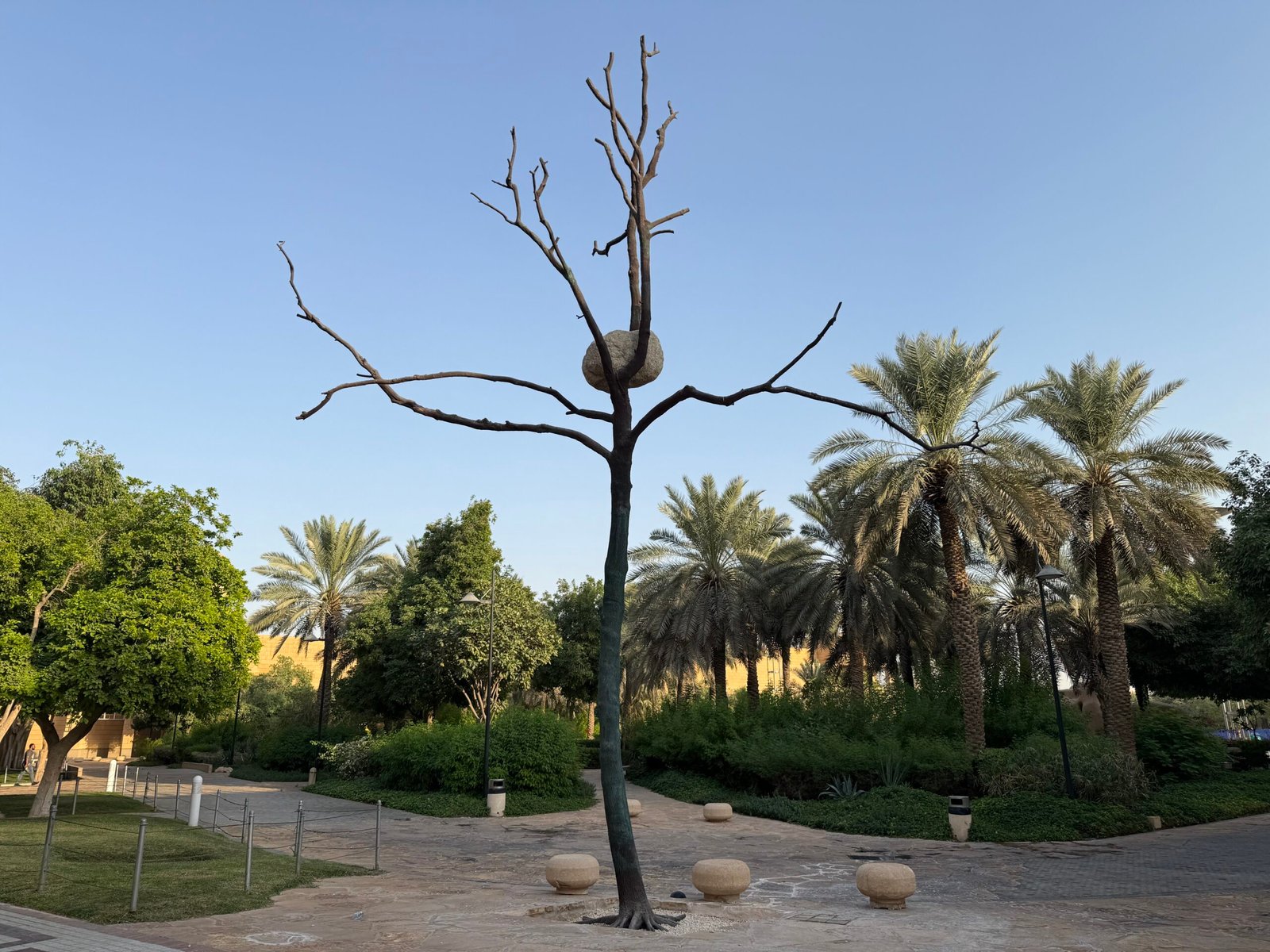
In fact, this whole area functions as an extensive cultural district of sorts. Here, one can find a few museums and research centres that are glued together with a park that acts as the green spine of a rectangular area. This park is not only populated by the most welcome palm trees that provide shelter from the sun for humans and cats alike, but also some pieces of art such as the one you can see above.
Murabba Historical Palace
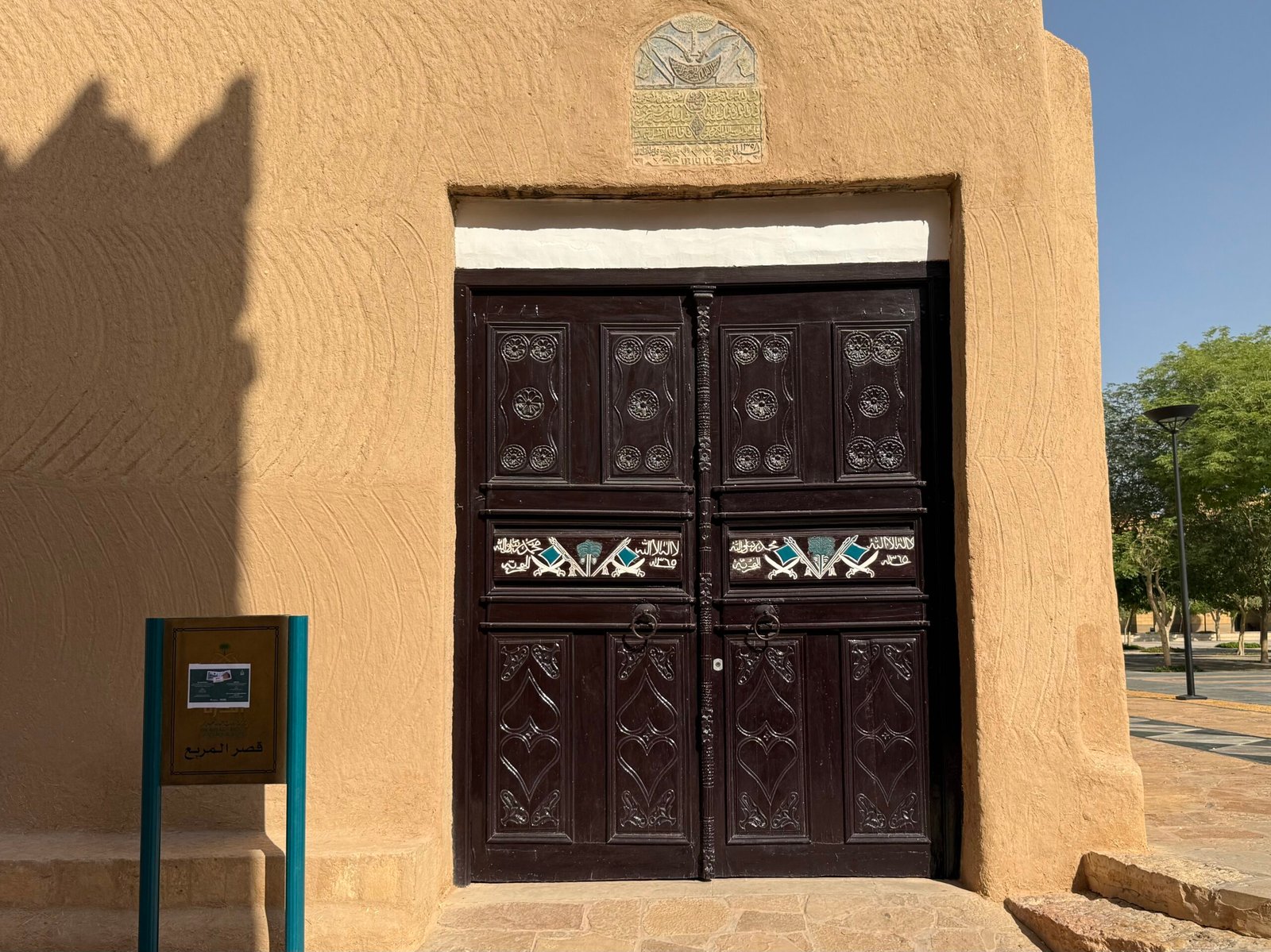
Unfortunately, my first museum visiting spree in Riyadh would be cut short with some bad news. The Murabba Historical Palace was under renovation when I visited the Kingdom in October 2025. It would re-open shortly after my departure, alas I was not there at the right time to see it with my own eyes. This was rather unfortunate, since as a historian of the 20th century, this was the museum that intrigued me the most in the Saudi capital, as it dealt with 20th century affairs first and foremost. Well, I guess now I have one more reason to go back to Riyadh in due time.
Al Masmak Palace Museum
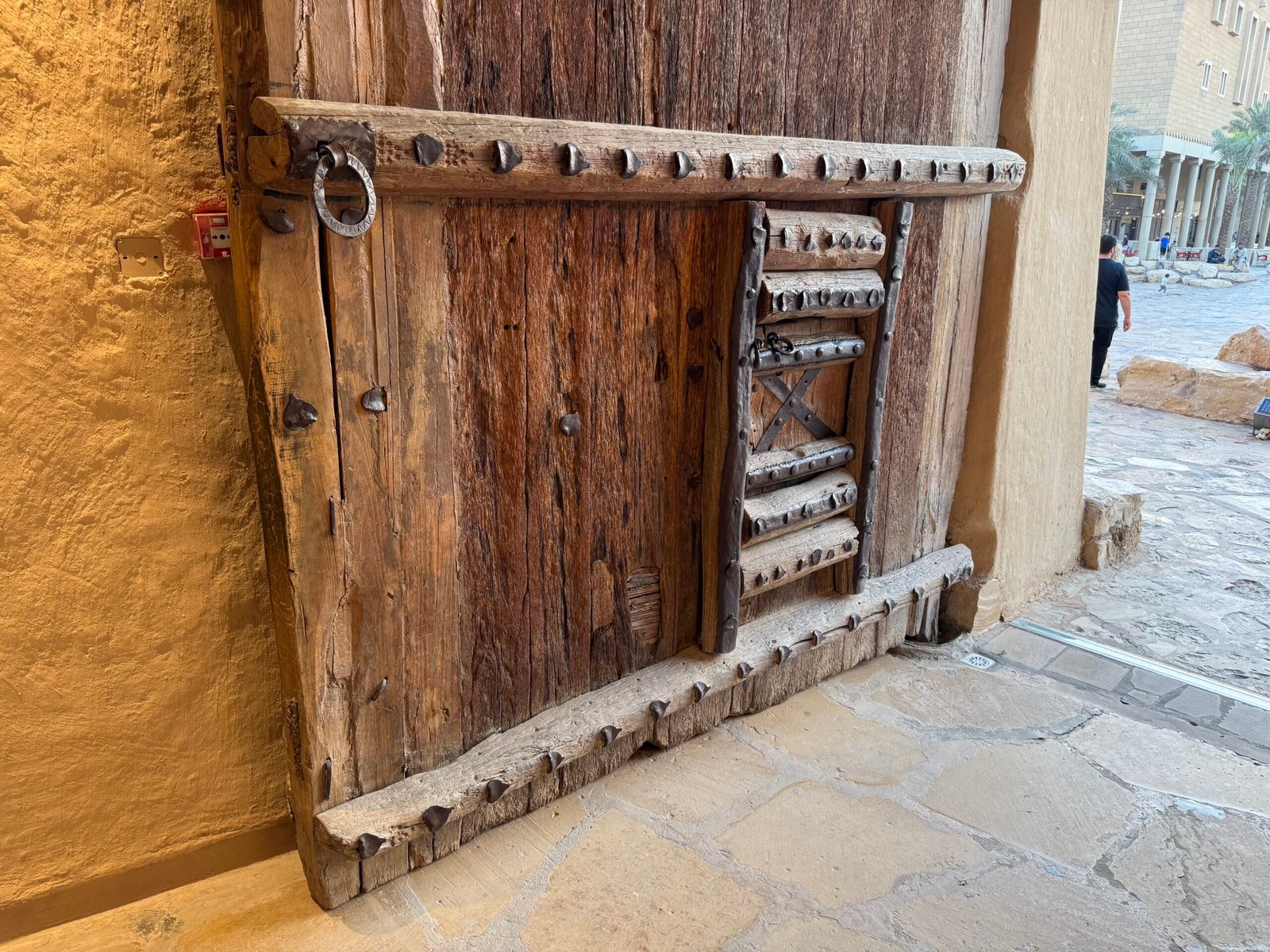
Thankfully, the Masmak Palace Museum, yet another museum I was extremely excited about was open during my visit. This is the actual fort that Ibn Saud conquered in 1902, which led to the establishment of the third Saudi state, which is going strong to this day. I was told that this very door is the authentic one Ibn Saud stormed through to conquer the fort, and later on in this museum, you can even watch an exciting recreation of this battle in two languages. Just be patient and wait for the English version of the video to start playing so that you can enjoy it fully.
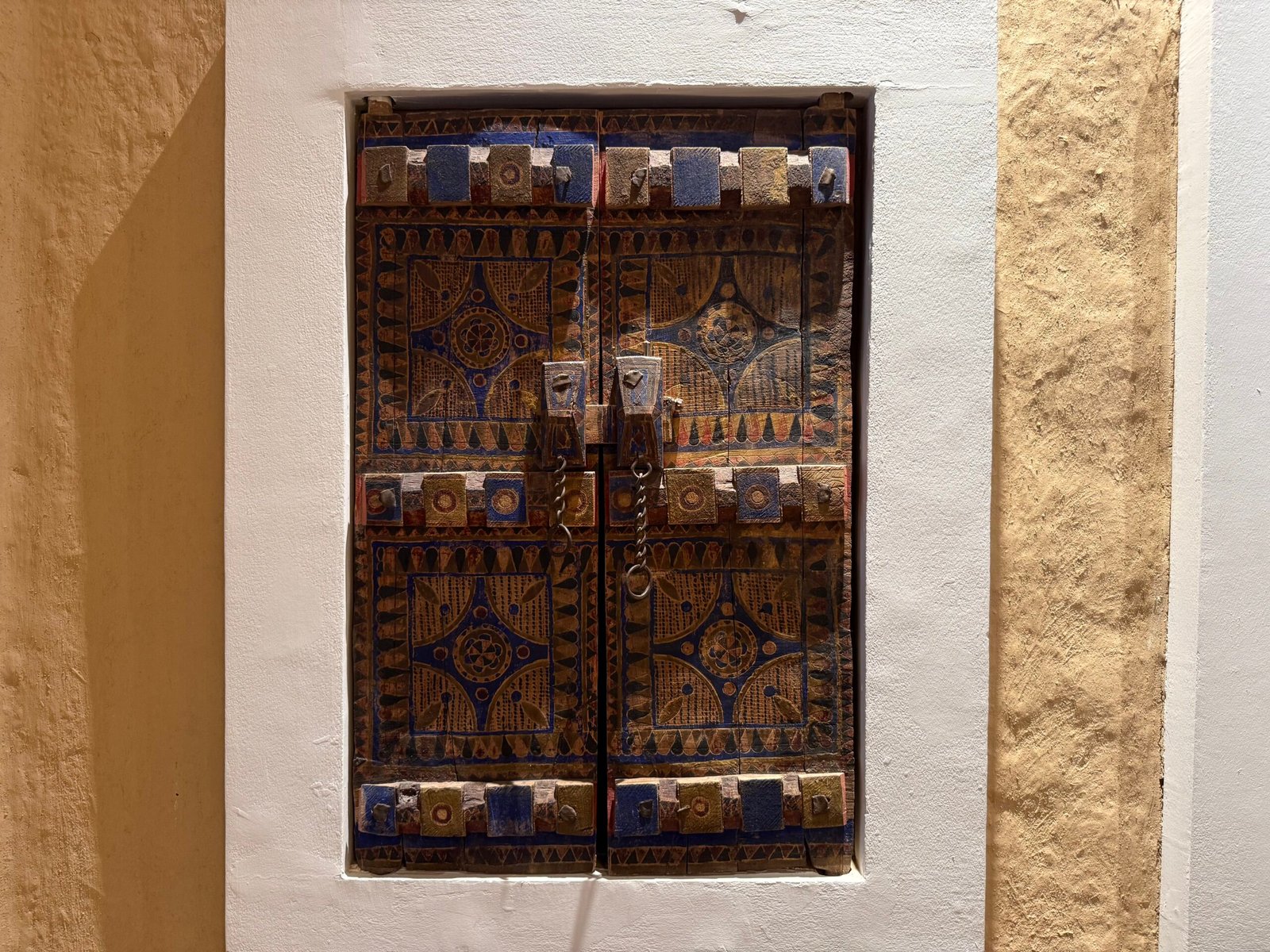
Despite its humble size, the Masmak Palace Museum has some interesting exhibits, though perhaps more importantly, this entire place oozes with history. You may not notice this immediately, but the aforementioned video really puts things into perspective and makes exploring rooms of this fort into a more immersive experience than just any other visit to a more usual museum.
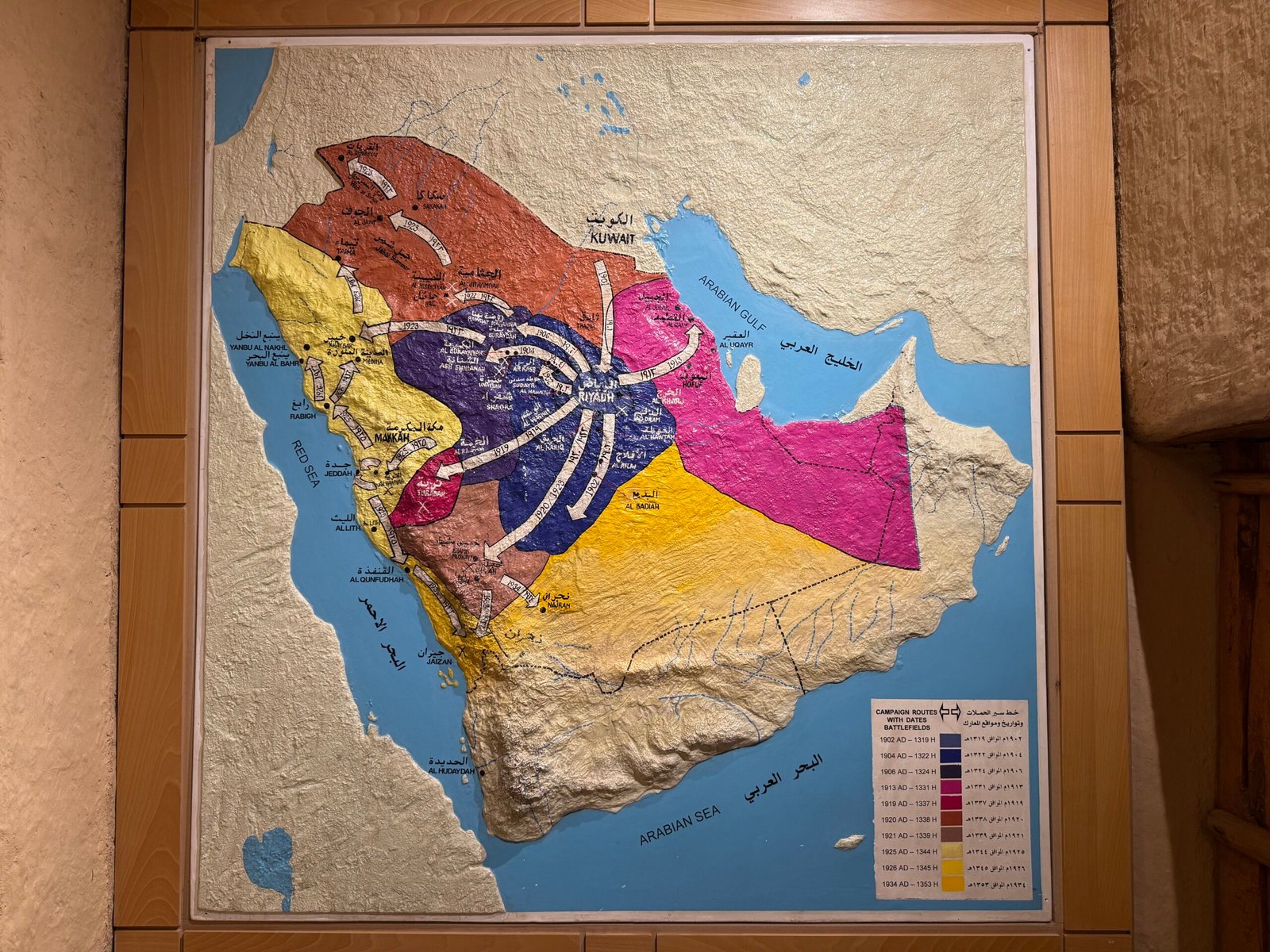
Most of the exhibits here seem to focus on the initial expansion of the third Saudi state under the leadership of Ibn Saud. Since he started with little more than just a claim to the city of Riyadh, it is mind boggling to see how fast he expanded his realm. Please do keep in mind that these are not some distant feudal achievements. All of these conquests took place merely a century ago, and it is still a son of Ibn Saud that rules the Kingdom today. In other words, these feats are not ancient history, not for us, and certainly not for the locals.
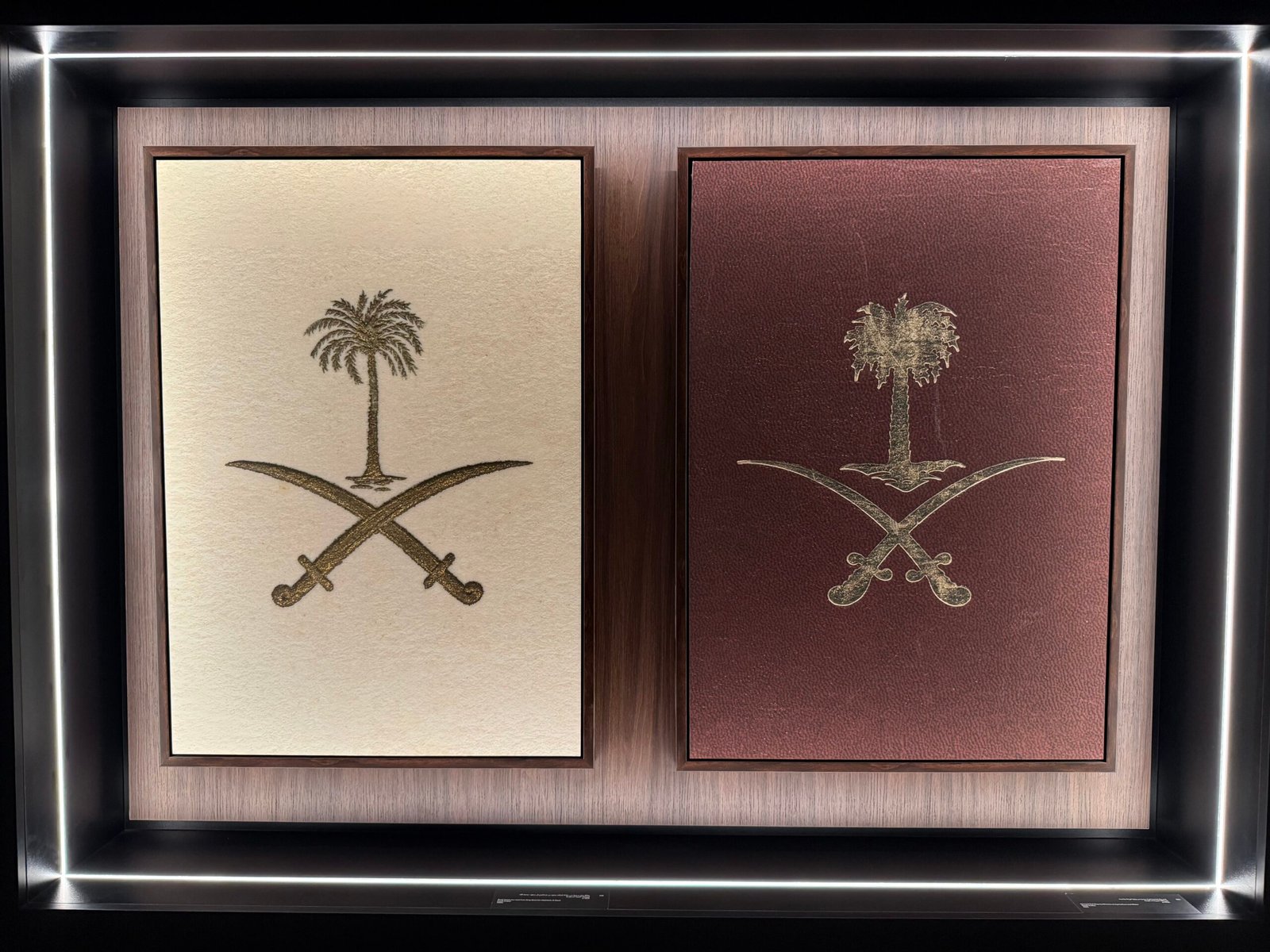
During my visit, I was lucky enough to run into a temporary exhibition on the evolution of the official emblem of Saudi Arabia. Apparently, this deceptively simple emblem, consisting of two crossed swords and a palm tree, changed significantly from one iteration to another since its inception. This small exhibit was geared towards thinking more generally about emblems, their production, and what their evolutions over time means, which certainly helped me conclude my visit on a high note.
Saqer Al-Jazirah Royal Air Force Museum
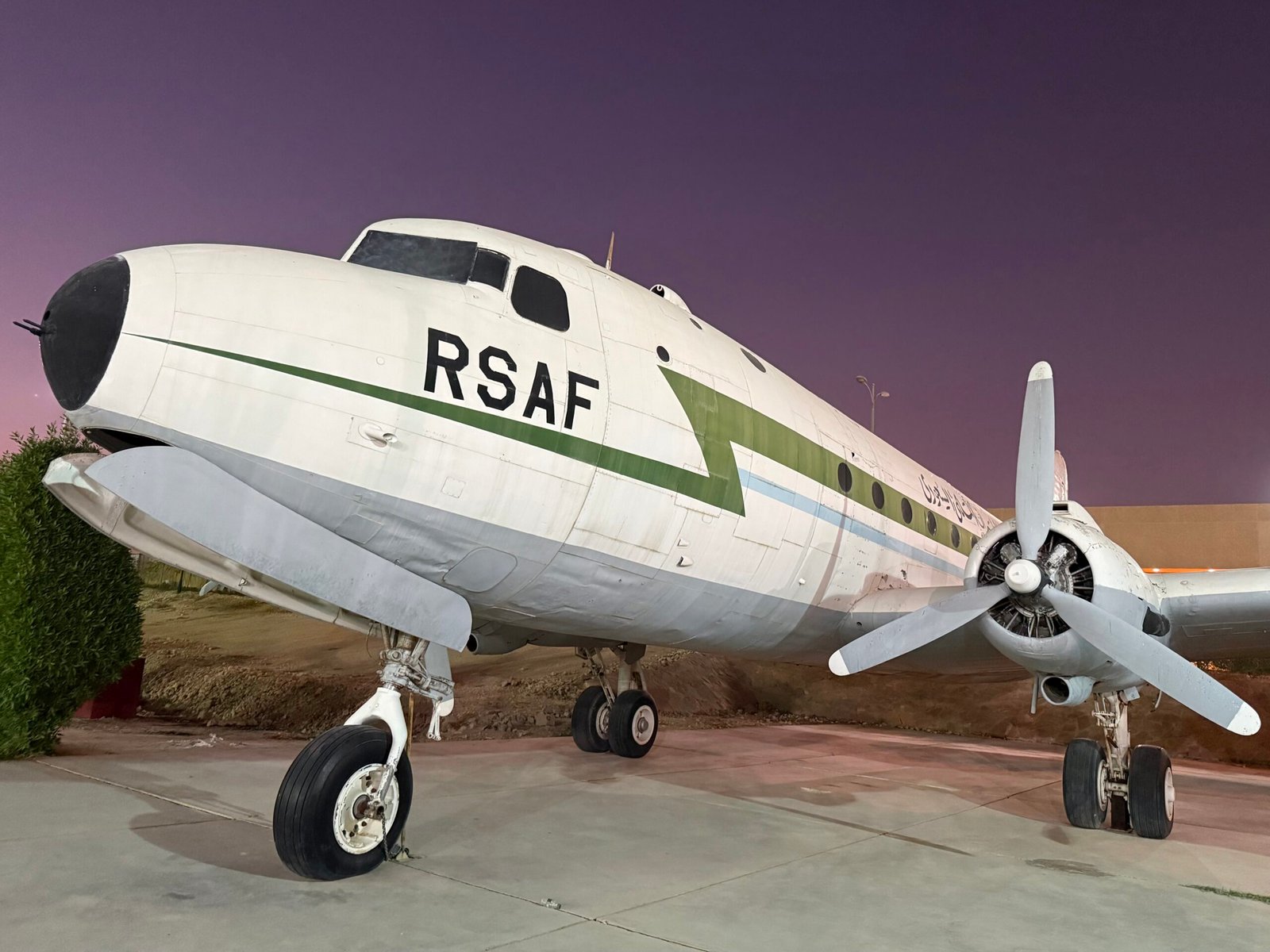
It turns out that the Saqer Al-Jazirah Royal Air Force Museum is not actually free to visit unlike most other museums in town, but, for some reason, the gentleman at the door told me to visit the premises without any payment. It may be because I visited the Saudi capital during Riyadh Season, or perhaps he really just liked my vibes… Well, regardless of the reason, I was happy to enjoy this excellent museum dedicated to the history of Saudi aviation for free, though I must admit that it is worth paying to see what it has to offer. There are a few bigger planes that you can find outside and a good number of smaller ones that are kept in a better condition inside the hangar which hosts the main exhibition area, and has exhibits that teach you about Saudi aviation firsts, Saudi air forces, and so on. This museum may be a bit out of the way for most, but you can certainly give it a go if you have the time for it.
King Salman Science Oasis
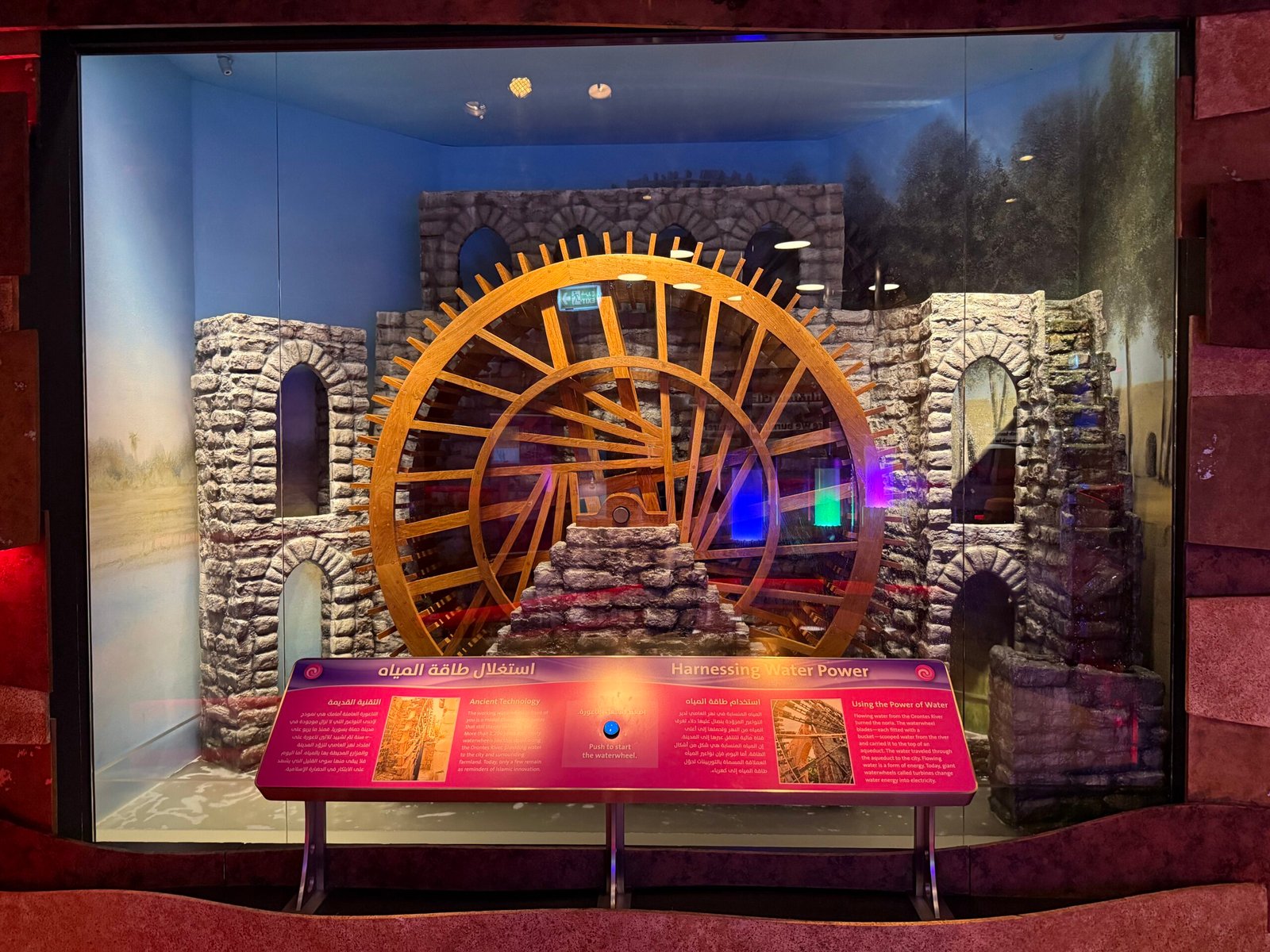
King Salman Science Oasis is a particularly interesting establishment. It functions as a massive complex that is meant to attract the local youth and make them more interested in hard sciences. Well, while I may not be their target audience, they managed to grab my attention as well!
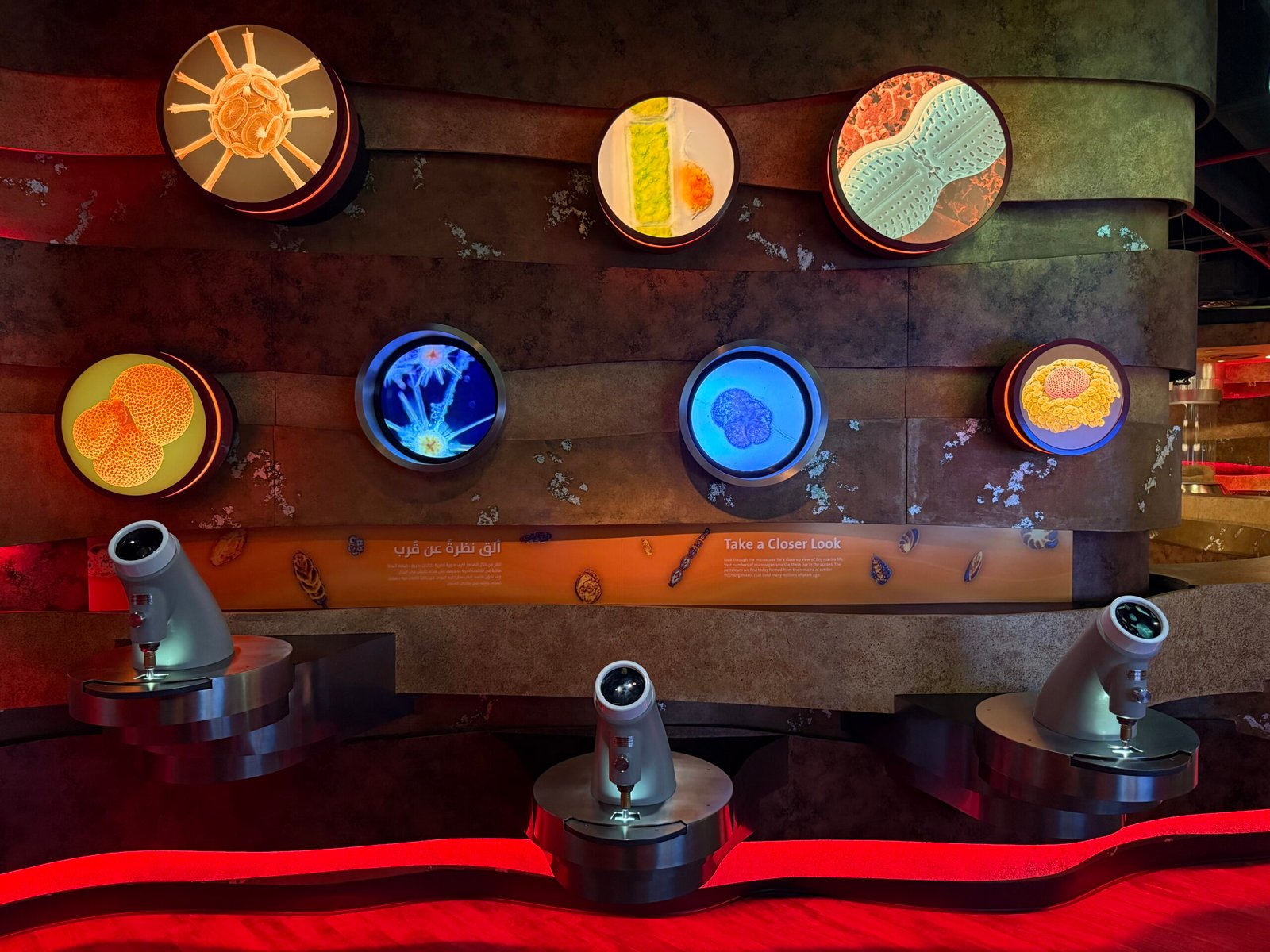
You can visit the permanent exhibition here, which is all about the energy industry with an understandable focus on hydrocarbons, by booking your visit on an app called Platinumlist. This booking is, once again, free. While the exhibition amounts to only a few small rooms on paper, I ended up spending hours here, reading every single piece of the provided information, and playing most of the games that the curators added to spice things up for children.
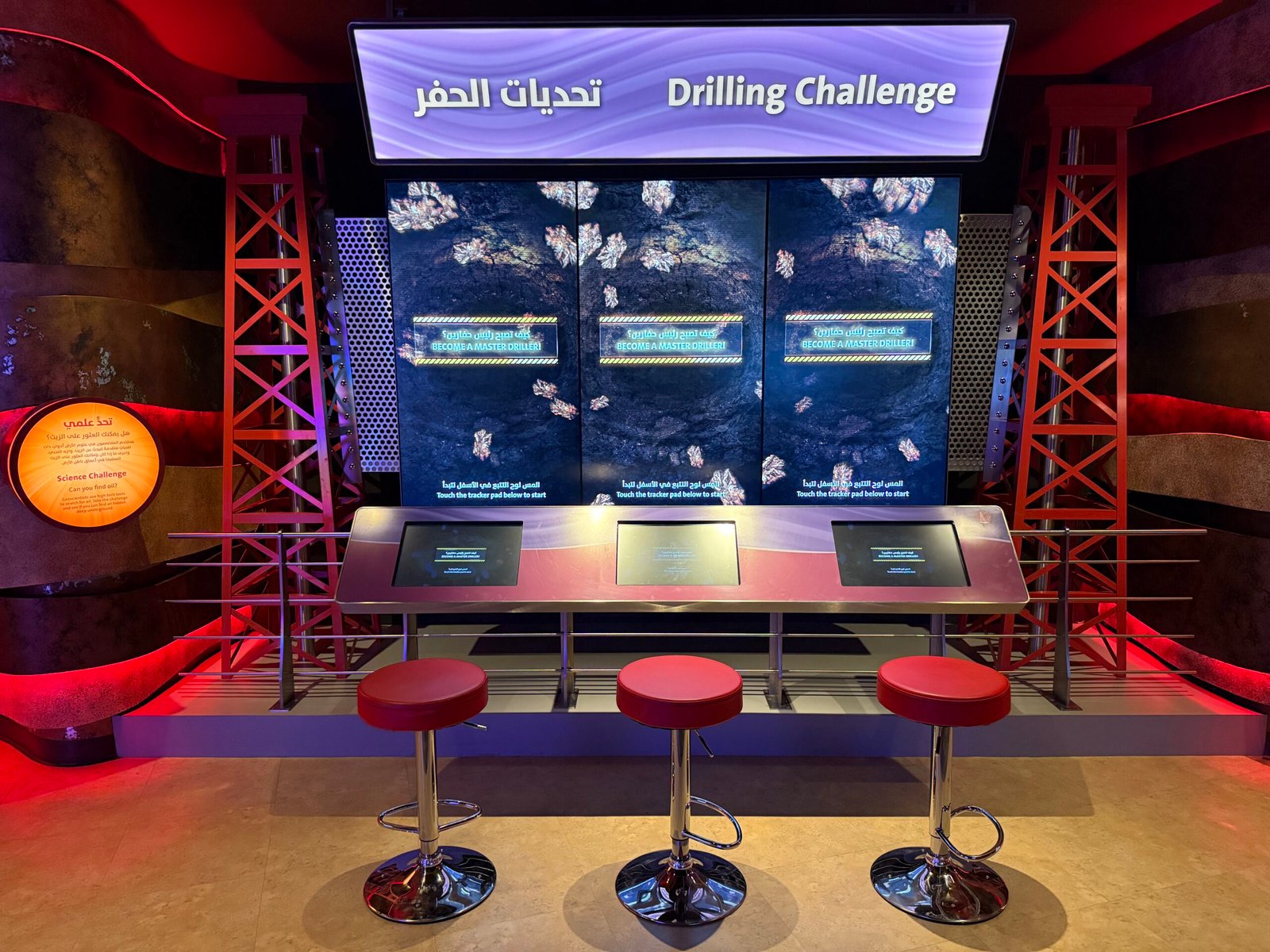
In my defense, all these interactive pieces were there to slowly teach you a thing or two about the energy industry, and even the most basic games did teach me at the very least some fun facts about the science behind drilling for petroleum, fracking, logistics behind natural gas industry, and so on. So, while I may joke about the games being geared towards children, I do actually recommend you all to give this fantastic museum a go and spend some time learning about the past, present, and future of the energy industry in the most fun way possible.
Diriyah Art Futures
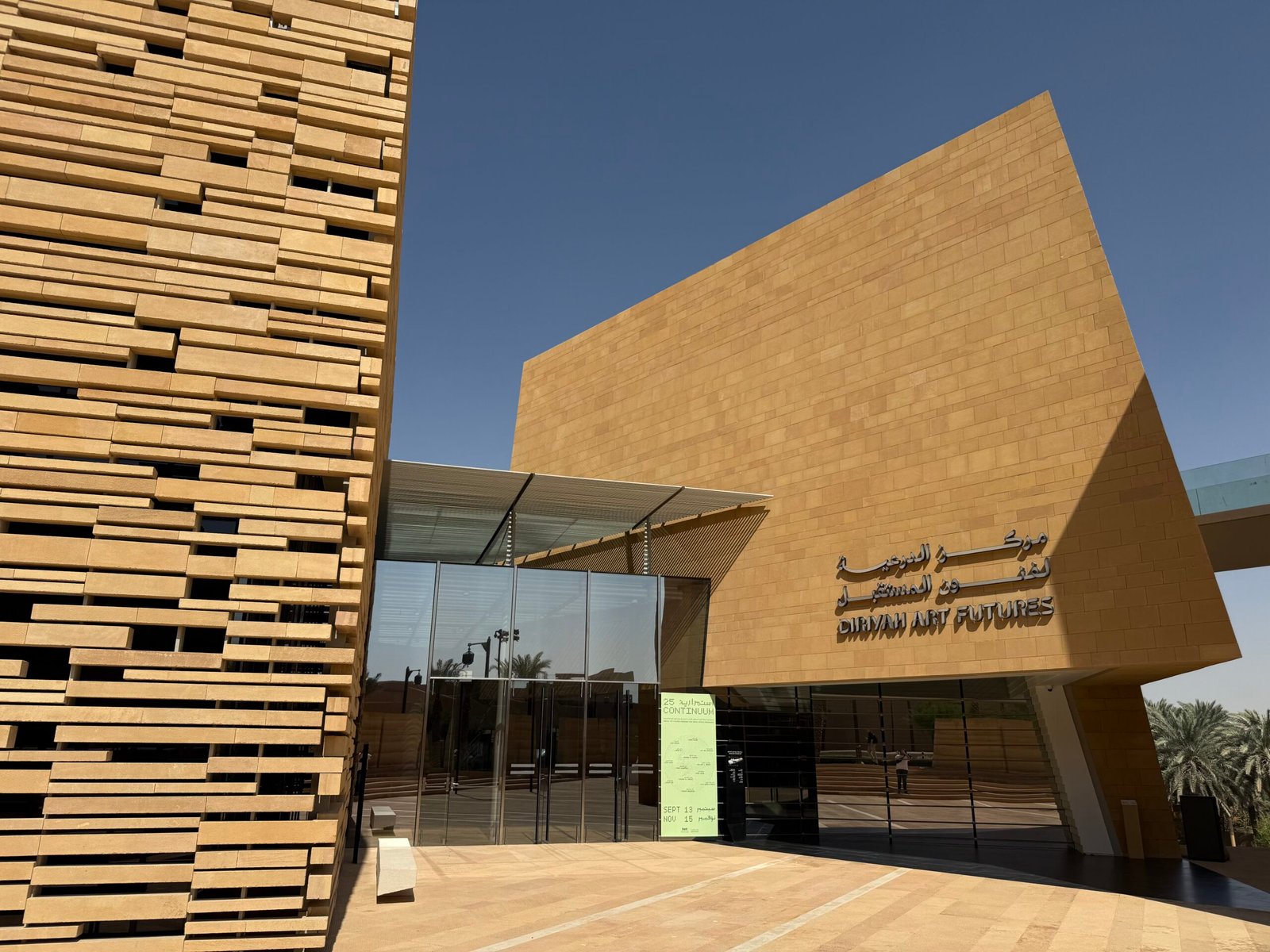
I am happy to report that such interactive exhibits are not limited King Salman Science Oasis. Diriyah Art Futures is a modern art museum located near the main historical heritage site in Diriyah, so it is somewhat far away from the rest of Riyadh. With that being said, a visit to Riyadh is not complete without a visit to Diriyah, and as such I am adding this place to my list of museums that one should visit in Riyadh.
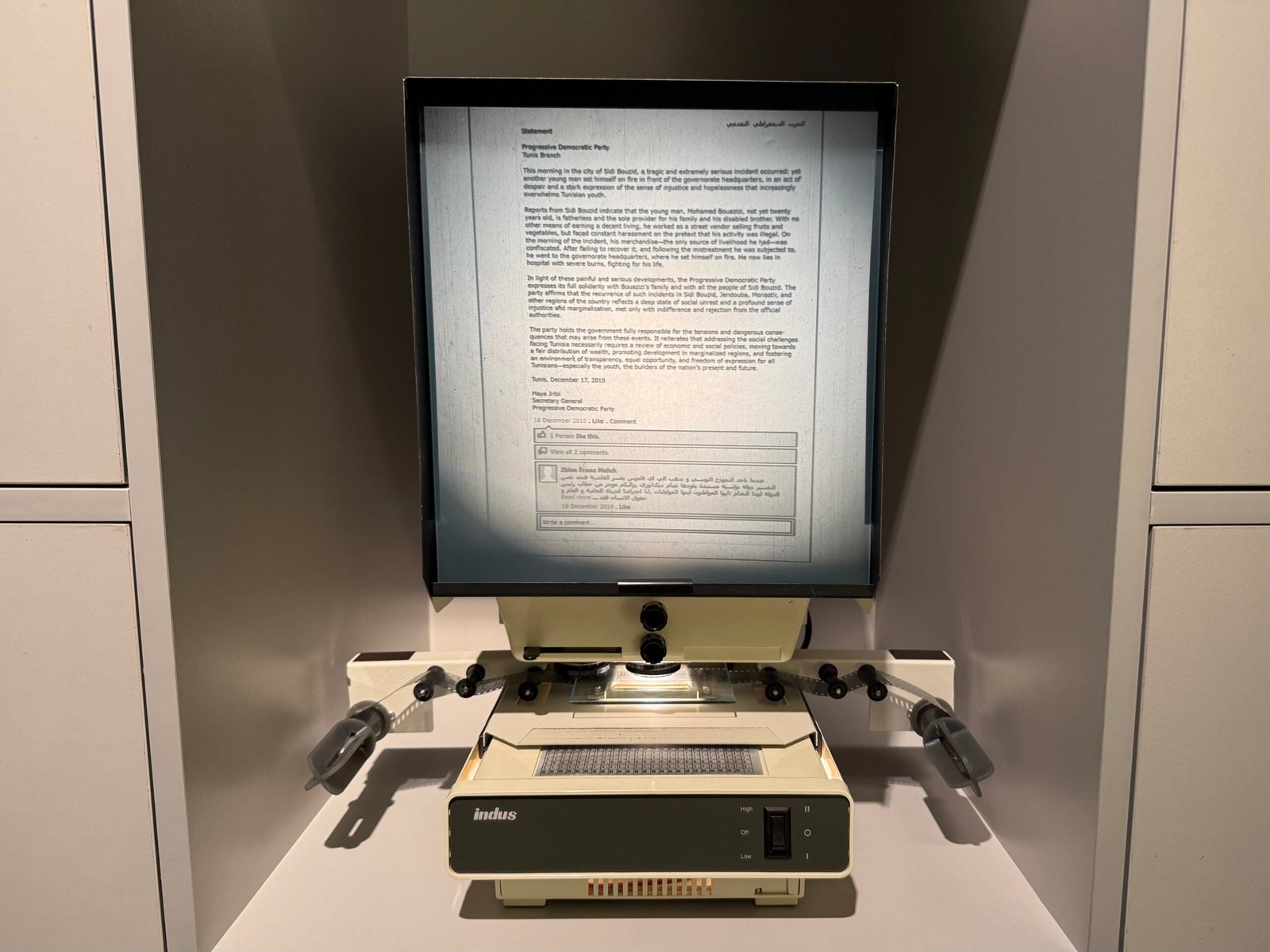
Once again, I was surprised to find out that the entry to the temporary exhibition in this fine museum was free at the time of my visit, though sources online said that one would normally have to pay up to 20 SAR for entry. In my case, I just needed to download the Webook app and book my visit through it. During October of 2025, there was an exhibition that utilized seldom used devices to tell stories about identity and politics in the Arab world, such as this microfilm reader that lets you browse through old Facebook messages from the Tunisian Revolution back in 2011. If you want to feel like a historian who uses such machines to study the materials at archives, you can do that here. Thankfully, I never had to bother with these things myself, not yet at least.
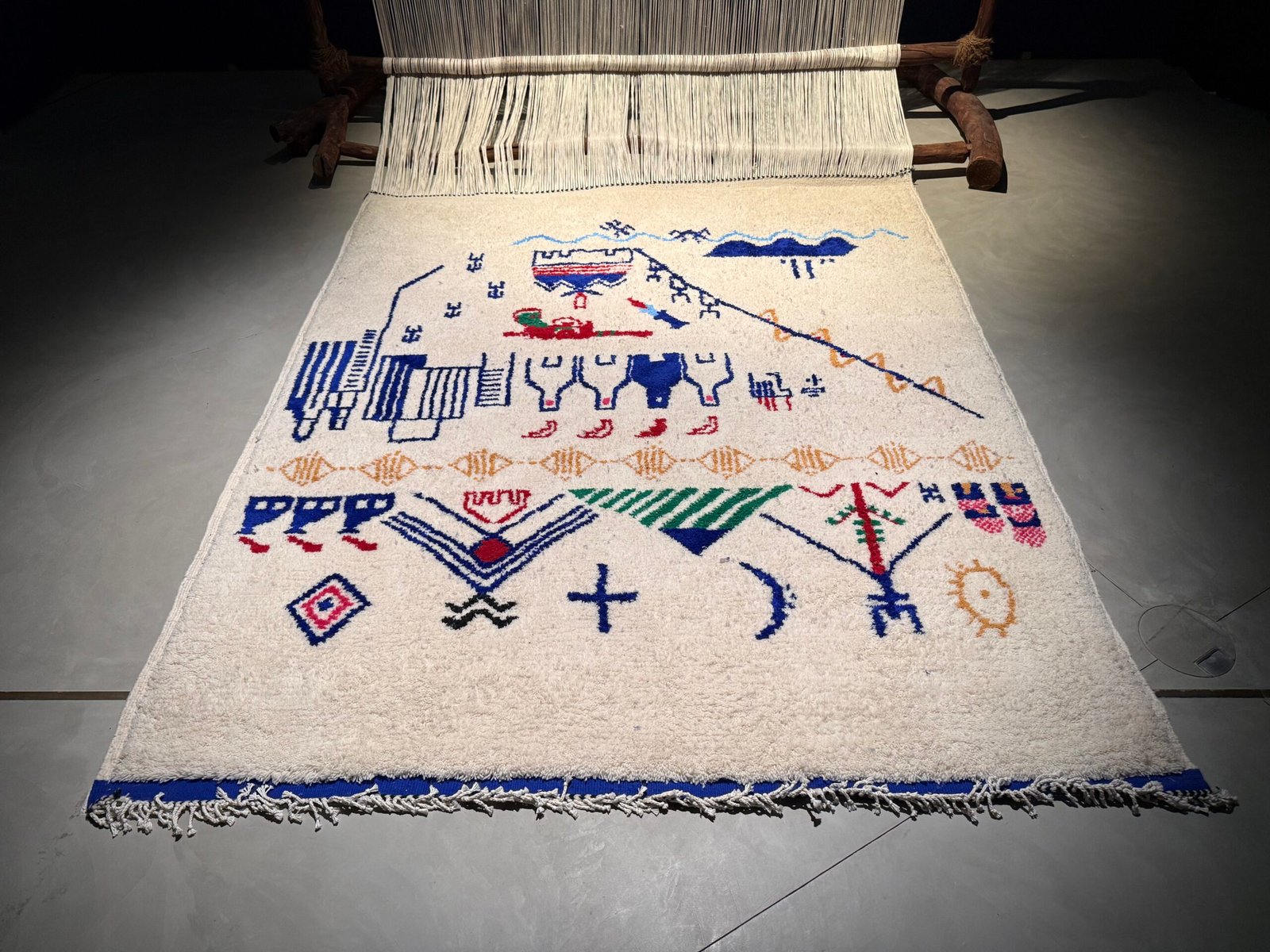
A particularly notable artwork came in the form of a woollen carpet that highlighted the experience of Algerian migrants in France. Here, the grandmother of the artist told about her journey to France through the imagery found on this carpet. Well, her voice turned out to be AI generated, since she passed away years ago, but it was at the very least made using actual recordings of her voice. I am yet to decide what I feel about AI use at large, and there was a lot of that in this exhibit. I suppose its use hardly warrants harsh criticism, especially when it is so clearly labelled as it was in this exhibit.
Riyadh Oases
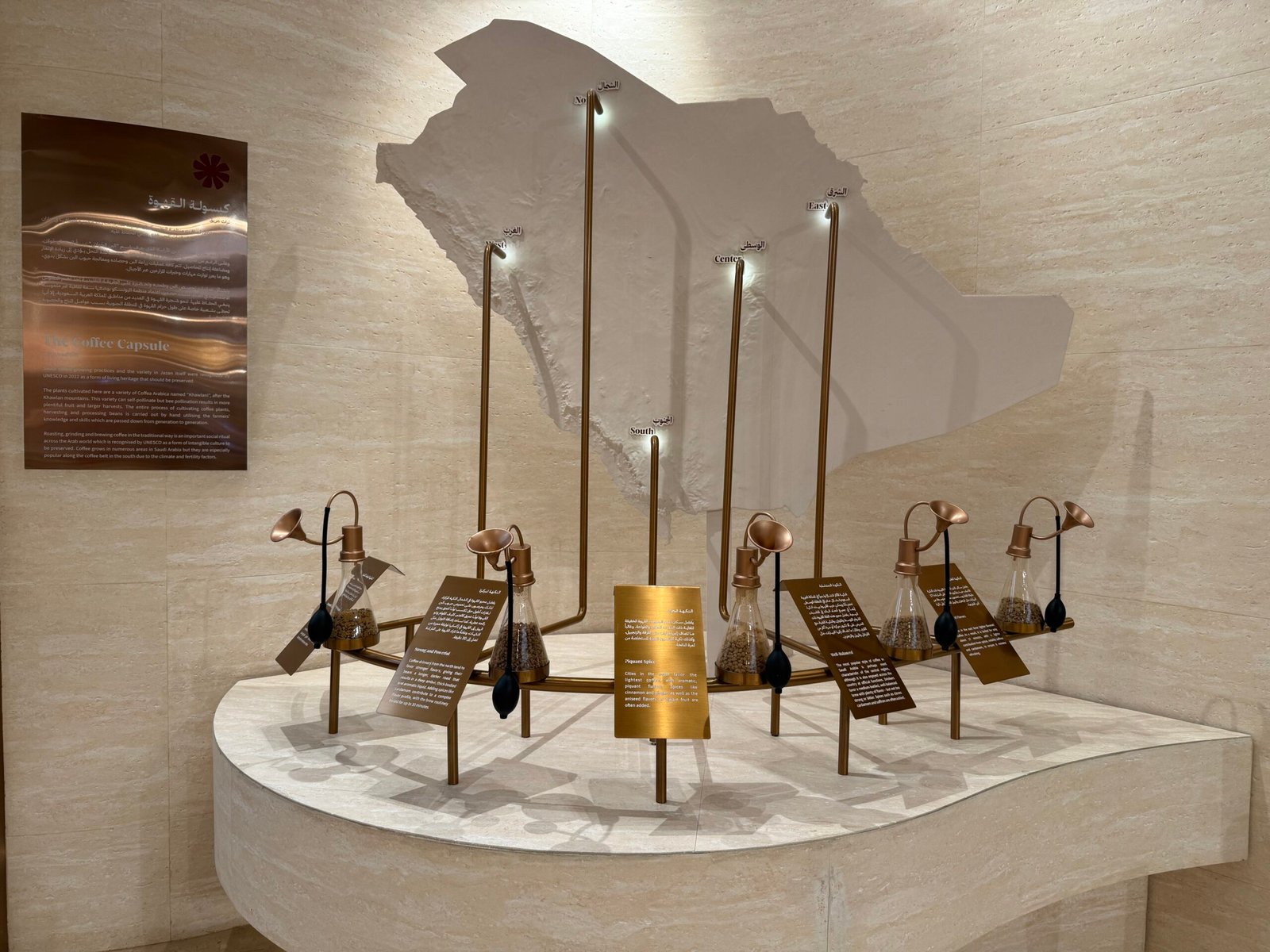
A final museum of sorts that I can recommend you all to visit in Riyadh is the Riyadh Oases. This place is interesting, as while you can somewhat enjoy it freely after booking your visit on Webook, you actually need to pay to see the main attraction, a domelike structure that is home to plenty of butterflies. I am not necessarily interested in butterflies, as I saw enough of those as a child in the mountains of Kastamonu, though it was interesting to see that there was a small exhibition dedicated to the role that coffee and honey plays in Arab culture. This little contraption, for example, allows you to smell different types of coffee that is popular across the Saudi state.
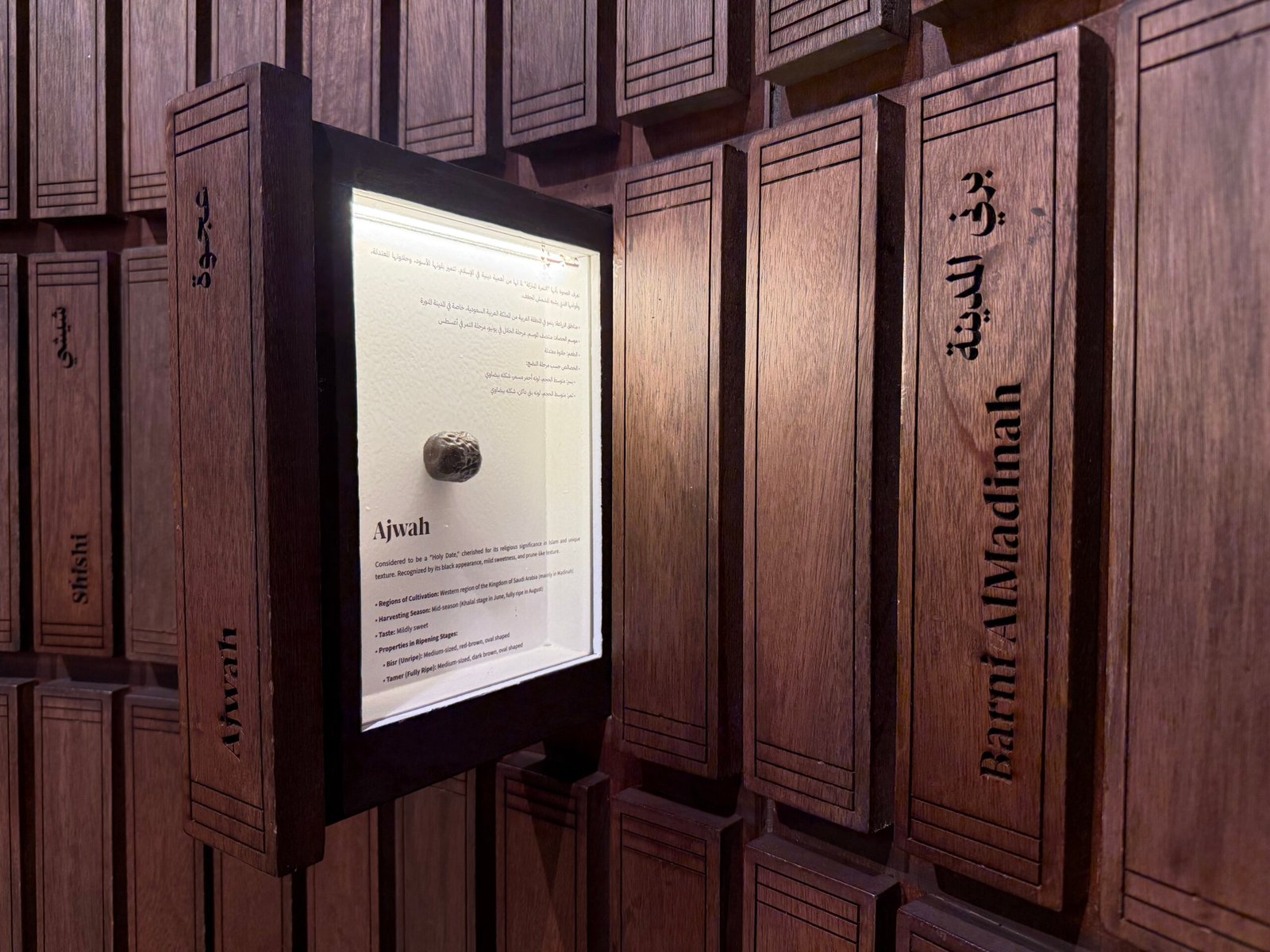
A small corner of this space was dedicated to different types of dates that grow in the Kingdom. I love dates, and anything made using dates, so I spent an awful lot of time here, and possibly frustrated the families that waited just outside for me to finish up checking out all these different varieties of dates. This place can get pretty busy, unlike all the other museums I visited in Riyadh, so do be aware.
To finish on a high note, while I enjoyed the museums I visited in the Saudi capital near the end of 2025, the museum scene in Riyadh will only get significantly better in the coming years. As part of Saudi Vision 2030, the government is spending billions of dollars to turn Riyadh (and many other Saudi cities) into attractive destinations for tourists of all kinds, and this includes building of new museums and art galleries. This is why, I intend to be eventually back to the Kingdom and hopefully update this list of mine as necessary.