
There is a lot to do in Sarajevo, but there is even more stuff to do just around the corner. While there are plenty of interesting towns that you can get to as daytrips from the Bosnian capital, there are also numerous natural wonders that you can visit in a single day, from the comfort of your stay in Sarajevo. This week, I will cover one such wonder, the gorgeous Skakavac Waterfall.
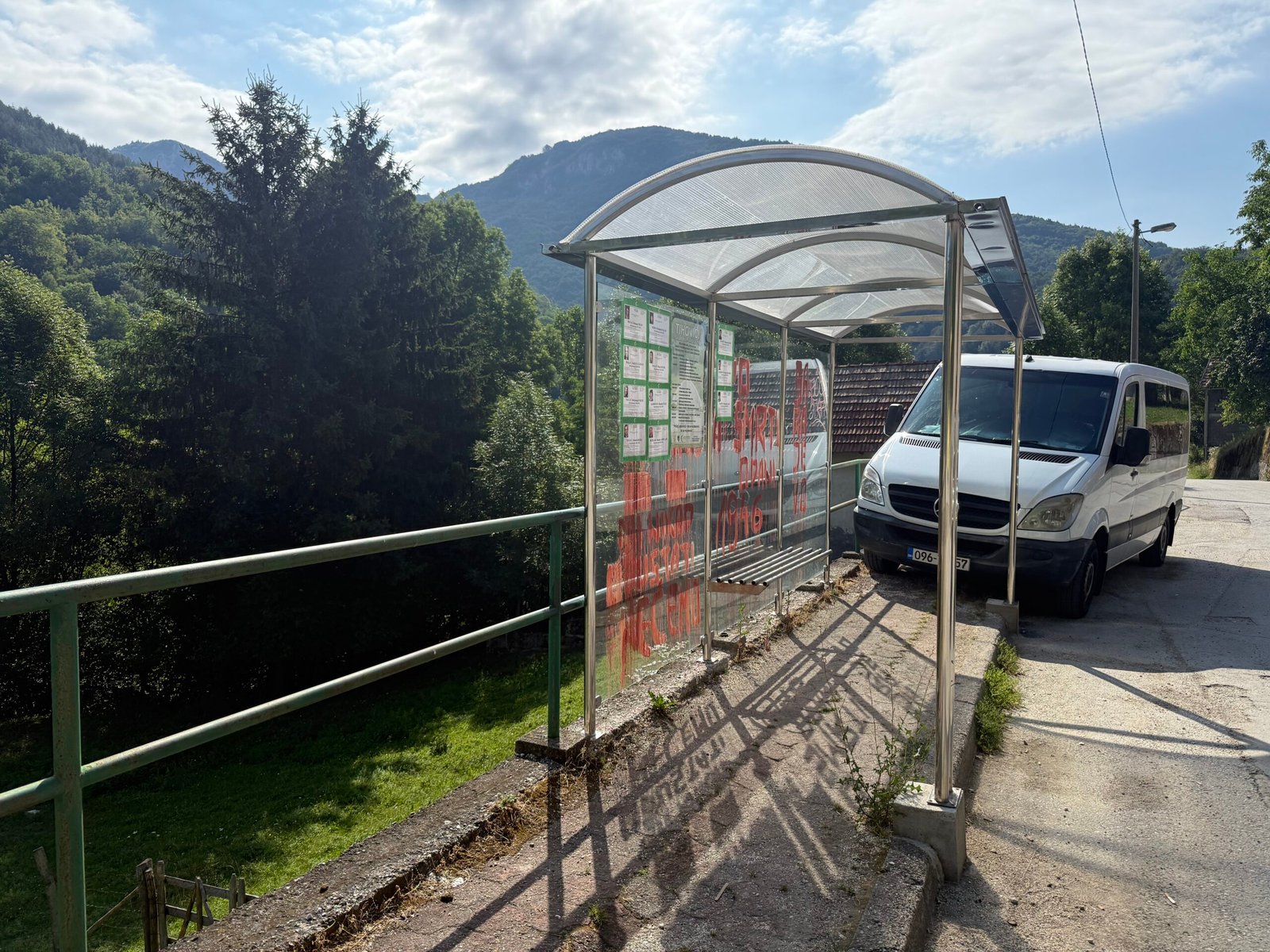
While there are many open green spaces to enjoy near Sarajevo, these almost always need a car to access. What separates Skakavac from those other destinations is the fact that you can enjoy this trek somewhat conveniently using the public transport.
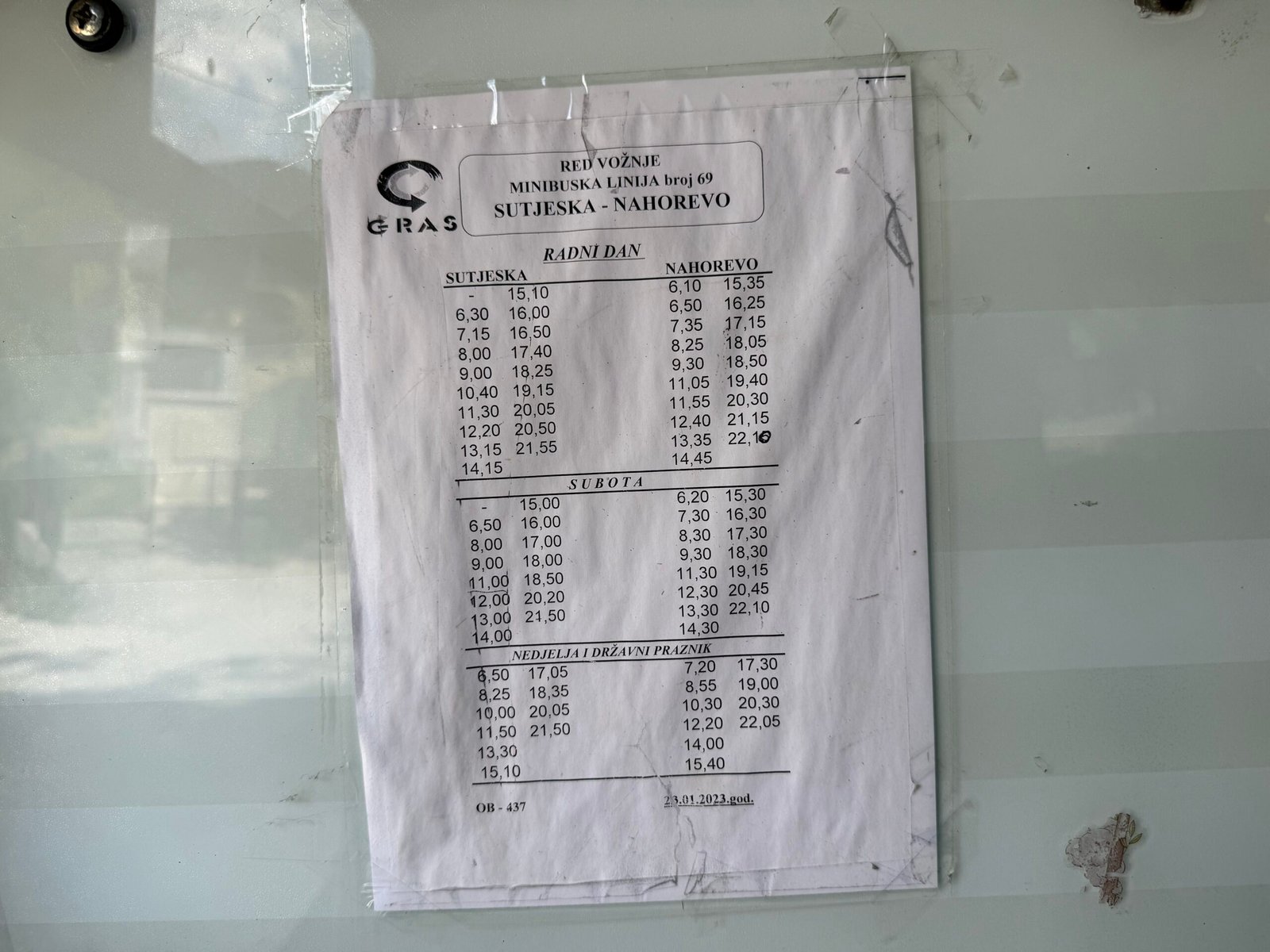
In order to do so, you need to take bus number 69 at Sutjeska bus station. This ancient timetable turned out to be quite correct when I took this bus in July 2025. It may, hopefully, work for you as well. However, in case it does not, you can find one on display in the bus stop itself.
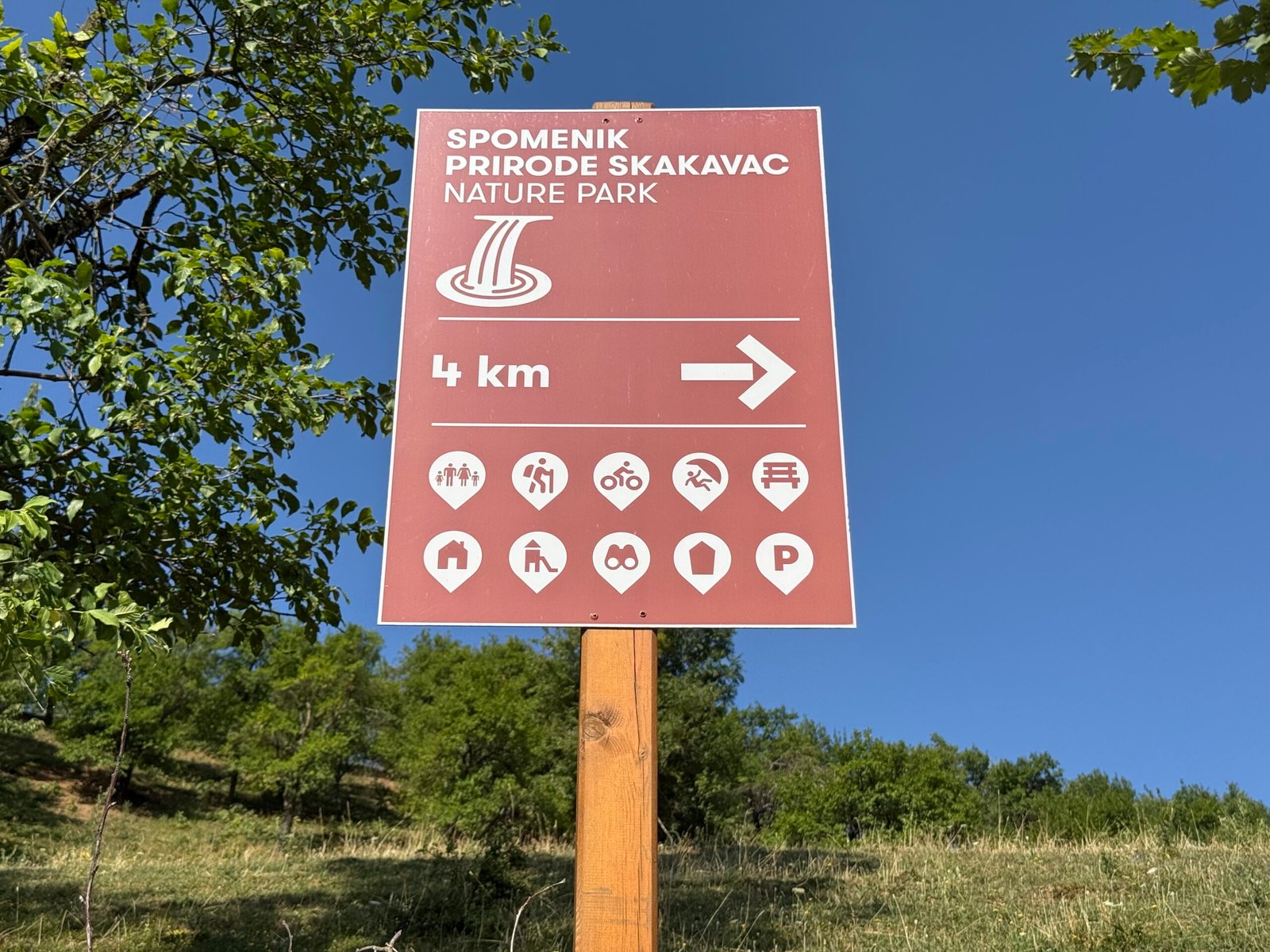
You need to pay the usual 2.20 BAM fee to enjoy the bus ride, which takes around half an hour to get you to its last stop, the village of Nahorevo. You see, Nahorevo is not Skakavac, and that is why I said that taking the public transport is only somewhat convenient. You will need to walk up a road for four kilometres to get to the start of the actual hiking area.
Under normal circumstances, four kilometres is nothing. In that particular day, I ended up coming close to walking 25 kilometres anyways. Unfortunately, this is not a particularly enjoyable road. There is very little cover from the sun, cars are constantly going up and down the hill, and with the road being this tiny, they do get uncomfortably close to you all the time.
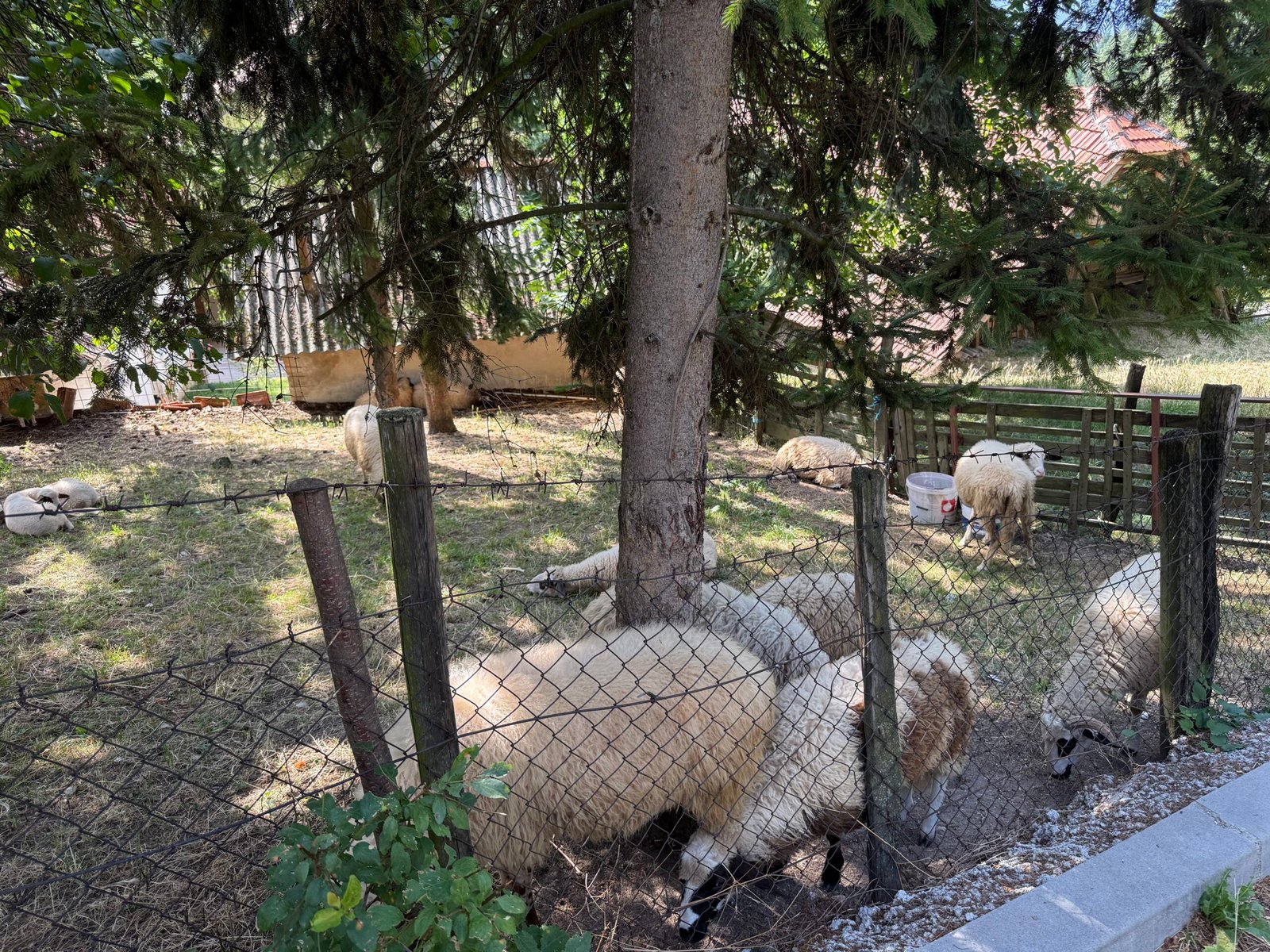
As you go uphill, you will come across a few small villages, where houses with gardens and barns are a common sight. Unfortunately, most people also have dogs protecting their property, and some of these will bark at you regardless of how far away you may be.
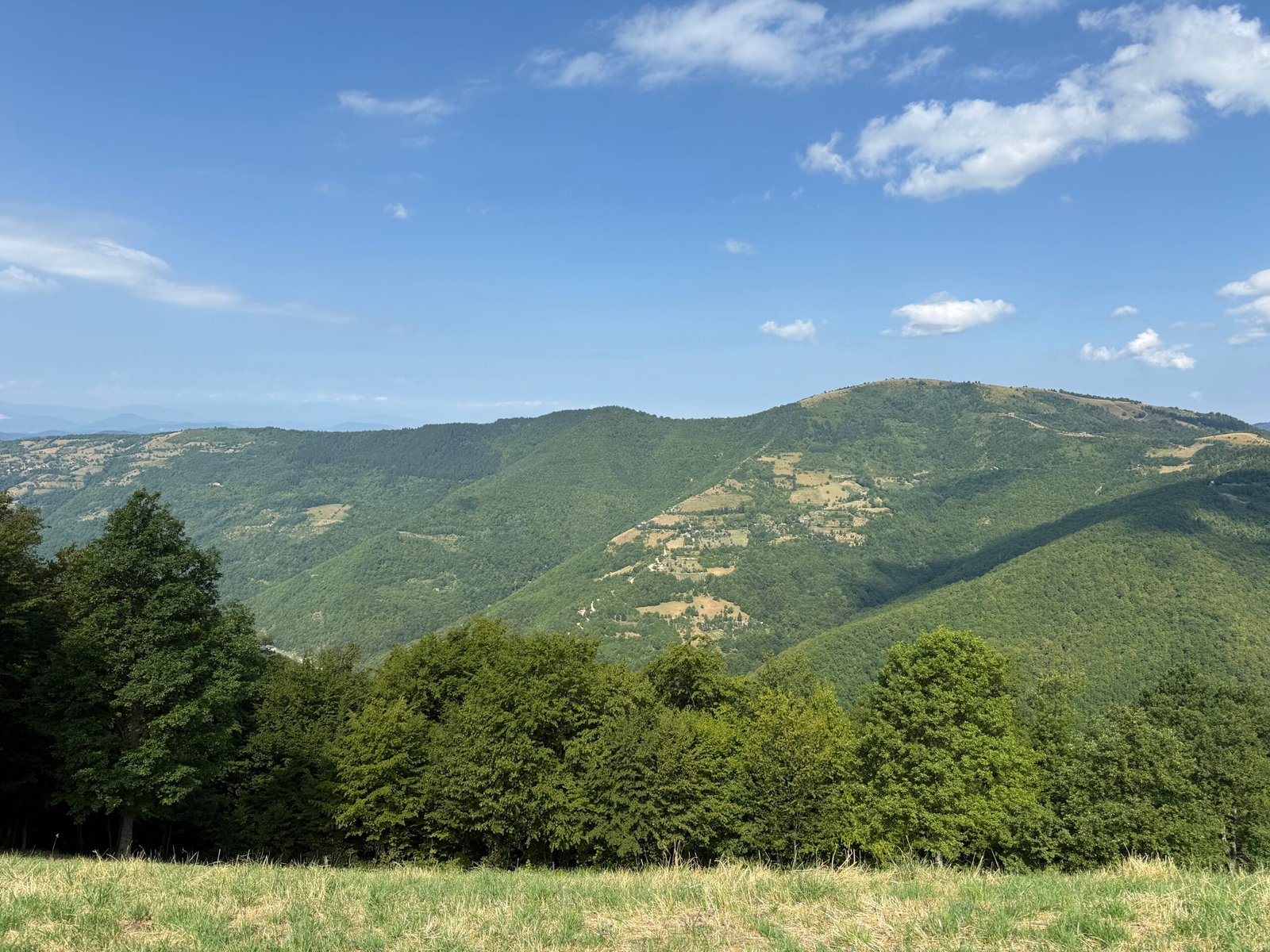
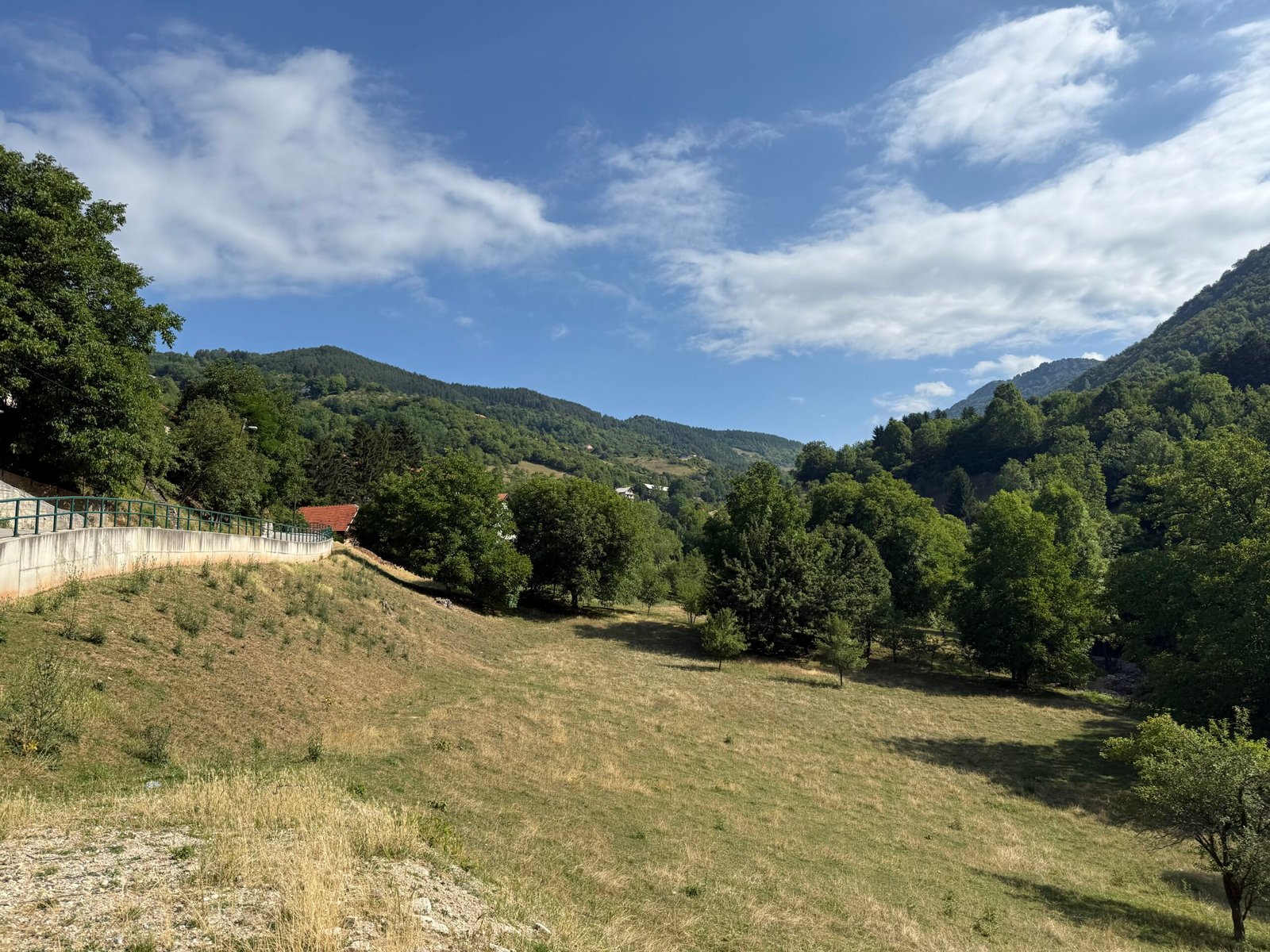
With that being said, this part of the trip was quite enjoyable at times. You will find lovely scenes like these on both sides of the road during half of your journey. The way back was also noticeably easier since, well, you go downhill instead of climbing the mountain.
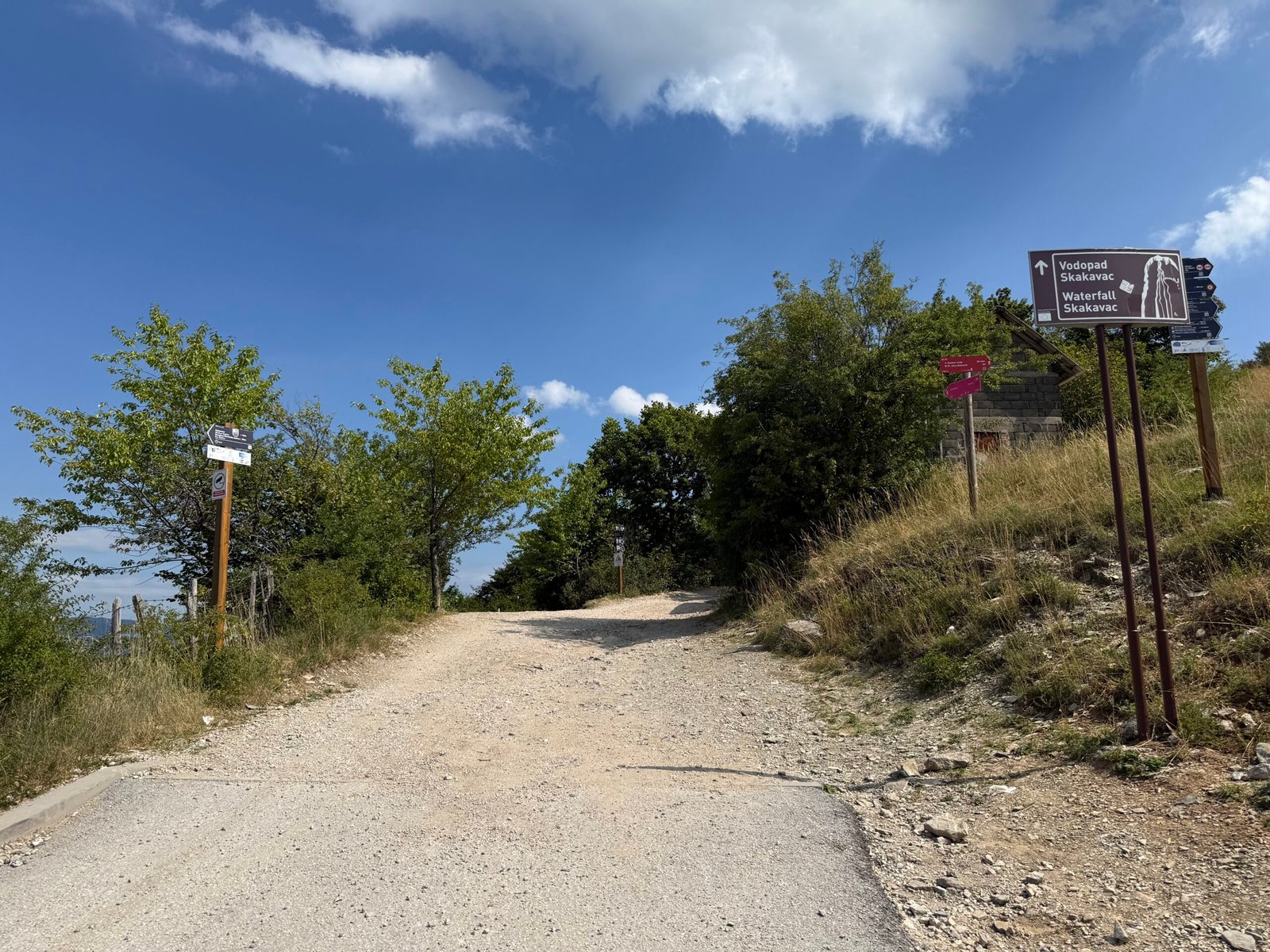
Eventually I arrived at the beginning of the actual hiking area and found it to be empty. That was no coincidence. The way I heard it, people start arriving a bit after 10 a.m. in most cases, and I was there by 9 a.m. instead. That is why I did not run into anyone on my way to see the waterfall, and spent some time around it peacefully.
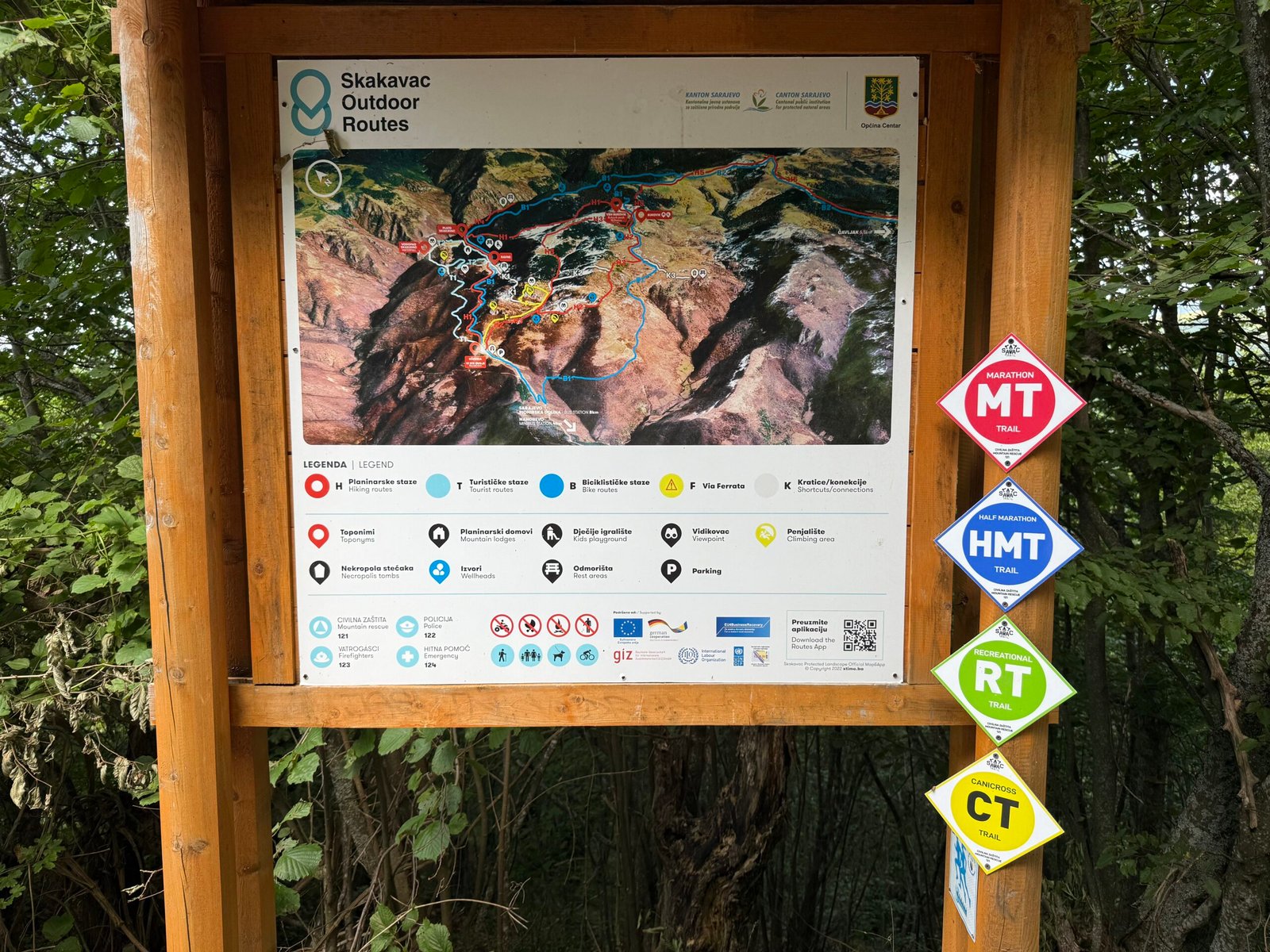
Speaking of the waterfall, it is not the only thing worth seeing in this gorgeous national park. There are plenty of different tracks to choose from. Some get you close to particularly good views, some are towards resting areas, some others lead to ancient tombs and ruins, and so on. I chose the waterfall option. After all, this was a very hot summer day, and nothing sounded as good as visiting a waterfall at the time.
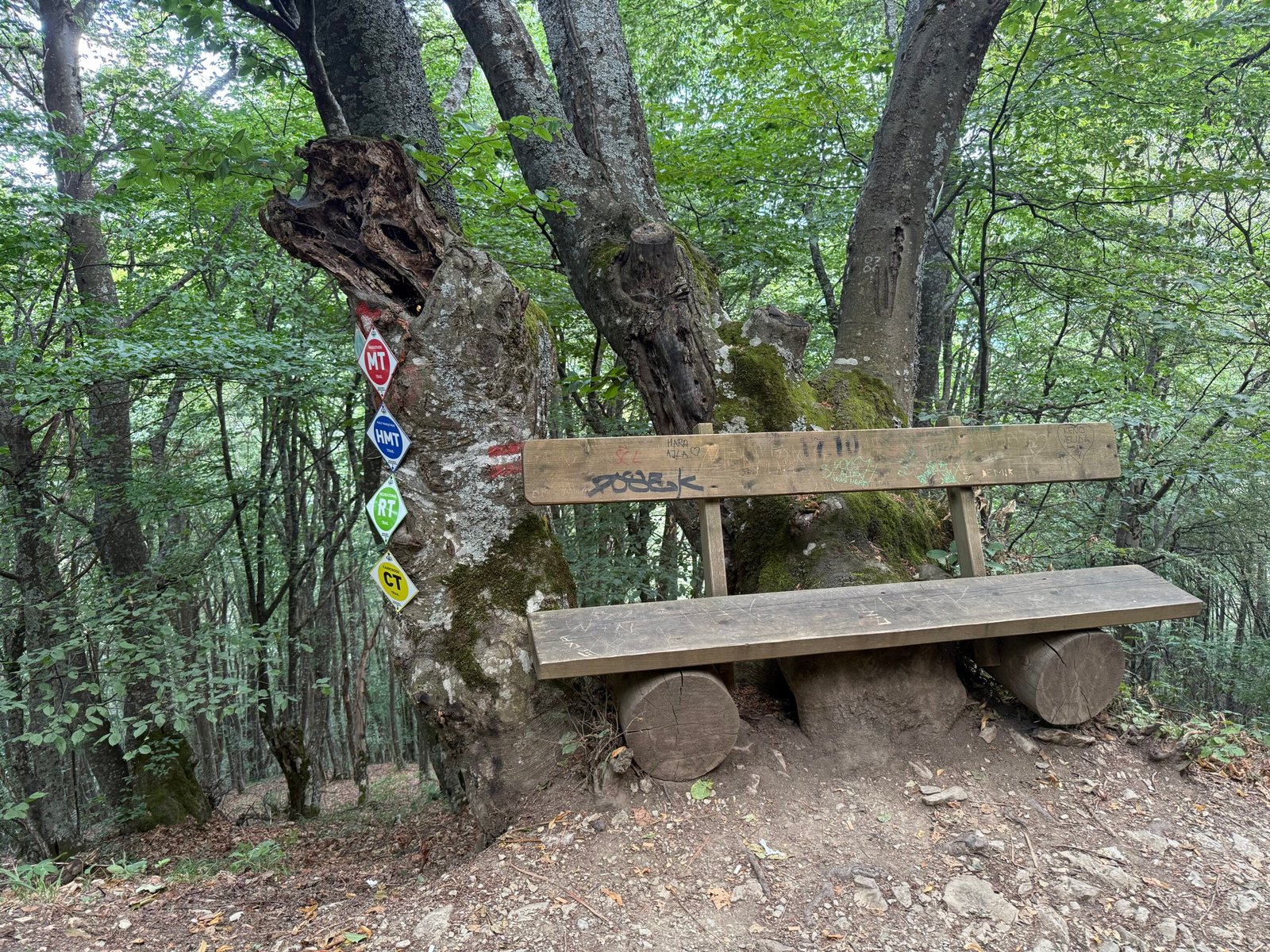
The route that leads to the waterfall is designated as a tourist route and has certain amenities that the harder tracks do not always have. For example, you can find a few benches like this as you walk to your target destination. While the park is left rather natural for the most part, a few well-placed comforts like these do make your trek more enjoyable.
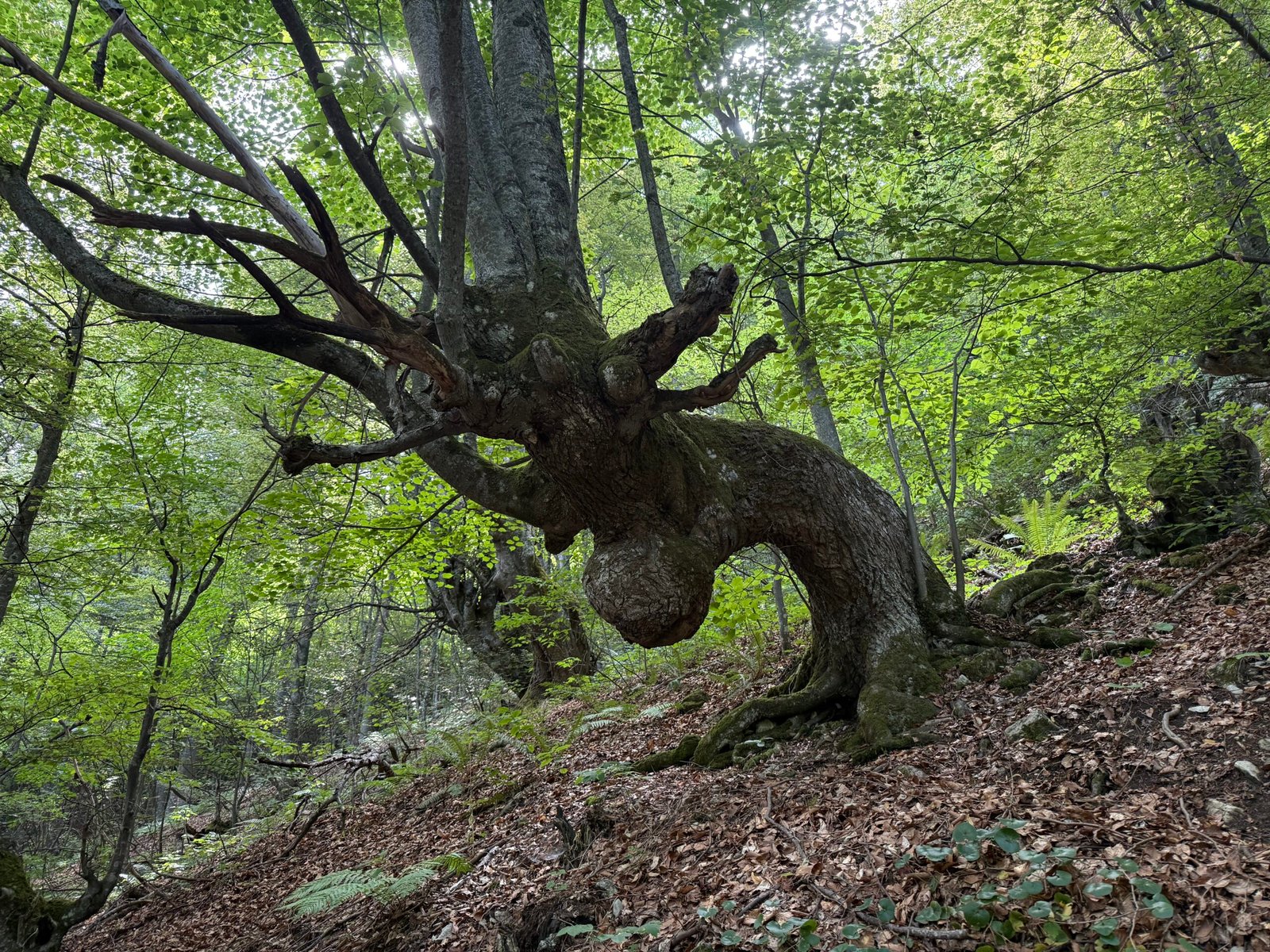
Nevertheless, for the most part, this is really all about being completely surrounded by nature. There were a ton of birds, somewhere, hiding in the canopy when I was walking there. Their chirping accompanied me all the way up to the waterfall, though frankly, I could never tell whether it was really up or downhill from where you start.
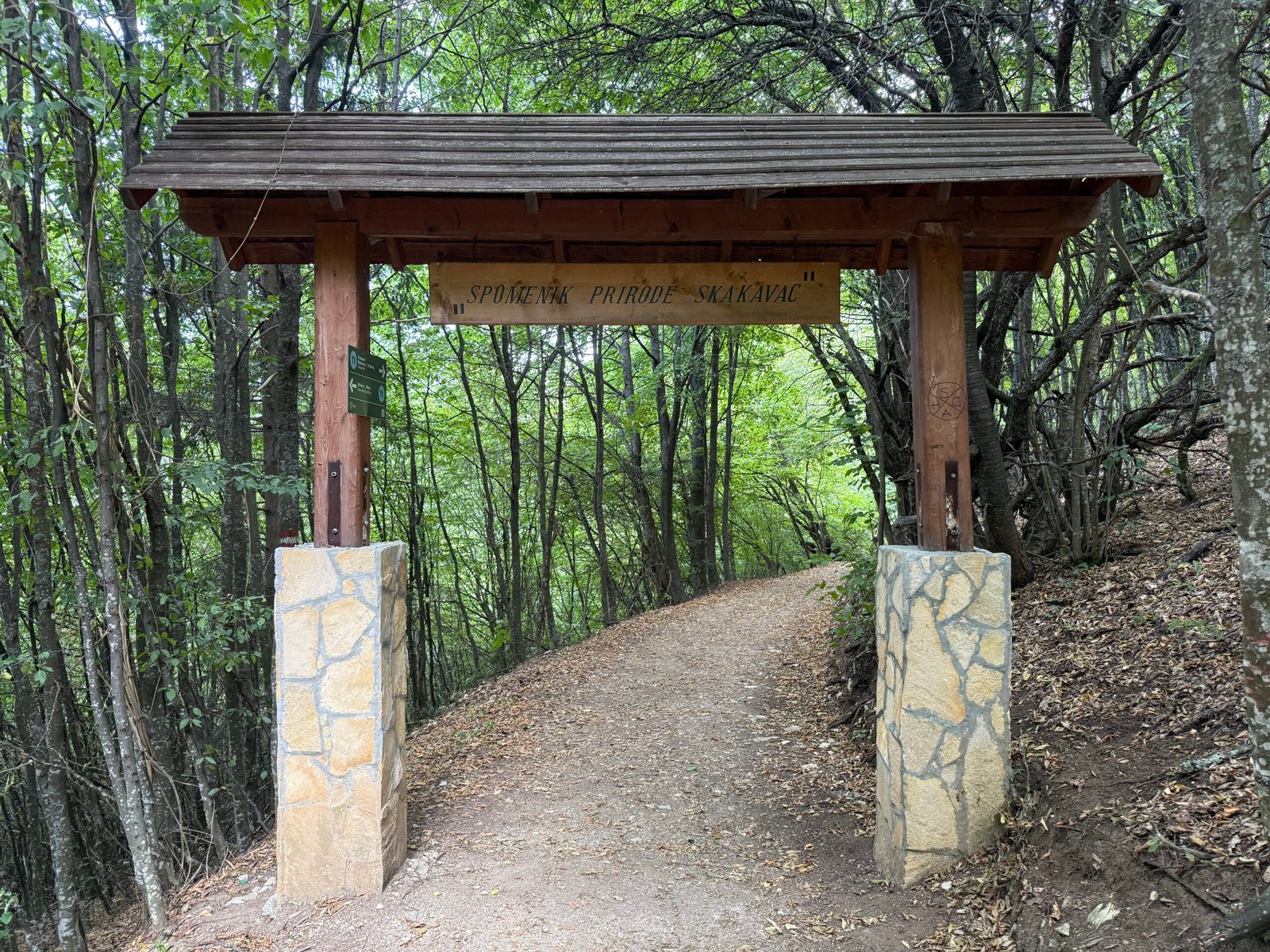
That is because, while it is apparently considered a climb, you do go up and down quite often during this hike, which takes another four kilometres or so. It is not too demanding as I have seen people with kids doing this trip, though I have not seen any actually old people attempting this hike. Just for your information.
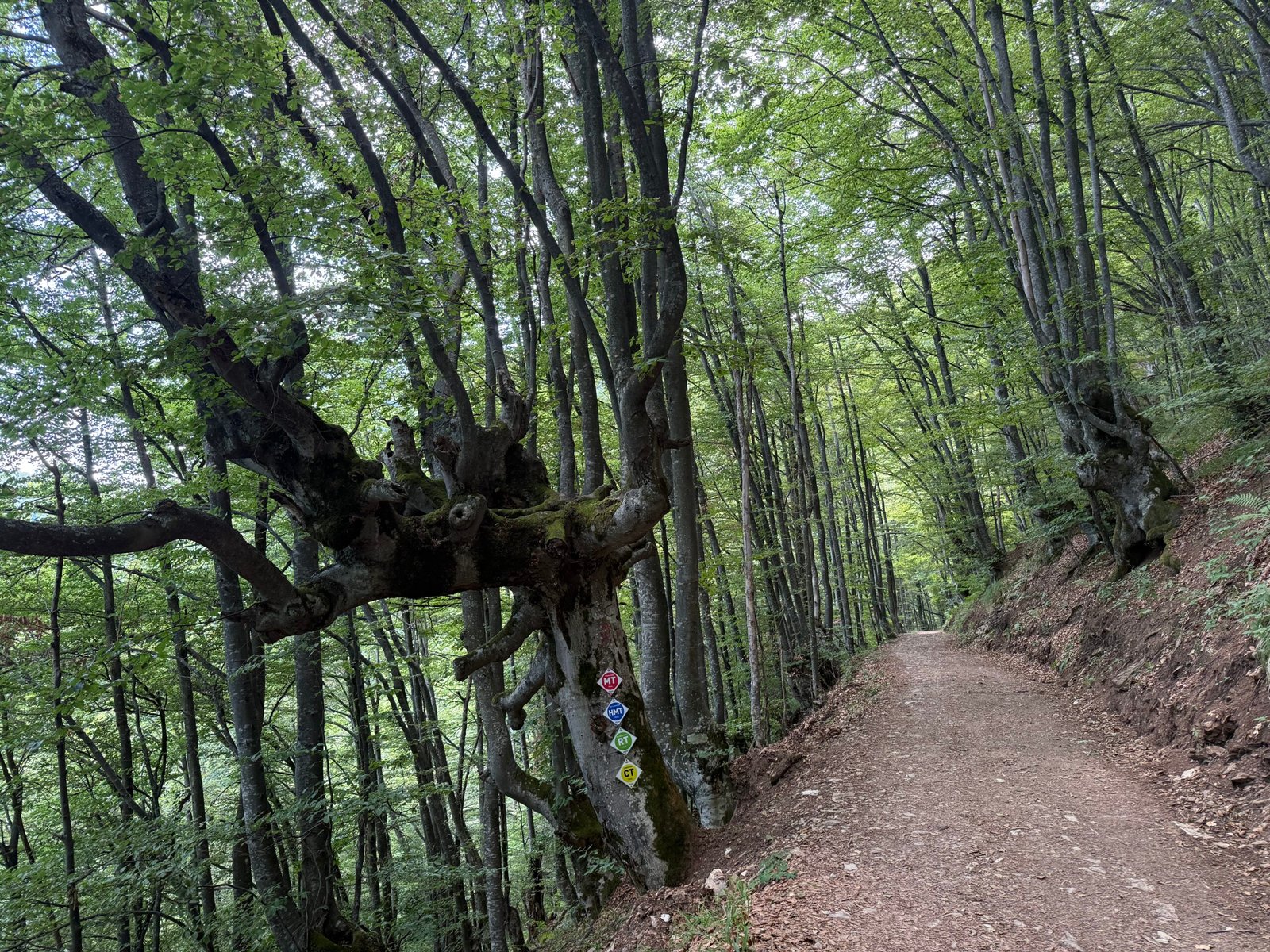
While this route is not particularly exhausting, it is really the uneven and narrow passages that make it a bit uneasy to follow at times. Some sections are fit for only one person, and feature stones that have the insane ability to fall right on your feet as you try to make your way through. For obvious reasons, I did not actually photograph any one of these narrower passages.
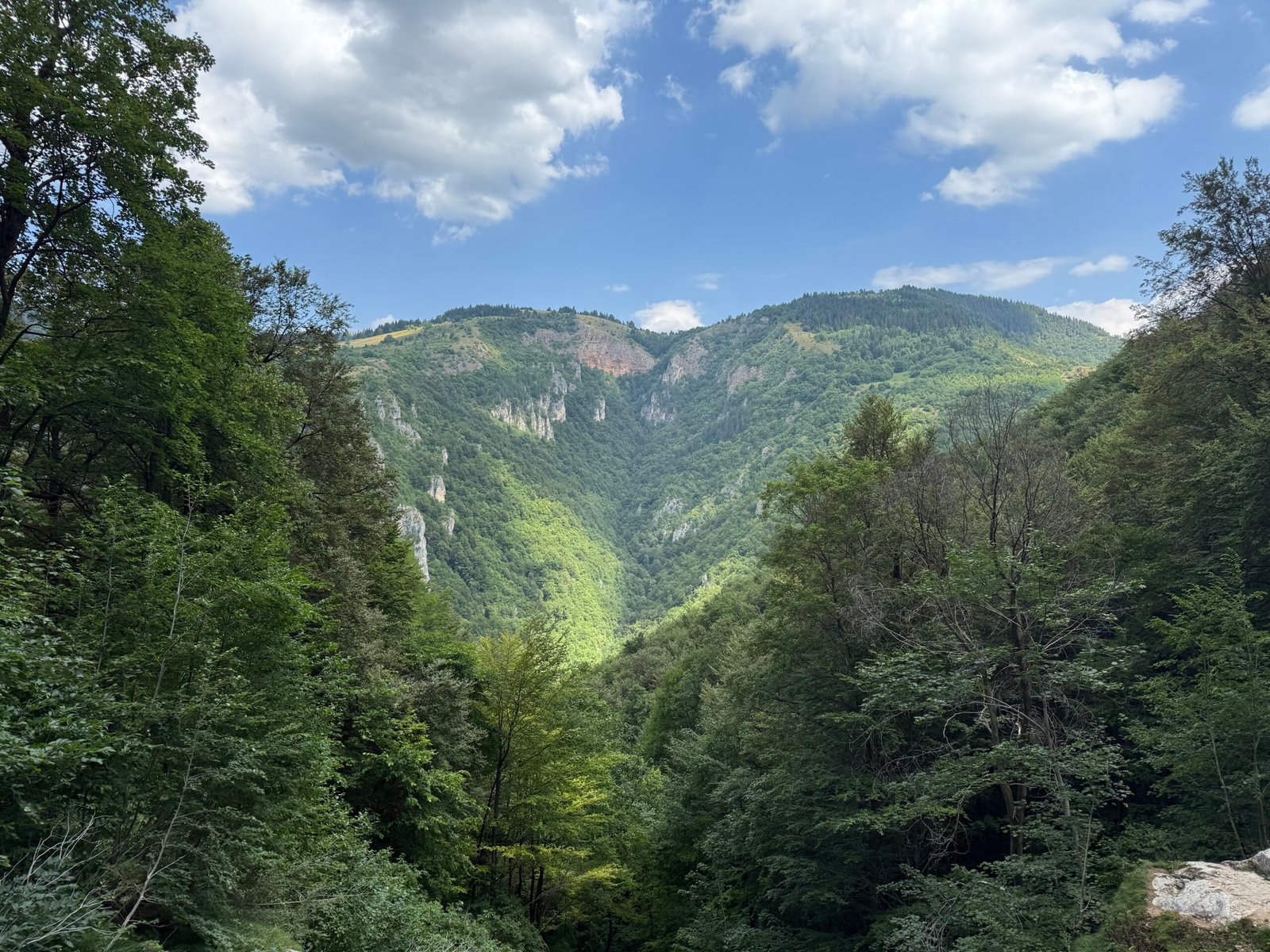
Regardless, your efforts will be rewarded thoroughly once you are done making your way to the waterfall, so much so that despite hearing its surprisingly soothing roar, I forgot to check out the actual waterfall when I was met with this scenery at the end of the road.
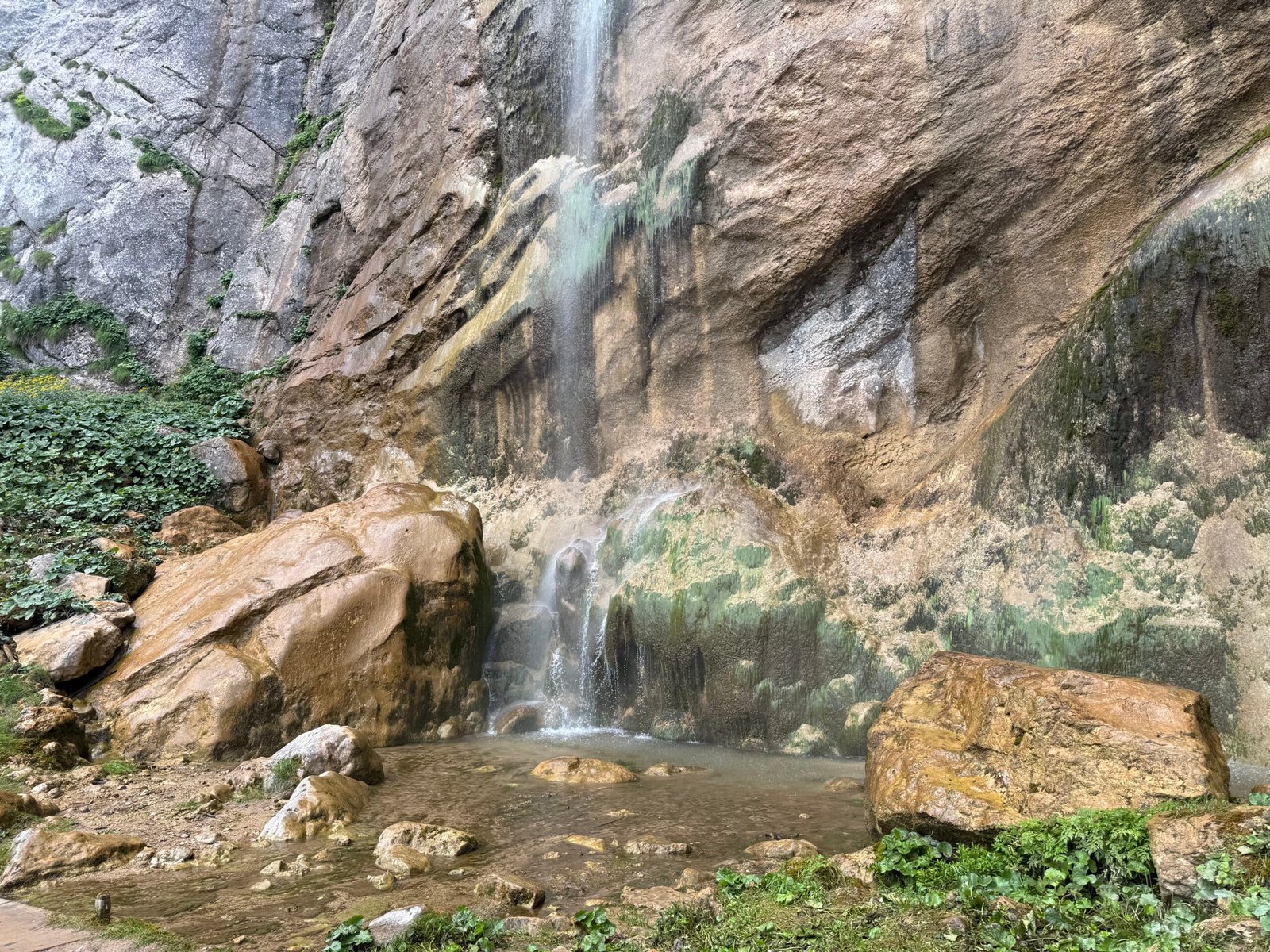
Eventually, I did look behind to see the waterfall in all its glory. This is the small pond was created by the waterfall, which pours down to form smaller waterfalls downstream. Weather here was noticeably cooler, which is always appreciated.
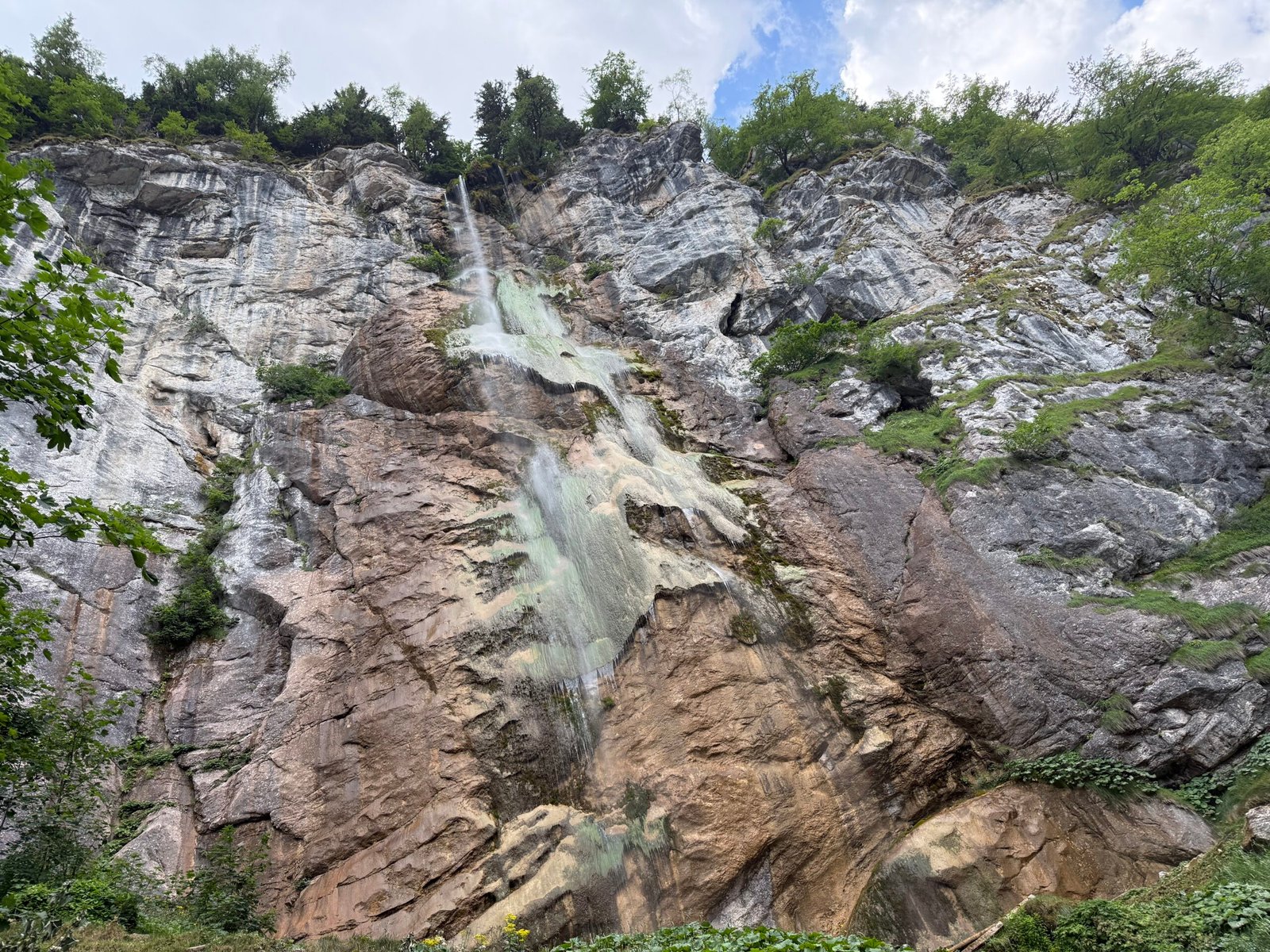
While Skakavac Waterfall was not the biggest one I saw to date, it was certainly one of the tallest. Coming close to one hundred meters, this is a natural wonder that is a bit difficult to capture on camera. You will just have to take my word for it and know that it does look significantly mightier in real life.
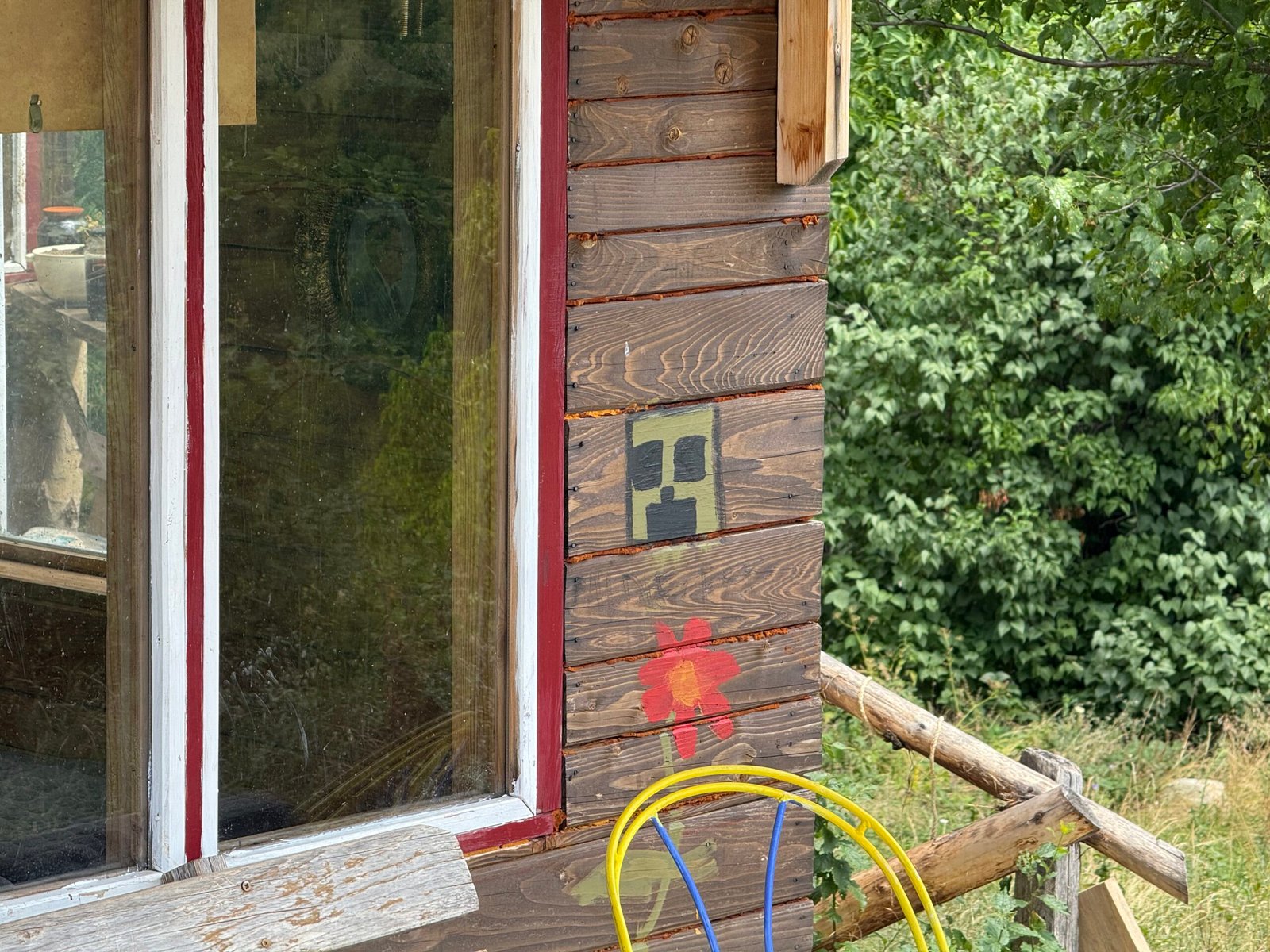
After spending half an hour or so sitting around and being soaked by the waterfall, I decided that it was high time I returned to Sarajevo. I was famished and needed a lunch break. On the way back, I ran into many other hikers and eventually found out that the makeshift car park at the entrance of the national park was already full. More importantly, by the time I left the waterfall the sun was about show its face behind the mountain, so for many good reasons, it is best to visit Skakavac as early in the day as possible. After finding a random creeper face painted on the side of a building near the entrance of the park, I started to go downhill to catch a ride back to Sarajevo.
On my way back to the entrance of the national park, an Arab couple asked me if the hike was worth it. They seemed like they needed some words of encouragement. I said that it was well worth it, and they will love the waterfall. This is a fact; I do think that most people would enjoy the actual hiking part of this day trip. However, I must be honest and admit that doing it the way I did is not for everyone. You see, those four kilometres that separate the bus stop from the national park are not the only problem that comes from attempting this trek by using public transportation. The bigger problem is the fact that there are no actual services atop the mountain, at least not on the tourist route that I traversed. There are not any markets, any vendors, any automats, any restaurants, nor any garbage bins. I did something risky and just did the entire hike with a one litre bottle of water, and that was an insanely poor decision, as I was actually starving and dehydrated by the end of the hike. Using an actual back bag to carry some essentials on me would only make the four-kilometre stretch under the sun even less bearable, so that did not sound like a better alternative in my mind as well. Maybe in springtime this whole journey would have been more enjoyable, as long as I packed accordingly. However, if you visit the region in summer, either try and hitchhike the last four kilometres, or just rent a car to visit the national park properly. The latter is not cost effective, I know, but that way you can see all that Skakavac has to offer and would not actually worry about running out of food and drinks or finding a garbage bin. In short, while it is certainly doable, I cannot recommend it to anyone to do this hike in the way I did if you have the means to do it more comfortably. If the park was at least a bit more developed going there a bit unprepared likely would not be an issue, but it is not developed in the slightest, not yet anyways.