
Sarajevo is an exceptionally beautiful city. Surrounded by rolling green hills on both sides and divided by the ever so beautiful Miljacka River in the middle, there is no shortage of natural beauty in this town. Unfortunately, the same cannot be said for the urban parts of the Bosnian capital itself. Despite being choke full of architectural wonders and friendly locals, visiting Sarajevo feels like being stuck in a never-ending funeral today. There is a reason for that. During the height of the Bosnian War, Sarajevo suffered a 1425-day long siege which lasted from 5 April 1992 to 29 February 1996.
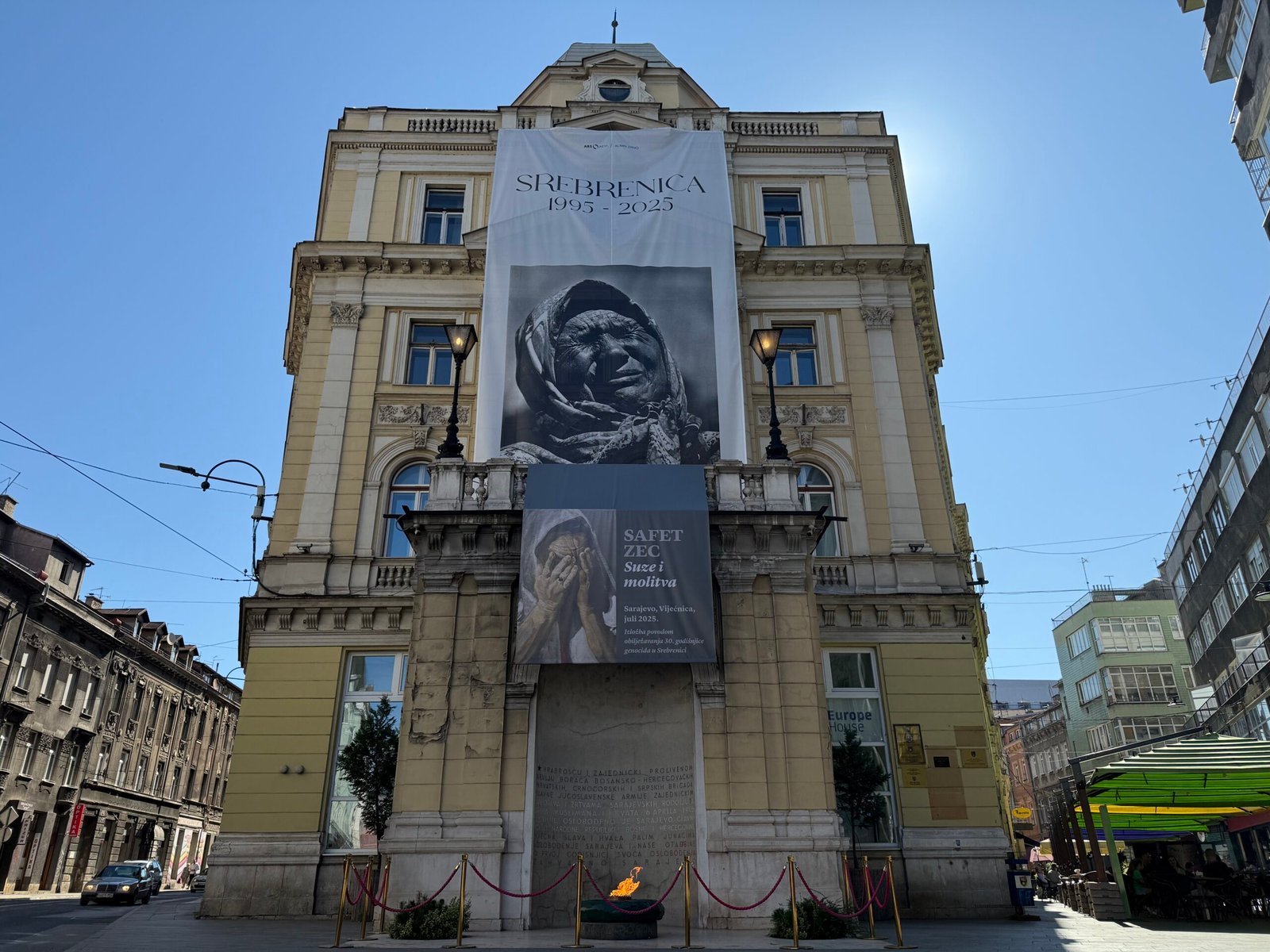
In many ways the Yugoslav dream died with the death of Marshall Tito in 1980, though some would say that it died earlier on in 1970s. Nevertheless, by the time Tito passed away, the writing was on the wall. The spectre of nationalism was lurking around the Balkans just as it did a century ago, biding for its time to claim more lives. People like Slobodan Milošević chose to rely on a more nationalist rhetoric than a socialist one, further dividing the already fractured Yugoslav polity and its army. Especially the latter still tried its best to keep the socialist federation from falling into disarray and resorting to tribalism as best as it could, alas it failed in its mission. The failure of the Yugoslav state to ensure its survival and the readiness of the capitalist ‘free world,’ that wished to exploit the capital in yet another part of the globe, in aiding in its destruction caused unimaginable horrors to take place in the Balkans in 1990s. These included war crimes, massacres, and the displacement of millions of people, those that were lucky enough not to be outright murdered during this period of extreme violence.
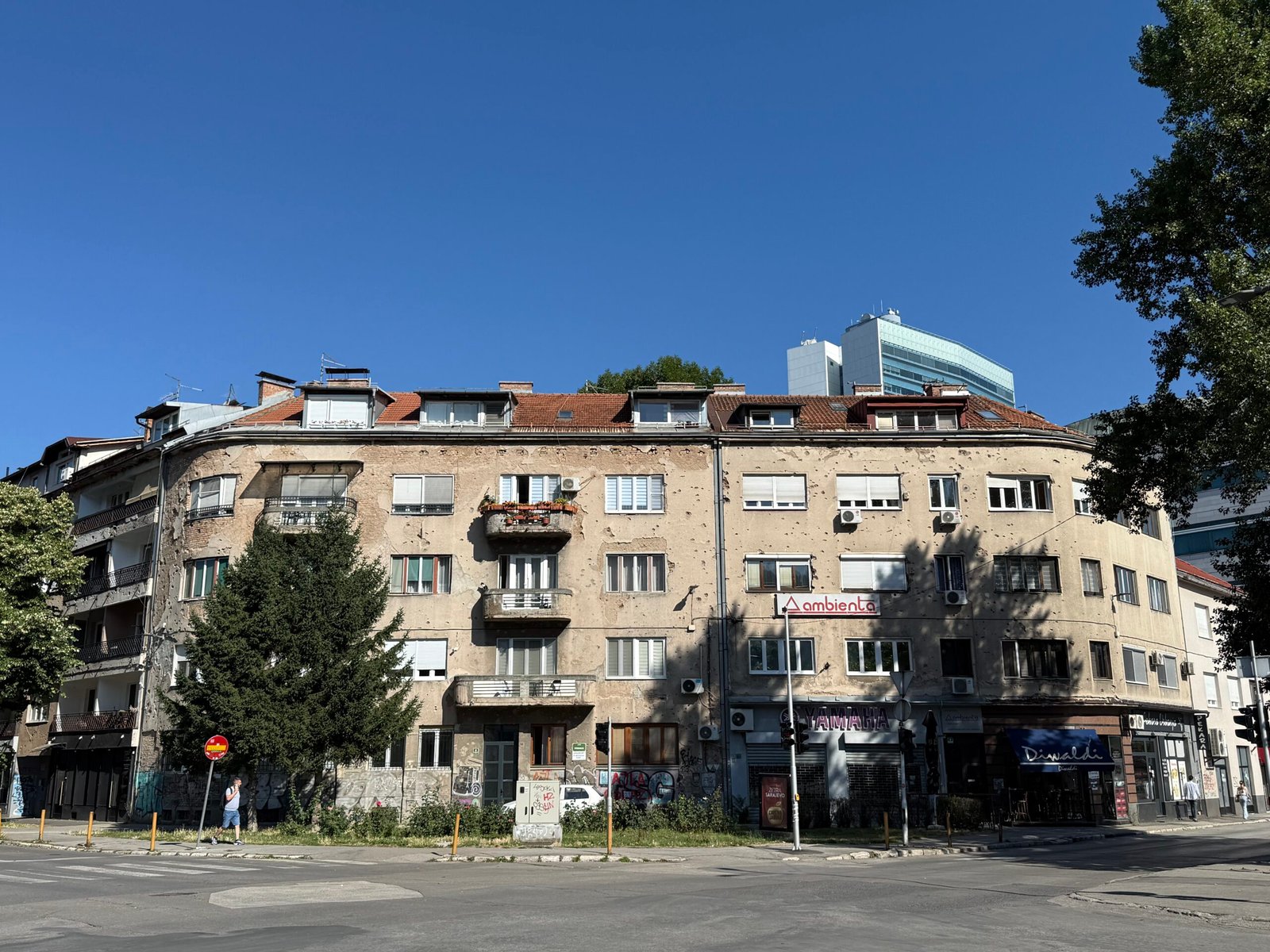
While all the constituent states of Yugoslavia suffered to a degree, I am yet to see a single city that suffered from these hostilities as much as Sarajevo did. At times, you can walk for multiple blocks before running into a single building that does not have damage on its walls, ones that are caused by gun shots and artillery barrage.
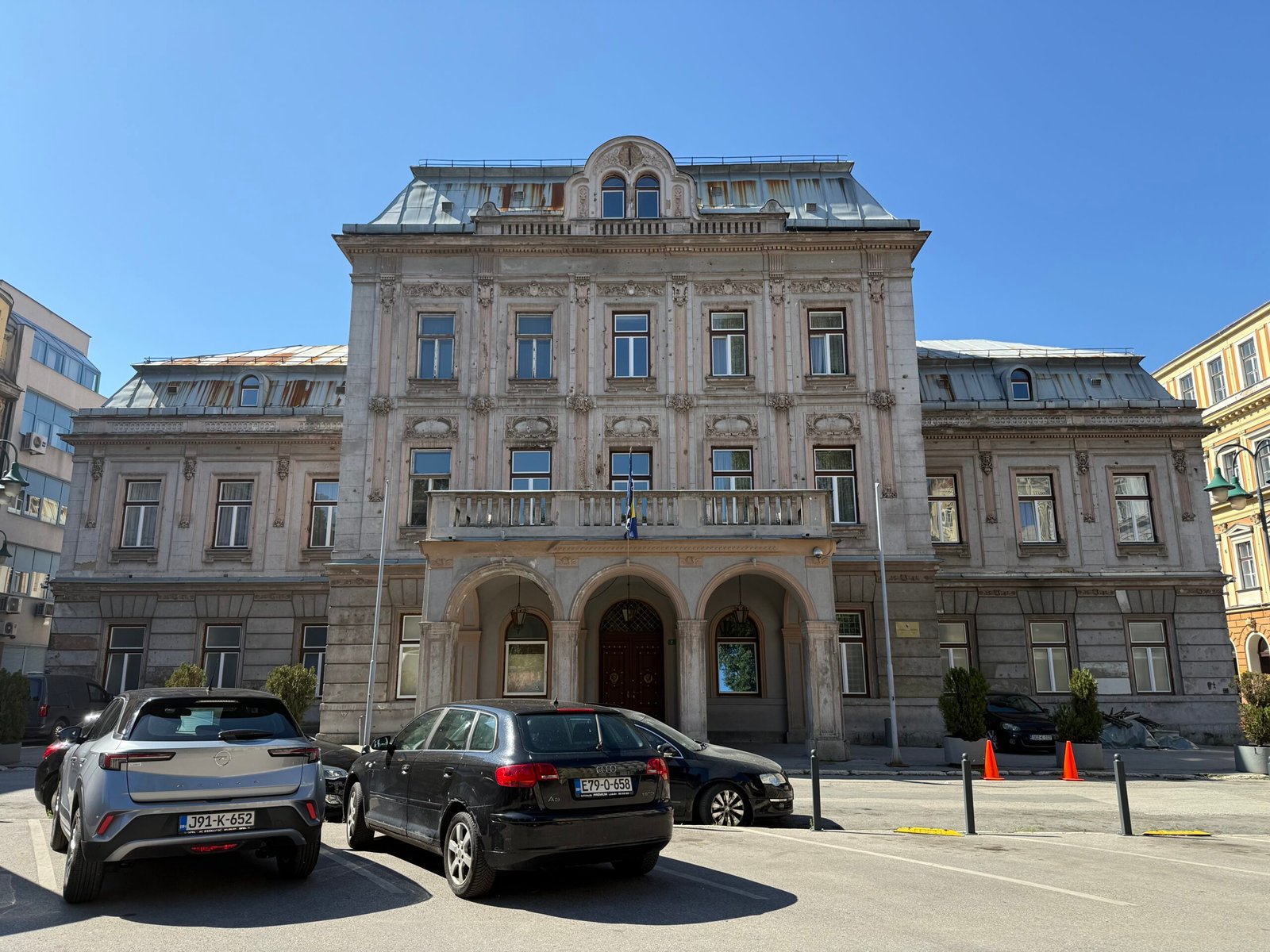
Some of the older buildings, such as the current Armed Forces of Bosnia and Herzegovina Hall, fared better than the others. Due to the material that was used to build them, shots from mere small guns did not seem to impact their usability all that much. Unfortunately, many locals had to leave their apartments entirely, after a particularly strong skirmish in the area left them completely unusable.
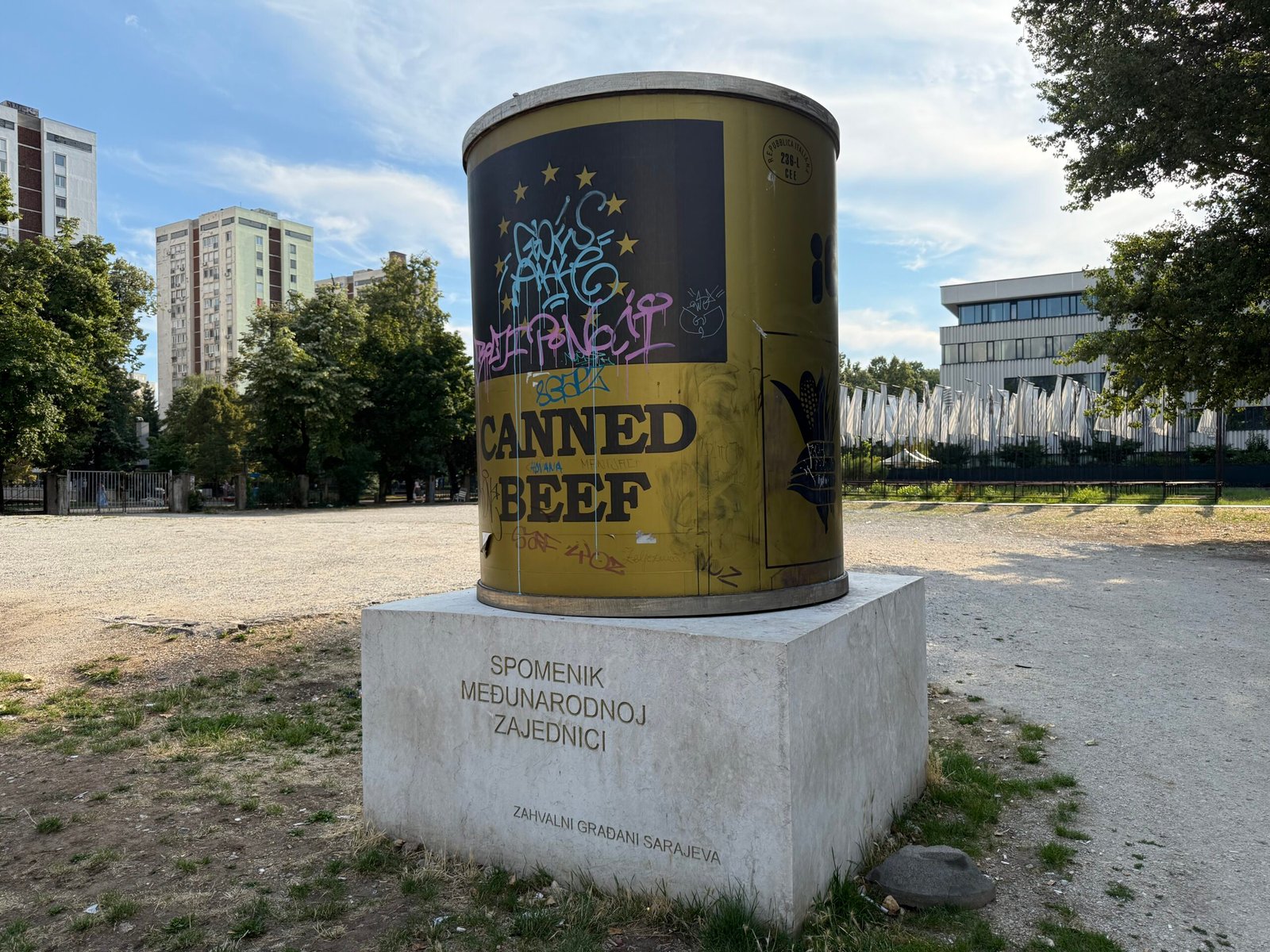
Most of this damage was caused by the aforementioned Siege of Sarajevo, when Bosnian Serb troops surrounded the city on all sides. Due to their blockade, at times even food became a luxury in Sarajevo. Food aid, such as canned food, had to be airdropped or sent into the city using the UN administrated local airport, which now serves as the biggest international airport in the country. The food aid gave birth to an extremely quirky monument like this, a massive tinned can that seems to suffer from vandalism a tad too often.
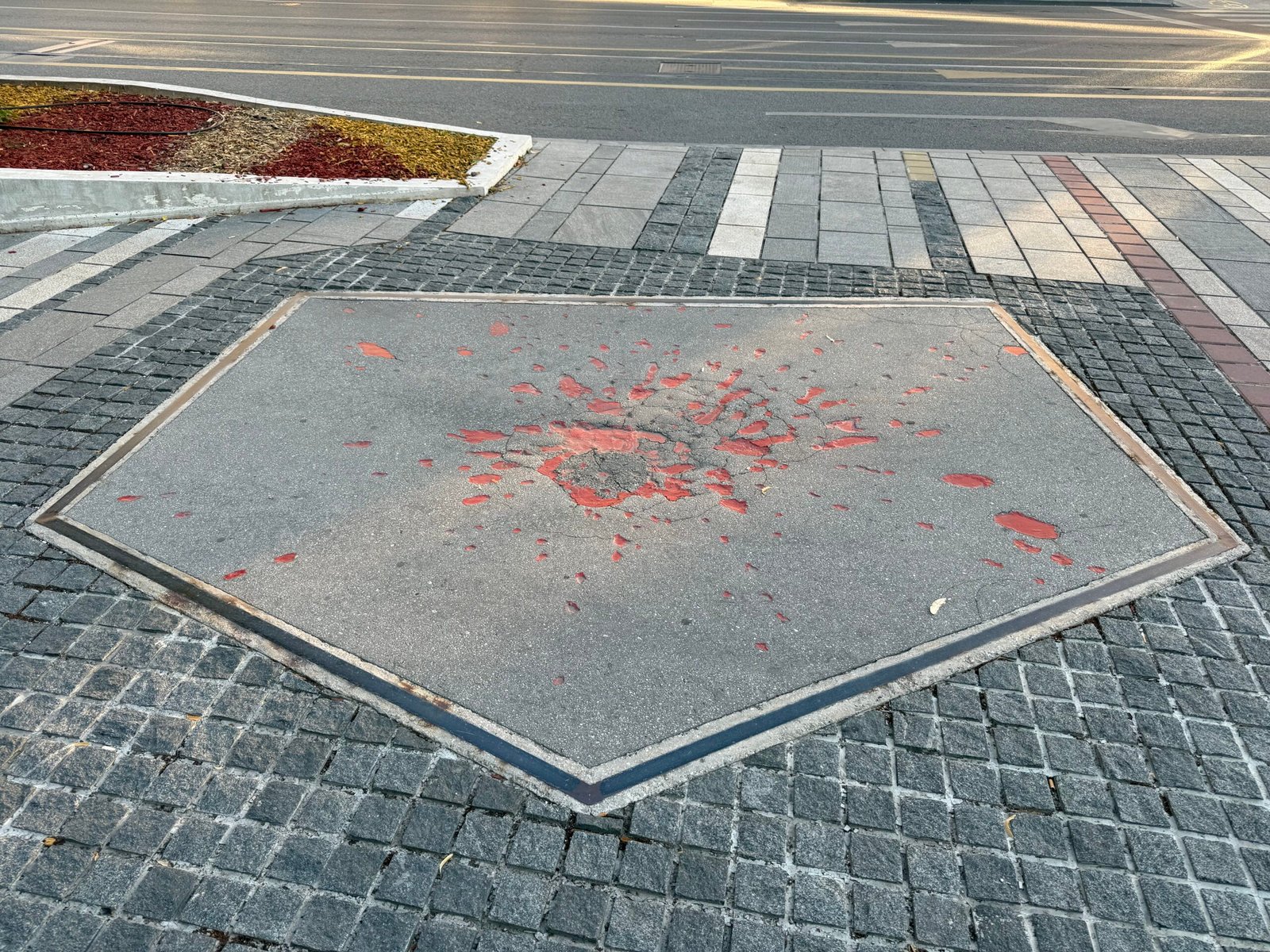
Yet another quirky reminder of the war are these so-called Sarajevo roses, which are remnants of the damage done through bombings during the siege of the city. I came across almost five of them by accident and I have been told that there are many more. If you see a part of the pavement that looks less maintained than the rest, and it happens to have some red painting on it, chances are, you found yourself a Sarajevo rose. People had to suffer these daily bombings, pot shots being taken at their apartment blocks, snipers that killed civilians at a whim, and an overall lack of food and goods for years. Being reminded of these horrors with every step you take is what makes a visit to Sarajevo feel quite dreadful to say the least. You can opt not to think about these, and just enjoy the scenery, but in all honesty, that is difficult to do so.
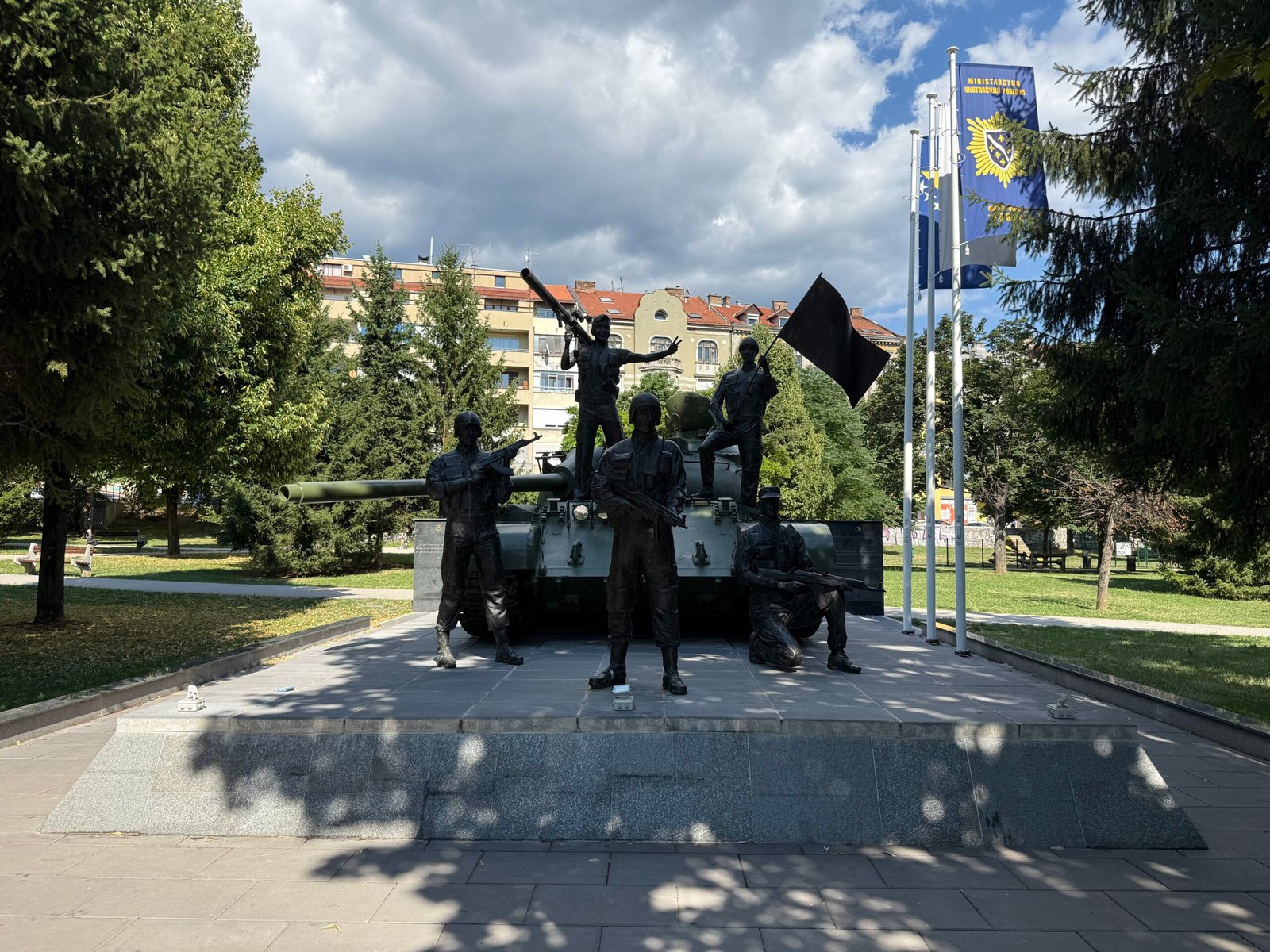
Some may even say that it is important to be reminded of the horrors of the past, so that they cannot be repeated again so easily in the future. I would say that the jury is still out on that issue. To me, speaking about massacres, war crimes, and so on do not necessarily make them a rarer occurrence. That would be like a rapist deciding not to rape after reading what some rape victims have been through, which could theoretically happen, but does it really happen often? One thing is quite certain, with the ongoing atrocities across the globe, no self-respecting human being could ever argue that we are coming to the end of civilian killings today. Besides, speaking of, or even punishing those that kill or rape others hardly made a dent in the murder and rape statistics for the most part, so, how exactly can we be certain that speaking about massacres will put a stop to future massacres? One should question this line of hopeful thinking at all times; I sure wonder about these arguments quite often.
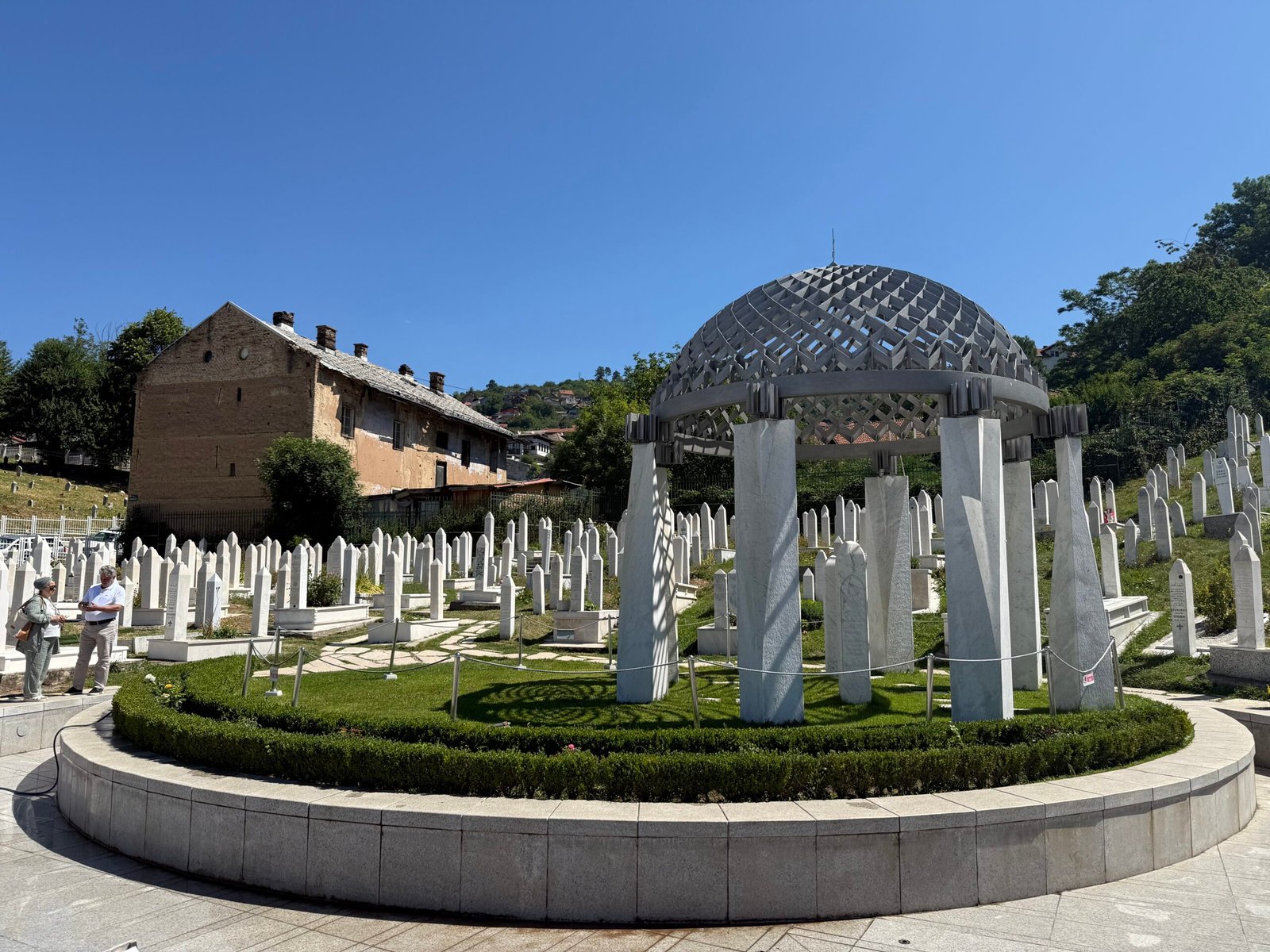
While we can only hope that the region will not face atrocities of this kind ever again in the future, locals that I spoke to did not sound as hopeful as their museum curators. Tombs that are filled with those that are killed during the 1990s take up massive spaces in the city today, memorials and parks dedicated to the fallen soldiers and victims of war crimes take even more. It is a bit difficult to remain optimistic as one walks under a constant barrage of death-related paraphernalia.
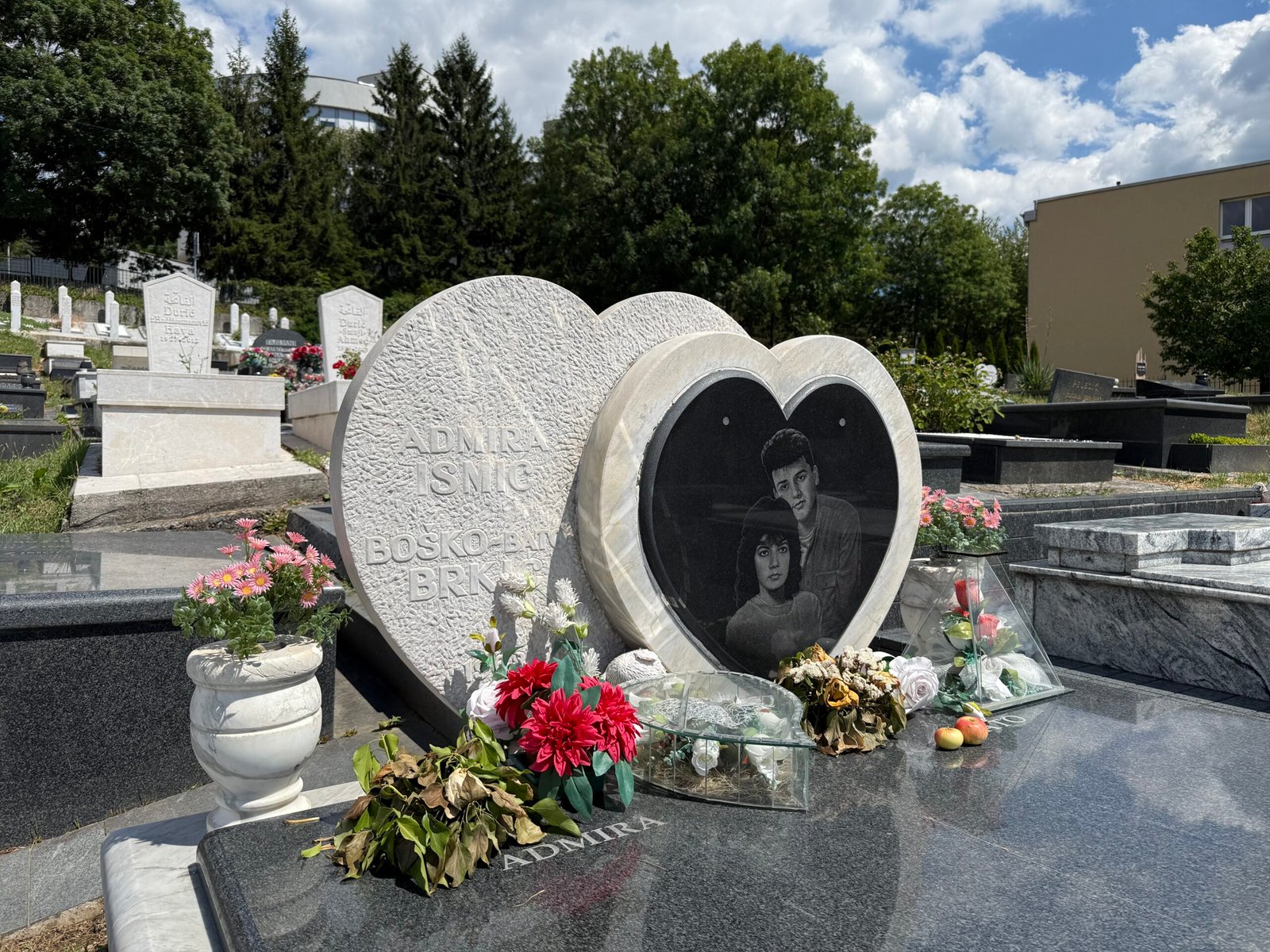
Thousands of locals died during the siege of Sarajevo and over a hundred thousand were expelled by the end of the Bosnian War. While every single death caused immeasurable pain to those that were closest to them, some deaths gained more traction in the media than others. If you are ever in Sarajevo, you should visit the Lion Cemetery near the Sarajevo University Clinical Center. Here, you will find a rather unique tomb. This is where Admira Ismić and Boško Brkić is laid to rest. The former was a Bosniak, and the latter was a Bosnian Serb. As Bosnia’s different religious groups killed one another frantically, those that chose not to participate in these atrocities also suffered greatly, to say the least. This couple, known as the Romeo and Juliet of Sarajevo, were killed by sniper fire as they tried to escape the besieged city on 19 May 1993. Though they did not seem to mind belonging to different ‘tribes,’ Sarajevo had other plans for them.
It was not long ago that Sarajevo suffered, and it suffered greatly. The impacts of this siege are as visible as the Yugoslav heritage in Sarajevo, if not more. While practically everyone I met in Sarajevo, and Bosnia and Herzegovina in general, seemed to be the kindest and friendliest people that one can ever meet, the older generations still carry the burden of witnessing all that brutality first hand in their hearts, and in their eyes. Respectfully, it is crucial to know a thing or two about the bloody past of this extraordinarily beautiful part of the world, so that one can avoid hurting the locals even more. In the next and final article in this series on Sarajevo, I will cover how life continues in Sarajevo today, and how its locals fare some three decades after the war.