
Al Ain was, by far, the most enjoyable day trip I took for a very long time now. It can easily compete with some of my all-time classics, like that one time I visited Chiatura’s mindboggling industrial heritage and almost did not make it back to Kutaisi on time due to how invested I was in trying to ride all the remaining Soviet cable cars in town. This is to say, Al Ain has a very special place in my heart. Let us now see why I loved Al Ain to this degree, and why you too should consider visiting it!
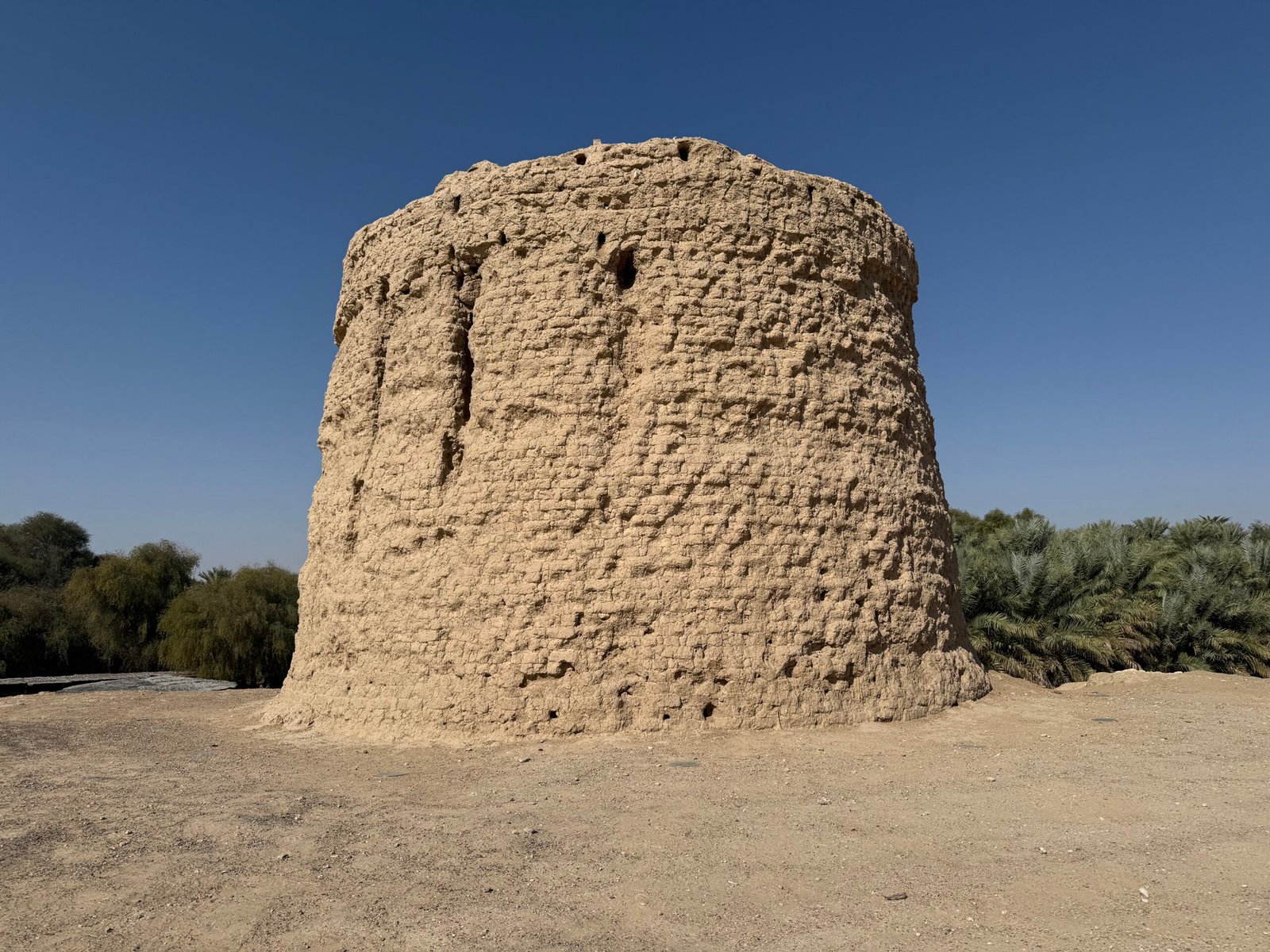
Al Ain is an Emirati oasis town near the Omani border, far away from the hustle and bustle of the UAE’s much more densely populated coast. It is also the most historically significant site in the country, being the town in which Sheikh Zayed bin Sultan Al Nahyan grew up for the most part. While he was born in Abu Dhabi, following his father’s death in 1926, the then eight-year-old future principal founder and first president of the UAE would relocate to this unassuming little oasis seemingly in the middle of nowhere, where he got accustomed to the ways of the local people, people that he would unite and lead one day.
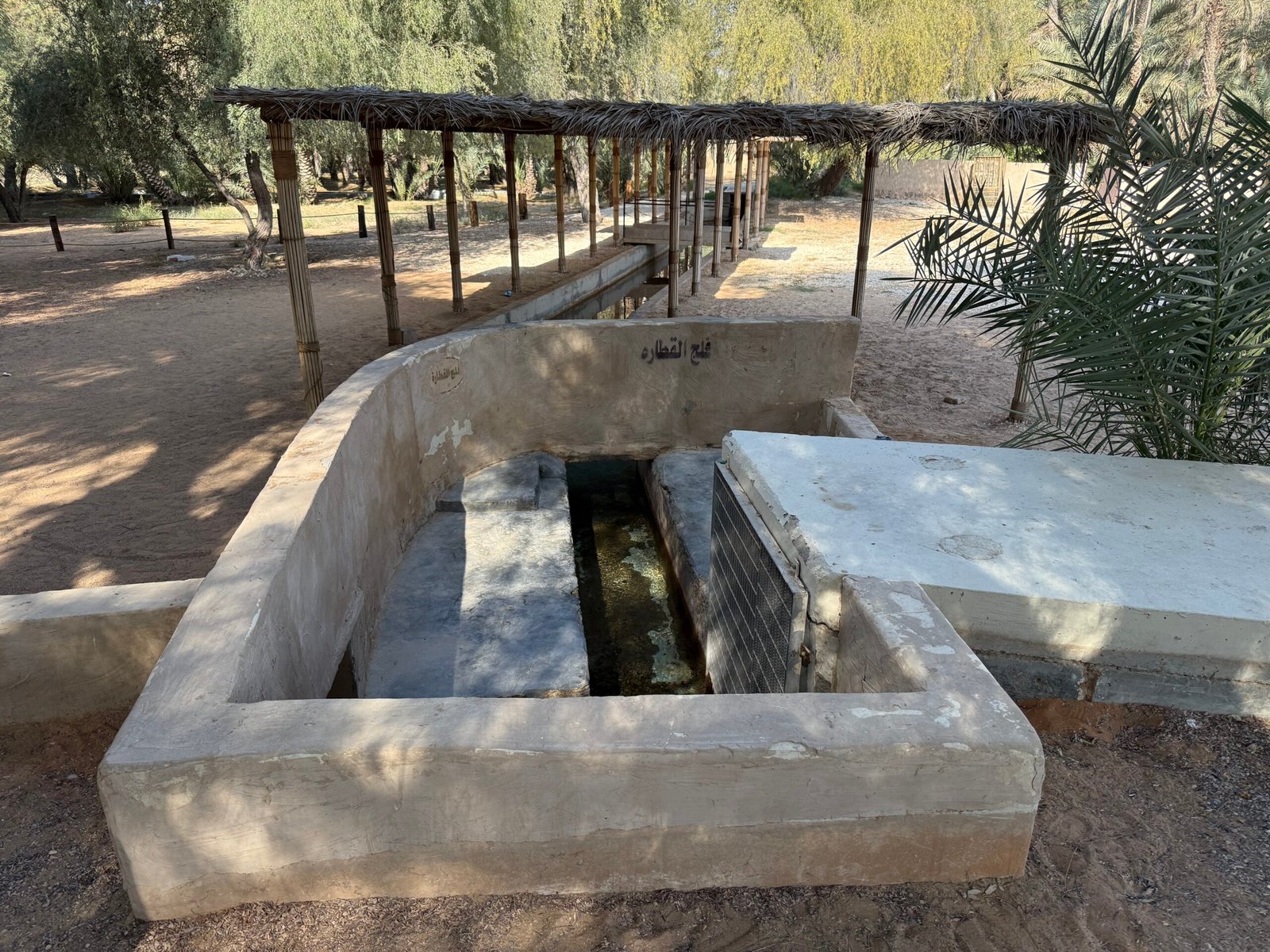
I started my journey to Al Ain by getting on the bus E201 from Dubai’s Al Ghubaiba Bus Station early on in the day. Instead of taking the bus to its terminus, I hopped off near the northern oases of Qattara and Jimi. These are far less traveled destinations compared to the main oasis of Al Ain, but I wanted to see them both. Before seeing them in person, I ran into a few farms like this on my route. As far as I was told, the local Emiratis use a somewhat modernized ancient watering technique to keep the ground moist so as to be able to raise crops as needed, and the crops in question often seem to be dates.
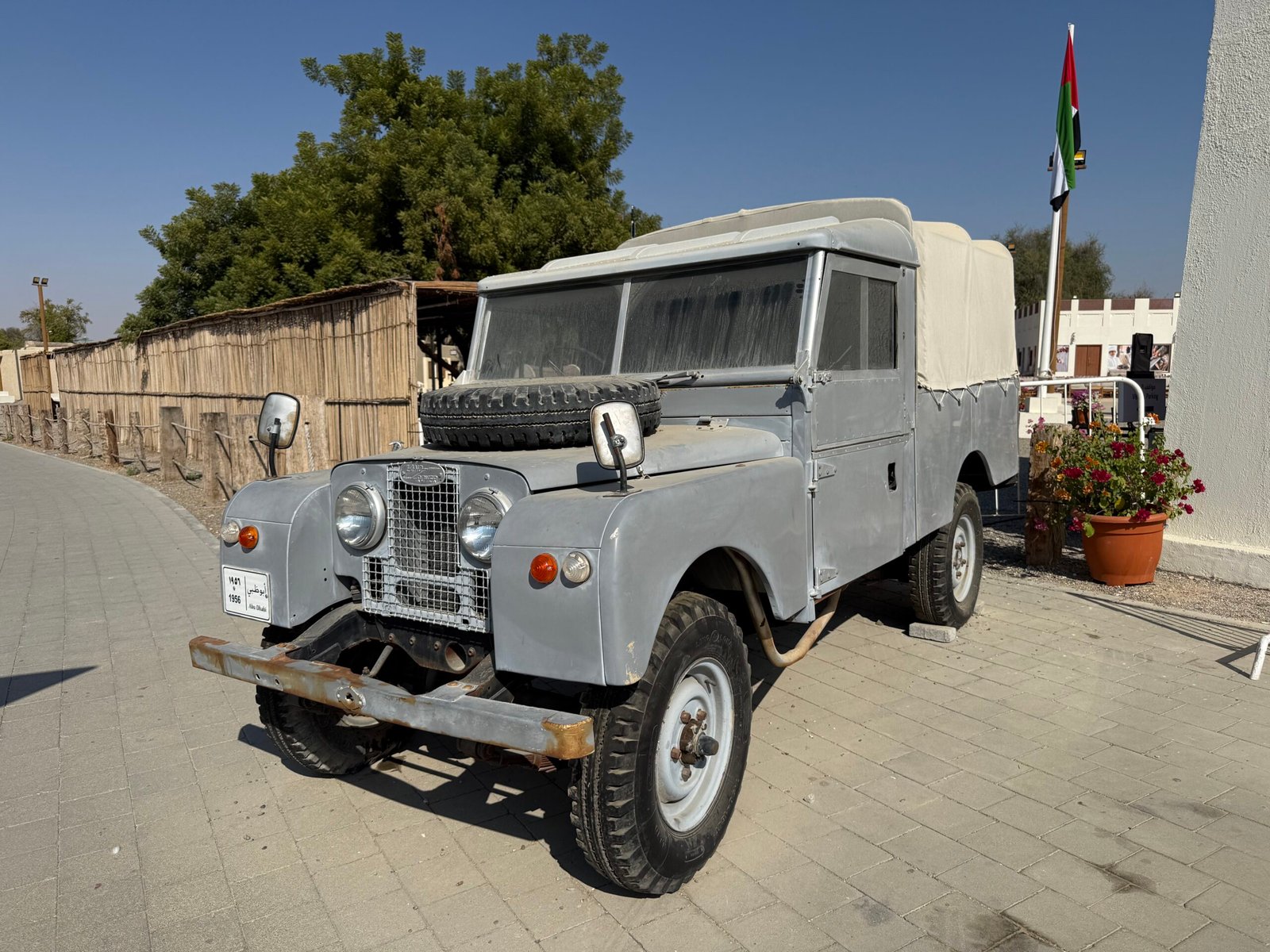
After a short but sweet walk, I made my way to the entrance of Souq Al Qattara, a tourist attraction near the oases in this part of town. On a side note, it is quite usual to find these older cars greeting you as you enter a more historical or cultural site in the UAE, and it is always a welcome sight for my eyes.
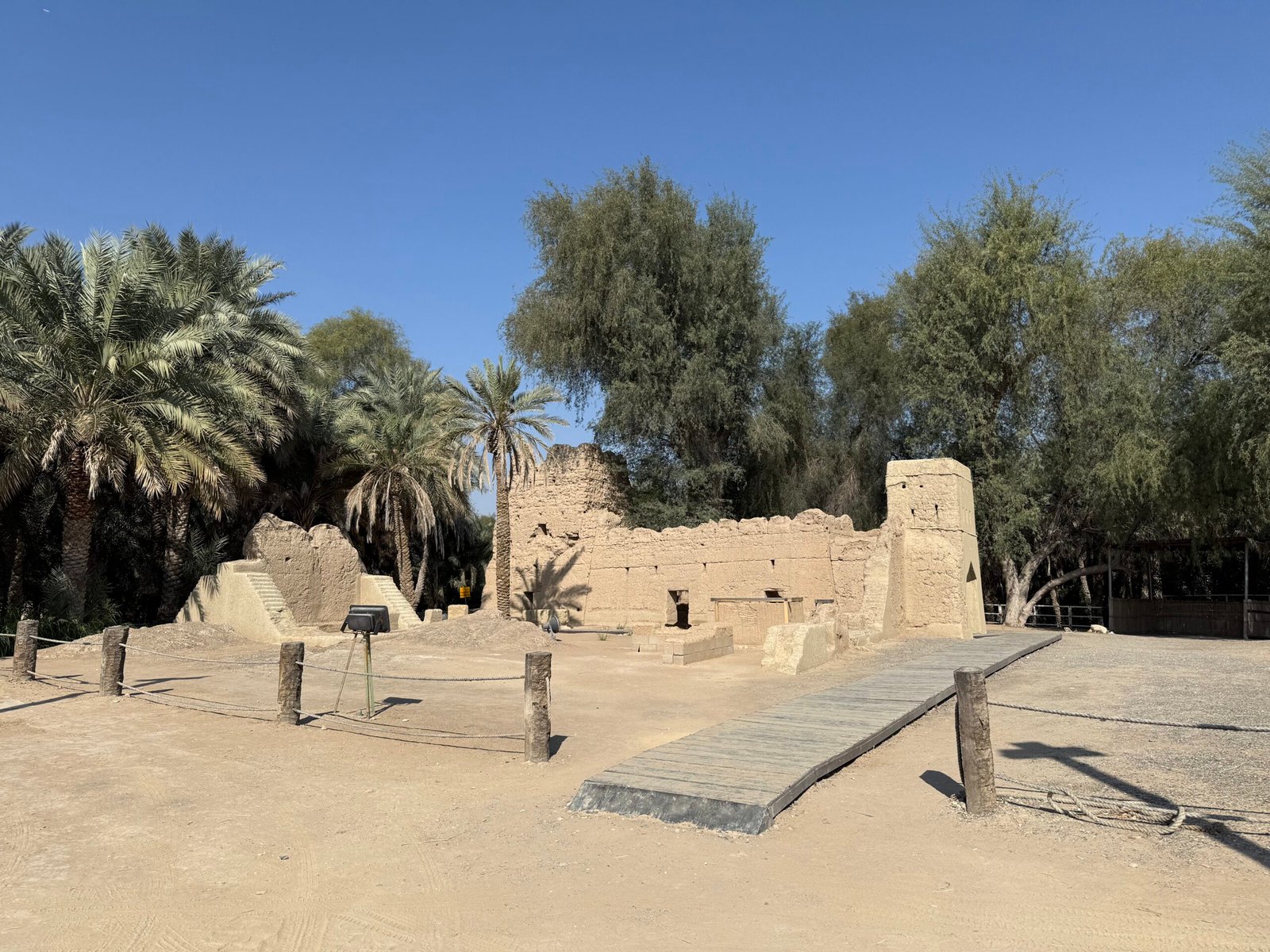
A brief and friendly chat with the security officer who seemed surprised to see a tourist arrive so early on in the day revealed that I was free to roam around, though the souk itself was not fully open. There were a few ancient ruins like this one, with the backdrop of the oasis just behind them. There were signs of a festival of some sort that took place recently in the area and knowing that I was once again in the Emirate of Abu Dhabi, I was not surprised. Cultural events of all sorts is bread and butter of Abu Dhabi’s tourism industry, and thus one can run into such incidents regularly all around that Emirate.
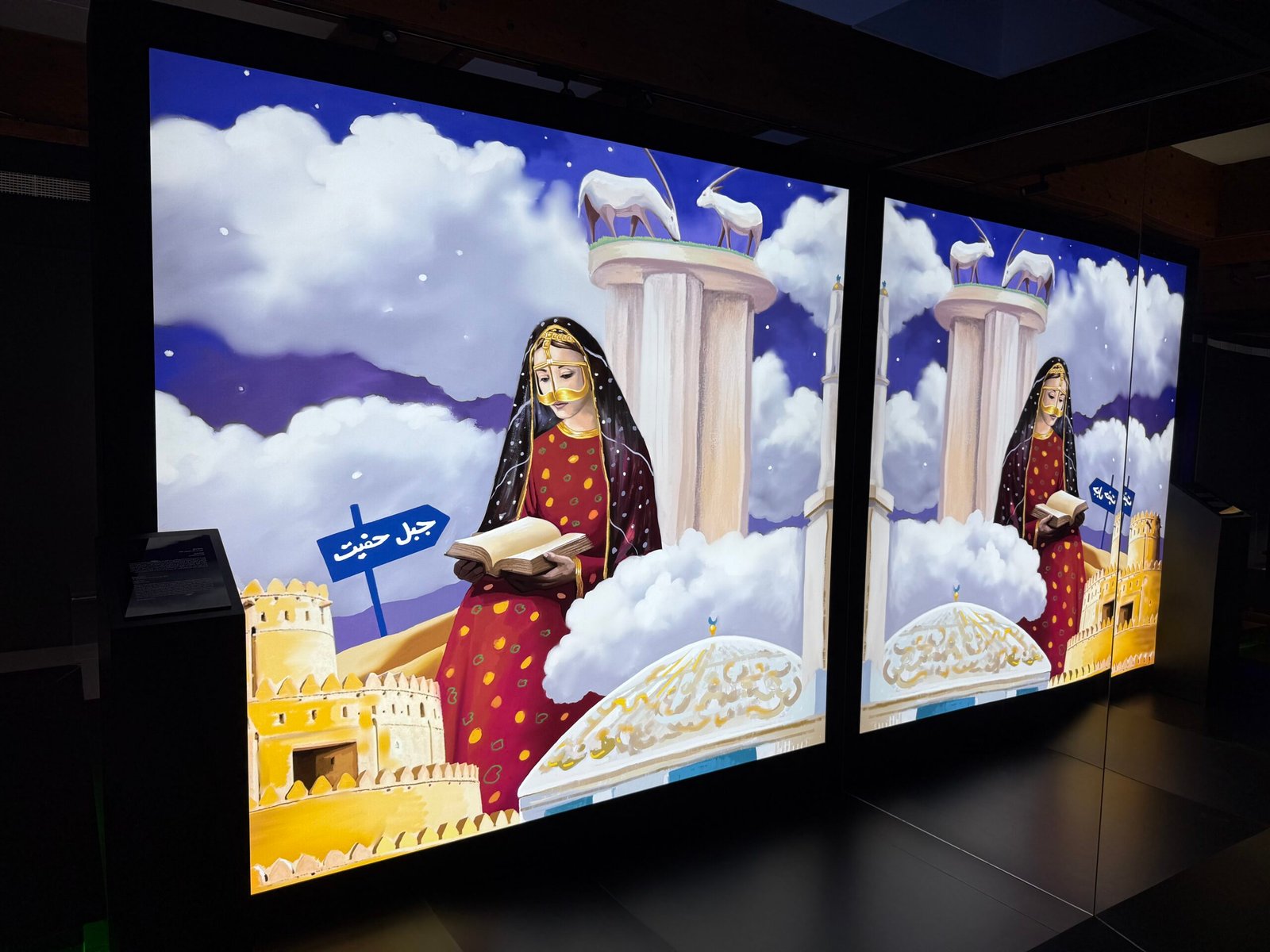
There were also some cafes nearby, and these already seemed to have a lot of patrons sitting in them, though I did not have the time for that myself. Instead, I ventured into the Al Qattara Arts Center, a free exhibition space where you can enjoy the work of some local Emirati artists.
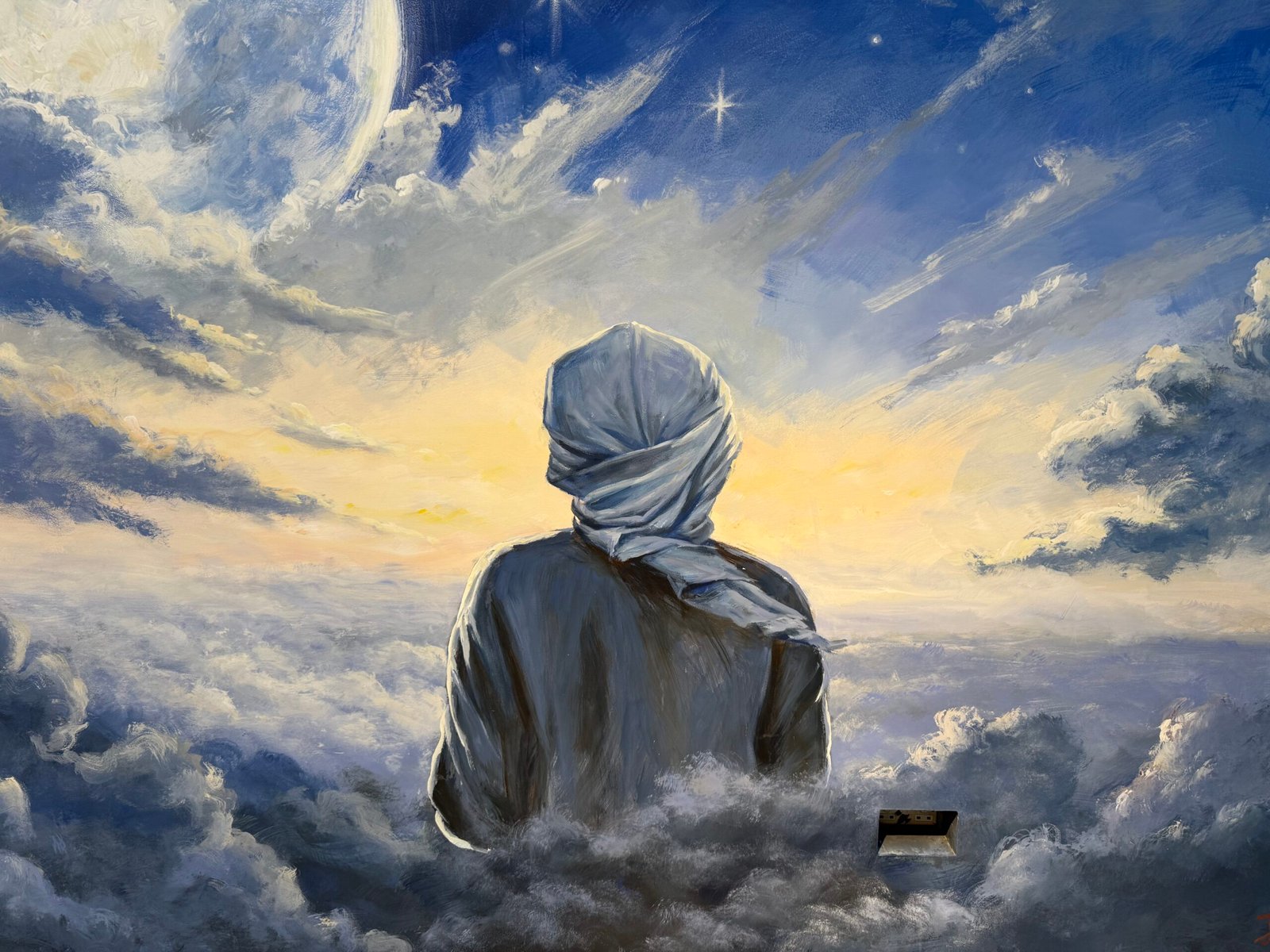
While looking at these artworks was enjoyable, if you are a bit nosy like me, you can even catch a glimpse of the artists themselves working in dedicated rooms just beyond this exhibition. They seemed to be hard at work, possibly focusing on a new project to be shown in the center in the coming months. Leaving them to their work in peace, I made my way out to visit yet another nearby oasis.
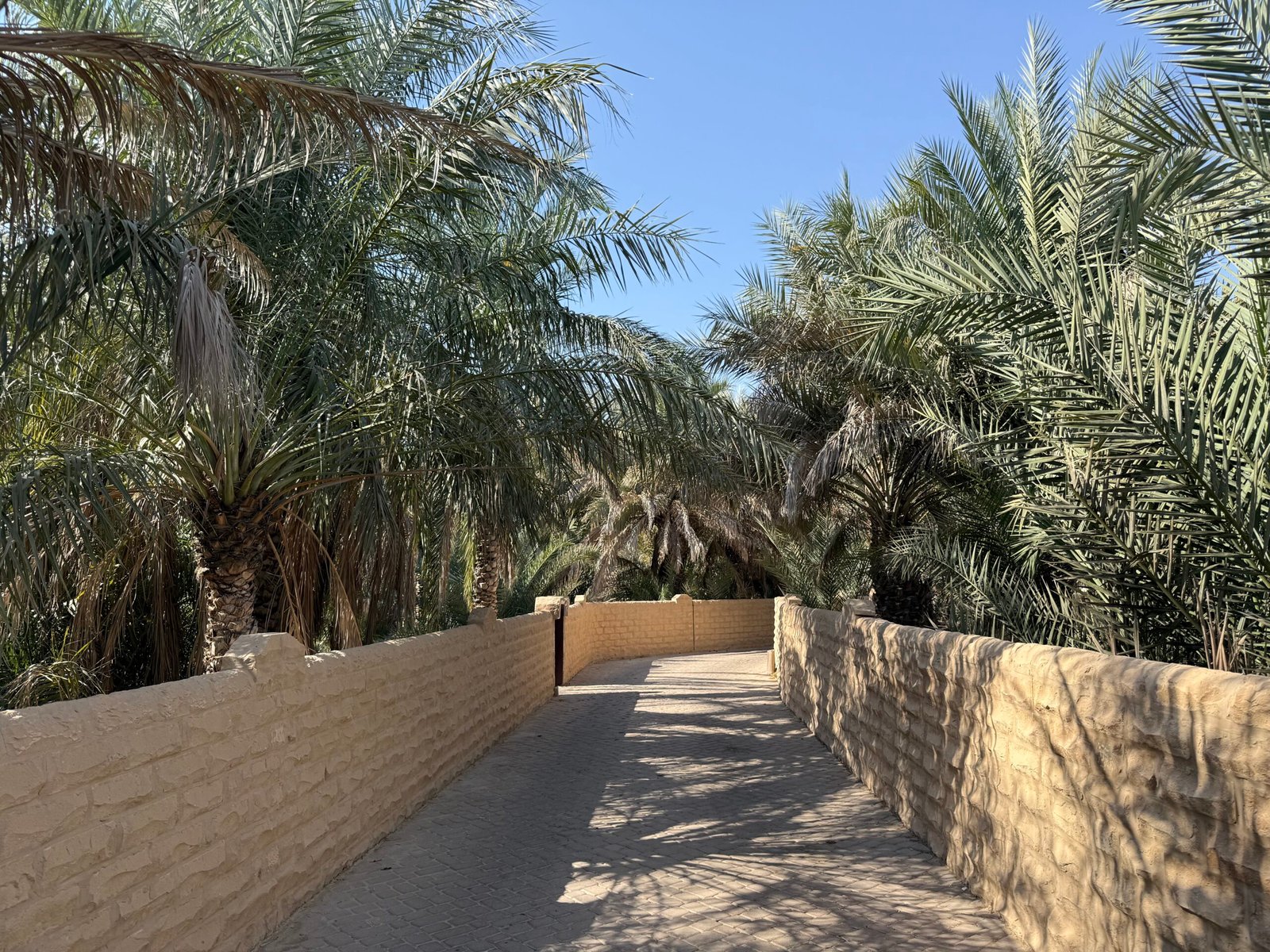
This was none other than Jimi Oasis. While it is not the biggest nor the most interesting one in the area, it has one thing going on for it. It is not very popular. This means that unlike most other oases, it is more or less deserted. I was the only one that walked around it for about fifteen minutes, and only as I tried to leave it did I manage to see another soul, who was riding a bike and seemed to be commuting to his work rather than taking in the serenity of the place. We will get back to oases, and why they felt like the most magical places on Earth to me, later on in this article.
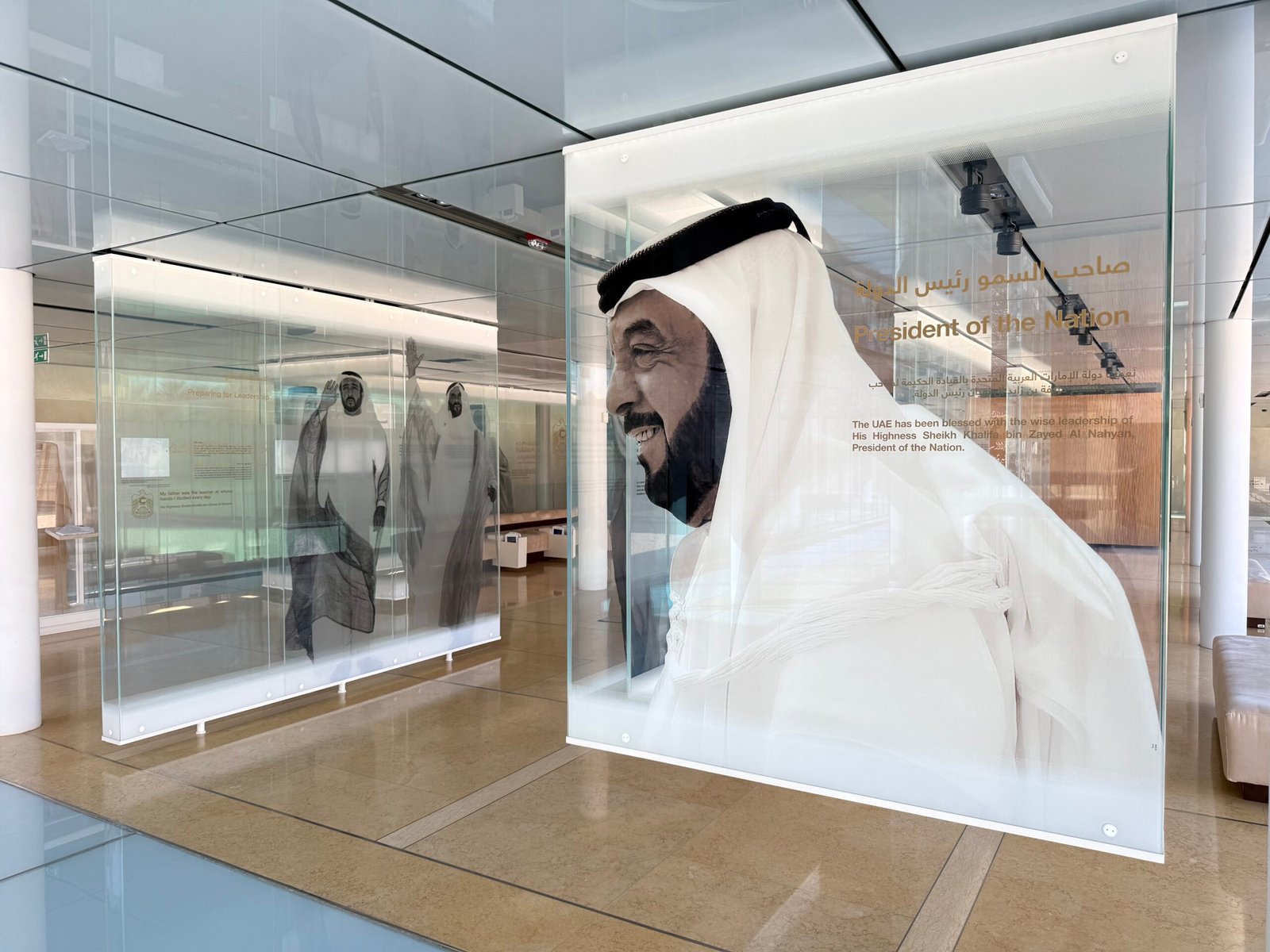
However, before enjoying Al Ain’s main oasis, I wanted to see the more historical local sites before they closed their doors for the day. After a quick but tasty lunch at the local Subway, I took a bus to Qasr Al Muwaiji, where Sheikh Zayed bin Sultan Al Nahyan once grew up, blossoming into the charismatic leader that he eventually turned out to be. You can find out a lot about his earlier days, as well as the everyday life of the local people prior to the foundation of the UAE in 1971 in this complex, and even see the old living quarters of the sheikh. Moreover, Qasr Al Muwaiji is free to visit for all! Better yet, as is pretty customary all around the UAE but especially in Abu Dhabi, you can enjoy a free coffee and a date before you begin your tour of the museum as well.
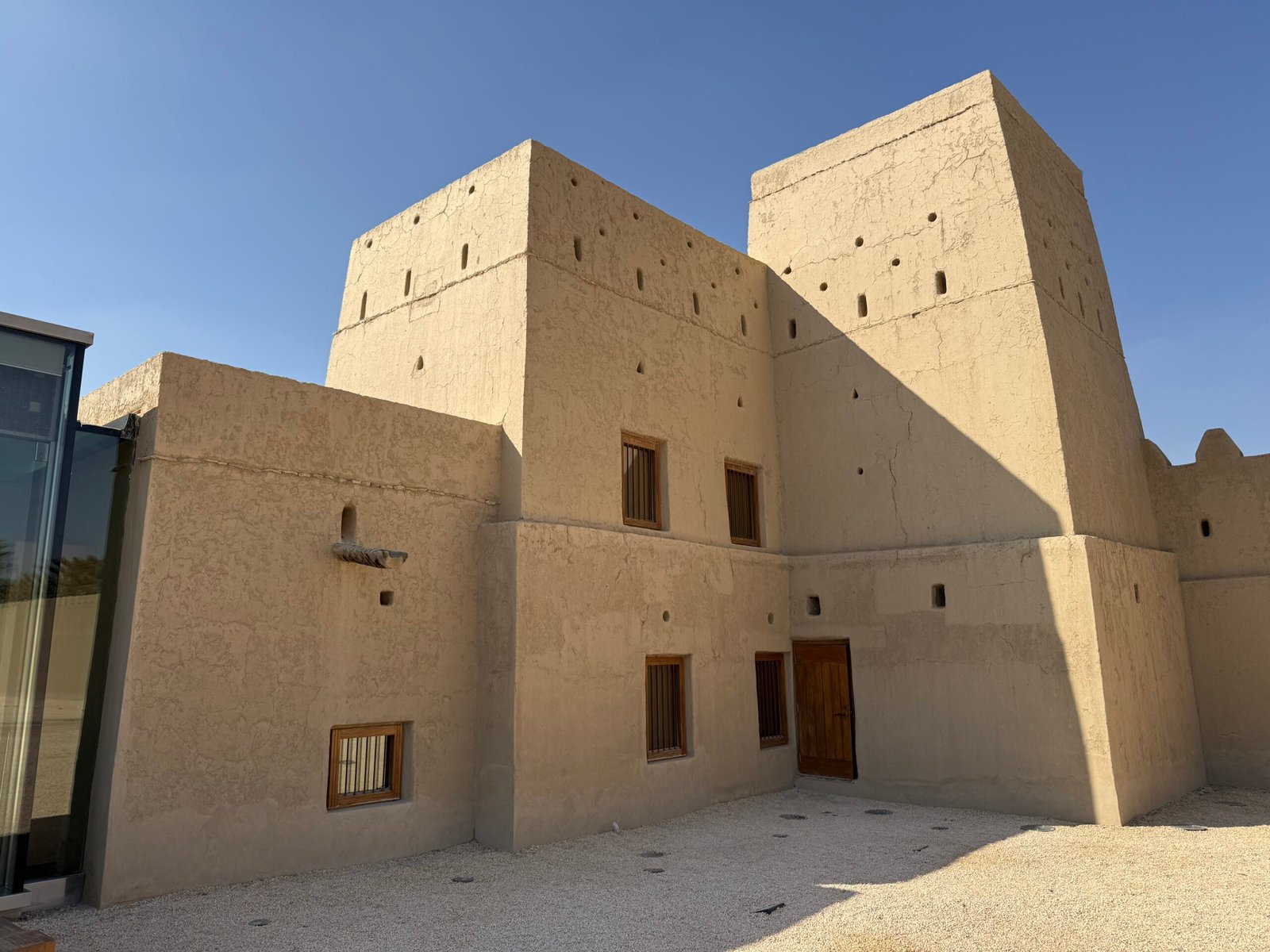
This was the particular corner of the fort in which Sheikh Zayed bin Sultan Al Nahyan spent years growing up. In it, there are multiple short movies that give you a closer look into the daily life he had, alongside with a decent amount of information provided to you in a written form on the surrounding walls. While the whole place may seem small at first, I ended up spending almost an hour in this museum.
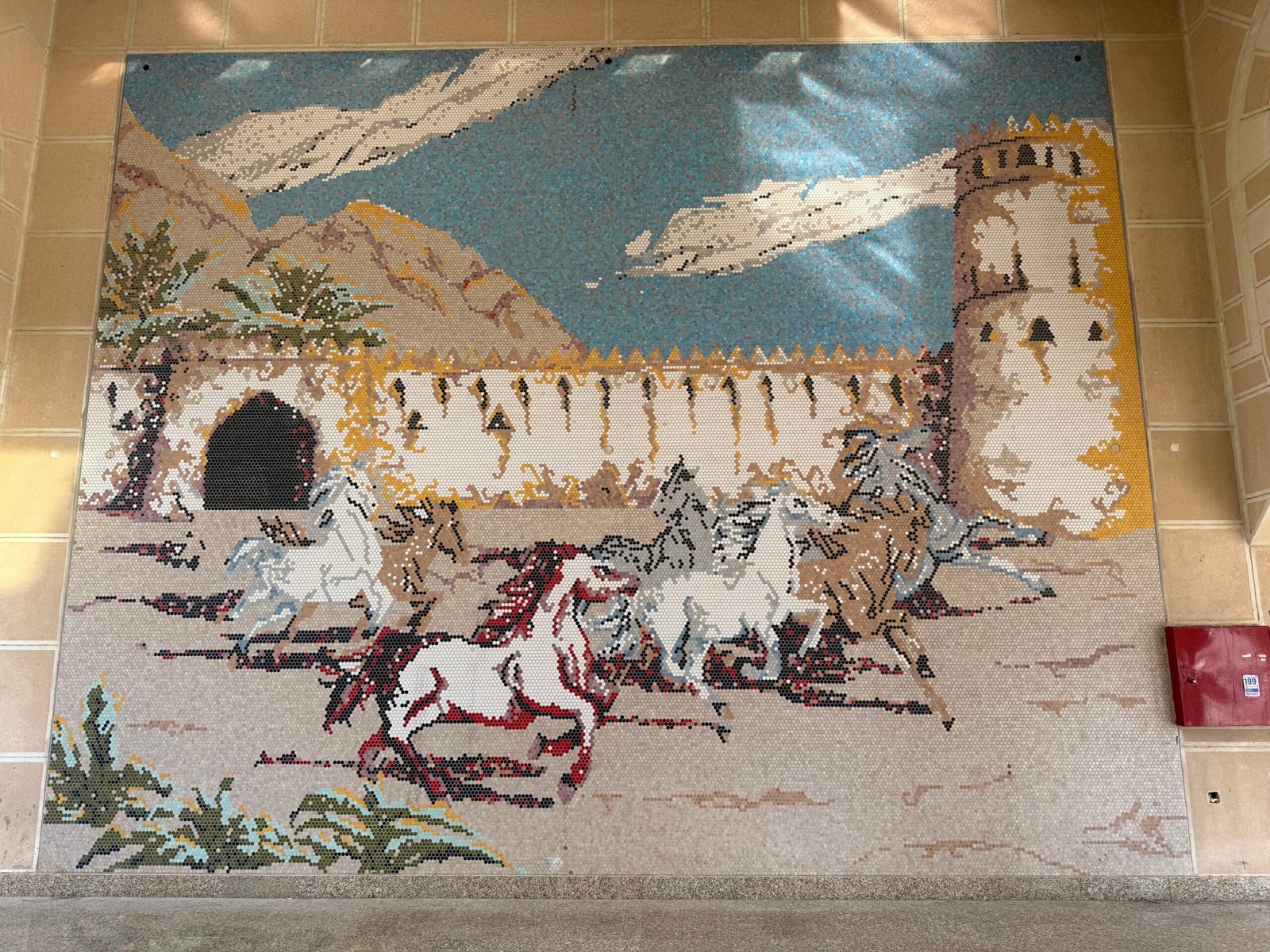
I passed by a gigantic mosque on the way to the aforementioned museum, so instead of taking the bus back to the city center, I decided to walk back there despite the blistering hot weather. I am glad that I did, because on the way back I came across a lot of local Emiratis, who all seemed a bit too happy to see me wondering around and taking photos of their locales. Al Ain is one of those few cities in the UAE in which you can see the Emiratis themselves frequently. In fact, I was told by a local that it was the town with the highest percentage of citizens, though apparently the migrant workers still somehow surpassed their numbers. Nevertheless, if you wish to experience communicating with the Emiratis themselves, there is possibly no place better than Al Ain in the entire country.
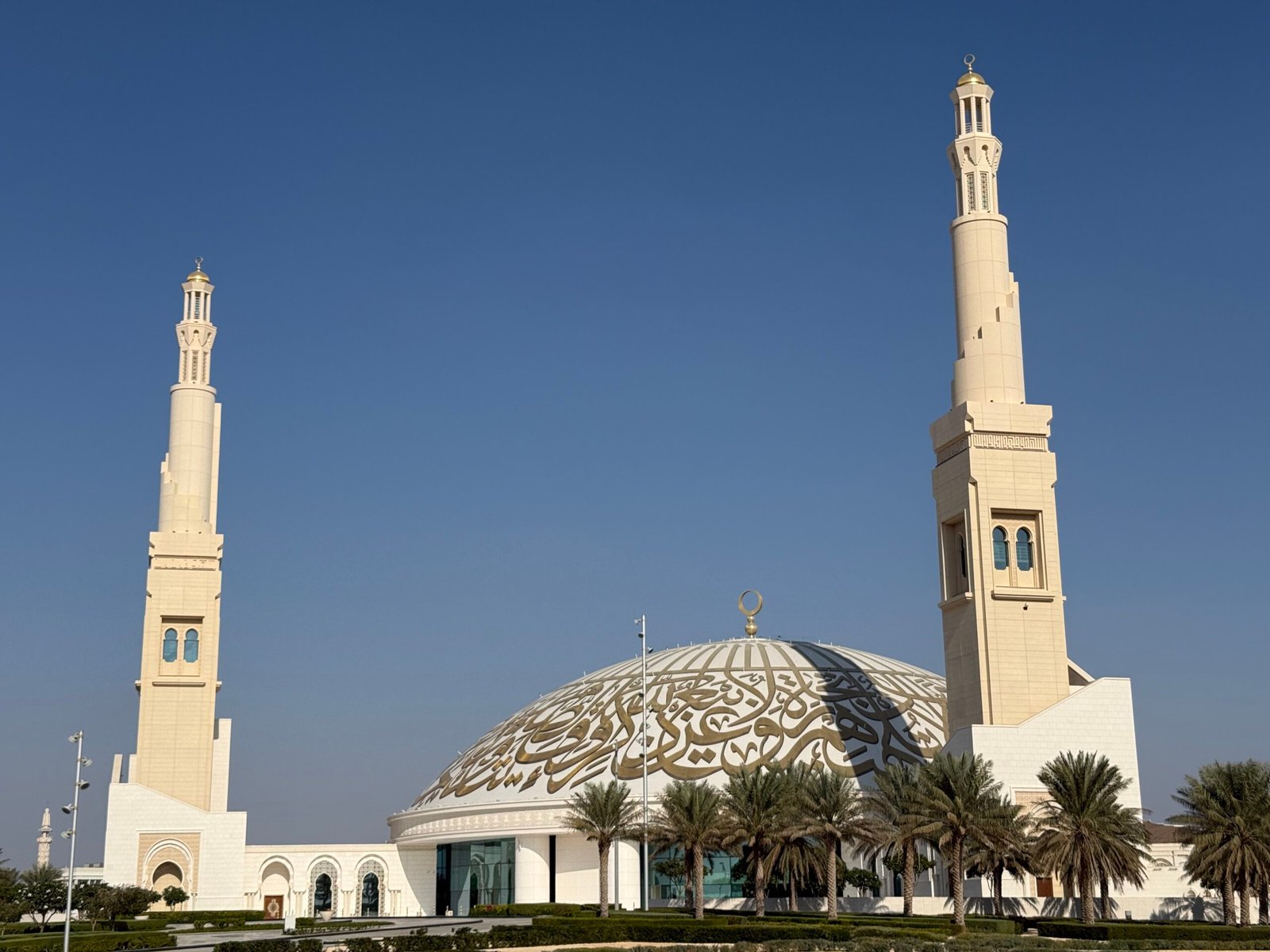
I eventually arrived at the Sheikh Khalifa Bin Zayed Grand Mosque, which really should have been on my list from the get-go. It is a gorgeous building that is open for prayer, though not really for visits as much as I could understand. I was in my shorts that day, so I did not wish to disrespect the premises myself, but the security in front said that everyone is much welcome to visit the place during prayer times.
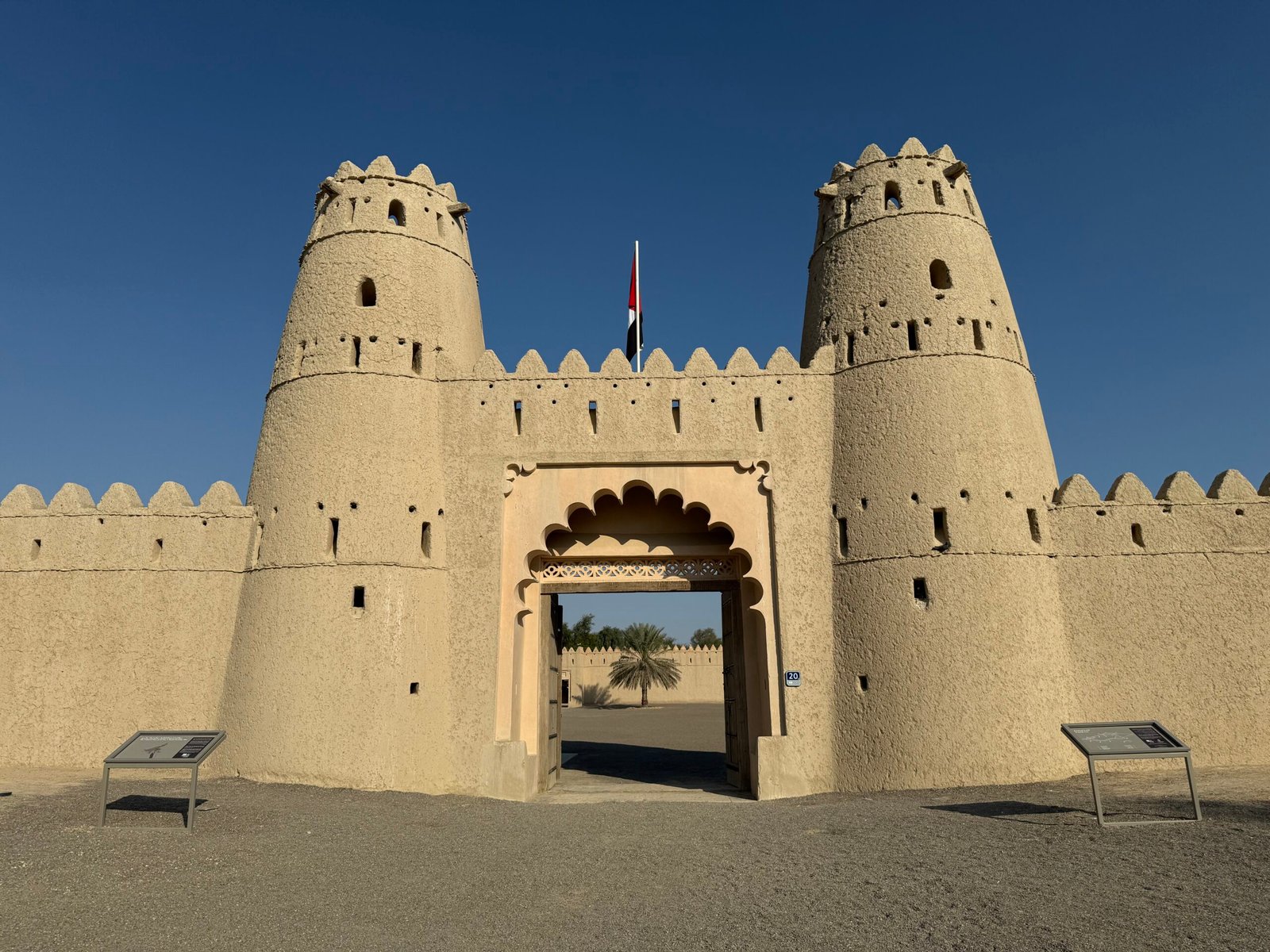
After a brisk walk around the Al Jahili Park, I finally made my way to the Al Jahili Fort, one of the striking landmarks that Al Ain has to offer, not that it has any shortage of such sites. The construction of this fort was carried out during the reign of Sheikh Zayed bin Khalifa and was completed in 1898. Some of its parts are built more recently, and the entire premise was renovated just a few decades ago. Nevertheless, its historicity was preserved as much as possible to this day.
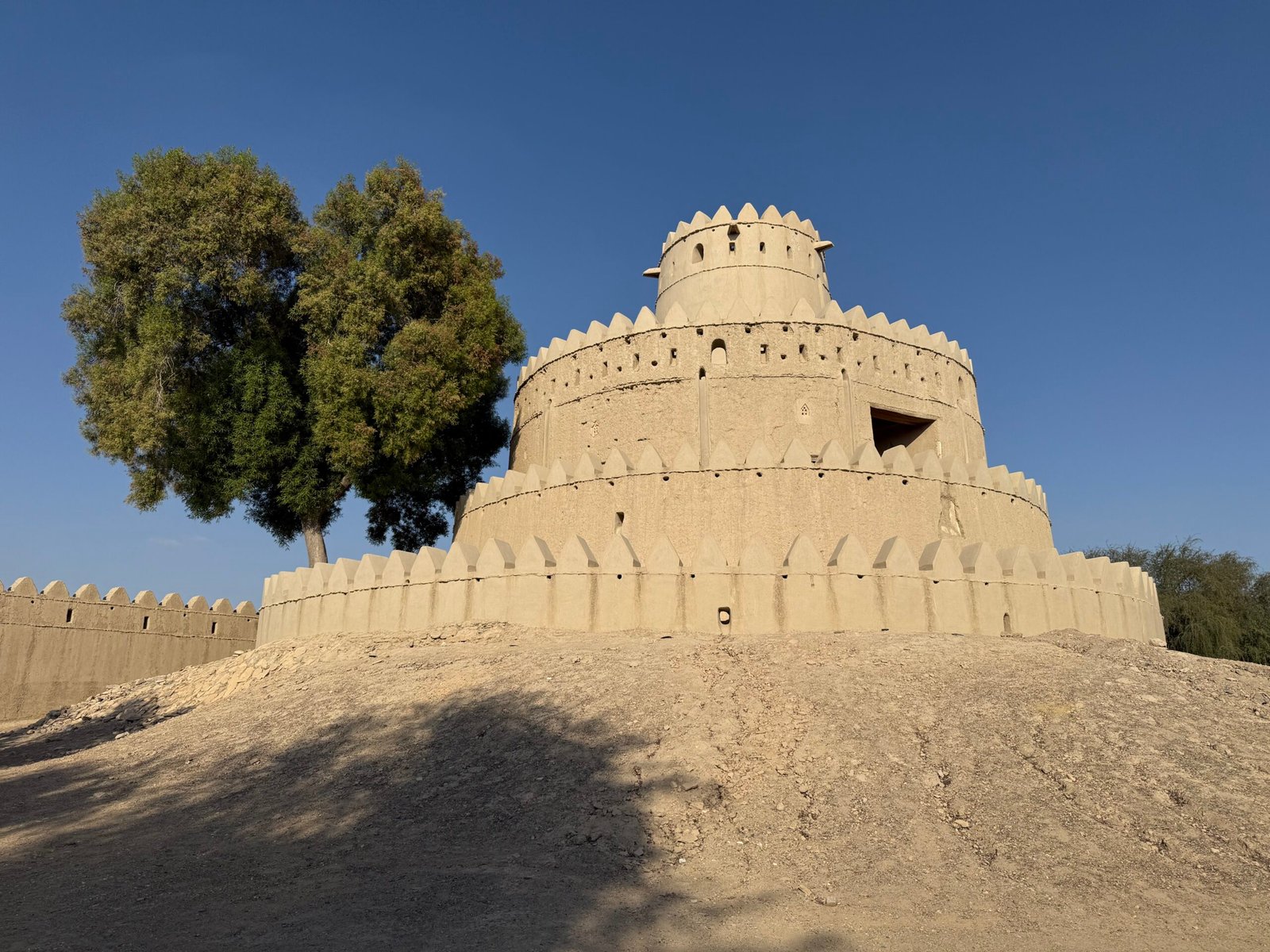
One of the most interesting sights in this entire complex is none other than its oldest building, this circular defensive structure that stands atop a small hill. You can scale its walls and walk around its premises today.
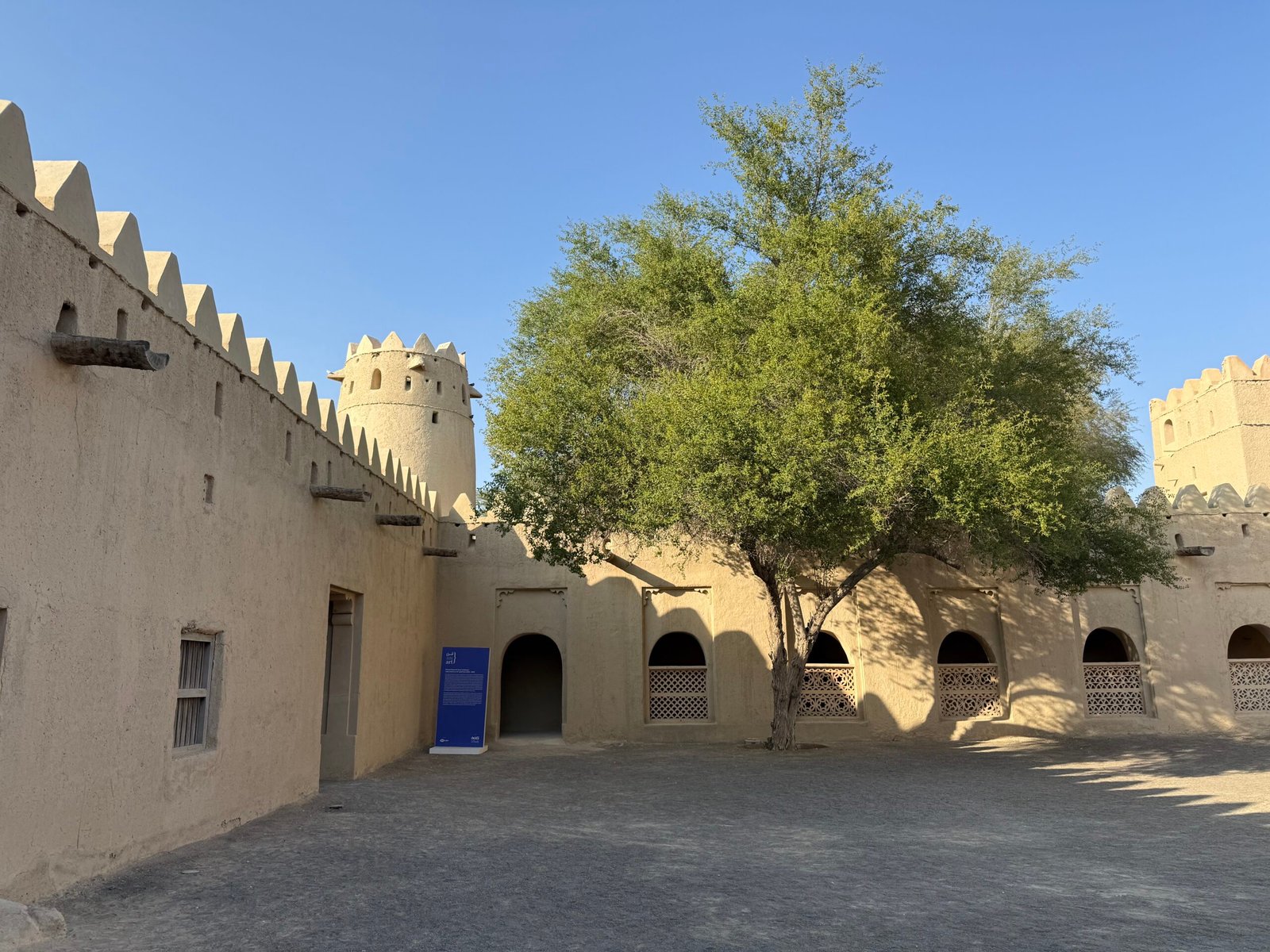
In the same courtyard that the ancient fort is found, one can also find a few dedicated rooms for exhibitions, a permanent and a temporary one. The permanent exhibition was about Mubarak bin London, a British functionary that traveled across the region multiple times around the mid 20th century. Seeing the man himself surrounded by Bedouins, crossing some unimaginable lengths across the Rub’ al Khali, also “affectionately” known as the Empty Quarter, with little to no modern gadgets was a spectacular experience. Truly feeling inspired by his story and wondering whether I could do something similar myself at some point in time, I moved on to the temporary exhibition, where I learned a bit more about sandstone structures from around the world. After being satisfied with what was essentially a highly enjoyable free museum, I left Al Jahili Fort and I made my way back to the city center.
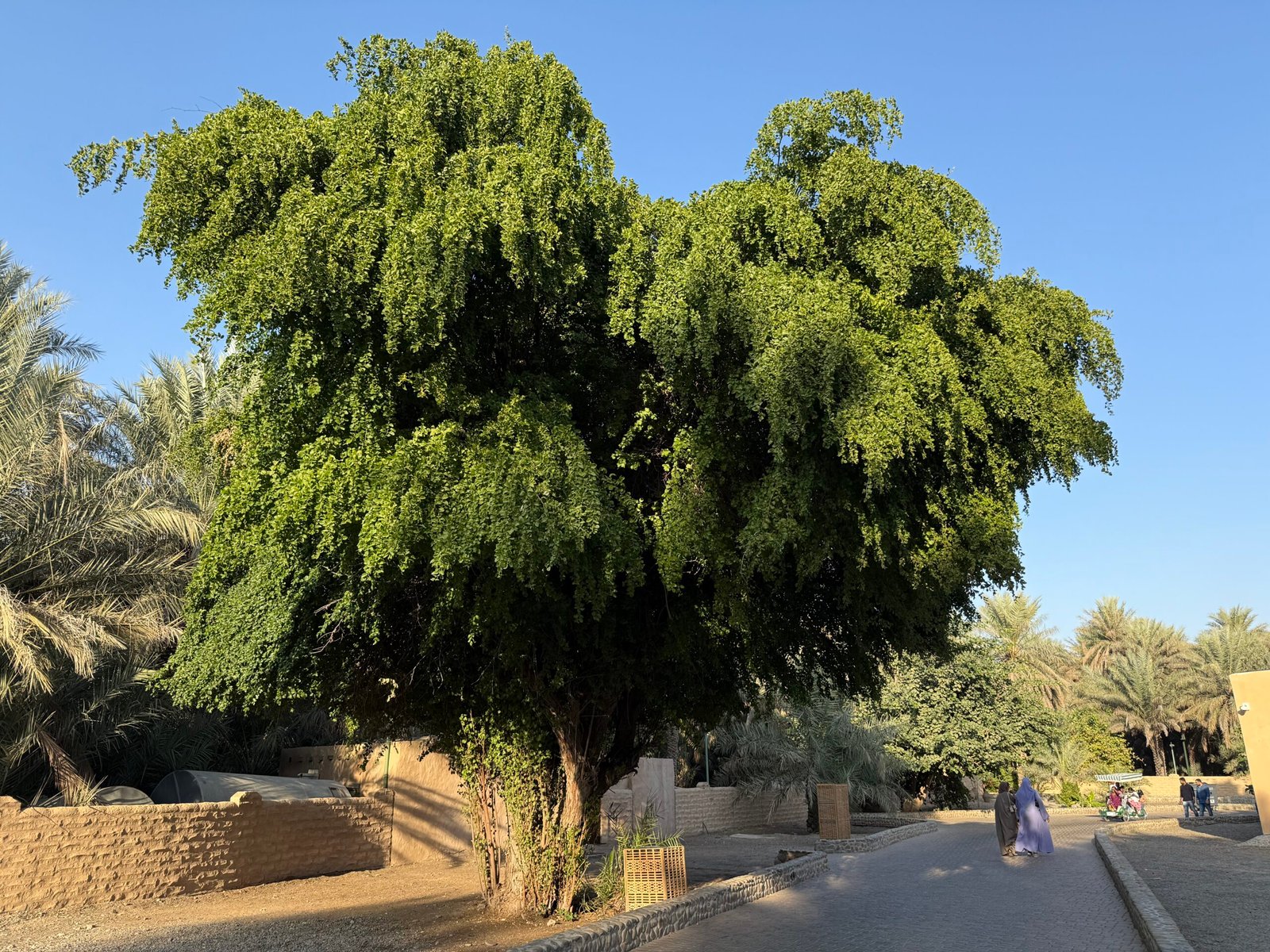
At this point I was quite literally running out of time. Soon enough the sun would set, and I would not see the oasis in daytime. That is why I then literally rushed to visit Al Ain’s main oasis, and I sure am glad that I actually rushed a bit by the end. The oasis was yet another free attraction, though this one turned out to be the best one for me.
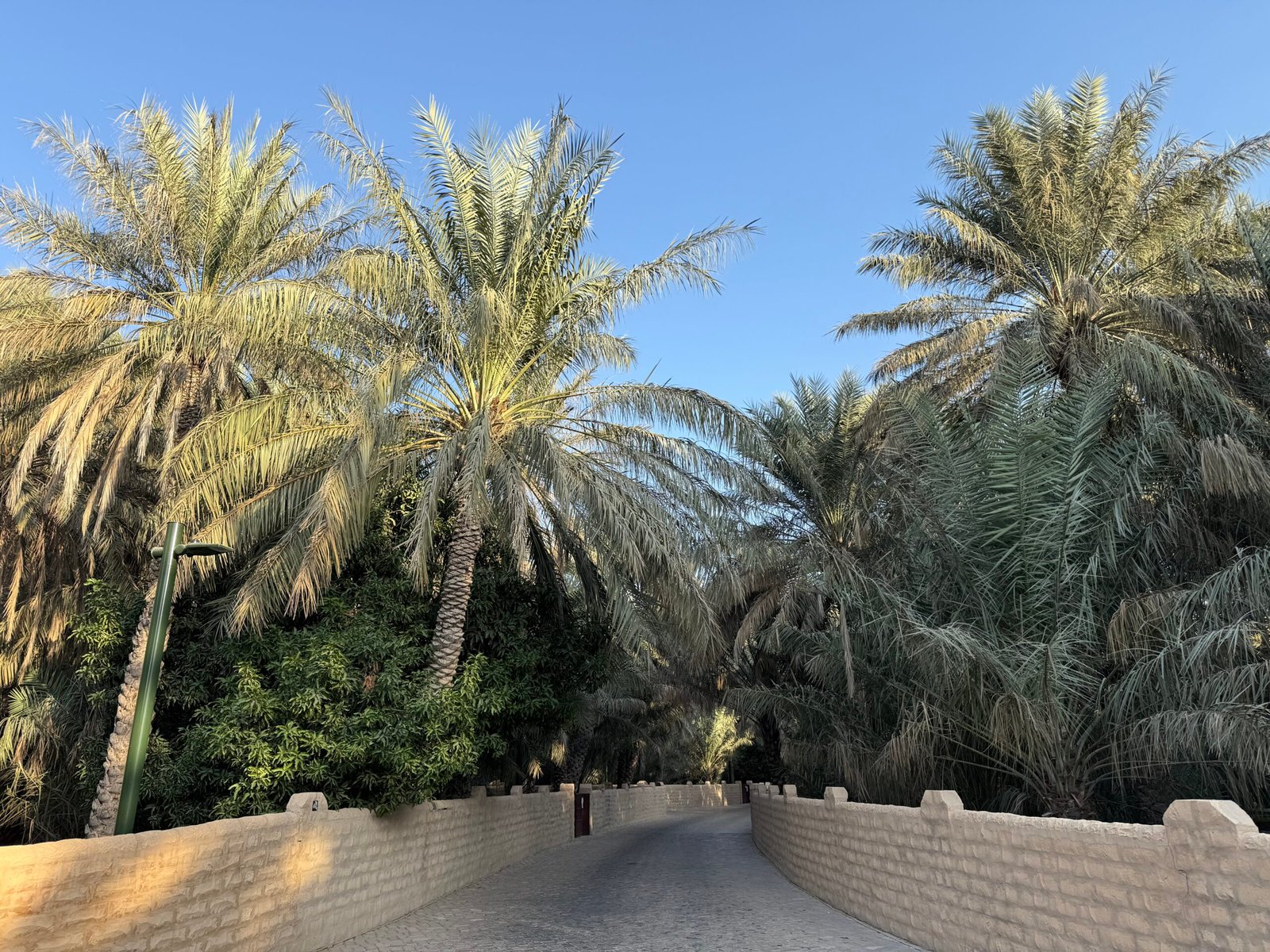
You see, for a Turk who does not know much about the desert and the type of life one can have it in, the whole idea of living in the desert is alien to me. I knew that it was only really possible thanks to these oases, but I never saw one with my own eyes. Well, after spending almost two hours in a bus, watching the barren landscape with its orange sand dunes pass by my window, you can imagine my surprise the moment I started to see some greenery. It was a few shrubs at first, nothing major, but shortly after, I was greeted with massive gardens, date farms, and what seemed like a bunch of man-made creeks irrigating anything from fruit trees to good old grass. It was nothing short of miraculous.
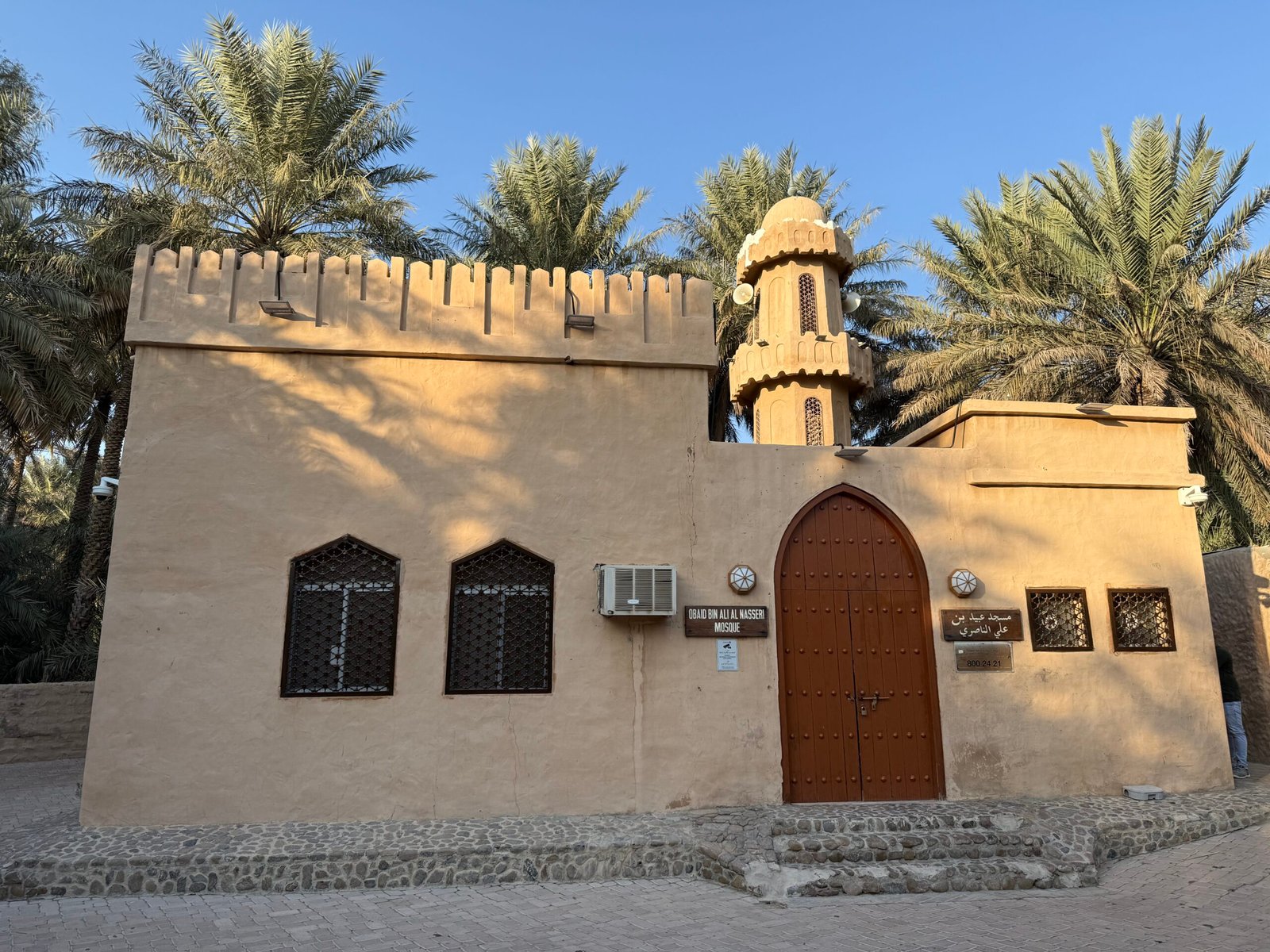
While there are a few structures, mostly old mosques, in Al Ain’s massive oasis, the emphasis is on what I just wrote, the greenery. This is no simple tourist destination. It has an actual purpose, as in, locals still grow food here. You can see some of them tending to their farms if you are lucky, and a few of these farms have open doors, which I took as an invitation. You can hear the running water all around you, get a shelter from the sun thanks to ample shadow one can find here, and enjoy the voice of birds as they fly around this area that is so full of life.
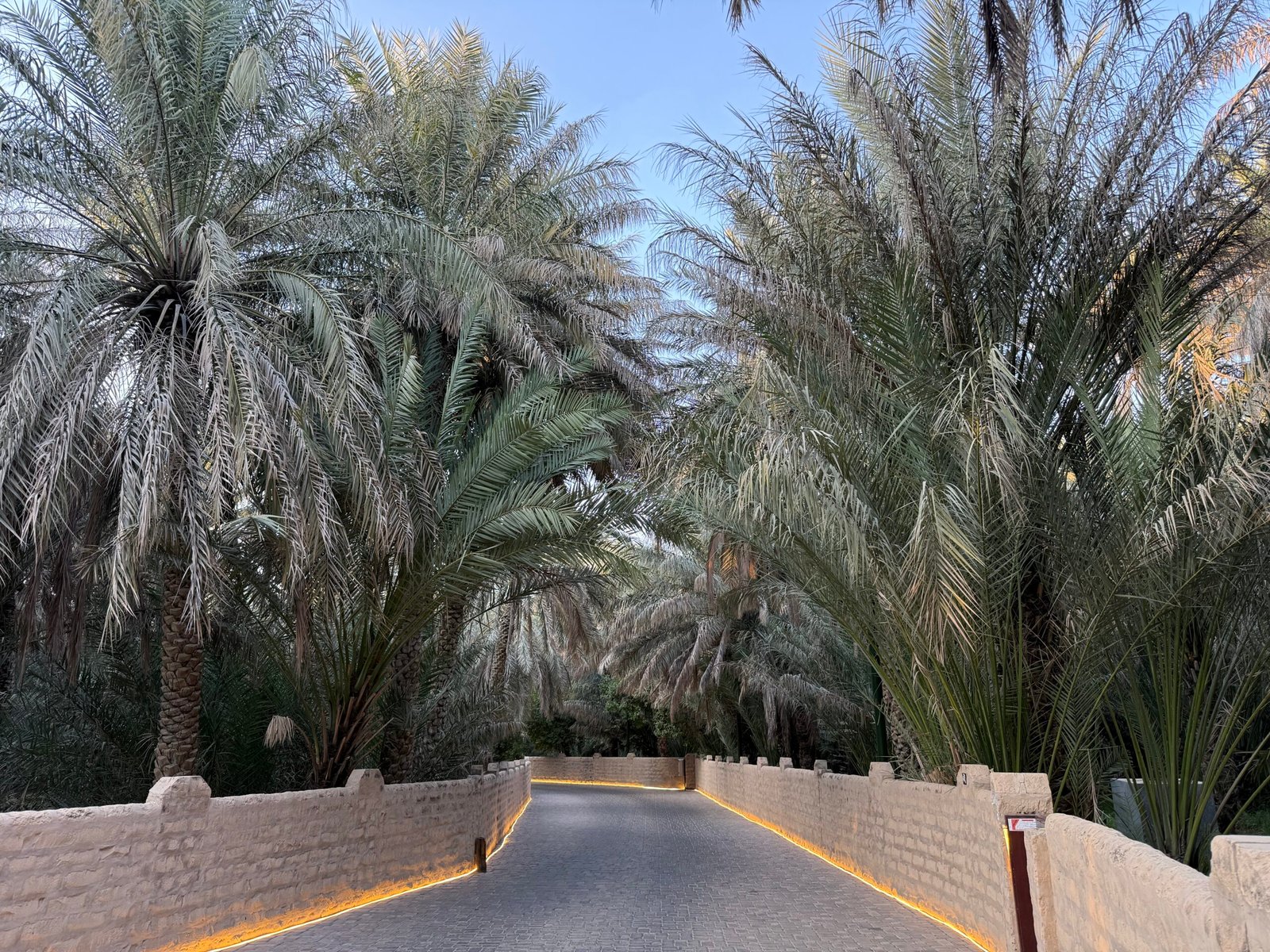
I spent well over an hour walking around the oasis and managed to get away from the crowds after leaving its more central parts. When they started to turn of some led lights, this entire place became even more magical, but it was also my cue to slowly leave Al Ain. My plan in the UAE relied on me visiting these wonderful destinations as day trips but being back in Dubai for dinner. That is why, I simply walked back to the nearby bus station and took the same bus I took in the morning to go back to Dubai right after sundown.
There is not much else to write about Al Ain at this point. Friendly locals, lovely cultural and historical sites that are somehow always free to visit, exceptionally charming natural wonders, and the sort of laid-back lifestyle that you will be sorely missing after spending a few busy days in Dubai can all be found here. In my humble opinion, a visit to the UAE is not complete without a visit to Al Ain, and understanding the UAE today, as well as making sense of its unique history, is simply not possible without paying a visit to this dreamy oasis town to see the roots of the Emirati society in person. In short, do put Al Ain on your itineraries and thank me later! I for one know that I will be back here, not only to enjoy its oases once again, but also to visit the Al Ain Palace Museum that was unfortunately under renovation when I was there. One day, hopefully soon!